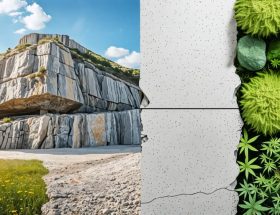

The thermal building envelope represents the critical barrier between interior conditioned space and exterior climate conditions, and when executed properly with natural stone, it delivers both exceptional energy performance and enduring architectural beauty. This protective assembly controls heat flow, manages moisture migration, and maintains occupant comfort while significantly reducing operational costs over a building’s lifetime.
Stone facades present unique thermal challenges and opportunities that differ fundamentally from conventional cladding systems. The material’s inherent thermal mass, varying conductivity based on stone type, and specific installation methods directly impact the envelope’s overall R-value and thermal bridging potential. Understanding these properties allows designers to leverage stone’s natural advantages while mitigating its thermal vulnerabilities through strategic detailing and assembly design.
Modern building codes increasingly demand rigorous thermal performance standards, making the integration of continuous insulation, proper air barriers, and vapor management essential components of stone envelope systems. The challenge lies in achieving these requirements without compromising the aesthetic qualities and structural integrity that make natural stone desirable. Water penetration remains equally critical, as moisture within wall assemblies can degrade insulation performance, promote biological growth, and damage structural components.
This comprehensive guide examines the fundamental principles governing thermal performance in stone building envelopes, provides actionable technical strategies for moisture-resistant design, and presents real-world case studies demonstrating successful implementations. Whether specifying limestone, granite, or marble facades, these evidence-based approaches ensure buildings perform efficiently across diverse climate zones while maintaining the timeless appeal of natural stone architecture.
Understanding the Thermal Building Envelope

What Makes Natural Stone Different
Natural stone offers distinct thermal performance characteristics that set it apart from conventional building materials. At the heart of this difference is thermal mass—the ability of stone to absorb, store, and slowly release heat energy. This property makes natural stone an excellent moderator of temperature fluctuations in building envelopes.
Unlike lightweight materials that quickly gain and lose heat, stone’s density allows it to act as a thermal buffer. During daytime hours, stone absorbs heat from sunlight and warmer air, preventing rapid temperature increases inside the building. As outdoor temperatures drop in the evening, the stored heat releases gradually, helping maintain more stable interior conditions. This thermal lag effect can reduce heating and cooling demands significantly.
Different stone types and properties deliver varying thermal performance levels. Granite, with its dense crystalline structure, provides excellent thermal mass and low thermal conductivity, making it particularly effective for temperature regulation. Marble offers similar benefits with slightly higher conductivity due to its metamorphic composition. Limestone, being more porous, has lower thermal mass but can still contribute meaningfully to envelope performance, especially when properly installed with air gaps or insulation layers.
Heat transfer through stone occurs primarily through conduction, and the material’s thickness directly impacts its thermal resistance. A thicker stone panel provides better insulation value, though even standard cladding thicknesses contribute measurably to overall envelope efficiency when integrated into a comprehensive wall assembly design.
The Thermal-Moisture Connection
In stone building envelopes, thermal performance and moisture management are inseparable partners rather than independent concerns. Water vapor naturally moves through stone assemblies in response to temperature and humidity differences between interior and exterior environments. When warm, moist air meets cooler surfaces within the wall assembly, condensation can occur, potentially compromising insulation effectiveness and leading to material degradation.
This interconnected behavior is the foundation of hygrothermal design—an approach that considers heat and moisture movement simultaneously. Stone’s natural porosity allows it to absorb and release moisture, creating a dynamic system that changes with seasonal conditions. Temperature gradients within the envelope influence where condensation is likely to form, while moisture content directly affects the thermal conductivity of materials.
Understanding this relationship is essential for preventing common problems like freeze-thaw damage, efflorescence, and reduced insulation performance. A well-designed stone envelope accounts for both thermal bridges and vapor drive, ensuring that moisture can safely migrate through the assembly without accumulating in vulnerable locations. This integrated approach protects both the structural integrity of the stone and the long-term energy efficiency of the building.
Thermal Performance Principles for Stone Envelopes
Insulation Strategies for Stone Facades
Stone facades require strategic insulation placement to achieve optimal thermal performance while preserving the aesthetic appeal of natural stone. Three primary approaches exist, each with distinct advantages and considerations for specific project requirements.
Exterior insulation systems, often called EIFS or continuous insulation, position insulation materials outside the structural wall and behind the stone cladding. This method eliminates thermal bridging through structural elements and keeps the building structure within the conditioned envelope. The approach works particularly well with mechanically anchored stone veneer systems, where metal clips or rails can penetrate through insulation to secure the cladding. The primary advantage is superior thermal performance and protection of the structural wall from temperature fluctuations. However, proper detailing of penetrations and careful coordination of anchor systems are essential to maintain insulation continuity.
Interior insulation offers a simpler installation approach, applying insulation to the inside face of exterior walls. This method suits renovation projects where exterior modifications are impractical or prohibited. Installation is straightforward and cost-effective, but it reduces interior floor space and leaves the structural wall exposed to temperature extremes. Interior insulation also shifts the dew point location, requiring careful vapor barrier placement to prevent condensation within wall assemblies.
Cavity insulation fills the space between stone cladding and backup walls, providing a middle-ground solution. This approach works well with traditional masonry cavity walls where a continuous air space exists. Rigid foam boards or mineral wool batts fit within the cavity while maintaining drainage planes. The method balances thermal performance with moisture management, as the cavity can still function for water drainage. Installation requires careful attention to avoid blocking weep holes or compromising the drainage system that protects both insulation and structural components from moisture damage.

Thermal Bridging and How to Prevent It
Thermal bridging occurs when conductive materials create pathways for heat transfer through the building envelope, bypassing insulation and compromising energy efficiency. In natural stone facade systems, common thermal bridges develop at metal anchoring systems, structural supports, and connection points where materials with high thermal conductivity penetrate the insulation layer.
Metal anchors and brackets are primary culprits, as steel and aluminum conduct heat approximately 1,000 times more effectively than typical insulation materials. These components create direct thermal paths from interior conditioned spaces to exterior surfaces, resulting in localized cold spots, increased heating costs, and potential condensation issues at connection points.
To minimize thermal bridging in stone installations, consider these practical solutions:
Install thermal breaks at anchor penetrations using low-conductivity materials like stainless steel or fiber-reinforced polymers. These materials maintain structural integrity while reducing heat transfer by up to 80 percent compared to standard steel anchors.
Use continuous insulation strategies that wrap the entire building exterior without interruption. Position anchors to penetrate only the insulation layer rather than extending through multiple envelope components.
Select mechanically-attached systems with minimal penetrations rather than adhesive-backed anchors requiring additional mechanical fasteners. Fewer penetration points mean reduced thermal bridge opportunities.
Space anchors strategically to balance structural requirements with thermal performance. Wider spacing reduces the number of thermal bridges while maintaining adequate stone support.
Apply thermal modeling software during design phases to identify potential problem areas and optimize anchor placement before construction begins. This proactive approach prevents costly modifications and ensures the stone facade contributes to overall building energy performance rather than undermining it.
Maximizing Stone’s Thermal Mass Benefits
To maximize stone’s thermal mass benefits, proper envelope design must account for stone thickness, placement, and interior exposure. Dense stones like granite and limestone work best when positioned where they can absorb heat during the day and release it gradually during cooler periods, naturally stabilizing interior temperatures.
For optimal performance, stone walls should be at least 4-6 inches thick and directly exposed to interior spaces rather than concealed behind insulation layers. This allows the thermal mass to interact with conditioned air. In climates with significant day-night temperature swings, positioning stone on south-facing walls maximizes solar heat gain during winter months while overhangs prevent summer overheating.
Consider combining thermal mass strategies with proper insulation placement. In moderate climates, insulation on the exterior of stone walls protects the thermal mass while allowing it to moderate indoor temperatures. In extreme climates, additional insulation layers may be necessary, though this reduces direct thermal mass interaction.
The key is balancing thermal storage capacity with your climate zone and building orientation. Strategic stone placement creates passive heating and cooling effects that reduce mechanical system demands, lowering energy costs while maintaining consistent interior comfort year-round.
Moisture Management in Stone Building Envelopes
How Water Moves Through Stone Systems
Understanding how moisture penetrates stone assemblies is essential for designing durable, energy-efficient building envelopes. Water can compromise thermal performance, damage materials, and create structural issues if not properly managed. Four primary mechanisms drive moisture movement through stone systems, each requiring specific design strategies.
Bulk water movement occurs when liquid water flows directly through openings, cracks, or poorly sealed joints in the stone assembly. This is the most obvious and potentially damaging form of water intrusion, typically caused by rain, melting snow, or ground moisture. Proper flashing, drainage planes, and sealed joints are critical defenses against bulk water penetration.
Capillary action draws water through tiny pores and interconnected channels within stone and mortar joints. Like a sponge absorbing liquid, porous materials naturally pull moisture upward and horizontally, even against gravity. Different stone types exhibit varying capillary properties based on their pore structure and density. Dense granites resist capillary action better than porous limestone or sandstone.
Air leakage carries moisture-laden air through gaps and penetrations in the envelope. When warm, humid air contacts cooler surfaces within wall assemblies, condensation occurs, potentially causing mold growth and material degradation. Continuous air barriers are essential for controlling this mechanism.
Vapor diffusion involves water molecules migrating through materials from high to low vapor pressure areas, typically from warm, humid spaces toward cooler, drier zones. While slower than other mechanisms, diffusion can accumulate significant moisture over time. Vapor retarders positioned correctly within the assembly help manage this gradual moisture transfer while allowing necessary drying.
Vapor Barriers vs. Air Barriers in Stone Envelopes
Understanding the distinction between vapor barriers and air barriers is essential for successful stone envelope design, yet these terms are frequently confused or used interchangeably. While both control moisture, they serve fundamentally different functions in wall assemblies.
Air barriers prevent bulk air movement through the building envelope. They stop wind from infiltrating gaps, dramatically reducing heat loss and preventing moisture-laden air from condensing within wall cavities. In stone assemblies, air barriers are typically positioned on the exterior sheathing or as part of the weather-resistive barrier system. They must be continuous, durable, and able to withstand the pressure differences between interior and exterior environments.
Vapor barriers, by contrast, slow the diffusion of water vapor molecules through materials. They’re rated by permeability, with true vapor barriers having extremely low perm ratings. In stone walls, vapor barrier placement depends entirely on climate. Cold climates generally require vapor retarders toward the interior to prevent warm, moist indoor air from reaching cold surfaces where condensation occurs. However, in mixed or cooling-dominated climates, vapor barriers may belong elsewhere or be avoided altogether to allow drying.
The most common installation mistake is treating these barriers as interchangeable. Installing an impermeable vapor barrier on both sides of a wall assembly creates a moisture trap with no drying potential. Another frequent error involves discontinuous air barrier systems, particularly at stone attachment points, where penetrations compromise the continuous plane. Additionally, many installers place vapor barriers based on generic recommendations rather than conducting climate-specific hygrothermal analysis, leading to moisture accumulation and potential stone deterioration over time.
Drainage Plane Design and Ventilation
A properly designed drainage plane is essential for managing moisture behind stone cladding and protecting the thermal envelope. This system creates a continuous air gap between the stone veneer and the water-resistive barrier, allowing any moisture that penetrates the cladding to drain downward and exit at designated weep points.
The drainage cavity should maintain a minimum depth of three-quarters to one inch, though local building codes may require greater dimensions. This space serves dual purposes: providing a pathway for water drainage and creating an air channel for ventilation. Without adequate cavity depth, capillary action can draw water across the gap, defeating the drainage system’s purpose.
Ventilation within the drainage plane removes moisture vapor and prevents condensation buildup that can compromise insulation performance and structural integrity. Air movement occurs naturally through the stack effect, with air entering at the bottom through weep holes and exiting at the top of the wall assembly. For taller facades, additional venting at intermediate points may be necessary to maintain consistent air circulation.
Installing a drainage mat or mesh creates separation between the stone and the weather barrier, ensuring the cavity remains open even if mortar squeezes through joints during installation. These products also facilitate easier drainage along the vertical plane. Flashing at all horizontal interruptions, including windows, doors, and foundation transitions, directs water into the drainage cavity and toward exterior weep holes.
Weep holes should be spaced at regular intervals along the bottom of the stone installation, typically every 24 to 32 inches, and above all flashed openings. Open head joints or specially designed vent products allow air entry while preventing insect infiltration. Regular inspection during construction ensures mortar droppings haven’t blocked these critical drainage and ventilation pathways, which would trap moisture within the envelope system.

Critical Details for Integrated Thermal-Moisture Design
Joint Design for Thermal Movement
Thermal movement in natural stone facades requires carefully planned expansion and control joints to prevent cracking, buckling, and water infiltration. Stone expands and contracts with temperature fluctuations, and without proper accommodation, these forces can compromise both structural integrity and moisture protection.
Design joints at regular intervals based on stone type, panel size, and expected temperature ranges. Lighter stones like limestone typically require joints every 12-15 feet, while darker granites may need closer spacing due to greater heat absorption. Joint width should be proportional to panel dimensions, generally ranging from 3/8 inch to 3/4 inch.
The joint assembly must maintain continuous moisture barriers while allowing movement. Use compressible backer rod sized to fill 50-75% of joint depth, creating proper backing for sealant. Apply high-performance sealants rated for expected movement—typically polyurethane or silicone formulations capable of accommodating 25-50% joint movement.
Critical detailing includes maintaining air and water barriers across joints using flexible membrane systems that bridge the gap without restricting movement. Align vertical joints with structural columns when possible to simplify detailing and reduce differential movement. At horizontal joints, incorporate drip edges and flashing to direct moisture outward, preventing water from tracking behind the stone veneer into the wall assembly.
Flashing and Sealant Integration
Flashing systems represent the first line of defense against water infiltration in natural stone facades, particularly at vulnerable junctures like window heads, sill details, and shelf angles. Through-wall flashings must extend beyond the stone face and incorporate end dams to direct moisture to designated weep locations. When integrating stone cladding, continuous flashings at each shelf angle create moisture breaks while accommodating thermal expansion through flexible designs that won’t compromise the envelope’s insulating properties.
Sealant selection requires balancing waterproofing with thermal movement accommodation. High-performance silicone or polyurethane sealants maintain elasticity across temperature fluctuations while preserving joint integrity. Joint width calculations must account for stone’s coefficient of thermal expansion—typically requiring joints between 3/8 to 1/2 inch for adequate movement. Back-up rods ensure proper sealant depth-to-width ratios, preventing three-sided adhesion that causes premature failure.
Critical flashing locations include stone panel perimeters, penetrations, and transitions between dissimilar materials. Proper detailing follows building codes and standards while addressing thermal bridging at metal flashings through thermally broken components. Regular inspection during installation ensures flashings lap correctly, maintaining continuous drainage planes that protect both the stone and underlying insulation layers from moisture damage that could compromise thermal performance.
Window and Door Transitions
Windows and doors represent the most vulnerable points in a stone building envelope, where thermal bridging and water infiltration risks concentrate. These penetrations interrupt the continuous insulation layer and create pathways for air and moisture movement if not properly detailed.
The key challenge lies in maintaining continuity of both the thermal barrier and the water-resistive barrier around each opening. Stone jambs, sills, and heads require careful integration with flashing systems that direct water outward while preventing thermal transfer. Metal window frames, in particular, conduct heat readily and must be thermally broken or isolated from the stone surround using low-conductivity materials.
Successful transitions demand a layered approach. Start with pan flashing at sills, ensuring proper slope and drainage to the exterior. Head and jamb flashing should overlap in shingle fashion, with all seams sealed and integrated with the building’s weather-resistive barrier. Air sealing around the rough opening is equally critical—use appropriate sealants or gaskets that accommodate differential movement between dissimilar materials.
Consider using thermal breaks at attachment points where metal components penetrate the stone. Pre-manufactured corner pieces and through-wall flashing systems designed specifically for stone applications can simplify installation while improving performance. Proper detailing at these transitions often determines the overall effectiveness of the entire envelope system.

Real-World Performance: Case Studies
A residential project in Vermont demonstrates how limestone cladding can achieve superior thermal performance in cold climates. The 3,200-square-foot home features a ventilated rain screen system with 2-inch thick Indiana limestone panels over continuous rigid insulation. The design team specified a 1-inch air cavity behind the stone, which allows moisture to drain and evaporate while preventing thermal bridging. After two heating seasons, the owners reported 40% lower heating costs compared to code-minimum construction, with no moisture issues despite heavy snow loads and freeze-thaw cycles. The key to success was the integration of a high-performance water-resistive barrier, proper flashing details at all penetrations, and careful attention to joint spacing that accommodates thermal movement without compromising the air barrier continuity.
A commercial office building in Austin, Texas showcases how granite can contribute to cooling load reduction in hot climates. The four-story structure utilizes 3-centimeter Silver Cloud granite panels in a pressure-equalized rain screen assembly. The design incorporates strategic shading through deliberate panel projection at southern exposures, reducing solar heat gain by 35% compared to conventional curtain wall systems. The light-colored granite reflects significant solar radiation, while the ventilated cavity behind the stone prevents heat accumulation at the building envelope. Thermal imaging conducted 18 months post-occupancy revealed surface temperatures 20 degrees Fahrenheit cooler than adjacent dark-colored facades during peak afternoon hours. The building achieved LEED Gold certification, with the stone envelope system contributing substantially to energy performance credits. Critical to the assembly’s success was the specification of stainless steel anchoring systems that maintain structural integrity while minimizing conductive heat transfer, paired with closed-cell spray foam insulation that provides both thermal resistance and air sealing at the backup wall.
Both projects demonstrate that thoughtful integration of natural stone with modern building science principles delivers measurable performance benefits while maintaining the aesthetic and durability advantages that make stone a preferred envelope material.
Common Mistakes and How to Avoid Them
One of the most critical mistakes in stone envelope design is inadequate consideration of thermal bridging through metal anchoring systems. When installers use continuous metal clips or ties without thermal breaks, they create pathways for heat transfer that can significantly compromise the envelope’s overall R-value. This issue often goes unnoticed until thermal imaging reveals cold spots on interior walls or condensation patterns appear. To prevent this, specify anchoring systems with integrated thermal breaks or use point-fixed attachments with minimal contact area between the stone and structural backup.
Insufficient air barrier integration represents another frequent error. Many projects treat the stone facade as if it provides air-tightness, when in reality, stone veneer systems are designed to be permeable. The actual air barrier must be properly detailed at the backup wall, with careful attention to transitions, penetrations, and joints. Design teams should clearly specify air barrier locations in construction documents and conduct blower door testing to verify continuity before stone installation proceeds.
Improper drainage plane design commonly leads to moisture accumulation within the wall assembly. Some designers fail to provide adequate drainage cavities behind stone panels, or they install cavity widths too narrow for effective moisture evacuation. The cavity should be at least one inch wide, with unobstructed weep holes spaced appropriately at the base of each wall section. Additionally, flashing must be properly lapped and sealed to direct water outward rather than allowing it to migrate into the wall assembly.
Neglecting expansion joint placement causes numerous performance failures. Natural stone expands and contracts with temperature fluctuations, yet many projects either omit expansion joints entirely or space them too far apart. This oversight results in cracked panels, displaced anchors, and compromised water-tightness. Follow manufacturer guidelines for joint spacing based on stone type, and ensure joints align with structural movement locations. Using compressible backer rod and high-performance sealants specifically rated for expected movement ranges will maintain long-term envelope integrity.
Designing effective thermal building envelopes with natural stone requires an integrated approach that balances aesthetics, energy performance, and long-term durability. Success depends on careful consideration of material properties, proper detailing, effective insulation strategies, and comprehensive moisture management systems working together as a unified system. When these elements are thoughtfully coordinated, natural stone facades deliver exceptional thermal performance while maintaining the timeless beauty and structural integrity that make stone a premier building material.
The complexity of thermal envelope design means that collaboration with experienced professionals is essential. Architects, engineers, and stone specialists should work together from the earliest design phases to ensure proper material selection, detailing, and installation practices. This collaborative approach prevents costly mistakes and ensures that thermal performance targets are met without compromising the envelope’s moisture management capabilities or aesthetic goals.
Properly designed natural stone thermal envelopes represent a smart investment in building performance and longevity. They contribute to sustainable stone buildings that perform efficiently throughout their service life while requiring minimal maintenance. By prioritizing integrated design and engaging qualified professionals, you can achieve thermal envelopes that excel in both energy efficiency and enduring quality.