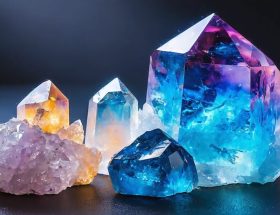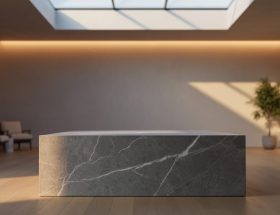
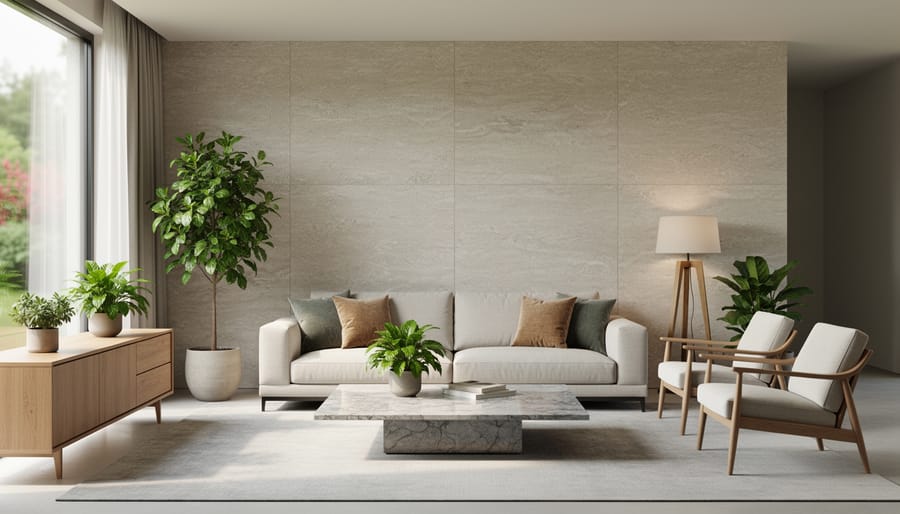
The search for emotional stability through crystals reflects a deeper human need: creating environments that nurture mental wellbeing. While metaphysical crystal properties lack scientific validation, natural stone does demonstrably influence emotional health through measurable environmental and psychological mechanisms.
Natural stone materials create biophilic connections that reduce cortisol levels and promote calm. Research confirms that incorporating earth-derived materials into living spaces lowers stress responses and enhances emotional regulation. The tactile quality, thermal mass, and visual permanence of stone trigger neurological responses associated with safety and groundedness.
Marble, granite, limestone, and other natural stones function as environmental stabilizers. Their thermal properties moderate temperature fluctuations that affect mood and sleep quality. Sound-dampening characteristics reduce acoustic stress in homes and workplaces. The non-volatile nature means zero off-gassing of chemicals that compromise air quality and cognitive function.
Beyond functional benefits, stone’s aesthetic permanence provides psychological anchoring. Unlike synthetic materials that degrade visibly, natural stone ages gracefully, creating environments that feel established and secure. This visual stability translates to emotional reassurance, particularly valuable in an era of constant change and digital overstimulation.
The connection between environment and emotional health is evidence-based. By understanding how natural stone actually contributes to wellbeing through design, acoustics, air quality, and biophilic principles, you can make informed decisions that genuinely support mental health rather than relying on unproven claims.
The Truth About Crystals and Emotional Wellness
What Research Actually Shows
While crystals themselves lack scientifically proven metaphysical properties, research does support tangible benefits of incorporating natural materials into interior environments. Studies in biophilic design demonstrate that natural stone and similar materials can measurably impact human wellbeing.
A landmark study published in the Journal of Environmental Psychology found that exposure to natural materials in workspaces reduced stress responses by up to 15% and improved cognitive function. The science behind mood stones relates more to their visual and tactile qualities than mystical energy fields.
Research from the Human Spaces Report, which surveyed 7,600 office workers across 16 countries, revealed that environments incorporating natural elements increased productivity by 15% and creativity by 15%. Natural stone specifically contributes through:
Temperature regulation properties that create comfortable microclimates
Visual complexity and organic patterns that reduce mental fatigue
Acoustic qualities that dampen disruptive noise
Biophilic connections that satisfy innate human affinity for nature
These measurable effects occur through environmental psychology principles rather than metaphysical mechanisms, providing evidence-based reasons to incorporate natural stone materials into living and working spaces for genuine emotional benefits.
The Placebo Effect Isn’t Worthless
Before dismissing crystal beliefs entirely, it’s worth acknowledging that rituals and intentional practices can offer genuine psychological benefits. The placebo effect demonstrates that our beliefs influence our wellbeing in measurable ways. If selecting a particular stone, placing it deliberately in your space, and pausing to touch it creates a moment of mindfulness or grounds your attention, that practice has value regardless of the stone’s composition.
The key distinction is understanding where the benefit originates. The power lies in your intentional pause, your breathing, and the ritual you’ve created—not in metaphysical energy emanating from the mineral itself. This matters because recognizing the true mechanism empowers you to replicate these benefits through various evidence-based approaches.
Many designers and architects leverage this principle by incorporating natural stone elements that invite touch and contemplation. A smooth marble worry stone, a textured granite element, or a polished limestone surface can serve as tactile anchors during stressful moments. The stone’s authentic qualities—its coolness, weight, and permanence—provide sensory feedback that supports grounding techniques recommended by mental health professionals. Understanding this allows you to make informed decisions about incorporating natural stone into wellness-focused environments.
How Natural Stone Actually Improves Your Living Environment
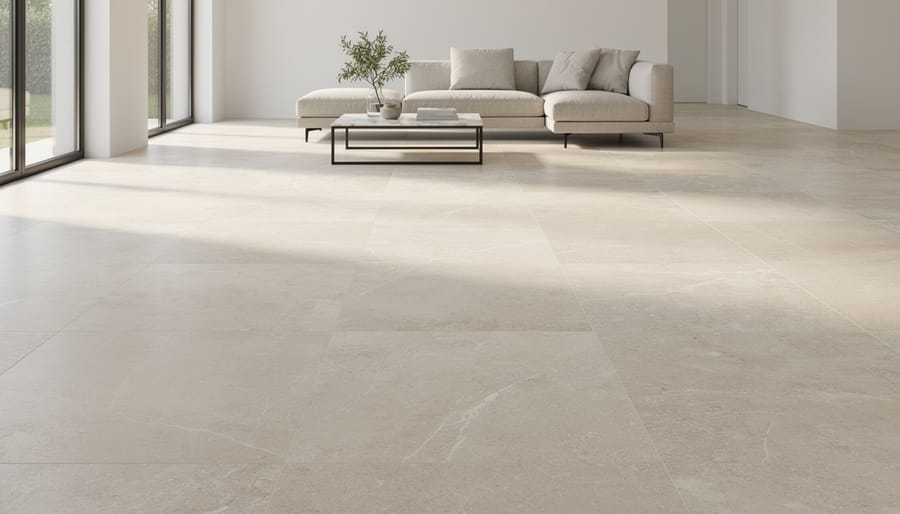
Temperature and Humidity Regulation
Natural stone offers measurable benefits for indoor environmental quality through its inherent physical properties. The thermal mass of materials like marble, granite, and limestone helps regulate temperature fluctuations throughout the day. These dense materials absorb heat during warmer periods and release it gradually when temperatures drop, creating a more consistent ambient environment. This stability reduces the physiological stress responses triggered by uncomfortable temperature swings.
Beyond thermal regulation, certain natural stones possess moisture-balancing capabilities. Limestone and sandstone, with their porous structures, can absorb excess humidity from indoor air and release it when conditions become too dry. This natural modulation helps maintain humidity levels within the optimal 30-50% range that supports respiratory comfort and reduces irritation.
These environmental stabilizing effects have practical implications for emotional wellbeing. Research consistently shows that thermal discomfort and poor air quality contribute to irritability, difficulty concentrating, and increased stress levels. By creating more physically comfortable spaces, natural stone installations address environmental stressors that can undermine emotional equilibrium. Combined with their aesthetic appeal and durability, these functional properties make natural stone an evidence-based choice for environments designed to support psychological comfort and mental clarity.
Acoustic Properties and Sound Reduction
Beyond aesthetics and temperature regulation, natural stone surfaces contribute significantly to acoustic comfort—a often-overlooked factor in emotional wellbeing. The density and mass of stone materials naturally absorb and dampen sound vibrations, reducing noise pollution in both residential and commercial spaces.
Studies in environmental psychology consistently demonstrate that excessive noise increases stress hormones, disrupts concentration, and impairs emotional regulation. Stone flooring, wall cladding, and architectural features help mitigate this by preventing sound reflection and echo that hard, thin materials typically produce. Marble, limestone, and granite surfaces absorb mid to high-frequency sounds particularly effectively, creating quieter environments conducive to relaxation and mental clarity.
The acoustic benefits become especially pronounced in open-plan spaces where sound management proves challenging. Stone features act as passive sound dampeners without requiring additional technological interventions. This natural noise reduction supports the nervous system’s ability to remain calm, facilitating better sleep quality, improved focus, and reduced anxiety levels.
When combined with thoughtful interior design—incorporating textured stone finishes and strategic placement—these materials create sanctuaries that shield occupants from the auditory chaos of modern life, supporting genuine emotional stability through measurable environmental improvements.
Biophilic Design and Connection to Nature
The human need for connection to nature is deeply rooted in our evolutionary biology, a concept formalized as biophilia by Harvard biologist E.O. Wilson. Research in environmental psychology consistently demonstrates that exposure to natural materials and elements significantly reduces stress, lowers cortisol levels, and improves overall emotional wellbeing. When we incorporate natural stone into interior spaces, we’re not just making an aesthetic choice—we’re responding to a fundamental psychological need.
Studies published in the Journal of Environmental Psychology reveal that environments featuring natural materials promote faster recovery from stress and enhance cognitive function. The presence of stone, wood, and other natural elements triggers parasympathetic nervous system responses, effectively calming our fight-or-flight reactions. This physiological response explains why spaces incorporating marble, granite, limestone, and other natural stones often feel inherently more peaceful and grounding than those dominated by synthetic materials.
Natural stone’s unique characteristics—its varied textures, organic patterns, and connection to geological time—provide what researchers call “soft fascination,” a gentle form of attention that allows mental restoration. The subtle variations in veining, color gradients, and surface qualities engage our senses without overwhelming them, creating natural stone zen spaces that support emotional equilibrium. Unlike manufactured materials that can feel sterile or monotonous, natural stone brings authenticity and depth that our brains recognize and respond to positively, making it an evidence-based choice for environments designed to support mental health and emotional stability.
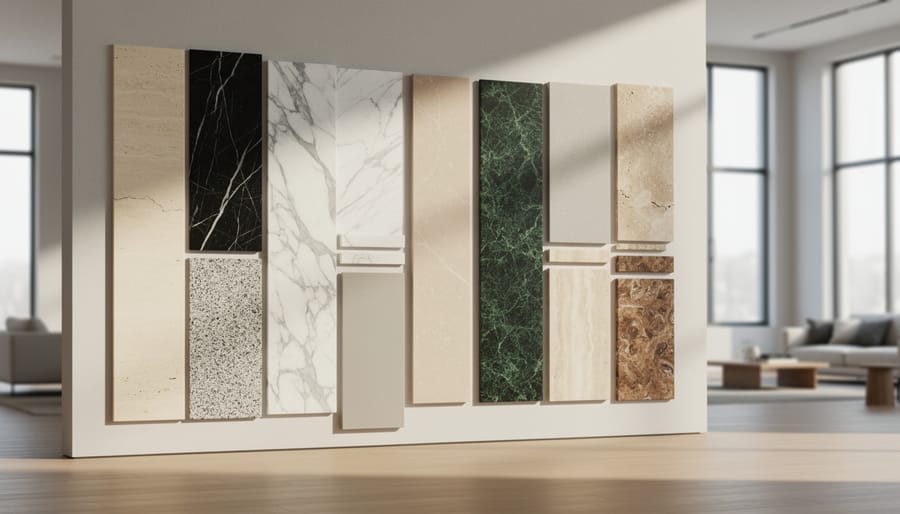
Best Natural Stones for Creating Calming Spaces
Marble: Elegance and Light Reflection
Marble transforms interior spaces through its inherent ability to reflect and diffuse natural light, creating environments that naturally support emotional wellbeing. The stone’s crystalline structure acts as a natural light enhancer, bouncing illumination throughout a room to reduce harsh shadows and create an even, gentle ambiance. This soft light diffusion mimics the calming qualities found in nature, particularly near water or in morning fog.
The cool color palette characteristic of marble—ranging from pristine whites to soft grays and subtle beiges—contributes to visual tranquility. These neutral tones provide psychological relief from overstimulation, making marble particularly effective in bathrooms where spa-like serenity is desired. The stone’s smooth, polished surface adds to this calming effect by creating clean visual lines that reduce mental clutter.
In living spaces, marble features such as fireplace surrounds or accent walls establish focal points that ground a room’s energy without overwhelming it, supporting the mindful, balanced atmosphere many seek when exploring emotional stability solutions.
Limestone: Earthy Warmth and Texture
Limestone brings an understated elegance to interiors through its naturally muted palette of beiges, tans, and warm grays. These earth-derived tones create psychological comfort by mimicking the colors found in nature, which our brains instinctively recognize as safe and calming. The stone’s subtle variations and organic texture prevent the sterility often associated with synthetic materials, instead offering visual interest that feels gentle rather than stimulating.
The porous, tactile surface of limestone contributes to acoustic comfort by absorbing sound rather than reflecting it harshly, reducing the sensory overload common in modern built environments. This quality makes limestone particularly effective in high-traffic areas where noise reduction supports mental clarity and reduces stress. When used for flooring, wall cladding, or fireplace surrounds, limestone’s thermal mass also helps regulate indoor temperatures, maintaining the steady environmental conditions that support emotional equilibrium throughout daily cycles.
Slate: Visual Stability and Low Maintenance
Slate’s inherent visual qualities make it particularly effective at creating calming, stress-reducing environments. Unlike materials with dramatic veining or irregular patterns, slate displays fine-grained, consistent textures that provide visual rhythm without overwhelming the senses. This predictability in appearance helps reduce visual noise—a known contributor to mental fatigue and anxiety in interior spaces.
The material’s natural layered structure creates subtle striations that add depth without chaos, making it ideal for surfaces where you spend significant time. Whether used as flooring, wall cladding, or countertops, slate maintains its appearance year after year with minimal intervention.
Maintenance requirements directly impact psychological comfort in living spaces. Slate requires only routine sweeping and occasional damp mopping with neutral cleaners. It doesn’t demand constant resealing like some stones, nor does it show wear patterns that create visual disorder over time. This low-maintenance characteristic eliminates the stress associated with high-upkeep materials, allowing occupants to focus on living rather than maintaining their environment. The result is a material that supports emotional stability through both its consistent aesthetic presence and practical simplicity.
Granite: Permanence and Durability
Granite brings a profound sense of security to living and working spaces through its exceptional durability and resistance to wear. In high-traffic areas like kitchen countertops, entryways, and commercial flooring, this natural stone withstands daily demands with minimal concern for scratching, chipping, or staining when properly sealed. This inherent strength translates to meaningful psychological benefits for occupants who no longer experience the low-grade anxiety associated with protecting delicate surfaces.
The permanence of granite creates what environmental psychologists call “material confidence”—the mental ease that comes from knowing your environment can handle life’s activities without constant vigilance. Parents can allow children to work on homework at granite countertops without worry. Commercial property managers report reduced stress when granite installations eliminate frequent maintenance cycles and replacement concerns that plague less durable materials.
Beyond practical considerations, granite’s ancient geological origins—formed over millions of years under immense pressure—convey stability at an almost primal level. This stone has literally withstood the test of time, offering tangible reassurance in spaces where we seek lasting comfort. The investment in granite becomes not just financial but emotional, supporting peace of mind through proven, enduring performance that adapts gracefully to decades of use.
Practical Applications for Emotional Wellbeing
Creating Meditation and Quiet Spaces
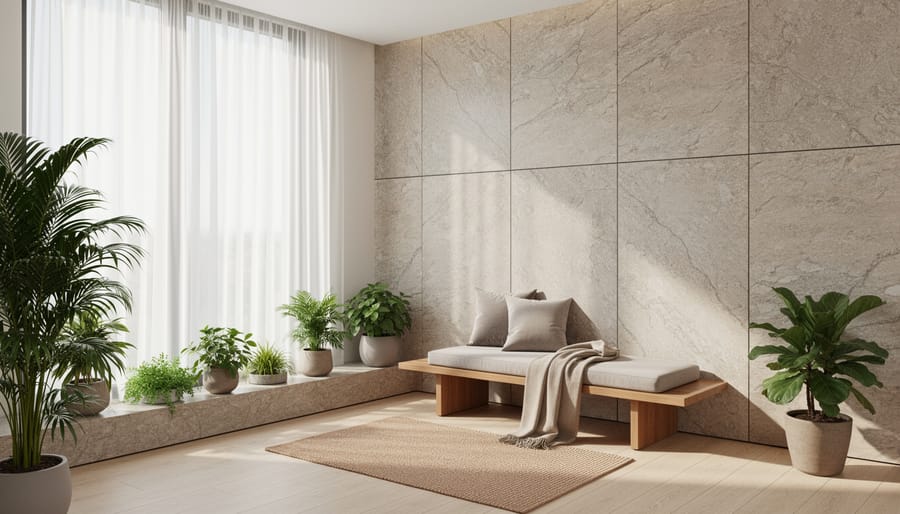
Natural stone creates ideal environments for meditation and quiet spaces through its inherent calming properties and thermal stability. When designing designated calm zones, consider limestone or travertine flooring for their warm, neutral tones and subtle texture that grounds the space without visual distraction. These materials absorb sound naturally, reducing ambient noise that disrupts concentration.
For walls, honed marble or slate panels in soft grays or beiges provide a serene backdrop while maintaining durability. The non-reflective finish minimizes glare, supporting visual comfort during extended periods of stillness. Stone accent walls also serve as focal points for meditation practice, offering natural patterns that encourage mindful observation.
In offices, incorporating stone benches or seating areas within quiet zones combines functionality with biophilic design principles. The cool surface temperature of stone provides subtle sensory grounding, while its permanence creates psychological stability. Consider integrating stone water features or pebble flooring sections for additional textural variety that enhances the sensory experience of creating sanctuary spaces dedicated to emotional wellness and mental clarity.
Natural Stone in High-Stress Areas
High-stress areas in your home naturally generate friction and frustration when materials fail to meet daily demands. Natural stone installations in kitchens, entryways, and bathrooms significantly reduce these friction points through exceptional durability and minimal maintenance requirements.
Kitchen countertops made from granite or quartzite withstand heat, scratches, and constant use without showing wear, eliminating the anxiety associated with protecting delicate surfaces. A simple wipe-down maintains their appearance, removing the mental burden of complicated cleaning routines.
Entryway flooring using slate or limestone endures heavy foot traffic, wet conditions, and tracked-in debris while maintaining its integrity. This resilience means fewer repairs, less worry about damage, and a consistently welcoming space that grounds you upon arriving home.
Bathroom installations with marble or travertine provide water-resistant surfaces that age gracefully, developing character rather than deterioration. The permanence of these materials creates environmental stability, allowing these functional spaces to become personal sanctuaries rather than sources of maintenance stress.
Case Study: Wellness Center Stone Installation
The Serenity Wellness Center in Portland redesigned its therapy spaces using locally-sourced limestone and slate to create calming, grounded environments for clients managing anxiety and stress-related conditions. The design team selected warm-toned limestone for reception areas to promote feelings of welcome and safety, while incorporating darker slate in meditation rooms to enhance focus and introspection.
Post-renovation surveys revealed that 78% of clients reported feeling more relaxed upon entering the facility compared to the previous synthetic-heavy design. Therapists noted that the natural stone surfaces contributed to reduced session anxiety, with clients frequently commenting on the soothing, authentic atmosphere. The stone’s thermal mass also helped maintain consistent temperatures, eliminating the discomfort of temperature fluctuations that can trigger stress responses. This project demonstrates how thoughtful natural stone selection supports therapeutic goals through tangible environmental improvements rather than metaphysical claims.
While natural stone doesn’t possess mystical or magical properties for emotional healing, its genuine, scientifically-supported benefits make it an exceptional choice for creating environments that nurture emotional wellbeing. The thermal mass that regulates temperature, the acoustic properties that reduce noise pollution, the biophilic connection to nature, and the timeless aesthetic beauty all contribute to spaces where people genuinely feel calmer and more grounded.
The durability of natural stone offers psychological comfort through permanence and stability in our rapidly changing world. Its low-maintenance nature reduces stress associated with upkeep, while its environmental sustainability aligns with values that many find emotionally meaningful. These are measurable, real-world benefits that architects, designers, and homeowners can rely upon when making material selections.
As you consider incorporating natural stone into your projects or living spaces, base your decisions on these demonstrable advantages rather than unverified claims. Consult with stone professionals who understand material properties, work with designers trained in evidence-based biophilic principles, and focus on how stone’s authentic characteristics serve your functional and aesthetic goals.
Natural stone earns its place in wellbeing-focused design not through pseudoscience, but through centuries of proven performance and an innate ability to create beautiful, stable, enduring environments. By understanding and embracing these real benefits, you can make informed choices that genuinely enhance the spaces where you live, work, and find peace.