
Healing stones transcend their aesthetic appeal, carrying profound energetic properties that have been revered in ancient healing traditions across civilizations. These crystalline formations, shaped by millions of years of geological processes, interact with human energy fields in ways that modern science is just beginning to understand. From the calming presence of amethyst to the grounding force of black tourmaline, each stone possesses unique vibrational frequencies that can influence our physical, emotional, and spiritual well-being. Whether integrated into interior design or worn as jewelry, healing stones offer a tangible connection to Earth’s raw power, providing natural tools for balance and transformation in our increasingly digital world. This exploration delves into the most potent healing stones, their specific properties, and practical applications for modern living spaces, bridging ancient wisdom with contemporary wellness practices.
The Science Behind Stone Energy and Wellness
Understanding Mineral Composition
The unique healing properties attributed to different stones stem directly from their mineral composition and crystalline structure. Understanding how crystal properties impact well-being begins with their fundamental makeup. Each stone contains specific combinations of elements and minerals that create distinct energetic frequencies and vibrational patterns.
For example, amethyst derives its calming properties from its silicon dioxide composition with traces of iron, while rose quartz combines silicon dioxide with titanium, iron, or manganese to create its signature pink hue and loving energy. The way these minerals crystallize during formation determines their molecular structure, which influences how they interact with human energy fields.
The density, hardness, and atomic arrangement of minerals within each stone contribute to their reported metaphysical properties. Denser stones like hematite, rich in iron oxide, are often used for grounding, while lighter crystals like celestite, composed primarily of strontium sulfate, are associated with higher spiritual frequencies.
Understanding these mineral relationships helps practitioners select stones that align with specific healing intentions and spatial energy goals.
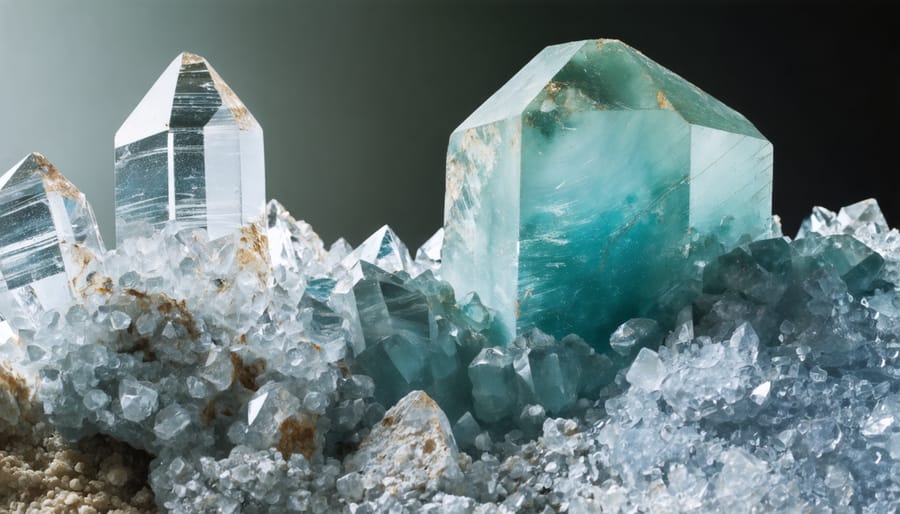
Environmental Impact on Well-being
Natural stones have a profound impact on the environmental wellness of living spaces, influencing both physical and psychological well-being. These geological elements contribute to a room’s ambiance through their inherent properties of temperature regulation and humidity control. Many stones naturally emit negative ions, which are believed to purify the air and create a more balanced atmosphere.
The presence of healing stones in a room can create grounding energy and promote a sense of connection to nature. Larger specimens, such as amethyst geodes or rose quartz clusters, serve as natural focal points that draw the eye and create a sense of calm. The varied textures and colors of different stones add visual interest while contributing to the room’s overall energy.
When strategically placed, these stones can help establish distinct zones within a space, each with its own therapeutic purpose. For example, clear quartz in a home office may promote clarity and focus, while selenite in a bedroom might encourage restful sleep. The natural variations in each stone’s pattern and coloring also contribute to a space’s unique character, making them both functional and aesthetically pleasing elements in interior design.

Popular Healing Stones for Modern Spaces
Rose Quartz: The Stone of Love and Harmony
Rose quartz, with its gentle pink hue and translucent quality, is one of the most sought-after stones for both spiritual and design applications. This versatile crystal is composed primarily of silicon dioxide and gets its characteristic color from trace amounts of titanium, iron, or manganese. In interior design, rose quartz serves as both a decorative element and a focal point that brings warmth and serenity to spaces.
Traditionally known as the stone of universal love, rose quartz is believed to promote emotional healing and harmonious relationships. Its soft, feminine energy makes it particularly popular in bedroom and meditation space design. When incorporated into living areas, whether as polished sculptures, cabinet pulls, or accent pieces, rose quartz creates an atmosphere of calm and nurturing energy.
From a practical standpoint, rose quartz’s durability (7 on the Mohs scale) makes it suitable for various applications, from decorative bowls to countertop inlays. Its natural variations in color and pattern ensure that each piece is unique, adding character to any design scheme. When paired with neutral tones or metallic accents, rose quartz creates sophisticated and balanced interior spaces that promote both aesthetic beauty and emotional well-being.
Amethyst: Promoting Tranquility
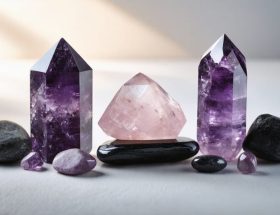
Amethyst, with its striking purple hues, has been cherished for centuries as a stone of peace and spiritual awareness. In modern interior design, this variety of quartz serves both aesthetic and wellness purposes. When placed in living spaces, amethyst is believed to create an atmosphere of calm and balance, making it particularly effective in bedrooms and meditation areas.
Interior designers often incorporate large amethyst geodes as statement pieces, while smaller clusters work well on desks or nightstands. The stone’s natural beauty adds a touch of organic luxury while purportedly offering protective and healing properties. Many practitioners suggest placing amethyst in areas where you seek mental clarity or stress relief.
Beyond its spiritual attributes, amethyst’s color psychology plays a significant role in space design. The purple tones naturally evoke feelings of serenity and luxury, contributing to a peaceful environment. When combined with natural light, amethyst crystals create captivating light displays that enhance the room’s ambiance.
For optimal benefit, maintain your amethyst by regular cleansing with sage or moonlight exposure, and position it where you can both see and appreciate its natural beauty.
Black Tourmaline: Protection and Grounding
Black tourmaline, known for its powerful protective and grounding properties, has become increasingly popular in modern interior design. This striking black crystal is often incorporated into homes as both a decorative element and an energetic shield against negative energies.
In entryways, black tourmaline specimens or embedded stone tiles create a protective barrier, acting as a natural filter for unwanted energies. Designers often place these stones near electronic devices, as they’re believed to help neutralize electromagnetic radiation from computers and smartphones.
For meditation spaces and bedrooms, raw black tourmaline pieces can be positioned in corners to establish a sense of safety and stability. When integrated into bathroom design, whether through stone tiles or decorative bowls filled with tumbled stones, black tourmaline adds both visual depth and grounding energy.
Modern applications include black tourmaline-infused paint for walls, custom mosaic installations, and statement pieces such as polished tourmaline countertops or fireplace surrounds. These installations not only serve their protective purpose but also introduce compelling textural elements that complement both contemporary and traditional interiors.
Citrine: Abundance and Positivity
Citrine, a radiant yellow to honey-brown variety of quartz, is renowned for its ability to promote abundance and positive energy in living spaces. This luminous stone naturally brightens rooms while serving as a powerful conductor of optimistic vibrations. Interior designers often incorporate citrine clusters or geodes in home offices and business environments to stimulate creativity and manifest prosperity.
When placing citrine in your space, consider positioning it near windows or light sources to maximize its natural reflective properties. The stone’s warm golden hues complement both modern and traditional décor schemes while creating an uplifting atmosphere. Many practitioners recommend placing citrine in the wealth corner of a room (the far left corner from the entrance) or on your desk to enhance financial opportunities and career growth.
Unlike many other crystals, citrine doesn’t need regular cleansing as it naturally dissipates negative energy. This self-cleansing property makes it an ideal choice for high-traffic areas or spaces where multiple people gather. For maximum benefit, combine citrine with clear quartz to amplify its positive properties or amethyst to enhance spiritual awareness while maintaining its abundance-attracting qualities.

Integrating Healing Stones in Interior Design
Strategic Placement Tips
Strategic placement of healing stones can significantly enhance their energetic properties and help create a zen sanctuary within your space. For optimal results, consider placing amethyst clusters in bedrooms to promote restful sleep and peaceful energy. Position clear quartz in your home office or workspace to enhance focus and mental clarity.
In living areas, place rose quartz in the southwest corner to foster loving relationships and harmony. Black tourmaline works best near entrances and windows, serving as a protective barrier against negative energies. For meditation spaces, arrange selenite and celestite at eye level to enhance spiritual connection and mindfulness.
Bathrooms benefit from jade or aquamarine placement, as these stones complement water energy and promote cleansing. In the kitchen, citrine can be positioned near the stove or pantry to attract abundance and positive energy flow. Consider placing tiger’s eye on your desk or in your home office to boost confidence and decision-making abilities.
For maximum effectiveness, cleanse your stones regularly and reposition them based on seasonal changes or shifting needs. Avoid placing water-sensitive stones like selenite in humid areas or direct sunlight. When incorporating multiple stones, maintain at least six inches of space between them to prevent energetic interference. Remember that personal intuition plays a vital role in stone placement – trust your instincts when arranging these natural elements in your space.
Maintenance and Care
Proper maintenance of healing stones is essential to preserve their beauty and energetic properties. Regular cleansing and charging help maintain their effectiveness while proper storage prevents physical damage and energetic contamination.
To cleanse your stones, rinse them under cool running water for 1-2 minutes, visualizing negative energies washing away. For more delicate stones like selenite or celestite, use a soft, dry brush instead of water. Alternatively, place stones in a bowl of dry sea salt overnight, or smudge them with sage smoke for energetic purification.
Charging your stones restores their natural energetic properties. The most common method is placing them in direct moonlight during a full moon for 4-8 hours. Sunlight charging works well for citrine and clear quartz but should be avoided for amethyst and rose quartz, as prolonged sun exposure can fade their colors.
Store your healing stones separately to prevent scratching and energetic interference. Soft cloth pouches or lined wooden boxes work well. Keep stones away from extreme temperatures and humidity. Some practitioners recommend storing different stone types separately to maintain their unique vibrations.
Handle your stones with clean hands and wipe them occasionally with a soft, dry cloth to remove dust and oils. For polished stones, use a microfiber cloth to maintain their luster. Avoid harsh cleaning chemicals, as these can damage the stone’s surface and disrupt their energetic properties.
Consider creating a dedicated space for your healing stones when not in use, such as a sacred altar or meditation area, to help maintain their spiritual connection and protective qualities.
Real-World Applications
The integration of healing stones in modern spaces has proven successful across various settings, as demonstrated by several noteworthy installations. At the Serenity Wellness Center in Portland, Oregon, a large amethyst geode installation serves as both a striking focal point and a meditation space. Clients report feeling more relaxed and centered during their sessions, with the center documenting a 40% increase in booking rates since the installation.
In residential applications, the Martinez family in Arizona incorporated rose quartz and black tourmaline into their home’s entryway design. The stones were strategically placed within custom-built wall niches, creating an energetically balanced entrance that doubles as an artistic statement. The family notes improved sleep patterns and a more harmonious home environment since the installation.
The corporate sector has also embraced healing stones, as evidenced by the Silicon Valley headquarters of tech startup InnovateNow. Their boardroom features a carefully curated collection of clear quartz and citrine specimens, which executives credit for enhanced creativity and productive meetings. Employee surveys indicate a 25% increase in workplace satisfaction following the installation.
The Lotus Spa & Wellness Resort in Sedona incorporated an extensive healing stone layout throughout their facility. Large specimens of selenite illuminate the reception area, while jade and aventurine accent the treatment rooms. The resort has reported a 60% increase in repeat visitors, with guests specifically requesting rooms featuring certain crystal installations.
A boutique hotel in Manhattan successfully integrated healing stones into its modern design scheme by mounting polished labradorite panels in the lobby and placing individual black tourmaline pieces in each guest room. The hotel’s unique approach has garnered attention from design publications and contributed to consistently high occupancy rates, demonstrating how healing stones can enhance both aesthetic appeal and guest experience while maintaining professional credibility.
Healing stones offer a unique opportunity to enhance both the aesthetic and energetic qualities of interior spaces. Whether you’re designing a meditation room, spa environment, or simply want to incorporate these elements into your home, careful consideration of stone properties can create meaningful impact. By understanding each stone’s characteristics – from amethyst’s calming presence to rose quartz’s nurturing energy – designers can make informed choices that serve both practical and spiritual purposes. Remember to balance aesthetic preferences with intended energetic effects, and always source stones from reputable suppliers. As you embark on your design journey, let these ancient elements guide you in creating spaces that not only look beautiful but also promote wellbeing and positive energy flow.