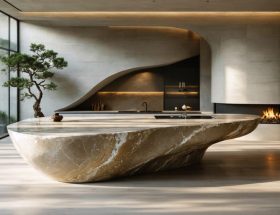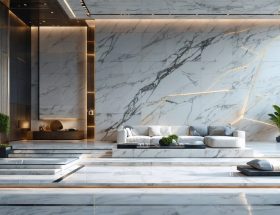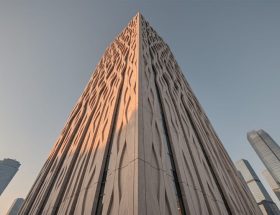
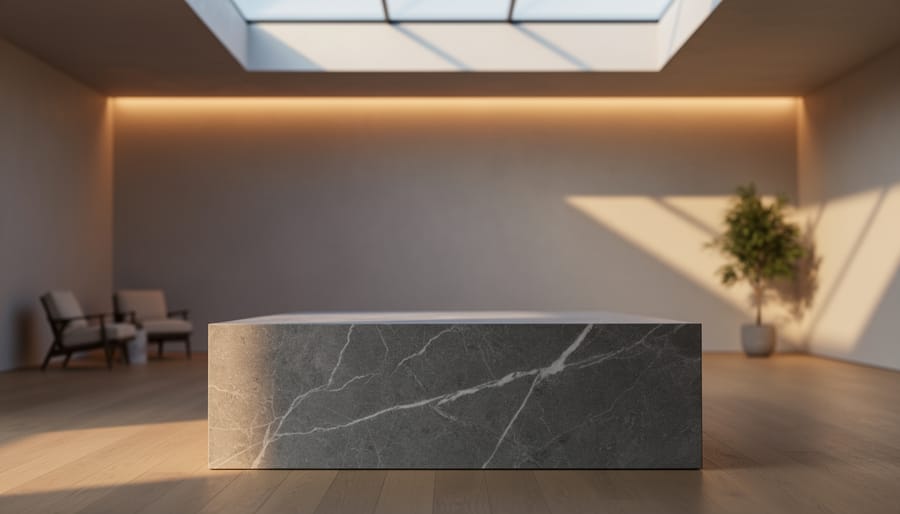
Recognize that stone has anchored sacred spaces across civilizations for millennia—from megalithic temples aligned with celestial events to marble altars bathed in cathedral light—because its geological permanence mirrors humanity’s search for transcendent meaning. This convergence of material and illumination creates what integrative spirituality identifies as threshold experiences: moments where physical environments facilitate deeper states of awareness and connection.
Integrative spirituality moves beyond compartmentalized belief systems to acknowledge how our built environments shape consciousness itself. Natural stone serves as a foundational element in this practice because its formation over millions of years carries an embedded temporal dimension that contrasts sharply with modern life’s fragmentation. When deliberately paired with natural and artificial light sources, stone surfaces transform from passive architectural elements into active participants in contemplative experience.
Consider how light reveals the crystalline structure within marble, creating depth and movement that静止 surfaces cannot achieve. This dynamic relationship—stone’s solidity meeting light’s fluidity—generates what designers and wellness practitioners now recognize as environmental resonance: spaces that support both individual reflection and collective gathering without forcing particular doctrinal frameworks.
The practical application of these principles extends far beyond traditional religious settings. Contemporary residences, meditation studios, healthcare facilities, and corporate wellness spaces increasingly incorporate stone-light relationships to create what researchers term “restorative environments.” These spaces don’t impose spiritual practice but rather remove barriers to it, offering neutral ground where diverse approaches to meaning-making can coexist.
Understanding this symbiosis requires examining both the material properties of specific stones and the intentional choreography of light—knowledge that bridges geology, architecture, psychology, and contemplative traditions into a cohesive design philosophy accessible to anyone seeking greater depth in their daily surroundings.
The Ancient Wisdom Behind Stone and Light

Why Sacred Spaces Have Always Featured Natural Stone
Throughout human history, civilizations across the globe have consistently chosen natural stone for their most spiritually significant structures. From Stonehenge’s mysterious monoliths to the granite temples of ancient Egypt, from Japan’s stone gardens to the marble cathedrals of Europe, stone has served as humanity’s primary medium for creating sacred spaces.
This universal preference extends beyond mere durability. Ancient builders recognized something modern material psychology now confirms: stone possesses inherent qualities that affect human consciousness. The Inca precisely fitted massive granite blocks at Machu Picchu without mortar, creating temples that seem to emerge organically from mountain peaks. Buddhist monasteries carved directly into limestone cliffs in China demonstrate an understanding of stone as a bridge between earth and spirit.
Contemporary research reveals that these historical practices align with biophilic design principles. The thermal mass of stone creates stable environments that naturally calm the nervous system. Its varied textures and geological patterns provide visual complexity that engages without overwhelming the mind. The acoustic properties of marble and limestone moderate sound in ways that enhance contemplation and ritual.
Modern architects designing meditation centers, wellness facilities, and contemporary places of worship continue this tradition, now supported by scientific understanding. The weight, permanence, and geological time embodied in natural stone materials create what designers call “material presence,” a tangible quality that photographs cannot fully capture but that deeply influences how people experience space and their own state of mind within it.
The Science Behind Stone’s Grounding Effect
Natural stone’s grounding effect isn’t purely psychological—it’s rooted in measurable physical properties that influence our environment in tangible ways. Understanding these characteristics helps explain why stone-rich spaces consistently feel more centered and calm.
Thermal mass stands as one of stone’s most significant attributes. Dense materials like granite, marble, and limestone absorb heat slowly and release it gradually, creating stable temperature environments that reduce the constant fluctuations our bodies must adapt to throughout the day. This thermal steadiness translates to physiological ease, allowing our nervous systems to maintain equilibrium rather than continuously recalibrating.
Acoustic properties further contribute to stone’s calming presence. Hard stone surfaces reflect sound waves in patterns that differ from synthetic materials, creating natural reverberation that feels organic rather than harsh. When properly balanced with absorptive elements, stone helps establish acoustic environments that support concentration and reduce auditory stress.
Stone’s electromagnetic neutrality offers another grounding dimension. Unlike many manufactured materials, natural stone doesn’t generate static charges or interfere with electromagnetic fields. In our technology-saturated environments, this passive quality provides subtle relief from constant electronic noise.
Finally, the inherent variation in natural stone—unique veining, color gradations, and textural differences—engages human perception in ways that uniform manufactured surfaces cannot. Our brains evolved recognizing natural patterns, and stone’s organic irregularity satisfies this deep perceptual need, promoting sustained visual comfort without monotony.
Understanding Integrative Symbiosis: When Materials Work With Light
How Different Stones Interact With Natural Light
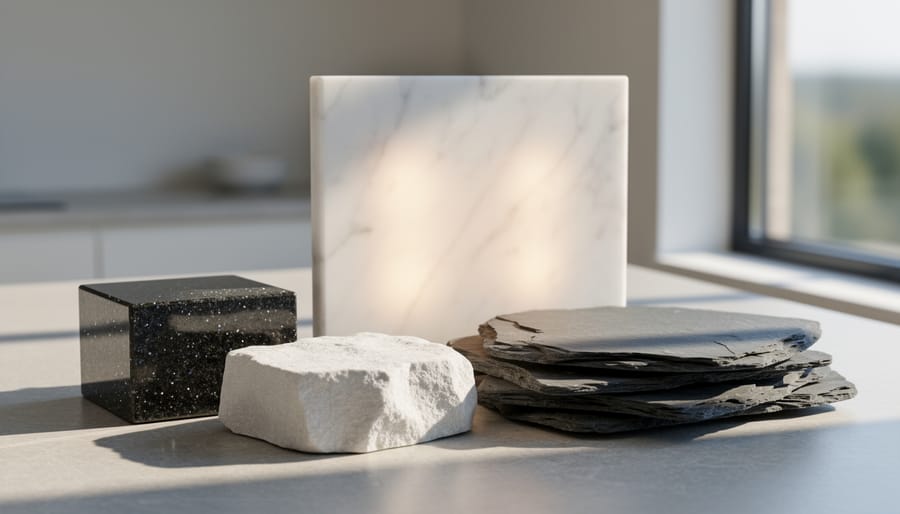
Natural stone varieties exhibit remarkably different behaviors when interacting with light, creating distinct atmospheric qualities in architectural spaces. Understanding these characteristics helps designers and homeowners select materials that align with their vision for integrative environments.
Marble stands out for its translucency, a property that allows light to penetrate the stone’s surface before reflecting back. This creates an ethereal, luminous quality that has captivated architects for millennia. White Carrara marble, for instance, can transmit light up to 40mm deep, producing a soft, diffused glow when backlit. The veining patterns within marble act as natural light guides, scattering illumination in unpredictable yet beautiful ways. Polished finishes amplify this effect by creating mirror-like reflections, while honed finishes offer gentler, more muted light diffusion.
Granite, being denser and more opaque, interacts with light differently. Rather than allowing penetration, granite reflects light from its crystalline surface structure. The mineral composition, particularly quartz and feldspar crystals, creates subtle sparkle effects as light hits different facets. Dark granites absorb significant amounts of light, anchoring spaces with depth and shadow, while lighter varieties like Kashmir White can brighten rooms through reflection. The finish dramatically impacts these qualities: a leathered texture scatters light across multiple planes, creating visual interest and reducing glare compared to polished surfaces.
Limestone offers softer, more uniform light interaction due to its fine-grained composition and typically subtle coloration. Without dramatic veining or crystalline structures, limestone creates calm, even lighting conditions. Its matte appearance naturally diffuses light, making it ideal for spaces seeking tranquility. Jerusalem limestone, commonly used in sacred architecture, exemplifies how this stone gently holds and releases ambient light throughout the day.
Travertine’s distinctive pitted surface and layered structure create unique shadow play. The natural holes and cavities capture pockets of darkness while raised surfaces catch light, producing textural depth that changes with viewing angle and light position. When filled and polished, travertine behaves more uniformly, though its characteristic banding still creates subtle light variation.
The Role of Texture and Finish in Light Dynamics
The surface treatment of natural stone fundamentally alters how light behaves within a space, creating vastly different atmospheric experiences. Understanding these distinctions empowers informed decision-making for both residential sanctuaries and commercial environments.
Polished finishes act as mirrors, reflecting light with crystalline clarity. This treatment intensifies the stone’s inherent colors and patterns while creating dynamic luminosity that shifts throughout the day. In commercial lobbies or high-end residential foyers, polished marble or granite makes dramatic statements, amplifying both natural and artificial light sources. However, this reflectivity can create glare in spaces with abundant sunlight, requiring careful orientation and supplemental lighting design.
Honed surfaces offer a softer alternative, diffusing light rather than reflecting it. This matte finish provides subtle elegance while reducing visual harshness, making it ideal for bathrooms, meditation spaces, or areas requiring calm atmospheres. The gentler light interaction creates intimacy and warmth, supporting contemplative environments where harsh reflections would disrupt tranquility.
Brushed textures introduce directionality to light play. Linear grooves catch and scatter light at specific angles, adding dimensional interest to walls and floors. This finish works exceptionally well in contemporary commercial settings where textural variation enhances architectural interest without overwhelming minimalist aesthetics.
Natural or cleft finishes preserve the stone’s raw character, creating organic light patterns through irregular surfaces. Shadows dance across these uneven planes, establishing connections to elemental landscapes. Perfect for exterior applications or interior accent walls, these finishes ground spaces in authentic materiality.
Selecting appropriate finishes requires evaluating light sources, traffic patterns, maintenance capabilities, and desired emotional responses. Polished surfaces demand more maintenance but deliver maximum visual impact, while honed and textured finishes hide wear better in high-traffic commercial applications.
Practical Applications: Creating Integrative Spaces in Your Home
Entryways and Transition Spaces
Entryways and thresholds offer powerful opportunities to create intentional transitions that honor the shift from external to internal space. Natural stone flooring in foyers establishes immediate grounding through its tactile presence and thermal properties. Consider limestone or travertine for warmer, welcoming tones, or slate and granite for dramatic, contemplative entries. The stone’s inherent weight and permanence signals arrival and encourages a moment of pause before crossing into private sanctuary.
Stone accent walls in transition spaces amplify this ritual of entry. A vertically-oriented stacked stone wall catches natural light throughout the day, creating ever-changing shadow patterns that mark time’s passage. Position these installations perpendicular to main light sources to maximize dimensional play. For smaller entryways, polished marble or onyx panels with backlighting create luminous focal points without overwhelming the space.
Lighting strategies in stone entryways should layer ambient, accent, and task illumination. Recessed ceiling fixtures provide general visibility, while directional spotlights highlight stone’s veining and texture. Consider installing linear LED strips beneath floating stone benches or within floor transitions to create subtle wayfinding cues. Dimmable systems allow residents to modulate energy levels appropriately, maintaining bright welcome for arrivals while enabling softer, meditative lighting for evening departures.
Stone thresholds themselves carry symbolic weight across cultures. A single granite or bluestone slab delineating inside from outside creates physical and psychological distinction. This deliberate material change underfoot prompts mindful transition, supporting practices of leaving worldly concerns at the door.
Bathrooms as Personal Sanctuaries
The bathroom has evolved from purely functional space to personal retreat, and natural stone plays a central role in this transformation. When water meets stone in these intimate environments, something profound occurs—the convergence of earth’s oldest elements creates spaces that nurture both body and spirit.
Marble and other natural stones possess inherent moisture resistance when properly sealed, making them ideal for wet environments. Their thermal mass absorbs and radiates warmth, creating comfortable surfaces underfoot even on cool mornings. This physical comfort translates into emotional ease, helping transform daily rituals into mindful practices.
In bathroom applications, the interplay between stone, water, and light becomes especially dynamic. Water droplets on polished marble surfaces catch and refract natural light, creating ever-changing patterns that mirror nature’s own rhythms. Backlit onyx panels glow with inner warmth, while textured slate walls add tactile depth that engages multiple senses simultaneously.
The practical benefits extend beyond aesthetics. Unlike synthetic materials, natural stone develops character over time rather than simply degrading. Its durability means bathroom sanctuaries maintain their restorative qualities for decades. Stone’s natural antibacterial properties and ease of maintenance align with wellness-focused lifestyles, reducing chemical cleaners while promoting healthier indoor environments.
Whether installed as walk-in shower walls, soaking tub surrounds, or vanity countertops, stone anchors these spaces in authenticity. The result is a bathroom that transcends utility—a personal sanctuary where daily cleansing rituals become opportunities for renewal and reflection.

Living Spaces That Center and Calm
Natural stone possesses an inherent capacity to anchor a room’s energy, creating focal points that draw the eye while settling the mind. A well-designed stone fireplace surround establishes an immediate sense of permanence and refuge, its mass and texture providing visual weight that grounds even the most open floor plan. Whether crafted from rough-hewn limestone or polished marble, these elements become meditative anchors within living spaces.
Accent walls featuring natural stone introduce varied surface textures that interact dynamically with changing light conditions. Morning sun skimming across split-face travertine reveals depth and shadow, while evening lamplight softens the same surface into a warm, textured backdrop. This evolving visual quality prevents monotony and maintains sensory interest throughout the day without demanding attention.
Flooring choices significantly impact a space’s grounding effect. Large-format stone tiles in neutral tones create visual continuity that allows the mind to rest, while the cool touch underfoot provides subtle sensory feedback. Minimalist stone applications particularly excel at creating this calming effect, where clean lines and simple patterns avoid visual clutter.
The interplay between stone and lighting deserves careful consideration. Natural stone’s reflective properties vary dramatically by finish and type. Honed surfaces diffuse artificial light gently, while polished finishes amplify both natural daylight and strategic accent lighting, creating brightness without harshness. Understanding these interactions enables designers to craft spaces that feel balanced and centered regardless of the hour.

Outdoor Integration: Patios and Garden Features
Extending stone’s spiritual presence beyond interior walls creates profound connections between built and natural environments. Patios crafted from limestone or bluestone develop rich patinas as rain, sun, and organic matter gradually transform their surfaces. This weathering process becomes a visual meditation on time’s passage, with each season leaving subtle marks that deepen the stone’s character and ground occupants in nature’s rhythms.
Garden pathways featuring flagstone or decomposed granite guide contemplative walks while reflecting changing light throughout the day. Morning dew highlights stone’s crystalline structure, midday sun warms thermal mass that radiates evening comfort, and moonlight reveals ethereal qualities invisible during daylight hours. These evolving interactions foster awareness of celestial cycles and environmental shifts.
Natural stone water features amplify spiritual resonance through sound and reflection. Basalt fountains or sandstone cascades create acoustic environments that mask urban noise while their surfaces catch and fracture light, transforming ordinary gardens into dynamic spaces for reflection. The combination of weathered stone, living plants, and natural illumination establishes outdoor sanctuaries where material permanence meets organic transformation.
Selecting the Right Stone for Spiritual Resonance
Matching Stone Characteristics to Your Vision
Before selecting stone, clarify the emotional atmosphere you want to create. Begin by identifying your space’s purpose and the feelings you want to evoke. A meditation room requires different characteristics than an active family gathering space.
Stone color temperature fundamentally shapes spatial energy. Cool-toned stones like white Carrara or gray limestone create calm, contemplative environments ideal for focused work or relaxation. Warm-toned materials including travertine, gold-veined marble, or beige limestone generate welcoming, energizing atmospheres suitable for social spaces.
Evaluate pattern intensity next. Dramatic veining commands attention and creates visual energy, perfect for feature walls or statement pieces where you want eyes drawn. Subtle, uniform patterns provide grounding consistency that allows other elements to shine while maintaining sophisticated presence.
Consider reflective qualities carefully. High-polish finishes maximize light reflection, amplifying brightness and creating expansive feelings in smaller spaces. Honed or leathered finishes absorb light, producing intimate, grounded atmospheres that encourage introspection.
Create a vision statement for your space. Ask yourself: Should this environment energize or calm? Expand or cocoon? Inspire contemplation or conversation? Your answers guide stone selection toward materials that authentically support your intentions rather than following trends that may conflict with your vision. This intentional approach ensures your stone choice becomes a functional element of your space’s spiritual and practical purpose.
Sustainability as Spiritual Practice
Choosing natural stone reflects a commitment to environmental stewardship that extends beyond aesthetics. Stone’s remarkable lifecycle demonstrates sustainability in practice—formed over millions of years through geological processes, it requires minimal processing compared to manufactured alternatives. Unlike synthetic materials that demand energy-intensive production and chemical treatments, stone arrives nearly finished from the quarry, needing only cutting and polishing.
This ancient material’s longevity further reinforces its environmental credentials. A properly installed stone floor or countertop can last centuries, eliminating the waste cycle of replacement that plagues synthetic products. When stone eventually reaches the end of its functional life, it returns harmlessly to the earth without releasing toxins or requiring special disposal methods.
Mindful consumption becomes tangible when selecting materials that honor both human needs and planetary health. Stone embodies this balance—its extraction supports local economies, its durability reduces long-term resource consumption, and its timeless beauty transcends temporary trends. By incorporating stone into living spaces, we practice sustainability as a daily spiritual discipline, creating environments that respect natural cycles while enriching human experience.
Real-World Case Studies: Spaces That Embody Integration
The following documented projects demonstrate how thoughtful integration of natural stone and lighting design creates spaces that transcend mere aesthetic appeal, fostering environments conducive to reflection, healing, and connection.
The Sanctuary Wellness Center in Scottsdale, Arizona, exemplifies this integration through its meditation hall, where designers specified book-matched Calacatta marble for a 20-foot feature wall. The stone’s dramatic veining creates organic patterns that shift throughout the day as natural light enters through carefully positioned clerestory windows. The design team collaborated with lighting specialists to install adjustable LED systems with color temperatures ranging from 2700K to 4000K, allowing practitioners to modify the ambiance for different activities. Director Sarah Chen reports that 87% of members surveyed mentioned the space’s calming quality as their primary reason for continued membership. “People tell us they feel the room breathing with them,” Chen notes. “The marble becomes almost luminous during sunset sessions, creating an experience our members describe as transformative.”
Northshore Executive Offices in Vancouver transformed their lobby using locally-sourced soapstone arranged in geometric patterns across floors and accent walls. Rather than uniform overhead lighting, the architecture firm implemented a layered approach with recessed fixtures highlighting the stone’s natural variations, supplemented by large windows maximizing views of the surrounding forest. The stone’s inherent warmth and subtle movement absorb excess sound while reflecting diffused light throughout the 2,500-square-foot space. Principal architect Michael Zhao explains that employee stress assessments showed a 34% reduction in reported tension after the renovation. “The stone grounds people immediately when they enter,” Zhao observes. “Combined with the natural light penetration, it’s created an unexpectedly peaceful environment for what is essentially a corporate setting.”
The Mountain View Residence in Telluride, Colorado, showcases integration in a private setting. Homeowners commissioned a living space featuring locally-quarried sandstone walls that extend from interior to exterior, blurring boundaries between built and natural environments. South-facing windows flood the stone surfaces with daylight, while evening illumination comes from hidden linear fixtures that graze the stone’s textured surface, emphasizing its geological history. The residents credit the design with improving their sleep quality and reducing seasonal affective disorder symptoms during Colorado’s long winters. “Living with stone and natural light has fundamentally changed how we experience our home,” they shared. “There’s a presence to the space that feels ancient and calming simultaneously.”
These projects illustrate that integrative spirituality in design isn’t abstract philosophy but achievable through deliberate material selection and lighting strategies that honor stone’s inherent qualities while addressing human psychological needs.
The relationship between natural stone, light, and human experience represents more than aesthetic design—it embodies a fundamental approach to creating spaces that nurture our connection to both the material and immaterial aspects of existence. Integrative spirituality through stone isn’t reserved for grand architectural statements or luxury renovations. Whether you’re selecting a single marble threshold, designing a contemplative water feature, or reimagining an entire living space, the principles remain constant: intentionality, material authenticity, and respect for the interplay between substance and illumination.
Consider your own environment through this lens. Where does natural light enter your space? How might a carefully positioned stone element transform that interaction? A limestone windowsill can become a meditation on daily rhythms as sunlight traces its fossil-embedded surface throughout the day. A granite countertop positioned to catch morning light creates a grounding ritual point for beginning each day. Even a simple slate tile or river stone placed thoughtfully can anchor awareness and invite presence.
This approach democratizes meaningful design. You don’t need extensive resources or professional intervention to begin—just curiosity about how natural materials respond to their surroundings and a willingness to observe. Start small. Notice how existing stone in your space changes throughout the day. Consider one intentional addition that honors both the material’s geological story and your personal journey.
The stones themselves have waited millennia for this moment of connection. By bringing conscious awareness to their placement and illumination, we participate in an ongoing dialogue between earth, light, and human experience—a practical spirituality expressed through the most ancient and enduring materials available to us.