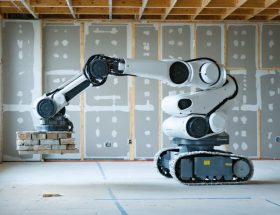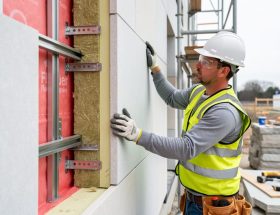

Modern stone fabrication techniques have transformed architectural and design possibilities through precision technologies that reduce material waste by up to 40% while achieving tolerances within millimeters. Waterjet cutting systems slice through granite, marble, and quartzite without generating heat, preserving stone integrity and enabling intricate patterns impossible with traditional methods. CNC machining automates complex three-dimensional carving, producing consistent results across large production runs while reducing labor costs and project timelines by 30-50%. Digital templating eliminates measurement errors through laser scanning that captures exact dimensions, ensuring perfect fits for countertops, cladding, and custom installations.
These innovations address critical industry challenges: minimizing expensive material waste, accelerating project delivery, and expanding creative possibilities for architects and designers. Bridge saw technology with multi-axis capabilities processes slabs faster while maintaining surgical precision for mitered edges and book-matched patterns. Advanced diamond tooling extends cutting life and produces polished edges that require minimal finishing work, directly reducing fabrication costs passed to consumers and commercial clients.
Understanding these cutting-edge methods helps professionals specify appropriate techniques for specific applications, whether residential kitchen installations or large-scale commercial facades. The convergence of automation, precision measurement, and computer-aided design has elevated stone from a traditional building material to a versatile medium capable of executing the most ambitious architectural visions while delivering measurable economic and timeline benefits.
Waterjet Cutting: Precision Without the Heat

Why Waterjet Technology Matters for Complex Designs
Waterjet technology has revolutionized stone fabrication by making intricate designs that were once impossible or economically unfeasible now readily achievable. Unlike traditional blade cutting, waterjets use a high-pressure stream of water mixed with abrasive particles to cut through stone with remarkable precision, following programmed paths that can execute tight curves, delicate patterns, and complex geometries without cracking or chipping the material.
This capability opens extraordinary design possibilities for custom countertops and other stone applications. Medallions featuring intricate floral or geometric patterns can be precisely cut and assembled from multiple stone types, creating stunning focal points in entryways or living spaces. Mosaic inlays that once required weeks of hand-cutting can now be produced in days, with pieces fitting together seamlessly. Custom edge profiles extend beyond standard bevels and ogees to include flowing organic shapes, decorative cutouts, and personalized motifs that reflect individual style.
The technology particularly excels at creating bookmatched patterns where mirror-image stone pieces align perfectly, and at producing curved edges for kitchen islands or bathroom vanities that follow architectural lines rather than forcing designs into straight constraints. Fabricators can now incorporate company logos, family crests, or artistic designs directly into stone surfaces with millimeter-level accuracy. What once required master craftsmen spending countless hours can now be achieved through digital design and automated cutting, making these premium design features accessible at more competitive price points while maintaining exceptional quality and detail.
CNC and Wire Saw Systems: The Marriage of Automation and Accuracy
From Quarry to Finished Product: Efficiency Gains Throughout the Supply Chain
Modern stone cutting begins long before material reaches the fabrication shop. At the quarry level, wire saw technology has revolutionized extraction methods, creating efficiency gains that ripple throughout the entire supply chain.
Traditional quarrying methods produced irregular blocks with significant material loss during extraction. Wire saws, which use diamond-impregnated cables running at high speeds, allow operators to make precise cuts deep within rock formations. This precision enables extraction of larger, more uniform blocks with minimal fracturing and waste. The result is better raw material utilization—often improving yield by 20-30% compared to conventional blasting or drilling methods. For the end user, this translates to more consistent material quality and often lower costs due to reduced waste.
Once extracted blocks reach fabrication facilities, CNC (Computer Numerical Control) machines complete the efficiency transformation. These systems eliminate the traditional workflow of creating physical templates, manual marking, and hand-guided cutting. Instead, designers create digital models that CNC machines execute with submillimeter accuracy.
The impact on lead times is substantial. Projects that once required weeks of templating, cutting, and refinement now move from design approval to installation in days. A kitchen countertop project, for example, can progress from initial measurements to finished product in as little as 48-72 hours with CNC fabrication, compared to the traditional 2-3 week timeline.
Cost reduction extends beyond labor savings. Digital precision means fewer cutting errors, less material waste, and minimal need for corrective work. Industry data suggests CNC fabrication reduces material waste by 15-25% compared to manual methods, while simultaneously improving edge quality and reducing the need for secondary finishing operations. These combined efficiencies make natural stone increasingly competitive with manufactured alternatives while maintaining its timeless appeal and durability.
Laser-Guided Cutting: Millimeter-Perfect Results
Thin Stone Veneers: A Game-Changer for Modern Architecture
Laser-guided cutting technology has transformed the stone industry by enabling the creation of ultra-thin stone veneers as slim as 3-10mm thick, dramatically expanding what’s possible in contemporary design. This precision thin stone veneer production maintains the authentic beauty of natural stone while delivering practical advantages that traditional thick slabs simply cannot match.
The structural benefits are significant. Lightweight stone panels reduce building load requirements by up to 80% compared to conventional stone installations, allowing architects to clad surfaces that couldn’t previously support heavy materials. This opens design possibilities for high-rise facades, interior feature walls, and renovations of older structures with weight limitations. Elevator interiors, furniture surfaces, and even curved applications become viable options when stone weighs a fraction of its traditional mass.
Transportation and installation costs drop substantially with thin veneers. Shipping lighter materials reduces fuel consumption and logistical expenses, while installers can handle panels more easily and safely. The reduced weight also means simpler mounting systems and faster installation times, lowering overall project costs without compromising the luxurious appearance of natural stone.
Laser-guided cutting ensures each veneer maintains consistent thickness throughout, preventing weak spots and ensuring reliable performance. The technology preserves the stone’s natural veining, color variations, and texture, delivering authentic aesthetics in a modern, efficient format that meets today’s architectural demands for both beauty and practicality.

3D Modeling and Digital Templating: Cutting Mistakes Before They Happen
Before a single blade touches stone, digital technology is revolutionizing how fabricators plan and execute cuts. Through 3D modeling and digital templating, what once required multiple site visits and physical templates can now be accomplished with precision scanning technology and sophisticated software, fundamentally changing the relationship between design intent and final installation.
The process begins with laser scanning or photogrammetry to capture exact measurements of installation spaces. These digital scans create three-dimensional models accurate to within millimeters, accounting for walls that aren’t perfectly plumb, floors with subtle variations, and architectural details that traditional measuring methods might miss. Fabricators then use specialized software to design stone layouts virtually, testing different configurations and cuts before committing to physical material.
This digital-first approach delivers measurable benefits. Material waste drops significantly when fabricators can optimize cutting patterns in a virtual environment, identifying the most efficient use of each slab. Complex projects, such as curved countertops, intricate backsplashes, or radius work around columns, benefit enormously from virtual modeling that ensures all pieces will fit precisely during installation. One fabricator reported reducing installation callbacks by 80 percent after implementing digital templating, as fit issues are resolved in the design phase rather than discovered on-site.
For clients, the advantages extend beyond technical precision. Digital models allow visualization of the final result before fabrication begins, including how veining patterns will flow across seams and how different stone selections will appear in their actual space. This preview capability reduces buyer’s remorse and enables confident decision-making about material selection and layout options.
The technology also facilitates collaboration between architects, designers, and fabricators. Digital files can be shared instantly, modifications implemented in real-time, and complex installations coordinated with other trades. When paired with CNC cutting equipment, these digital templates translate directly into machine instructions, ensuring the physical cuts match the approved design with exceptional fidelity. This seamless workflow from concept to completion represents perhaps the most significant advancement in stone fabrication accuracy in recent decades.

Environmental Benefits of Modern Cutting Techniques
Modern cutting technologies are transforming natural stone production into an increasingly sustainable operation, addressing environmental concerns while maintaining quality. These innovations build upon natural stone’s inherent sustainability advantages as a durable, naturally occurring material.
Water conservation represents one of the most significant environmental improvements. Traditional stone cutting requires substantial water for cooling and dust suppression. Contemporary systems now incorporate closed-loop water recycling that captures, filters, and reuses up to 95% of water during cutting operations. This dramatic reduction in water consumption makes stone fabrication more environmentally responsible, particularly in regions facing water scarcity.
Energy efficiency has also improved considerably. Computer-controlled cutting systems optimize blade paths and speeds, eliminating unnecessary movements and reducing power consumption by up to 30% compared to conventional methods. Waterjet technology, while water-intensive, operates without the heat generation of diamond blades, requiring less overall energy input for comparable cutting tasks.
Material waste reduction further enhances sustainability credentials. Precision cutting technologies maximize yield from each stone block, with advanced software calculating optimal cut patterns that minimize offcuts. Some facilities now achieve waste rates below 5%, with remaining fragments finding uses in smaller projects, aggregate, or landscape applications rather than ending up in landfills.
The ability to produce thinner slabs without compromising structural integrity represents another environmental benefit. Modern cutting techniques can reliably produce slabs as thin as 10-12mm, reducing material extraction needs while making stone lighter for transportation. This translates to lower fuel consumption during shipping and reduced carbon emissions throughout the supply chain, demonstrating how technological innovation and environmental stewardship increasingly align in the natural stone industry.
What These Innovations Mean for Your Next Stone Project
The latest innovations in stone cutting technology translate directly into tangible benefits for your next project, whether you’re renovating a kitchen, designing a commercial space, or specifying materials for a custom home.
The efficiency gains from advanced cutting methods often result in surprisingly favorable cost implications. Waterjet and CNC technologies reduce material waste significantly—sometimes by 30% or more—which means fabricators can pass those savings along to you. Additionally, faster cutting times reduce labor costs, making complex designs more accessible without premium pricing. What once required days of manual work can now be completed in hours, lowering overall project expenses while maintaining superior quality.
Design possibilities have expanded exponentially with these cutting-edge techniques. Intricate patterns that were previously impossible or prohibitively expensive are now achievable. Think seamless book-matched slabs with perfectly aligned veining, custom inlays combining multiple stone types, or three-dimensional textured surfaces that add architectural interest. Architects and designers can now specify curves, angles, and detailed edge profiles with confidence, knowing modern equipment can execute their vision precisely.
Project timelines have compressed dramatically. Advanced cutting technology means your stone countertops, flooring, or wall cladding can move from template to installation in significantly less time. This acceleration is particularly valuable for commercial projects with tight deadlines or renovations where minimizing disruption is crucial.
When selecting a fabricator, ask specific questions about their equipment and capabilities. Inquire whether they use CNC machinery, waterjet cutting, or laser technology. Request examples of complex projects they’ve completed and ask about their digital templating process. Fabricators invested in advanced technology typically provide more accurate quotes, detailed 3D renderings of your project, and better communication throughout the process. They should be able to explain how their equipment will benefit your specific application and provide realistic timelines based on their technological capabilities rather than vague estimates.
Innovative cutting concepts have fundamentally transformed natural stone from a premium material with significant limitations into an accessible, versatile option for virtually any design application. These technological advances address the traditional barriers that once restricted stone use: high costs, lengthy lead times, design constraints, and installation challenges. Through waterjet precision, CNC automation, bridge saw efficiency, and wire saw capabilities, fabricators now deliver complex designs at competitive prices while maintaining the exceptional quality standards the industry demands.
The beauty of these innovations lies not in replacing stone’s inherent qualities, but in enhancing accessibility to them. Natural stone still offers the same timeless aesthetic appeal, unmatched durability, and unique character that has made it a coveted material for centuries. Today’s cutting technologies simply remove the obstacles that prevented more widespread adoption, allowing designers to specify stone with confidence and homeowners to enjoy it without prohibitive expenses.
Looking forward, continued refinement of these cutting concepts promises even greater possibilities. As technologies evolve and become more efficient, natural stone will solidify its position as a practical, sustainable choice for residential and commercial projects alike. The future of stone in design and architecture has never been brighter or more accessible.