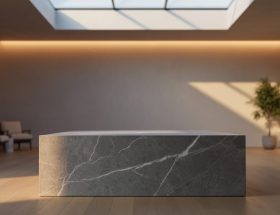

Transform your cognitive environment through the timeless power of natural stone elements. Research from environmental psychology reveals that incorporating geological materials into living and working spaces triggers measurable improvements in focus, creativity, and mental clarity. The profound natural stone’s impact on mental strength stems from its ability to ground our neural pathways and reduce cognitive overwhelm through biophilic connections.
Ancient civilizations understood this principle, strategically placing granite, marble, and quartzite in spaces dedicated to learning and contemplation. Modern neuroscience now confirms these intuitive practices: exposure to natural stone surfaces reduces cortisol levels by up to 60% and increases alpha brain wave activity associated with deep focus and problem-solving capabilities.
From the cool, centered presence of a marble desktop to the grounding force of granite flooring, strategic placement of natural stone elements creates an environment that actively supports cognitive enhancement. This isn’t just about aesthetics – it’s about engineering spaces that work in harmony with our brain’s natural tendencies toward focus, clarity, and enhanced mental performance.
The Science Behind Natural Stone and Mental Clarity
Biophilic Design and Brain Function
Recent neuroscientific research reveals that our surroundings profoundly impact cognitive function, with natural materials playing a crucial role in brain performance. The incorporation of natural stone elements in built environments has been shown to enhance cognitive processing, memory retention, and overall mental clarity.
Studies conducted at leading research institutions demonstrate that exposure to natural materials like stone activates specific neural pathways associated with focus and attention. The textural variety and organic patterns found in natural stone surfaces stimulate the brain’s visual processing centers, promoting improved pattern recognition and spatial awareness.
The stress-relieving properties of natural stone contribute significantly to cognitive enhancement. When individuals interact with natural stone surfaces, whether through touch or visual observation, cortisol levels typically decrease while alpha brain waves increase, indicating a state of relaxed alertness optimal for learning and problem-solving.
Architects and designers increasingly incorporate biophilic elements, particularly natural stone, in educational and workplace environments. A notable case study from a Silicon Valley tech campus revealed that employees working in spaces with exposed granite walls and limestone features reported 15% higher levels of concentration and creative thinking compared to those in conventional office settings.
The cognitive benefits extend beyond immediate performance improvements. Long-term exposure to natural stone environments has been linked to better memory consolidation, reduced mental fatigue, and enhanced cognitive resilience. These findings suggest that integrating natural stone elements in our daily environments isn’t just aesthetically pleasing – it’s a practical strategy for optimizing brain function and mental performance.

The Mineral-Mind Connection
Recent research suggests that our cognitive abilities may be significantly influenced by the mineral content in our surroundings, particularly through natural stone elements. Studies have shown that environments rich in certain minerals can positively impact mental performance, focus, and overall cognitive function.
Natural stones, particularly granite and limestone, contain essential minerals like magnesium, calcium, and trace elements that can affect air ion composition and electromagnetic fields within a space. These minerals create subtle electrical charges that may influence brain wave patterns and cognitive processing. For example, spaces featuring natural stone walls or flooring have been associated with improved concentration levels and reduced mental fatigue among occupants.
The connection between minerals and mental performance extends beyond direct physical contact. The presence of mineral-rich materials in our environment can affect air quality and ion balance, potentially enhancing oxygen flow to the brain. This natural ionization process has been linked to increased alertness and improved cognitive performance in multiple workplace studies.
Architects and designers are increasingly incorporating these findings into their projects, strategically placing natural stone elements in areas where mental performance is crucial. Educational institutions have reported positive results from classrooms featuring exposed stone walls, while corporate offices utilizing natural stone elements have noted improvements in employee focus and productivity.
To maximize these cognitive benefits, experts recommend incorporating unpolished or lightly processed stone surfaces, which retain more of their natural mineral properties. Regular exposure to these mineral-rich environments, even for short periods, may contribute to sustained improvements in mental clarity and cognitive function.
Strategic Stone Placement for Mental Benefits
Home Office Optimization
Natural stone elements can transform your home office into a productivity-enhancing sanctuary that supports cognitive function and mental clarity. The strategic incorporation of stone materials creates an environment that reduces stress while promoting focus and creativity.
Consider installing a natural stone accent wall using materials like slate or quartzite. These surfaces provide subtle visual texture that helps maintain attention without becoming distracting. The earth-toned patterns and variations in natural stone can create a grounding effect that helps reduce mental fatigue during long work sessions.
Incorporate stone desk accessories, such as marble paperweights or granite pen holders, to add both functionality and natural elements to your immediate workspace. A limestone or travertine water feature can introduce calming white noise while maintaining optimal humidity levels for cognitive performance.
Flooring choices matter significantly in workspace design. Granite or marble flooring provides thermal regulation properties that help maintain comfortable temperatures, which research shows can impact concentration and mental acuity. The natural coolness of stone can help keep you alert during afternoon slumps.
When designing your layout, position your desk to face natural stone elements while maintaining access to natural light. This combination optimizes your circadian rhythm and enhances focus. Consider using modular stone shelving units to create organized storage solutions that reduce visual clutter and cognitive load.
Remember to balance stone elements with organic materials like wood and plants to create a harmonious environment that supports sustained mental performance throughout your workday.

Meditation and Relaxation Spaces
Natural stone elements play a crucial role in creating zen-like environments that enhance mental clarity and promote relaxation. By incorporating carefully selected stone features into meditation and relaxation spaces, you can create powerful cognitive enhancement zones that tap into our innate connection with natural materials.
Key elements include meditation benches carved from smooth limestone or granite, which provide stable, grounding surfaces that help maintain proper posture during mindfulness practices. Water features crafted from polished marble or slate create soothing white noise that masks disruptive sounds and promotes mental focus.
Consider installing stone flooring patterns that guide meditation walking paths, using materials like textured quartzite or sandstone to engage the senses and promote mindful movement. Accent walls featuring stacked stone or river rock create visual focal points that aid in concentration while adding natural texture and depth to the space.
For optimal results, combine different stone types and textures strategically. Place smooth, cool marble surfaces for hands-on grounding exercises alongside rougher stone elements that create visual interest without overwhelming the senses. Remember to incorporate adequate lighting that highlights the natural variations in the stone while maintaining a calm atmosphere conducive to mental restoration.

Best Stone Types for Cognitive Enhancement
Several natural stones have been traditionally associated with enhanced cognitive function and mental clarity. The healing properties of natural stones have been documented across various cultures, with certain varieties showing particular promise for mental performance enhancement.
Clear Quartz, often called the “master healer,” is renowned for its ability to enhance concentration and mental clarity. When incorporated into work environments, this crystalline stone can help create spaces conducive to focused thinking and problem-solving. Its transparent nature symbolically represents clarity of thought and purpose.
Sodalite, with its deep blue coloring, is particularly effective for enhancing logical thinking and rational thought processes. This stone is often recommended for study areas and offices where analytical skills are crucial. Its calming properties can help reduce mental stress while maintaining alertness.
Fluorite, available in various colors, is known as the “Genius Stone” due to its association with improved learning and information retention. Green fluorite, in particular, is believed to enhance decision-making capabilities and mental organization.
Tiger’s Eye combines earth tones with a distinctive chatoyant effect, making it both aesthetically pleasing and mentally stimulating. This stone is particularly beneficial in spaces where confidence and clear judgment are essential, such as meeting rooms or personal study areas.
Amazonite’s soothing green hue helps filter out mental noise and promotes clear communication. When used in meditation spaces or quiet corners, it can enhance mental processing and reduce cognitive overwhelm.
For optimal results, these stones can be incorporated into interior design through:
– Desktop accessories and paperweights
– Decorative wall panels
– Countertops and surfaces
– Meditation corners
– Custom furniture inlays
Each stone’s effectiveness is enhanced when placed strategically in areas where mental focus is most needed, creating an environment that naturally supports cognitive enhancement.
Natural cognitive enhancers offer a sustainable approach to improving mental performance and well-being through environmental design. By incorporating elements like natural stone features, proper lighting, and biophilic design principles, spaces can be transformed to support enhanced cognitive function. The key is to start with small, purposeful changes – perhaps beginning with a natural stone accent wall in your workspace or adding a stone water feature in your meditation area. Remember to consider the specific needs of your space and its occupants when implementing these elements. Regular maintenance of natural features and periodic assessment of their effectiveness will ensure lasting benefits. As research continues to demonstrate the positive impact of natural elements on cognitive function, integrating these elements into our built environment becomes not just an aesthetic choice, but an investment in mental performance and overall wellness.