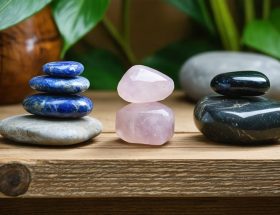

Delve into the fascinating world of mood stones, where ancient thermochromic technology meets modern wellness practices. These captivating crystals, deeply rooted in ancient healing traditions, aren’t actually stones at all, but sophisticated liquid crystal compounds sealed within decorative casings. Primarily composed of thermotropic liquid crystals, these remarkable pieces respond to subtle changes in body temperature, creating a mesmerizing display of colors that reflect the wearer’s thermal state. While often marketed as mood readers, their scientific composition reveals a precise interplay of engineering and aesthetics: a specialized mixture of liquid crystals calibrated to change molecular structure at specific temperature points, all encased within durable glass or quartz housing. This fusion of chemistry and craftsmanship has captivated people for decades, offering a unique blend of scientific wonder and decorative appeal.
The Core Components of Mood Stones
Primary Minerals and Crystals
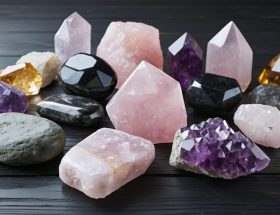
Mood stones primarily consist of thermochromic liquid crystals encased within quartz or glass materials. The base crystal structure typically features clear quartz as the main component, providing durability and stability to the stone. While natural crystals like amethyst and rose quartz are sometimes incorporated for aesthetic appeal, these serve mainly as decorative elements rather than functional components.
The crystalline matrix that gives mood stones their color-changing properties is actually a sophisticated blend of organic compounds, including cholesteryl esters and liquid crystals. These materials are carefully arranged in layers within the stone’s structure, allowing them to respond to temperature changes by altering their molecular organization.
Some premium mood stones incorporate additional minerals like tourmaline or moonstone to enhance their visual appeal. However, it’s important to note that these supplementary crystals don’t contribute to the stone’s color-changing properties. The true magic happens in the liquid crystal layer, which is sandwiched between protective crystalline or glass layers to ensure longevity and consistent performance.
The quality of the primary minerals used directly affects the stone’s durability and clarity of color transitions, making material selection crucial in manufacturing.

Formation Process
Mood stones, despite their name, aren’t formed through traditional geological processes like other natural stones. Instead, they are manufactured using liquid crystals encased in quartz or glass. These liquid crystals are thermotropic, meaning they change their molecular structure in response to temperature variations.
The manufacturing process begins with the creation of a specialized liquid crystal solution, which is then carefully sealed within a clear stone-like casing. This casing is typically made from glass or quartz that has been cut and polished to resemble natural gemstones. The liquid crystals are arranged in specific patterns that allow them to reflect different wavelengths of light when exposed to varying temperatures.
The key to their color-changing properties lies in the precise arrangement of these liquid crystal molecules. When temperature changes occur, these molecules twist and reorganize themselves, creating different spacing between their layers. This molecular reorganization affects how light waves interact with the crystals, resulting in the visible color changes that make mood stones so fascinating.
Unlike natural stones that form over millions of years through heat and pressure, mood stones are a modern invention that combines scientific principles with aesthetic appeal.
How Mood Stones Interact with Environment
Temperature Sensitivity
The temperature sensitivity of mood stones is what gives them their captivating color-changing properties. These stones contain thermochromic liquid crystals that respond to even slight changes in temperature, typically between 25°C and 40°C (77°F to 104°F). When heat from your body or the environment reaches the stone, it causes the liquid crystals to twist and reorganize their molecular structure, affecting how they reflect light.
At cooler temperatures, the crystals are more tightly packed, causing the stone to appear darker, often showing deep blues or purples. As the temperature rises, the crystal structure expands, creating a spectrum of colors from green to amber, and eventually to warm reds at higher temperatures. This sensitivity is so precise that mood stones can detect temperature variations as small as 0.5°C.
Environmental factors like air conditioning, direct sunlight, or cold water can dramatically affect the stone’s appearance. For optimal color-changing performance, mood stones should be kept at room temperature and handled regularly, as extreme temperatures can permanently damage the liquid crystal structure.

Environmental Factors
Environmental conditions play a crucial role in how mood stones display their colors and maintain their functionality. Humidity levels significantly affect these stones, as excessive moisture can temporarily alter their temperature-reactive properties. When exposed to high humidity, the liquid crystals within the stone may respond more slowly to temperature changes, potentially affecting their color-changing capabilities.
Direct sunlight and extreme temperatures can also impact mood stones. Prolonged exposure to intense UV rays may cause the liquid crystals to degrade over time, leading to less vibrant color changes. It’s recommended to store mood stones at room temperature, away from direct sunlight and heat sources, to maintain their optimal performance.
Air conditioning and heating systems can influence mood stone readings as well. Sudden temperature changes in your environment might cause rapid color shifts that don’t necessarily reflect your body temperature or mood accurately. For the most reliable results, use mood stones in a stable environment with moderate temperature and humidity levels.
To preserve your mood stone’s longevity, avoid exposing it to harsh chemicals, extreme temperature fluctuations, or submerging it in water for extended periods. When properly maintained in suitable environmental conditions, mood stones can retain their color-changing properties for many years.
Therapeutic Properties and Applications
Physical Properties
Mood stones exhibit distinct physical characteristics that contribute to their effectiveness in influencing spatial atmosphere. These stones typically feature smooth, polished surfaces that reflect light and create visual interest within a space. The natural variations in color, pattern, and texture make each piece unique, adding character to interior environments.
The density and thermal mass of mood stones play crucial roles in their functionality. These properties allow the stones to maintain stable temperatures and gradually release stored heat or coolness, contributing to the stress relief properties of stones in therapeutic settings.
Most mood stones feature a crystalline structure that affects how they interact with light. This crystalline composition creates subtle plays of light and shadow, which can enhance the stone’s mood-altering capabilities. The stones’ natural porosity levels also influence their interaction with ambient moisture and air quality, potentially affecting the overall atmosphere of a space.
The size and weight of mood stones vary significantly, from small portable pieces to larger architectural elements. This versatility allows for diverse applications, from personal wellness tools to integrated design features. The stones’ natural durability ensures they maintain their beneficial properties over time, making them a lasting investment in both residential and commercial spaces.
Integration in Interior Design
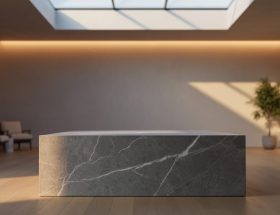
Mood stones have become increasingly popular in modern interior design, offering a unique blend of aesthetic appeal and dynamic visual interest. These versatile elements can be incorporated into various spaces, from residential homes to commercial environments, adding an interactive and engaging dimension to the decor.
In residential settings, mood stones are frequently used in meditation corners, bathrooms, and living spaces to create a zen sanctuary. Designers often integrate them into custom wall features, tabletop displays, or as accent pieces in lighting fixtures. The stones’ color-changing properties create an ever-evolving aesthetic that responds to temperature variations, making them particularly effective in spaces with varying environmental conditions.
Commercial applications include reception areas, spa environments, and wellness centers, where mood stones serve both decorative and interactive purposes. Large-scale installations featuring these stones can become striking focal points, while smaller applications work well in intimate spaces like treatment rooms or meditation areas.
When incorporating mood stones into interior design, consider factors such as ambient temperature, lighting conditions, and surrounding materials. The stones work particularly well when paired with natural elements like wood, water features, or other stone varieties. Their ability to shift colors adds an element of surprise and conversation, making them excellent choices for spaces designed to encourage interaction and engagement.

Selection and Care Guidelines
When selecting a mood stone, pay attention to the quality of the liquid crystal material and the transparency of the glass or quartz casing. High-quality mood stones should display smooth, gradual color transitions and maintain consistent temperature sensitivity. Look for pieces with secure settings and no visible air bubbles or imperfections in the crystal cavity.
To ensure your mood stone’s longevity, avoid exposing it to extreme temperatures. While these stones are designed to react to body heat, prolonged exposure to direct sunlight or very cold conditions can damage the liquid crystal structure. Store your mood stone at room temperature when not in use, and keep it away from water to prevent potential leakage or damage to the setting.
Clean your mood stone gently using a soft, dry cloth. Avoid using harsh chemicals or ultrasonic cleaners, as these can affect the stone’s temperature-sensitive properties. If your mood stone is set in jewelry, remove it before swimming, showering, or engaging in strenuous activities that might cause impact damage.
Regular inspection of your mood stone is essential. Check for any signs of leakage, cloudiness, or separation in the liquid crystal material. If you notice any changes in the stone’s responsiveness or color-changing properties, this may indicate deterioration of the liquid crystal mixture.
For optimal performance, handle your mood stone with clean hands to prevent oils and debris from affecting its surface. When wearing mood stone jewelry, put it on after applying lotions or perfumes to maintain its pristine condition and ensure accurate temperature readings.
Mood stones, while often marketed as mystical accessories, are fundamentally sophisticated thermochromic materials that respond to temperature changes through liquid crystal technology. These fascinating pieces combine scientific principles with aesthetic appeal, making them both decorative and functional temperature indicators. Understanding their composition of thermotropic liquid crystals and protective casing helps users better appreciate and care for these pieces. Whether used as conversation pieces, stress indicators, or decorative elements, mood stones offer a unique blend of chemistry and design. Their enduring popularity in jewelry and decorative applications speaks to their versatility and visual appeal. With proper care and awareness of their temperature-sensitive nature, mood stones can provide years of color-changing entertainment while serving as remarkable examples of how science can create everyday magic.