Natural stone’s timeless beauty comes with a crucial caveat: its porous surface readily absorbs liquids, making it vulnerable to unsightly stains and permanent damage. Understanding how different stones react to common substances – from red wine to olive oil – determines the success of your staining project and long-term maintenance strategy.
Professional stone artisans have perfected the art of intentional staining to create stunning aesthetic effects, while simultaneously developing advanced techniques to protect against unwanted discoloration. This delicate balance between artistic enhancement and preservation requires intimate knowledge of stone composition, chemical reactions, and proper sealing methods.
Modern stone staining has evolved beyond traditional acid-based techniques to include eco-friendly options and innovative color enhancement technologies. Whether you’re planning to deliberately stain stone for decorative purposes or seeking to prevent accidental staining, the key lies in preparation, product selection, and precise application methods.
This comprehensive guide explores both the creative potential and protective aspects of stone staining, equipping you with professional-grade knowledge to transform and preserve your natural stone surfaces.
Understanding Your Stone’s Vulnerability
Porosity Matters
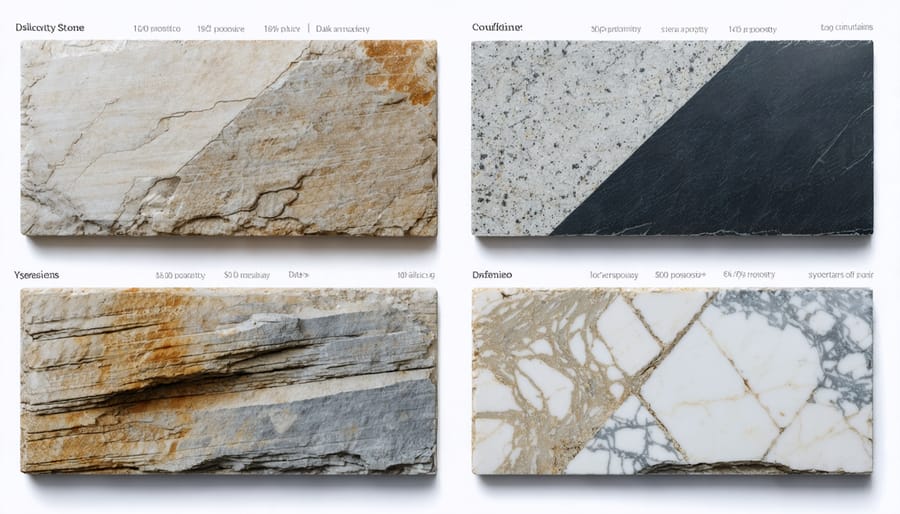
The susceptibility of natural stone to staining is directly linked to its porosity – the measure of void spaces within the material’s structure. These microscopic pores act like tiny channels, allowing liquids and other substances to penetrate the stone’s surface. More porous stones, such as limestone and sandstone, are particularly vulnerable to absorption and subsequent stone deterioration, while dense materials like granite offer better natural resistance.
Understanding your stone’s porosity level is crucial for proper maintenance and protection. For instance, a highly porous travertine will require more frequent sealing and immediate attention to spills compared to a less porous marble. The size and connectivity of these pores also influence how deeply stains can penetrate and how challenging they may be to remove.
Different finishing techniques can affect porosity as well. Polished surfaces typically exhibit lower porosity than honed or textured finishes, providing better resistance against staining. However, even dense stones benefit from proper sealing to enhance their stain-fighting capabilities.
Common Staining Agents
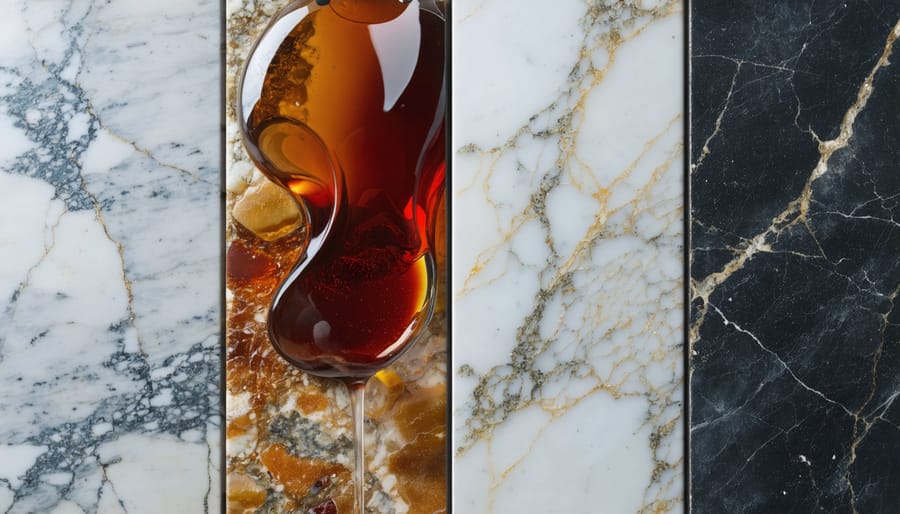
Natural stone surfaces are vulnerable to various organic staining agents and other substances commonly found in homes and commercial spaces. Red wine, coffee, and tea are among the most notorious culprits, quickly penetrating porous stone surfaces and leaving persistent marks. Oil-based products, including cooking oils, lotions, and cosmetics, can create deep-set stains that are particularly challenging to remove from lighter stones.
Acidic substances like citrus juices, vinegar, and tomato-based products can both stain and etch the stone surface, causing dual damage. Metal objects left on stone surfaces, especially when wet, may leave rust stains, while copper and bronze items can create greenish discoloration. Plant materials, including leaves and flower petals, can transfer their natural pigments into the stone.
In bathroom settings, personal care products such as hair dye, nail polish, and certain medications can cause severe staining. Additionally, water containing high mineral content can leave unsightly deposits and discoloration over time, particularly noticeable on shower walls and countertops.
Essential Sealing Strategies
Choosing the Right Sealer
Selecting the right sealer for your natural stone is crucial for maintaining its beauty and durability. Different stone types require specific sealers based on their porosity and composition. For optimal results, it’s essential to understand proper sealing techniques and product selection.
For highly porous stones like limestone and sandstone, choose a penetrating sealer with high solid content. These sealers provide deep protection while maintaining the stone’s natural look. Marble and travertine typically benefit from impregnating sealers that offer stain resistance without altering the surface appearance.
For granite and other dense stones, opt for specialized granite sealers that provide protection while allowing the stone to breathe. Some sealers also offer enhancement properties that deepen the stone’s natural colors – particularly beneficial for slate and quartzite.
Consider these key factors when selecting a sealer:
– Water-based vs. solvent-based options
– Indoor or outdoor application
– Expected traffic levels
– Desired finish (natural, enhanced, or glossy)
– Duration of protection
Always test the sealer on a small, inconspicuous area first to ensure compatibility and desired results. Premium sealers may cost more initially but often provide superior protection and longer-lasting results, making them more cost-effective in the long run.
Professional vs. DIY Sealing
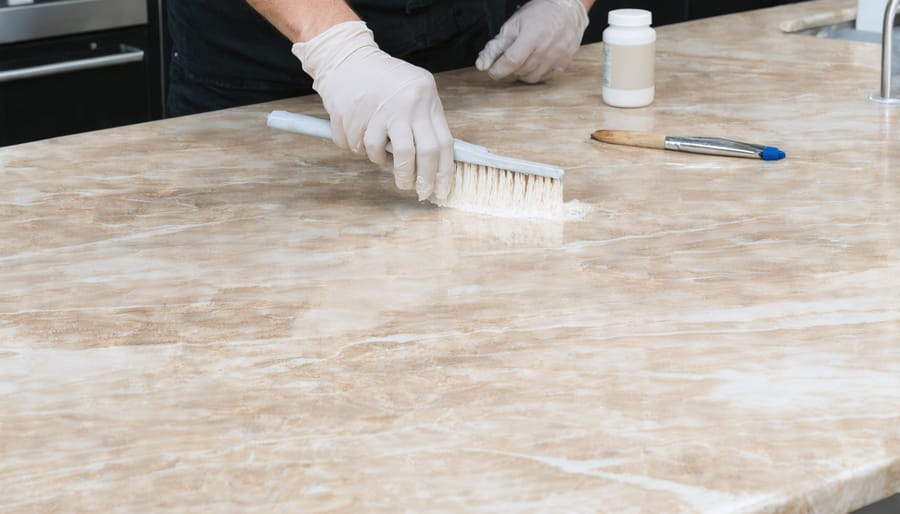
When it comes to sealing natural stone, both professional and DIY approaches have their merits. Professional application typically offers superior results due to contractors’ access to commercial-grade sealers and specialized equipment. Professionals also bring extensive experience in assessing stone types and conditions, ensuring proper preparation and application techniques that maximize sealer effectiveness and longevity.
DIY sealing can be cost-effective and convenient for homeowners with basic home improvement skills. Many manufacturers now offer user-friendly sealers designed specifically for homeowner application. However, success depends heavily on proper preparation, product selection, and careful adherence to application instructions.
Consider these factors when choosing between professional and DIY sealing:
Professional advantages:
– Expert assessment of stone condition and sealer compatibility
– Access to premium-grade sealers
– Guaranteed workmanship
– Time-saving for large areas
– Professional liability insurance coverage
DIY advantages:
– Cost savings
– Flexible timing
– Ability to handle minor touch-ups
– Learning valuable maintenance skills
For high-value installations or complex stone types, professional sealing is recommended. However, for simple stone surfaces and regular maintenance, DIY application can be effective when done correctly. Regardless of approach, always test the sealer on a small, inconspicuous area first and ensure proper ventilation during application.
Daily Protection Practices
Smart Surface Protection
Protecting your natural stone surfaces from stains requires a proactive approach using strategic placement of protective items. Coasters are your first line of defense against beverage rings and condensation marks. Always keep a variety of coasters readily available and make their use a household rule, especially for glasses containing acidic beverages like wine, citrus drinks, or coffee.
Place protective mats under frequently used appliances, such as coffee makers, dish racks, or bathroom items. These mats should be non-rubber and water-resistant to prevent moisture from becoming trapped between the mat and stone surface. For dining areas, use placemats or tablecloths during meals to catch food spills before they reach the stone.
In entryways and high-traffic areas, position absorbent door mats on both sides of entrances to minimize tracking of dirt and debris onto stone flooring. For kitchen countertops, use cutting boards that are large enough to catch food preparation spills. Consider installing protective strips or bumpers on the bottom of decorative items that sit directly on stone surfaces.
Remember to periodically check and replace worn protective items, as damaged mats or coasters can trap moisture and potentially cause more harm than good. Select items that complement your décor while providing adequate protection for your stone investment.
Immediate Spill Response
When a spill occurs on natural stone, immediate action is crucial to prevent staining. Start by blotting the spill with a clean, white cloth or paper towel – never wipe, as this can spread the substance and force it deeper into the stone’s pores. Continue blotting until you’ve removed as much liquid as possible.
For organic spills like coffee, wine, or food, flush the area with plain water and mild soap, then rinse thoroughly with clean water. For oil-based spills, such as cooking oil or grease, apply a paste of baking soda and water to draw out the oil. Let it sit for several hours, then rinse completely.
Chemical spills require extra caution. Immediately dilute the area with water and use a pH-neutral stone cleaner. Avoid using regular household cleaners, as these can etch or damage the stone’s surface. For any acidic spills like citrus juice or vinegar, neutralize the area quickly with a solution of water and baking soda.
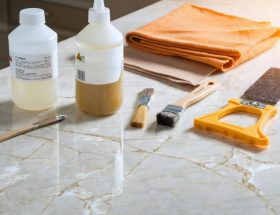
Keep a stone care emergency kit readily available, containing clean cloths, pH-neutral cleaner, baking soda, and a plastic scraping tool for solid spills. Remember that different types of stone may require specific cleaning approaches, so always verify the appropriate method for your particular stone type.
Maintenance Routines That Prevent Staining
Cleaning Products and Methods
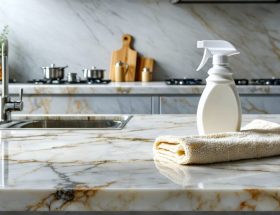
When it comes to cleaning stained natural stone, using the right products and methods is crucial to avoid causing further damage. To clean natural stone safely, opt for pH-neutral cleaners specifically designed for natural stone surfaces. Avoid acidic cleaners, vinegar, lemon juice, or abrasive cleaning products, as these can etch or scratch the stone’s surface.
For daily cleaning, use a soft microfiber cloth or mop with warm water and a stone-specific cleaner. Always blot stains rather than rubbing them, which can spread the stain and damage the stone’s surface. For stubborn stains, create a poultice using a mixture of stone-safe cleaning powder and water, applying it directly to the stained area and allowing it to sit for 24-48 hours under plastic wrap.
Remember to test any cleaning solution on a small, inconspicuous area first. After cleaning, thoroughly rinse the surface with clean water and dry it completely with a soft cloth to prevent water spots and mineral deposits.
Maintenance Schedule
To maintain stained natural stone surfaces and preserve their beauty, follow this recommended maintenance schedule:
Daily:
• Wipe surfaces with a clean, soft cloth
• Clean spills immediately to prevent absorption
• Remove dust and debris with a dry microfiber mop
Weekly:
• Clean thoroughly with a pH-neutral stone cleaner
• Inspect surfaces for signs of wear or damage
• Check for areas that may need resealing
Monthly:
• Deep clean with appropriate stone-specific products
• Examine grout lines for deterioration
• Test surface absorption using water droplets
Every 6-12 Months:
• Apply penetrating sealer (frequency depends on stone type and usage)
• Professional inspection of heavily used areas
• Address any repairs or restoration needs
Every 3-5 Years:
• Complete professional restoration if needed
• Replace worn sealers
• Evaluate overall condition and consider refinishing
This schedule should be adjusted based on factors like stone type, location, traffic, and exposure to elements. High-traffic commercial areas may require more frequent maintenance, while residential installations might need less intensive care.
Protecting your natural stone from staining is an investment in its longevity and beauty. By implementing preventive measures such as regular sealing, prompt spill cleanup, and using appropriate cleaning products, you can significantly reduce the risk of permanent stains. Remember that different stone types require specific care approaches – what works for granite may not be suitable for marble or limestone.
Daily maintenance habits, including using coasters, trivets, and cutting boards, play a crucial role in preserving your stone’s appearance. Establishing a regular cleaning routine with pH-neutral cleaners helps maintain the stone’s natural beauty while preventing the buildup of substances that could lead to staining.
The long-term benefits of proper stone care extend beyond aesthetics. Well-maintained natural stone retains its value, requires fewer repairs, and can last for generations. By investing time in prevention rather than dealing with costly restoration procedures, you’ll save money while preserving the inherent beauty of your stone surfaces.
Make stone care part of your regular maintenance routine, and you’ll enjoy the timeless elegance of your natural stone for years to come.