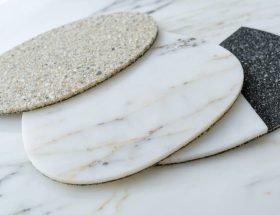
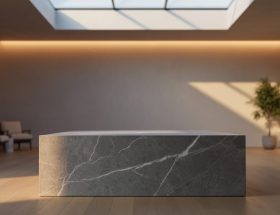
Transform faded travertine, limestone, or marble surfaces by applying penetrating color enhancers that restore depth and richness to weathered stone. These specialized stains penetrate porous natural stone, reviving original hues while protecting against future deterioration—ideal for pool decks, patios, and interior floors showing signs of age.
Customize concrete pavers, flagstone walkways, and stone veneers using acid-based or water-based staining systems that create permanent color changes through chemical reactions or surface bonding. Acid stains produce variegated, organic patterns in earth tones, while water-based options offer broader color palettes with more predictable results. Both methods work on unsealed stone and require proper surface preparation including deep cleaning and pH balancing.
Enhance natural stone characteristics without altering base color by applying color-enriching sealers that intensify existing tones and create wet-look finishes. This approach particularly benefits granite countertops, slate tiles, and sandstone features where you want to amplify inherent beauty rather than introduce new pigments.
Address discoloration, staining, or uneven color distribution through professional stone restoration techniques including honing, which removes surface layers to reveal fresh stone underneath, or poulticing, which extracts deep-set stains using absorbent compounds. These methods prove essential when preparing stone surfaces for coloring treatments or when seeking to return stone to its original appearance.
Each coloring method requires understanding your specific stone type, existing finish, location, and desired outcome. Porous stones like limestone and travertine readily accept coloring agents, while dense materials like granite present greater challenges requiring specialized products and application techniques.
Understanding Stone Coloration: Natural vs. Enhanced

How Natural Stone Gets Its Color
Natural stone’s captivating palette originates deep within the earth through complex geological processes spanning millions of years. The natural stone colors we admire today result from the mineral composition present during the stone’s formation.
Iron oxide creates warm tones—reds, oranges, and browns—commonly seen in sandstone and travertine. Manganese produces pink and purple hues, while chlorite and serpentine minerals generate the distinctive green veining in marble. Black and gray stones, like granite and slate, derive their coloring from carbon, magnetite, and other dark minerals.
The formation environment plays an equally important role. Intense heat and pressure during metamorphic processes can intensify or alter colors. Water percolation introduces additional minerals that create unique patterns and secondary colors. Oxidation levels at formation time determine whether iron appears as vibrant red or subdued yellow.
Understanding these natural processes helps when considering stone coloring options for your project. While nature provides an impressive spectrum, knowing what creates these inherent colors allows you to make informed decisions about enhancement, restoration, or maintaining your stone’s authentic appearance.
When and Why to Color Stone
Stone coloring serves multiple practical and aesthetic purposes, making it a valuable technique for both restoration and design projects. Understanding when to apply coloring helps you achieve professional results while preserving the natural beauty of the material.
Restoration represents one of the most common reasons for stone coloring. Over time, natural stone can fade due to UV exposure, wear patterns from foot traffic, or environmental factors. Coloring restores the original vibrancy and depth of the stone, breathing new life into weathered surfaces without requiring costly replacement.
Matching stones during repairs or additions poses another frequent challenge. When sourcing replacement pieces or expanding existing installations, finding exact color matches can be difficult due to natural variations in quarries. Strategic coloring allows you to seamlessly blend new sections with existing stonework, maintaining visual continuity throughout your project.
Aesthetic enhancement drives many creative applications. Perhaps you’ve inherited a space with stone that doesn’t match your design vision, or you want to create a custom look that standard stone options can’t provide. Coloring opens possibilities for personalizing surfaces while retaining the authentic texture and characteristics of natural stone.
Correcting discoloration or damage also necessitates coloring intervention. Water stains, chemical exposure, or improper cleaning products can leave permanent marks. Rather than accepting these imperfections or undertaking expensive removal, targeted coloring treatments effectively camouflage problem areas and restore uniform appearance.
Types of Stone Coloring Methods
Stone Staining and Dyeing
Chemical stains and dyes offer a permanent solution for altering stone color by penetrating beneath the surface rather than coating it. Unlike topical treatments, these products react with the stone’s mineral composition or absorb into its porous structure, creating lasting color changes that won’t chip or peel away.
Stone dyes typically fall into two categories: acid-based stains and penetrating dyes. Acid-based stains work through chemical reactions with minerals in concrete, limestone, and marble, producing earthy tones like browns, terracottas, and greens. These stains are unpredictable but create beautifully variegated, natural-looking results. Penetrating dyes, conversely, are absorbed directly into porous stones like sandstone, travertine, and some granites, offering more color control and consistency.
Application requires thorough surface preparation. Clean the stone completely to remove sealers, oils, and debris that could block penetration. Test products on inconspicuous areas first, as results vary based on stone porosity and mineral content. Apply dyes using brushes, sprayers, or sponges in thin, even coats, allowing proper drying time between layers. Professional stone dyeing techniques often involve multiple applications to achieve desired depth and uniformity.
Durability depends on penetration depth and proper sealing. Most quality dyes resist fading from UV exposure and normal wear, though high-traffic areas may require periodic touch-ups. Always seal stained stone with compatible products to protect the color and enhance longevity. Proper maintenance ensures your colored stone retains its enhanced appearance for years.
Stone Enhancement and Sealing
For those who want to enhance their stone’s natural beauty without dramatically altering its appearance, color-enhancing sealers offer an elegant solution. These specialized products work by penetrating the stone’s surface and deepening existing tones, similar to how water temporarily darkens stone when wet. The result is a richer, more vibrant appearance that maintains the stone’s authentic character.
Color-enhancing sealers are particularly effective on porous stones like travertine, slate, and sandstone, where they accentuate natural variations and veining patterns. Unlike topical coatings, these penetrating sealers don’t create an artificial film but rather saturate the stone from within, producing a subtle wet-look finish that highlights depth and dimension.
Beyond aesthetic enhancement, these products provide essential protection against staining, moisture penetration, and surface deterioration. They’re ideal for outdoor applications where stones naturally appear more vibrant when wet, as well as indoor spaces where you want to showcase the stone’s inherent beauty without introducing foreign pigments.
Application is straightforward, requiring thorough cleaning, complete drying, and even coating with a brush or roller. Most formulations are solvent-based for deeper penetration, though water-based options exist for environmentally conscious projects. The enhancement typically lasts several years before reapplication becomes necessary, making it a low-maintenance approach to stone beautification.
Surface Coating and Painting
Surface coatings and paints offer a temporary solution for changing stone appearance, but come with significant limitations. These treatments sit on top of the stone rather than penetrating it, making them vulnerable to chipping, peeling, and weathering over time. For exterior applications, coatings rarely last more than a few years before requiring maintenance, as UV exposure, temperature fluctuations, and moisture cause degradation. They also trap moisture beneath the surface, potentially leading to spalling and structural damage.
Interior applications fare better, particularly in low-traffic areas like accent walls or fireplace surrounds. When surface treatments are appropriate, proper preparation is essential. The stone must be thoroughly cleaned, completely dry, and free of any previous sealers. Use breathable masonry paints specifically formulated for stone rather than standard latex paints.
Keep in mind that painted stone obscures the natural texture and character that makes stone desirable in the first place. Most professionals recommend surface coatings only as a last resort for severely damaged or mismatched stone where replacement isn’t feasible. For lasting color enhancement that respects the stone’s integrity, penetrating stains and enhancers remain the superior choice for both interior and exterior projects.
Popular Stone Coloring Ideas by Application
Enriching Marble and Limestone
Marble and limestone respond beautifully to color enhancement techniques that emphasize their natural characteristics. For white Carrara or Calacatta marble, specialized tinting products can deepen the natural veining, creating more dramatic contrast between the white background and gray or gold veins. Apply these enhancers with precision using artist brushes or fine applicators to trace existing vein patterns.
To enrich cream-toned marble like Crema Marfil, use warm-toned color enhancers that deepen the honey and beige undertones while maintaining translucency. These products penetrate the stone’s surface, intensifying color without creating an artificial coating effect. Always test on inconspicuous areas first to ensure desired results.
Restoring aged or weathered marble requires a different approach. Begin with professional cleaning and honing to remove surface deterioration. Follow with color-restoring sealers formulated specifically for marble, which revive faded pigmentation while protecting against future staining. For heavily discolored limestone, consider poulticing treatments to draw out deep stains before applying color restoration products.
Professional stone restoration specialists can also perform chemical treatments that re-establish the stone’s crystalline structure, returning luster to dull surfaces. These treatments work particularly well on historic installations where maintaining authenticity is paramount while refreshing appearance.
Transforming Concrete and Pavers
Concrete and pavers offer excellent opportunities for color transformation, allowing you to mimic the appearance of natural stone at a fraction of the cost. Acid staining remains one of the most popular techniques, creating rich, variegated tones through chemical reactions with the concrete’s minerals. This method produces earthy browns, warm terra cottas, and blue-greens that develop organically across the surface, ensuring no two applications look identical.
Water-based stains provide more predictable color control and work well for achieving uniform hues or creating artistic patterns on patios and walkways. Unlike acid stains, these penetrating stains offer broader color palettes including grays, tans, and even subtle jewel tones. They’re particularly effective for refreshing existing hardscaping without the unpredictability of chemical reactions.
Creating custom colors involves layering different stain types or combining techniques. Many professionals apply a base acid stain, then add water-based accents to highlight textures or define borders. Consider testing color combinations on sample boards before committing to large outdoor areas. The concrete’s age, porosity, and existing sealers significantly impact final results, so proper surface preparation through cleaning and etching ensures optimal stain penetration and color development.

Refreshing Granite and Quartzite
Granite and quartzite naturally contain stunning mineral patterns that can become muted over time due to wear, oxidation, or improper maintenance. Color enhancing sealers offer an effective solution to refresh these darker stones, intensifying their natural depth and revealing hidden veining that might otherwise go unnoticed. These specialized products work by penetrating the stone’s surface and saturating the minerals, creating a permanent wet look that showcases the stone’s true character.
For granite countertops with subtle movement, enhancement brings out contrasting flecks of mica, quartz, and feldspar crystals. Black or dark gray granite particularly benefits from this treatment, as it restores the rich, lustrous appearance that makes these stones so desirable. Quartzite, with its dramatic veining and crystalline structure, transforms dramatically when enhanced—white and gray variations develop greater depth, while exotic varieties like Blue Macaubas or Taj Mahal reveal breathtaking color variations.
The enhancement process also creates a more uniform appearance across large installations where natural color variation might otherwise be distracting. Professional-grade color enhancers penetrate deeply without leaving surface residue, maintaining the stone’s natural texture while maximizing visual impact. This approach preserves authenticity while optimizing aesthetic appeal for both residential and commercial applications.
Slate and Flagstone Color Options
Slate and flagstone bring earthy, organic character to outdoor spaces, and strategic coloring techniques can amplify their natural beauty while extending their lifespan. These sedimentary stones feature rich gray, green, rust, and purple undertones that can be enhanced or modified through specialized treatments.
For slate surfaces, penetrating color enhancers deepen existing tones while providing UV protection and water resistance—essential for patios, walkways, and pool decks. Gray slate can be warmed with amber-toned sealers, while blue-gray varieties benefit from cooler enhancers that intensify their natural hues. Flagstone’s varied composition responds well to acid-based stains that create mottled, weathered appearances reminiscent of centuries-old installations.
Creating aged effects involves layering techniques that mimic natural patina development. Professional contractors often apply multiple translucent stain layers, allowing each to penetrate before adding the next, building dimensional color that resists fading. Oxide-based pigments in green, bronze, and terracotta tones work particularly well for achieving antique appearances.
Weather-resistant acrylic colorants formulated specifically for outdoor stone provide long-lasting results without compromising the surface’s natural texture or slip resistance. These products penetrate deeply rather than forming surface films that can peel or crack during freeze-thaw cycles, making them ideal for regions with challenging climates.

Step-by-Step Stone Coloring Process
Surface Preparation and Cleaning
Proper surface preparation is the foundation of successful stone coloring. Begin by thoroughly cleaning the stone with a pH-neutral stone cleaner to remove dirt, oils, grease, and any organic material. For heavily soiled surfaces, use a stone-safe degreaser and allow it to dry completely for at least 24 hours.
If your stone has existing sealers or coatings, these must be removed before applying color. Use a sealer stripper specifically designed for natural stone, following manufacturer instructions carefully. Test in an inconspicuous area first to ensure it won’t damage the stone. After stripping, clean again and rinse thoroughly with clean water.
Testing porosity is crucial for predicting color acceptance. Apply a few drops of water to the stone surface and observe absorption time. If water beads up, the stone is less porous and may require additional preparation. If it absorbs within five minutes, the stone is sufficiently porous for most coloring products.
Inspect the stone for cracks, chips, or structural damage. Repair these issues before coloring, as damaged areas may absorb color unevenly. Ensure the stone is completely dry before proceeding—moisture trapped beneath the surface will prevent proper color penetration and adhesion. Use a moisture meter for accuracy, especially in humid climates or recently cleaned surfaces.
Application Techniques
Achieving professional-looking results with stone colorants depends heavily on proper application technique. The method you choose should align with your project scope and desired finish.
Brushing works well for smaller areas and allows precise control over product placement. Use natural bristle brushes for oil-based colorants and synthetic brushes for water-based formulas. Apply in long, even strokes following the stone’s natural grain pattern to avoid visible brush marks.
Spraying delivers the most uniform coverage for large surfaces like floors and exterior facades. Use a compressed air sprayer or HVLP system, maintaining consistent distance and overlapping passes by fifty percent. This method minimizes direct contact and reduces the risk of streaking.
Wiping techniques prove ideal for enhancing stone with subtle color shifts. Apply colorant with a lint-free cloth using circular motions, then buff away excess product before it dries. This approach works particularly well on polished surfaces where you want to preserve natural luster.
Layering multiple thin coats produces more natural-looking depth than single heavy applications. Allow each layer to dry completely, typically 2-4 hours depending on product type and environmental conditions. Build color gradually until achieving your target shade, remembering that darker tones require patience and multiple passes for even saturation.
Sealing and Protection
Once you’ve achieved your desired stone color, proper sealing becomes essential for protecting your investment and ensuring long-lasting results. Color-enhancing sealers serve a dual purpose—they deepen the stone’s hue while creating a protective barrier against stains, moisture, and wear. For most colored stone applications, penetrating sealers work best as they absorb into the stone rather than sitting on the surface.
Choose a sealer specifically formulated for colored or stained stone, as standard sealers may alter your carefully selected shade. Test the sealer on a small, inconspicuous area first to verify compatibility. Apply according to manufacturer instructions, typically requiring 2-3 thin coats for optimal protection.
Maintenance requirements vary by stone type and location. Indoor applications generally need resealing every 1-3 years, while outdoor stones may require annual treatment due to weather exposure. Regular cleaning with pH-neutral stone cleaners prevents buildup that can dull the color over time. Similar to stone polishing, sealing requires proper technique for professional results.
High-traffic areas benefit from topical sealers that offer additional surface protection, though these may require more frequent reapplication. Monitor your stone regularly for water absorption—if water no longer beads on the surface, it’s time to reseal and refresh the protective layer that keeps your colored stone looking vibrant.
Choosing the Right Colors for Your Stone Project
Matching Existing Stone
When repairing, expanding, or replacing stone surfaces, achieving a seamless color match requires careful observation and testing. Start by examining the existing stone under various lighting conditions, noting undertones and natural variations. Collect sample chips or take high-resolution photos to reference when sourcing replacement pieces.
Professional stone suppliers can often match colors by analyzing samples, but expect some variation due to the natural formation process. For renovations, request stones from the same quarry and vein when possible, as consistency is higher within the same geological source.
Color-enhancing sealers offer an effective solution for blending newer installations with aged stone. These products deepen tones and can minimize the appearance of slight color differences. Test multiple products on inconspicuous areas first, as results vary by stone porosity and composition.
For minor repairs, specialty tinting compounds mixed with epoxy or resin can fill chips while matching surrounding hues. Professional stone restoration specialists use custom-blended stains to adjust individual stones within a larger installation, creating gradual transitions that disguise replacement pieces. Consider consulting with restoration experts for significant projects where precise matching is essential.
Creating Contrast and Visual Interest
Strategic color choices transform stone from a uniform surface into a dynamic design element. By thoughtfully selecting and combining stone colors, you can draw attention to specific architectural features while creating visual depth throughout your space.
Darker stone colors naturally recede, making them ideal for grounding elements like baseboards or flooring borders, while lighter tones advance visually, perfect for highlighting columns, fireplace surrounds, or accent walls. This principle allows you to guide the eye through a room and emphasize key structural components.
Consider using contrasting stone colors to define distinct zones within open-concept spaces. A shift from warm beige travertine in the living area to cool gray slate in the dining space creates subtle boundaries without physical barriers. Alternatively, create dramatic focal points by pairing a bold-colored natural stone feature wall with neutral surrounding surfaces.
Patterns add another dimension to stone applications. Herringbone or checkerboard layouts gain impact when executed in contrasting colors—think black and white marble for classic elegance or earth-toned limestone combinations for organic warmth. Border treatments using darker or lighter stone create frames that define pathways, countertops, or outdoor patios.
For subtler interest, vary the finish rather than color. Combining honed and polished surfaces of the same stone type creates textural contrast that catches light differently throughout the day.
Common Mistakes and How to Avoid Them
Stone coloring projects can transform surfaces beautifully, but several common pitfalls can compromise results. Understanding these mistakes and implementing prevention strategies ensures professional-looking outcomes.
Inadequate surface preparation ranks as the most frequent error. Many enthusiasts rush into coloring without properly cleaning the stone, leaving oils, sealers, or residues that prevent proper penetration. Always thoroughly clean surfaces with appropriate stone cleaners and allow complete drying—typically 24 to 48 hours. Test existing sealers by applying water droplets; if they bead up rather than absorb, the sealer must be stripped before coloring.
Skipping test applications leads to disappointing results and wasted materials. Stone porosity varies significantly even within the same slab, affecting color absorption unpredictably. Always test products on inconspicuous areas or spare pieces matching your stone type. This reveals the true color outcome and necessary application techniques before committing to visible surfaces.
Improper product selection for specific stone types causes another common failure. Acid-based products permanently damage calcareous stones like marble and limestone, while products designed for granite won’t work effectively on more porous stones. Research compatibility thoroughly and select products formulated specifically for your stone variety.
Uneven application creates blotchy, unprofessional appearances. This typically results from inconsistent technique, working in direct sunlight, or allowing products to dry partially before completing sections. Work in manageable areas, maintain consistent pressure and motion, and keep wet edges to blend seamlessly. Use quality applicators designed for stone work rather than improvised tools.
Insufficient ventilation during application poses health risks and affects curing. Many coloring products contain solvents requiring proper airflow. Work in well-ventilated spaces and follow manufacturer safety recommendations including appropriate protective equipment.
Finally, neglecting post-coloring sealing leaves newly colored stone vulnerable to staining and fading. After coloring fully cures—usually 24 to 72 hours—apply a quality sealer appropriate for your stone type and intended use. This protects your investment and maintains the enhanced color long-term.
Maintenance and Longevity of Colored Stone
Preserving the beauty of colored stone requires regular maintenance and an understanding of how different factors impact color longevity. Whether you’ve applied stains, dyes, or enhancers, proper care ensures your investment maintains its visual appeal for years to come.
The durability of colored stone depends heavily on its location and exposure. Exterior installations face greater challenges from UV radiation, temperature fluctuations, and moisture cycles, which can cause colors to fade within 2-5 years. Interior applications generally maintain their appearance longer, often lasting 5-10 years or more before requiring touch-ups. High-traffic areas naturally experience more wear, necessitating more frequent maintenance than decorative pieces.
Regular cleaning is essential but must be approached carefully. Use pH-neutral cleaners specifically formulated for natural stone, as acidic or alkaline products can strip color treatments and damage the stone surface. Avoid abrasive scrubbing tools that might wear away surface treatments. For routine maintenance, simply dust dry surfaces and damp-mop sealed floors with clean water or approved stone cleaner.
Reapplication schedules vary by product type and environmental conditions. Penetrating enhancers typically need reapplication every 1-3 years for exterior stone and 3-5 years for interior surfaces. Surface coatings may require more frequent renewal, especially in high-traffic zones. Monitor your stone’s appearance and reapply when you notice color fading or water no longer beads on sealed surfaces.
Protecting colored stone extends its lifespan significantly. Apply quality sealers over color treatments to create a protective barrier against stains and moisture. For outdoor installations, consider UV-resistant topcoats that minimize sun damage. Use furniture pads, rugs in walkways, and coasters on countertops to prevent physical wear. During resealing or color reapplication, ensure surfaces are thoroughly cleaned and completely dry for optimal adhesion and uniform results.

Stone coloring techniques offer remarkable potential to transform natural stone surfaces while honoring their inherent beauty. Whether you’re seeking to refresh weathered patio pavers, achieve color consistency across marble countertops, or create dramatic design statements with enhanced hues, these enhancement methods provide versatile solutions for both practical and aesthetic challenges. The key to successful stone coloring lies in understanding your stone’s characteristics, selecting appropriate products, and applying techniques that work with rather than against the material’s natural properties.
For straightforward projects like routine maintenance or minor color enhancement, DIY approaches using quality sealers and enhancers can yield impressive results. These methods allow homeowners to maintain control over costs while achieving professional-looking outcomes. However, more complex undertakings involving permanent dyes, staining of large areas, or restoration of valuable stone installations benefit significantly from professional expertise. Experienced contractors bring specialized knowledge of stone chemistry, access to commercial-grade products, and proven application techniques that minimize risk and maximize longevity.
Ultimately, successful stone coloring respects the unique character that makes natural stone desirable while addressing your specific functional and design needs. Experiment thoughtfully, test extensively, and don’t hesitate to consult professionals when projects exceed your comfort level.