
Cultural preservation stands as humanity’s vital bridge between our past and future, safeguarding the irreplaceable elements that define our collective identity. Through deliberate conservation of artifacts, traditions, and knowledge systems, cultural preservation protects more than just physical objects—it maintains the living essence of human civilization. In the realm of stone art and architecture, this preservation takes on profound significance, as these enduring materials have chronicled human achievement for millennia.
Modern preservation efforts combine cutting-edge technology with time-honored techniques to protect everything from ancient petroglyphs to contemporary stone sculptures. These practices encompass not just the physical conservation of artifacts but also the documentation of traditional craftsmanship, ritualistic practices, and the social contexts that gave birth to these cultural expressions. By maintaining these cultural touchstones, we ensure that future generations can connect with their heritage and understand the complex tapestry of human experience.
The urgency of cultural preservation has never been greater, as globalization and rapid technological advancement threaten to homogenize diverse cultural practices. Through systematic documentation, restoration, and education, preservationists work to maintain the authentic character of cultural artifacts while making them accessible to modern audiences.
What Cultural Preservation Means in Stone Art
Physical Conservation vs. Cultural Preservation
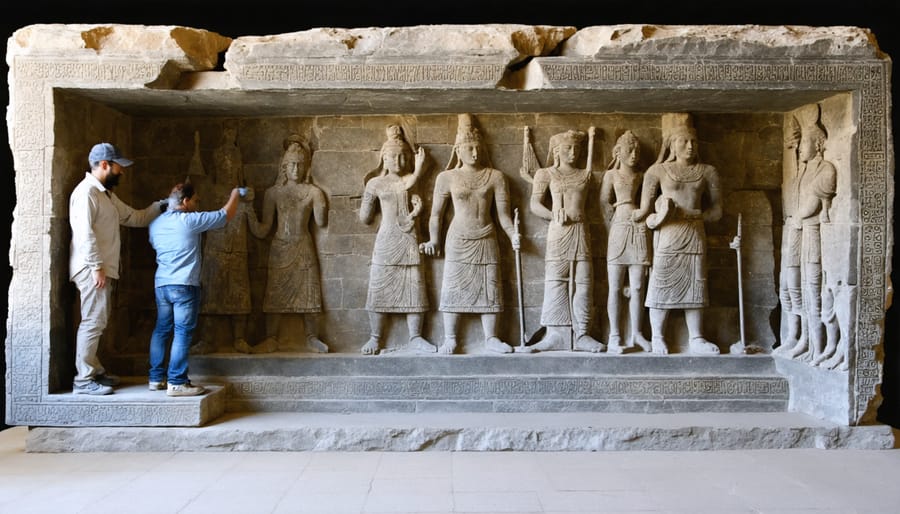
Physical conservation and cultural preservation, while closely related, serve distinct yet complementary roles in heritage protection. Stone art conservation focuses on the tangible aspects: repairing cracks, preventing erosion, and maintaining structural integrity. This technical process requires specialized expertise in materials science and restoration techniques.
Cultural preservation, however, extends beyond physical maintenance to protect the intangible elements that give artifacts their significance. This includes preserving traditional crafting methods, documenting historical context, and maintaining the spiritual or ceremonial importance of stone artifacts. While a conservator might repair a weathered stone sculpture, cultural preservation ensures its ritualistic meaning and historical narrative remain intact for future generations.
The challenge lies in balancing these approaches. Modern preservation strategies increasingly recognize that physical conservation must respect cultural authenticity. This means using restoration techniques that don’t compromise the artifact’s cultural integrity or historical accuracy. Success requires collaboration between conservation specialists and cultural heritage experts to protect both the physical object and its cultural significance.
The Cultural Value of Stone Artifacts
Stone artifacts serve as tangible connections to our ancestors, embodying centuries of cultural knowledge, artistic expression, and technological advancement. From ancient petroglyphs to ceremonial monuments, these enduring artworks tell stories of civilizations’ beliefs, customs, and daily lives. Each carved symbol, architectural element, and sculptural piece represents not just artistic achievement, but also carries deep spiritual and social significance within its cultural context.
The preservation of stone artifacts is crucial for maintaining cultural identity across generations. These works often mark significant historical events, religious practices, or social transitions, serving as physical timestamps of human development. In many cases, stone artifacts are the only surviving records of extinct civilizations, making them invaluable resources for understanding human history.
Modern communities continue to draw inspiration and cultural pride from their stone heritage. These artifacts influence contemporary art, architecture, and design while reinforcing cultural continuity. Whether it’s the mysterious moai of Easter Island or the intricate relief carvings of ancient temples, stone artifacts remain powerful symbols of human creativity and cultural resilience, demanding careful preservation for future generations to study and appreciate.
Key Elements of Stone Art Preservation
Documentation and Recording
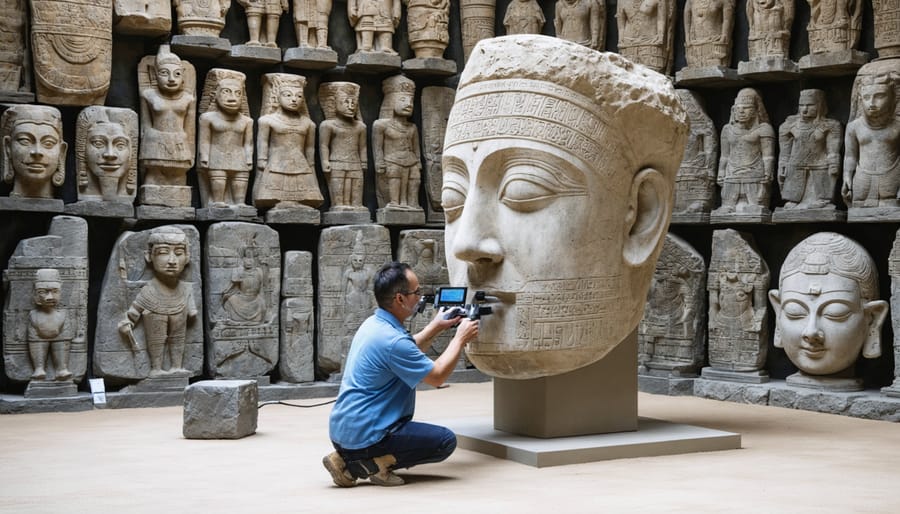
Documentation plays a vital role in cultural preservation, serving as a comprehensive record of historical artifacts and cultural practices. Through detailed photography, 3D scanning, and precise measurements, preservationists create accurate digital archives of stone artworks and architectural elements. These records not only document the current state of cultural assets but also track changes over time, enabling conservators to implement modern stone preservation techniques effectively.
Traditional methods like hand-drawn sketches and written descriptions are combined with advanced technologies such as photogrammetry and laser scanning to create detailed mappings of surface textures, weathering patterns, and structural conditions. This documentation serves multiple purposes: it aids in preservation planning, provides reference materials for future restoration work, and ensures that cultural knowledge is preserved for future generations.
Maintaining detailed records of preservation treatments, environmental conditions, and maintenance procedures creates a valuable timeline of conservation efforts. This information helps professionals make informed decisions about ongoing preservation strategies while contributing to the broader understanding of cultural heritage management practices.
Traditional Craftsmanship
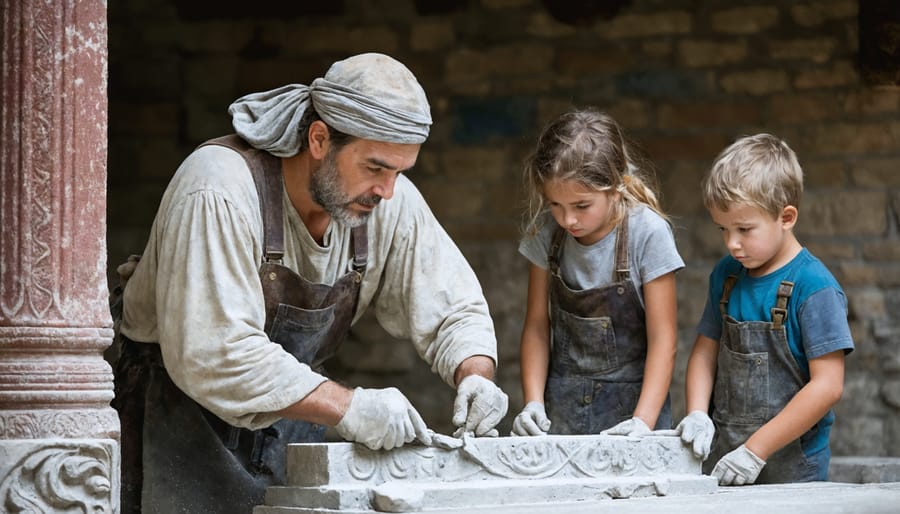
Traditional stone craftsmanship represents a vital link to our cultural heritage, embodying centuries of accumulated knowledge and artistic expression. Master craftsmen possess specialized skills passed down through generations, including techniques for quarrying, carving, and finishing stone that modern machinery cannot fully replicate. These artisans understand the unique properties of different stone types and how to work with natural variations in texture, color, and grain.
The preservation of these traditional techniques ensures the authenticity of historical restorations and maintains the cultural integrity of architectural heritage. When restoring ancient monuments or creating new works in historical styles, traditional methods provide results that harmonize with original craftsmanship. This knowledge becomes particularly crucial in heritage conservation projects, where understanding historical construction methods is essential for accurate restoration.
Moreover, traditional stone working techniques often prove more sustainable and environmentally friendly than modern industrial processes. Hand tools and manual techniques require less energy and produce less waste, while the resulting works typically demonstrate greater durability and aesthetic value. By maintaining these traditional skills, we not only preserve cultural knowledge but also ensure the availability of authentic restoration expertise for future generations of conservation projects.
Community Engagement
Local communities play a vital role in cultural preservation efforts, serving as both guardians and interpreters of their heritage. These communities possess invaluable traditional knowledge passed down through generations, offering unique insights into historical practices and cultural significance of stone artifacts and structures.
Successful preservation initiatives often emerge when local residents actively participate in decision-making processes and implementation. This involvement helps ensure that preservation efforts respect cultural sensitivities while maintaining authenticity. Communities contribute through oral histories, traditional maintenance techniques, and their deep understanding of the cultural context surrounding stone monuments and artifacts.
Many preservation projects now incorporate community-led programs, where local artisans and craftspeople train younger generations in traditional stone working techniques. These initiatives not only preserve physical artifacts but also maintain the intangible cultural heritage associated with stonework.
Regular community meetings, workshops, and cultural events centered around stone heritage sites help foster a sense of ownership and responsibility. This engagement often leads to better maintenance practices and increased awareness of preservation importance. Additionally, local communities often serve as cultural ambassadors, sharing their heritage with visitors and helping to generate sustainable tourism opportunities that support preservation efforts.
Modern Approaches to Cultural Preservation
Digital Documentation
Digital documentation has revolutionized cultural preservation efforts, offering powerful tools to record, archive, and share cultural heritage information. Advanced 3D scanning technology now allows for the creation of detailed digital models of stone artifacts and structures, preserving their exact dimensions and surface details for future generations. These high-resolution scans serve as invaluable references for restoration work and provide accessible study materials for researchers worldwide.
Photography and videography, enhanced by modern digital capabilities, capture intricate details of stone carvings, architectural elements, and cultural practices. Time-lapse documentation helps track degradation patterns and environmental impacts on stone structures, enabling conservators to develop more effective preservation strategies.
Digital databases and cloud storage systems ensure that cultural documentation remains secure and accessible. These platforms store everything from historical records and conservation reports to traditional crafting techniques and oral histories. Geographic Information Systems (GIS) technology maps cultural heritage sites, monitoring their condition and managing preservation efforts across large areas.
Virtual and augmented reality applications are emerging as innovative tools for education and engagement, allowing people to experience historical sites and artifacts remotely. These technologies create immersive experiences that help preserve not just the physical aspects of cultural heritage, but also the stories and contexts that give them meaning.
Regular digital updates and backups ensure that this vital cultural information remains preserved and accessible for future generations, creating a comprehensive digital archive of our cultural heritage.
Sustainable Conservation Practices
Modern cultural preservation increasingly emphasizes environmentally responsible approaches that protect both heritage and the planet. Conservation professionals now integrate sustainable design practices with traditional preservation methods to ensure long-term sustainability.
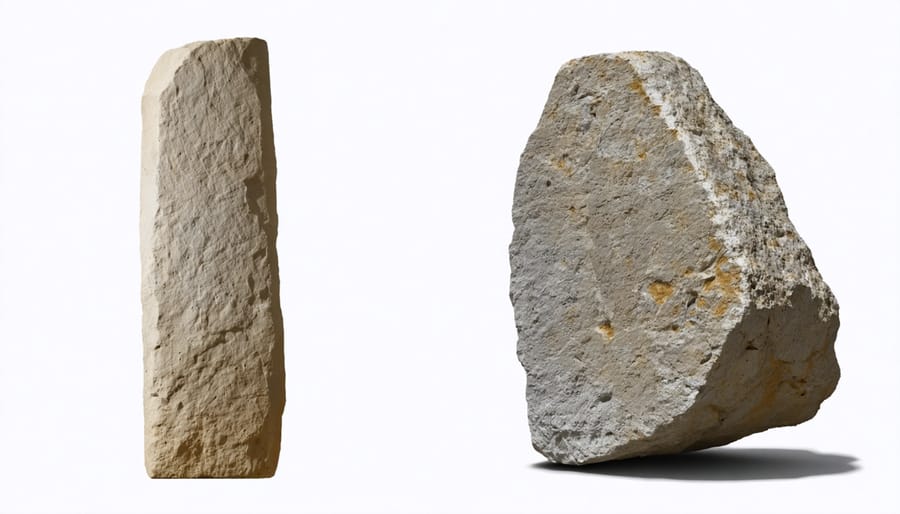
Key sustainable conservation strategies include using non-toxic cleaning agents, implementing energy-efficient climate control systems in heritage buildings, and employing renewable materials for restoration work. Conservators carefully select environmentally friendly consolidants and protective coatings that maintain the integrity of stone artifacts while minimizing ecological impact.
Water conservation plays a crucial role, with institutions adopting rainwater harvesting systems and efficient cleaning methods that reduce water consumption. LED lighting systems replace harmful UV-emitting fixtures, protecting sensitive artifacts while decreasing energy usage. Advanced monitoring systems help maintain optimal environmental conditions with minimal resource expenditure.
Documentation and preservation techniques now incorporate digital technologies, reducing paper waste and chemical usage in traditional photography. Many facilities also integrate green building principles, such as proper insulation and natural ventilation, to create stable environments for cultural artifacts while lowering their carbon footprint.
These sustainable approaches ensure that cultural preservation efforts contribute to environmental stewardship while safeguarding our heritage for future generations.
Future of Cultural Heritage Preservation
The preservation of cultural heritage through stone art faces both exciting opportunities and significant challenges in the modern era. Digital technologies, including 3D scanning and virtual reality, are revolutionizing how we document and preserve historical stone artifacts. These tools allow for precise digital archiving, creating detailed records that future generations can study and reference, even if physical pieces deteriorate.
Artificial intelligence and machine learning are emerging as powerful allies in conservation efforts, helping experts identify early signs of degradation and optimize preservation strategies. These technologies also enable predictive maintenance, allowing conservators to address potential issues before they become critical problems.
Climate change presents a growing threat to stone art preservation, with increasing extreme weather events and environmental stresses affecting historical sites and artifacts. In response, conservators are developing innovative protective measures and adapting traditional preservation techniques to meet these new challenges. The focus on environmentally conscious stone art preservation methods has become paramount, incorporating sustainable practices while maintaining cultural integrity.
Community engagement and cultural tourism are playing increasingly important roles in preservation efforts. Local communities are being empowered as guardians of their heritage, while digital platforms make cultural artifacts accessible to global audiences. This democratization of access helps raise awareness and support for preservation initiatives.
The future of cultural heritage preservation will likely see a blend of traditional craftsmanship with cutting-edge technology, ensuring that stone art continues to tell our cultural stories for generations to come. Success will depend on balancing conservation needs with accessibility, sustainability, and educational objectives.
Cultural preservation stands as a vital bridge between our past and future, safeguarding the rich tapestry of human heritage for generations to come. Through dedicated preservation efforts, we not only protect physical artifacts and structures but also maintain the living traditions, stories, and techniques that define our diverse cultural identities. The methods and approaches discussed throughout this article demonstrate how modern technology and traditional practices can work together effectively to protect our cultural heritage.
As we’ve explored, successful preservation requires a multifaceted approach combining technical expertise, community involvement, and sustainable practices. The role of natural stone in cultural preservation remains particularly significant, serving as both a historical medium and a contemporary tool for conservation. Moving forward, it’s essential to continue developing innovative preservation techniques while respecting traditional methods that have proven effective over centuries.
The future of cultural preservation lies in striking a balance between accessibility and protection, ensuring that cultural heritage remains both well-preserved and meaningful to contemporary audiences. By understanding and implementing proper preservation techniques, we can ensure that future generations will continue to learn from, appreciate, and build upon the cultural foundations we protect today.