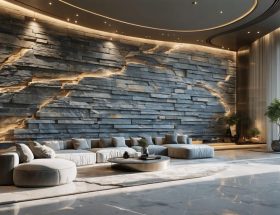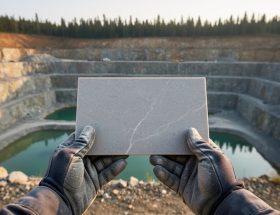
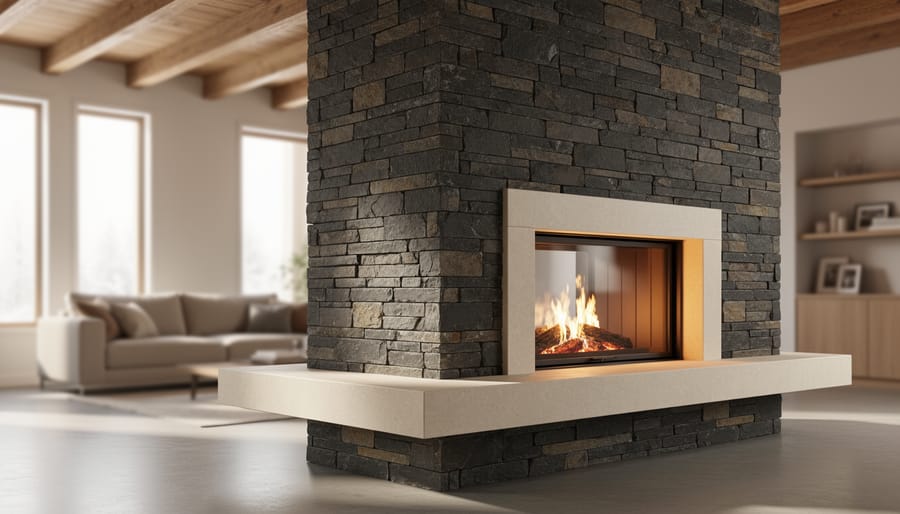
Select stone varieties based on your fireplace’s functional demands and aesthetic goals—marble and limestone deliver refined elegance for low-use decorative fireplaces, while granite and slate withstand high temperatures and frequent fires in active hearths. Match stone texture and color to your room’s existing palette by bringing home large samples that reveal authentic variations in natural light, avoiding costly mismatches between showroom selections and installed results.
Design your fireplace proportions to anchor the room without overwhelming it—floor-to-ceiling installations create dramatic focal points in spaces with 10-foot or higher ceilings, while mantels positioned at 54-58 inches suit standard 8-foot rooms and maintain proper scale. Consider stacked ledgestone for contemporary horizontal emphasis, ashlar-cut stone for traditional symmetry, or river rock for organic rustic appeal, ensuring your pattern choice complements architectural lines rather than competing with them.
Plan stone placement strategically to maximize both value and ambiance—extend stone surrounds across entire accent walls for luxurious impact, frame fireboxes with 6-12 inch borders for defined classic looks, or wrap corners to visually expand small spaces. Integrate built-in niches, floating hearths, or recessed alcoves during initial design phases rather than retrofitting later, as these features require structural planning that affects stone layout and support requirements.
Specify sealant requirements during selection since porous stones like travertine and sandstone need annual sealing to resist smoke staining and moisture damage, while dense granite requires minimal maintenance. Account for professional installation costs that typically range from $80-$200 per square foot depending on stone complexity, pattern intricacy, and structural modifications needed for proper support.
Why Natural Stone Makes the Perfect Fireplace Material
Natural stone has been the material of choice for fireplaces for centuries, and with good reason. When you’re designing or renovating a fireplace, understanding why stone consistently outperforms alternative materials helps you make an informed decision that will serve you well for decades.
The most compelling advantage of natural stone is its exceptional heat resistance. Materials like granite, marble, limestone, and slate are formed under intense geological pressure and heat, making them inherently capable of withstanding the high temperatures that fireplaces generate. Unlike manufactured materials that may crack, warp, or discolor when exposed to repeated heating and cooling cycles, natural stone maintains its structural integrity and appearance. This thermal stability means your fireplace will look as stunning twenty years from now as it does on installation day.
Durability goes hand-in-hand with heat resistance. Natural stone fireplaces regularly last 50 to 100 years or more with minimal maintenance. This longevity makes stone a wise financial investment, as you won’t face replacement costs that come with less durable materials. The stone’s density also provides excellent thermal mass, absorbing heat during operation and slowly releasing it afterward, which can improve your home’s heating efficiency.
From a sustainability perspective, natural stone offers clear environmental benefits. As a naturally occurring material that requires no synthetic manufacturing processes, it has a lower carbon footprint than manufactured alternatives. Stone is also completely recyclable and contains no volatile organic compounds or harmful chemicals that could off-gas into your living space.
Perhaps most appealing to homeowners and designers is stone’s remarkable aesthetic versatility. Whether you’re creating a rustic cabin retreat, a sleek contemporary space, or a traditional formal living room, there’s a natural stone that perfectly complements your vision. Each stone type brings unique colors, patterns, and textures, from the dramatic veining in marble to the earthy warmth of sandstone. This variety ensures your fireplace becomes a distinctive focal point that reflects your personal style while adding substantial value to your property.
Classic Natural Stone Fireplace Designs
Stacked Stone Fireplaces
Stacked stone fireplaces have become one of the most sought-after designs for homeowners seeking texture and dimension. This technique involves arranging natural stone pieces in horizontal rows, creating a dramatic vertical feature that serves as the room’s focal point.
The two most popular stone choices for stacked applications are ledgestone and fieldstone. Ledgestone features thin, rectangular pieces with naturally split faces that create crisp, linear shadow lines. Its uniform thickness makes installation more straightforward and produces a consistent pattern. Fieldstone, gathered from fields and riverbeds, offers irregular shapes and sizes that create a more organic, hand-laid appearance with varied depths and textures.
Installation patterns significantly impact the final aesthetic. Dry-stack methods eliminate visible mortar joints, allowing stones to fit tightly together for a seamless, modern look. This approach works particularly well with precisely cut ledgestone. Alternatively, incorporating narrow grout lines in complementary or contrasting colors can emphasize each stone’s individual character and enhance rustic charm.
For refined aesthetics, select stones with consistent coloring and install them in regular horizontal courses with minimal variation. Choose ledgestone in neutral tones like gray, taupe, or cream for a sophisticated appearance. To achieve rustic character, mix stone sizes and introduce varied color palettes ranging from warm earth tones to cool grays. Fieldstone naturally lends itself to this relaxed style.
The stacked stone surround can extend from floor to ceiling for maximum impact or frame just the firebox opening for a more subtle statement. Consider continuing the stone across the entire wall or creating a bordered feature panel depending on your space and design goals.
Floor-to-Ceiling Stone Statements
Floor-to-ceiling stone fireplaces create commanding architectural features that serve as the focal point of any living space. These dramatic installations extend from the hearth all the way to the ceiling, maximizing visual impact while providing opportunities for creative stone patterns and textures.
When selecting stone for vertical installations, consider both aesthetic appeal and structural requirements. Ledgestone and stacked stone work exceptionally well for tall applications, as their horizontal lines naturally guide the eye upward while adding dimensional texture. For a more refined look, large-format slabs of marble or limestone create seamless vertical sweeps with minimal grout lines. Fieldstone offers rustic charm, though heavier stones may require additional structural support for installations exceeding standard heights.
The key challenge with floor-to-ceiling designs is managing visual weight to prevent the fireplace from overwhelming the room. Lighter-colored stones like cream travertine or white quartzite help tall installations feel less imposing, especially in rooms with limited square footage. Alternatively, you can create balance by transitioning stone density as you move upward, using heavier, darker stones at the base and lighter materials near the ceiling.
Consider breaking up the vertical expanse with integrated elements like floating mantels, recessed niches, or built-in media centers. These design features provide visual rest points that make tall installations feel intentional rather than excessive. Wood accents, metal trim, or contrasting stone bands can also segment the height into more digestible sections while maintaining the dramatic floor-to-ceiling effect.

Traditional Hearth and Mantel Combinations
Traditional hearth and mantel combinations remain the cornerstone of classic fireplace design, offering timeless elegance that complements both period homes and contemporary spaces seeking warmth and character. These configurations pair a stone hearth at the base with a coordinating mantel shelf, creating a cohesive focal point that anchors the room.
Granite hearths paired with matching mantels deliver exceptional durability and visual impact. Available in colors ranging from deep blacks and rich browns to lighter grays and earth tones, granite’s natural variations ensure each installation is unique. The stone’s heat resistance and low maintenance requirements make it ideal for high-use fireplaces, while its polished or honed finishes adapt to different design aesthetics.
Marble combinations exude luxury and sophistication, with classic Carrara white marble creating dramatic contrast against darker walls or complementing light, airy interiors. Cream and beige marble varieties offer softer alternatives that warm traditional spaces. The stone’s veining patterns add movement and visual interest, though marble requires more maintenance than granite and is better suited for gas fireplaces or decorative installations.
Limestone provides a more understated elegance with its muted, earthy palette and subtle texture. This sedimentary stone works beautifully in rustic, cottage, and transitional designs, offering a less formal alternative to marble while maintaining sophistication. Limestone’s softer nature creates a lived-in quality that develops character over time.
When selecting traditional combinations, consider the stone’s color relationship to surrounding materials, the mantel’s proportion relative to the fireplace opening, and how the overall design complements your architectural style.
Contemporary Natural Stone Fireplace Ideas
Sleek Linear Stone Fireplaces
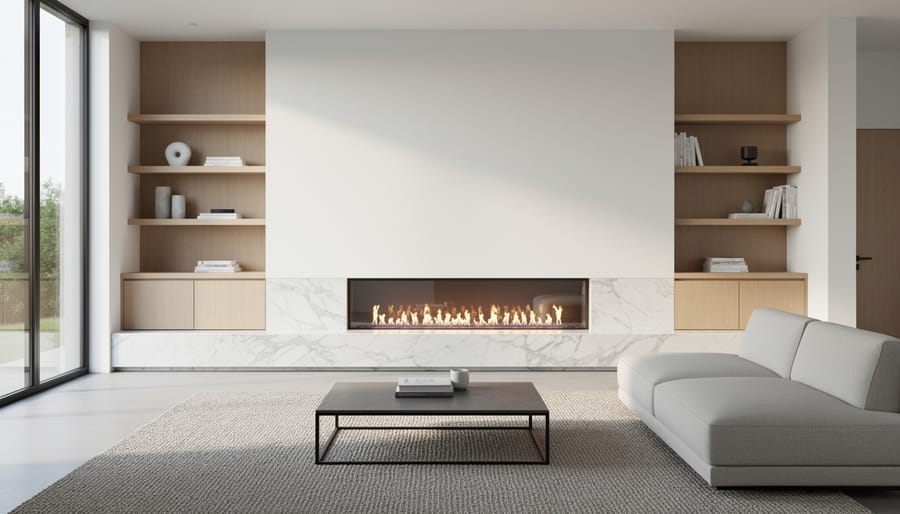
Sleek linear stone fireplaces embody contemporary minimalism, creating dramatic focal points through clean horizontal lines and premium materials. These streamlined designs typically feature wide, low-profile openings that emphasize breadth over height, making them ideal for modern living spaces with lower ceilings or open floor plans.
Honed marble stands out as a popular choice for linear fireplaces, offering subtle elegance without excessive shine. Its smooth, matte finish provides visual calm while the stone’s natural veining adds organic interest. Calacatta and Carrara varieties work particularly well, with their soft gray veining complementing neutral contemporary palettes.
Polished granite delivers bold sophistication for those seeking more dramatic presence. Its reflective surface amplifies ambient light and creates stunning visual depth. Black granite varieties like Absolute Black or Galaxy Black provide striking contrast in lighter spaces, while lighter granites offer subtle luxury.
Book-matched stone slabs represent the pinnacle of linear fireplace design. This technique mirrors two consecutive slabs along their adjacent edges, creating symmetrical patterns that flow outward from the firebox center. The effect produces a butterfly-wing appearance that transforms functional stone into art. Large-format slabs minimize visible seams, enhancing the uninterrupted horizontal aesthetic crucial to linear designs.
Installation requires precise engineering to support these often heavy, cantilevered stone pieces. Working with experienced fabricators ensures proper anchoring and alignment, maintaining the sleek profile that defines this contemporary approach.
Mixed Material Designs
Combining natural stone with complementary materials creates striking fireplace designs that balance rustic warmth with modern sophistication. These mixed-material approaches open up fresh design possibilities while maintaining stone’s natural appeal.
Metal accents provide one of the most effective contrasts to stone’s organic texture. Steel or iron mantels paired with stacked slate or limestone establish an industrial-chic aesthetic that works beautifully in lofts and contemporary homes. Wrought iron fireplace screens or metal candle holders further enhance this interplay. Brushed brass or copper elements offer a warmer metallic option, particularly when combined with earth-toned granite or sandstone.
Wood integration softens stone’s inherent coolness while adding architectural interest. A reclaimed timber mantel beam atop a river rock surround creates rustic elegance, while sleek wooden shelving flanking a marble fireplace delivers modern refinement. Consider wood species that complement your stone’s color palette—walnut with gray limestone or light oak with cream travertine.
Glass components introduce unexpected contemporary flair. Floating glass shelves mounted against a stone backdrop showcase decorative objects while maintaining visual flow. Glass mosaic tiles can accent specific areas within the stone design, adding shimmer and dimension.
These material combinations work best when one element dominates while others provide strategic accents, ensuring the design feels intentional rather than busy.
Minimalist Stone Surrounds
Minimalist stone fireplace designs celebrate the inherent beauty of natural materials through restraint and simplicity. These surrounds feature clean lines, monochromatic palettes, and minimal embellishment, allowing the stone’s texture, color variations, and natural patterns to take center stage.
Large-format stone slabs work particularly well in minimalist applications, reducing grout lines and creating seamless, contemporary surfaces. Limestone, honed granite, and quartzite offer subtle elegance without overwhelming visual complexity. A floor-to-ceiling installation using book-matched slabs creates dramatic symmetry while maintaining the understated aesthetic that defines minimalist design.
The key to successful minimalist stone surrounds lies in thoughtful proportion and precise installation. Flush mounting techniques eliminate protruding mantels and decorative trim, creating sleek profiles that integrate seamlessly with modern interiors. Recessed firebox designs further enhance the clean aesthetic by embedding the fire opening directly into the stone surface.
Neutral tones dominate this design approach, with white marble, gray limestone, and beige travertine being popular choices. However, darker stones like black granite or charcoal slate can provide striking contrast in lighter rooms. The absence of ornamental details means every aspect of the stone selection matters, from veining patterns to surface finish, making material quality paramount to achieving the desired minimalist impact.
Choosing the Right Stone for Your Fireplace
Granite Fireplaces
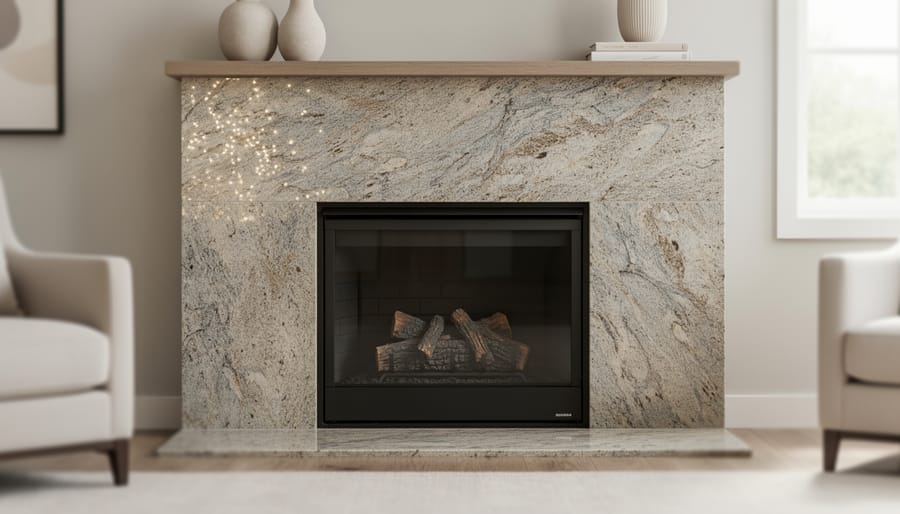
Granite stands as one of the most resilient natural stone choices for fireplace applications, offering exceptional heat resistance that makes it ideal for hearths, surrounds, and mantels. This igneous rock withstands extreme temperatures without cracking or discoloration, ensuring your fireplace maintains its appearance for decades. The stone’s inherent durability also resists scratches, stains, and daily wear, making it practical for high-traffic family rooms.
Available in an impressive spectrum of colors, granite ranges from classic blacks and grays to warm browns, rich reds, and even blues with distinctive speckled patterns created by mineral deposits. Popular varieties like Black Galaxy, Tan Brown, and Baltic Brown each bring unique character to fireplace designs. The stone’s natural veining and crystalline structure add depth and visual interest that complements both traditional and contemporary interiors.
Granite performs exceptionally well as hearth material, where direct heat exposure demands maximum durability. Its polished finish creates elegant fireplace surrounds in modern settings, while honed or flamed textures suit rustic applications. Consider pairing granite with contrasting materials like wood mantels or metal accents to create compelling focal points that showcase the stone’s natural beauty.
Marble Fireplaces
Marble fireplaces epitomize timeless elegance, featuring distinctive vein patterns that range from subtle gray streaks to dramatic gold or black veining. Popular varieties include Carrara, Calacatta, and Statuario, each offering unique aesthetic qualities. The stone’s natural luminosity reflects firelight beautifully, creating a sophisticated focal point in both traditional and contemporary settings.
Marble works exceptionally well for fireplace surrounds and mantels but requires careful consideration for hearths due to its sensitivity to heat and acidic substances. The polished surface can show etching from spills, making regular sealing essential. For gas fireplaces and low-heat applications, marble performs admirably, though higher-heat wood-burning installations may benefit from heat-resistant stone alternatives in direct contact areas.
Design versatility makes marble suitable for ornate classical mantels with carved details or sleek modern surrounds with clean lines. White and light-colored marbles brighten spaces and complement various color schemes, while darker varieties like Nero Marquina provide striking contrast. Professional installation ensures proper support for this heavier material and appropriate placement away from extreme heat zones.
Limestone and Travertine Options
Limestone and travertine bring understated elegance to fireplace surrounds through their soft, porous textures and warm earth tones. Limestone offers subtle color variations from creamy beiges to warm grays, creating a refined backdrop that complements both traditional and transitional interiors. Its fine-grained surface delivers a smooth, consistent appearance ideal for formal living spaces.
Travertine distinguishes itself with characteristic pitting and natural voids that add organic texture and visual interest. Available in tumbled, honed, or filled finishes, this stone works exceptionally well in Mediterranean, rustic, and contemporary farmhouse designs. The natural holes can be left unfilled for dramatic texture or filled for a smoother surface suitable for modern applications.
Both stones require sealing to protect against heat exposure and potential staining. Their softer composition makes them less suitable for heavy-use hearths but perfect for decorative surrounds where their warmth and tactile quality create inviting focal points without overwhelming the space.
Slate and Soapstone Alternatives
Slate and soapstone offer compelling alternatives for homeowners seeking exceptional durability and distinctive character in their fireplace designs. These metamorphic stones excel in high-heat environments, making them particularly well-suited for fireplace surrounds and hearths.
Slate presents a naturally layered appearance with subtle texture variations ranging from smooth to gently rippled surfaces. Available in rich charcoal grays, deep blacks, greens, and purples, slate complements both traditional and contemporary interiors. Its dense composition resists heat damage while requiring minimal maintenance. The stone’s natural cleft finish provides organic visual interest without overwhelming a space, making it ideal for modern minimalist designs or rustic applications.
Soapstone delivers unmatched heat retention properties, absorbing warmth during use and radiating it long after the fire subsides. This dense stone features a soft, almost velvety surface that develops a distinguished patina over time. Its color palette includes soft grays, blue-grays, and dark charcoals with subtle veining. Soapstone’s thermal mass makes it energy-efficient, while its non-porous nature resists staining and eliminates sealing requirements. Design professionals often recommend soapstone for wood-burning applications where sustained heat output enhances comfort and efficiency throughout living spaces.
Design Considerations for Natural Stone Fireplaces
Sizing and Proportions
Proper fireplace proportions begin with measuring your room’s dimensions and ceiling height. For standard 8-10 foot ceilings, a fireplace opening between 30-48 inches wide works well in most living spaces. The mantel height should typically sit 54-60 inches from the floor, though rooms with vaulted or cathedral ceilings can accommodate grander designs reaching 8-12 feet tall.
The stone surround should extend at least 6-12 inches beyond the firebox opening on all sides to create visual balance. In larger rooms exceeding 400 square feet, consider wider surrounds of 15-18 inches to prevent the fireplace from appearing undersized. Wall-to-wall stone installations work exceptionally well in great rooms, creating dramatic focal points that complement spacious layouts.
Scale your stone selection to match the fireplace size. Large-format slabs and oversized stone blocks suit grand installations, while smaller cut stones and stacked ledgestone maintain better proportions in compact spaces. Always maintain proper clearances from combustible materials and verify local building codes before finalizing dimensions.
Color Coordination and Stone Selection
Selecting the right stone color requires careful consideration of your room’s existing palette and lighting conditions. Lighter stones like cream limestone or white marble create an airy, expansive feel and reflect natural light, making them ideal for smaller spaces or rooms with limited windows. Darker options such as charcoal slate or black granite provide dramatic focal points and pair beautifully with contemporary minimalist interiors.
Consider the undertones in your stone selection. Warm-toned stones with beige, rust, or gold flecks complement traditional wood furnishings and earth-based color schemes, while cool gray stones with silver veining enhance modern spaces with steel, glass, or white elements. The stone’s pattern matters equally—uniform colors create clean, simple aesthetics, while varied veining and color movement add visual interest and character.
Test stone samples in your actual space before committing. View them during different times of day to understand how natural and artificial lighting affects their appearance. Consider how the fireplace stone will interact with flooring, wall colors, and fixed architectural features to ensure a cohesive design that enhances rather than clashes with your existing decor.
Finish Options and Their Impact
The finish you select for your natural stone fireplace dramatically influences both aesthetics and upkeep. Polished finishes create a glossy, reflective surface that showcases the stone’s color depth and veining patterns, making them ideal for formal or contemporary spaces. However, they require regular cleaning to maintain their shine and show water spots more readily.
Honed finishes offer a smooth, matte appearance that provides elegance without the high shine. This option works beautifully in both traditional and modern settings while being more forgiving with fingerprints and water marks. The subtle texture adds visual interest without overwhelming the space.
Brushed finishes feature gentle texture created by wire brushing, adding dimension and a slightly rustic character. This finish effectively hides minor scratches and wear, making it practical for high-traffic areas.
Natural or cleft finishes preserve the stone’s raw, quarried texture, delivering authentic, organic appeal perfect for rustic or craftsman-style homes. While these stone finish options require minimal maintenance, their uneven surfaces may collect more dust and require periodic sealing to prevent staining.
Essential Maintenance for Natural Stone Fireplaces
Daily and Seasonal Cleaning
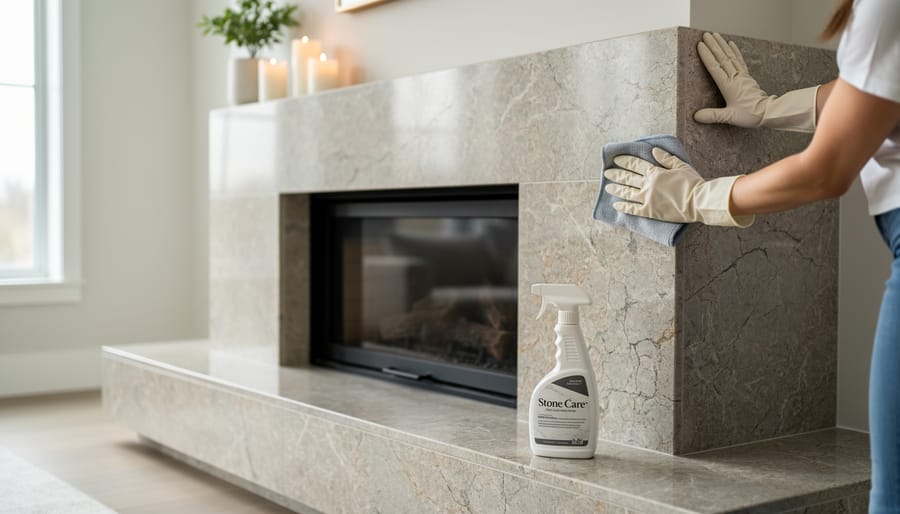
Maintaining your stone fireplace requires regular attention to preserve its natural beauty and prevent damage. For daily care, use a soft, dry microfiber cloth to remove dust and ash residue from stone surfaces. Weekly cleaning involves wiping down the stone with a pH-neutral cleaner specifically formulated for natural stone—avoid acidic or abrasive products that can etch or scratch surfaces.
Different stone types require tailored approaches. Granite and quartzite are more resilient and can tolerate gentle scrubbing with a soft brush for stubborn soot stains. Marble, limestone, and travertine are porous and acid-sensitive, requiring immediate cleanup of any spills and gentle cleaning techniques only. Apply a stone-specific sealer annually to protect against stains and moisture penetration.
Seasonal deep cleaning should include removing all loose debris, washing the entire surface with appropriate cleaners, and inspecting grout lines for deterioration. Address soot buildup promptly using stone-safe cleaners and soft cloths, working from top to bottom. For persistent stains, consult a professional stone restoration specialist rather than attempting aggressive DIY methods that could cause permanent damage.
Sealing and Protection
Protecting your natural stone fireplace with proper sealing ensures longevity and maintains its appearance. Porous stones like limestone, sandstone, and travertine require sealing before use and periodic reapplication, while dense granite and slate need less frequent treatment. Apply a penetrating siloxane or silicone-based sealer specifically formulated for high-heat applications around fireplace surrounds.
For active fireplaces, inspect the stone annually and reseal every 1-3 years depending on stone porosity and usage frequency. Non-combustible stone within the firebox itself typically doesn’t require sealing due to extreme heat exposure. Test if resealing is needed by placing water drops on the surface—if water absorbs rather than beads up, it’s time to reseal.
Before sealing, thoroughly clean the stone with a pH-neutral cleaner and allow complete drying for 24-48 hours. Apply sealer following manufacturer instructions, typically using a brush or sprayer in thin, even coats. This simple maintenance protects against staining, moisture penetration, and soot absorption while preserving your fireplace’s natural beauty.
Addressing Stains and Damage
Natural stone fireplaces can develop specific issues over time that require targeted solutions. Soot stains are among the most common problems, particularly on lighter stones like marble or limestone. For fresh soot, start with a dry chemical sponge designed for smoke residue, gently wiping the surface without water. Stubborn stains may require a pH-neutral stone cleaner and soft-bristle brush, always testing in an inconspicuous area first.
Heat discoloration typically appears as darkened areas around the firebox opening. While some discoloration adds character and patina to rustic designs, excessive darkening can be addressed by professional stone restoration services that use specialized poultices to draw out deep stains.
Minor chips and surface damage are repairable using stone-specific epoxy fillers matched to your stone’s color. For significant structural damage or cracks, consult a stone professional to assess whether repointing, replacement stones, or reinforcement is necessary. Regular sealing helps prevent future staining and makes cleanup easier.
Installation Insights: What to Expect
Installing a natural stone fireplace is a substantial investment that requires careful planning and professional expertise. Understanding the process helps you set realistic expectations and budget accordingly.
The installation timeline typically spans 3-7 days for standard projects, though complex custom designs may extend to two weeks. Initial preparation includes site assessment, structural evaluation, and ensuring proper foundation support, as natural stone can be significantly heavier than alternative materials. Your contractor will verify that floor joists and framing can handle the additional weight, which may require reinforcement in some cases.
Professional stone installation is essential for natural stone fireplaces due to the technical expertise required. Skilled masons understand proper mortar selection, stone cutting techniques, and structural considerations that ensure both safety and longevity. DIY installation is not recommended, as improper techniques can lead to structural issues, poor adhesion, or fire safety concerns.
Cost factors vary widely based on several elements. Stone type significantly impacts pricing, with granite and marble typically commanding premium rates compared to limestone or fieldstone. Expect material costs ranging from $75-250 per square foot for the stone itself. Labor typically adds $50-100 per square foot, depending on design complexity and regional rates. Additional expenses include hearth construction, mantel installation, chimney modifications, and potential structural reinforcements.
The process begins with design consultation and material selection, followed by site preparation and stonework installation. Masons dry-fit pieces before permanent placement, ensuring proper alignment and aesthetic flow. Mortar curing requires 24-48 hours before use, with full strength developing over several weeks.
Budget approximately 20-30 percent above initial estimates for unforeseen circumstances, such as hidden structural issues or design modifications during installation. Request detailed written quotes from multiple licensed contractors, verify insurance coverage, and review portfolios of completed fireplace projects before making your selection.
A natural stone fireplace represents more than just a heating source—it’s an architectural investment that delivers lasting value, timeless beauty, and enduring functionality to your home. The inherent durability of natural stone means your fireplace can serve multiple generations while maintaining its structural integrity and visual appeal, making it one of the most worthwhile investments in home improvement.
As you move forward with your fireplace project, carefully evaluate your specific needs alongside your aesthetic preferences. Consider how the fireplace will function within your space, whether you prioritize traditional warmth or contemporary minimalism, and honestly assess your willingness to maintain the stone you select. Different stone types demand varying levels of care, and understanding these requirements upfront ensures long-term satisfaction with your choice.
Working with experienced professionals—including designers, masons, and installers—proves invaluable in bringing your vision to life while avoiding costly mistakes. These experts can guide you through technical considerations like proper ventilation, structural support requirements, and sealing protocols that protect your investment. They also help navigate the balance between design aspirations and practical constraints such as budget and existing architecture.
View your natural stone fireplace as a permanent enhancement that elevates your home’s character and market value. The right stone selection, thoughtfully designed and professionally installed, creates a focal point that enriches your living experience while standing as a testament to quality craftsmanship and natural beauty for decades to come.