Specify your aesthetic and performance requirements before selecting exterior stone—consider surface finish, color consistency, and dimensional tolerance alongside compressive strength ratings above 8,000 PSI and water absorption rates below 0.4% for freeze-thaw durability. Modern commercial projects demand materials that deliver both architectural impact and measurable longevity, making natural stone in architecture an increasingly strategic choice for exterior cladding, paving, and accent applications.
Evaluate granite, limestone, sandstone, and quartzite against your project’s specific exposure conditions—coastal environments require dense, low-porosity options like granite, while sheltered urban facades can accommodate the warmth of limestone with appropriate sealing protocols. Each stone type carries distinct maintenance requirements, cost implications, and installation methodologies that directly impact total lifecycle value.
Integrate thermal movement calculations early in design development, accounting for coefficient of expansion rates between 4-8 micrometers per meter per degree Celsius depending on stone composition. Proper anchoring systems, joint spacing, and drainage plane design prevent the costly failures that undermine stone’s reputation for permanence.
Source from quarries providing third-party testing documentation for slip resistance, abrasion hardness, and breaking strength—specification without verification exposes projects to performance gaps. Natural stone’s 50-100 year service life and minimal embodied carbon compared to manufactured alternatives position it as both an aesthetic investment and sustainability strategy for developments prioritizing LEED certification and ESG reporting requirements.
The Business Case for Exterior Natural Stone in Commercial Buildings

Durability That Outlasts Conventional Materials
Natural stone stands as one of the most enduring facade materials available, with a proven track record spanning centuries. While modern alternatives may offer lower initial costs, few can match the exceptional lifespan that natural stone provides for commercial buildings.
Consider the Equitable Building in New York City, completed in 1915 with a granite facade that remains structurally sound and aesthetically impressive after more than a century of exposure to harsh urban conditions. Similarly, the Chicago Board of Trade Building, clad in limestone since 1930, continues to maintain its commanding presence with only routine cleaning and minimal repairs over nine decades.
When examining maintenance records, the difference becomes clear. A comprehensive study of commercial buildings in downtown Boston revealed that granite and limestone facades required approximately 60% less maintenance intervention over a 50-year period compared to precast concrete panels and synthetic materials. While metal panels and fiber cement typically need replacement or significant refurbishment every 25-30 years, properly installed natural stone facades commonly exceed 100 years with basic maintenance.
The inherent density and composition of natural stone resist weathering, UV degradation, and thermal cycling far more effectively than manufactured alternatives. Granite, for instance, maintains its structural integrity and color stability even in coastal environments where salt spray accelerates deterioration of other materials. Maintenance costs over the building’s lifetime typically prove substantially lower, as stone requires periodic cleaning rather than replacement, making it a financially prudent choice for long-term property investments.
Lower Life-Cycle Costs Despite Higher Initial Investment
While natural stone carries a higher upfront cost than many conventional exterior materials, typically ranging from 15-40% more than manufactured alternatives, comprehensive lifecycle analysis reveals significant long-term savings. Over a 20-30 year period, natural stone’s exceptional durability and minimal maintenance requirements dramatically reduce total ownership costs.
Consider a typical commercial facade project: manufactured panels may require repainting or refinishing every 5-7 years, with complete replacement often necessary within 15-20 years. Natural stone, by contrast, maintains its structural integrity and aesthetic appeal for decades with only basic cleaning and occasional repointing of joints. Annual maintenance costs for stone exteriors average 60-70% less than alternatives requiring protective coatings or surface treatments.
Real-world data from institutional buildings demonstrates these savings clearly. A university administration building clad in granite in 2000 has required only pressure washing and minor joint maintenance totaling $8,000 over 20 years. A comparable building with metal composite panels spent $47,000 on repainting, panel replacement, and weatherproofing during the same period.
The replacement factor proves equally compelling. When factoring in the inflation-adjusted cost of complete facade replacement, natural stone’s longevity becomes a powerful economic advantage. Stone facades routinely exceed 50-year lifespans without structural replacement, while most alternatives face major overhauls or complete replacement within 25-30 years. This extended service life, combined with lower maintenance demands, typically results in 30-45% lower lifecycle costs despite the premium initial investment.
Popular Exterior Stone Types for Modern Workspace Architecture
Granite: The Workhorse of Commercial Facades
Granite stands as one of the most dependable choices for commercial building exteriors, earning its reputation through decades of proven performance in demanding environments. This igneous rock forms deep within the earth under intense heat and pressure, resulting in an exceptionally dense material with minimal porosity. These formation conditions create a stone that naturally resists moisture absorption, freeze-thaw cycles, and chemical weathering—critical factors for exterior applications in varied climates.
The material’s impressive compressive strength, typically ranging from 19,000 to 37,000 PSI, makes it ideal for high-traffic commercial entrances, cladding systems, and architectural accent features. Granite maintains its structural integrity and appearance for decades with minimal maintenance, reducing long-term ownership costs for commercial properties.
Available in an extensive color palette from classic grays and blacks to warm beiges, reds, and even blues, granite offers design flexibility while maintaining a professional aesthetic. The stone’s characteristic speckled appearance comes from its mineral composition—primarily quartz, feldspar, and mica—with each quarry location producing distinctive color variations and patterns.
In workspace design, granite frequently appears as entrance surrounds, column cladding, and ground-level facades where durability meets visual impact. Its polished, honed, or flamed finishes allow designers to achieve different aesthetic effects while maintaining the material’s inherent weather resistance.
Limestone: Versatile and Sophisticated
Limestone offers a refined aesthetic that perfectly complements contemporary office architecture. Its soft, neutral color palette—ranging from creamy whites to warm beiges and subtle grays—creates a sophisticated backdrop that enhances modern design without overwhelming it. The stone’s naturally smooth texture and consistent appearance provide clean lines that architects favor for minimalist facades, while its fine-grain structure allows for precise cutting and detailing.
From a maintenance perspective, limestone requires more attention than granite but remains manageable with proper care. Regular sealing protects against moisture absorption and staining, particularly important in exterior applications where weather exposure is constant. Contemporary office buildings often feature limestone in combination with glass and metal elements, where its organic warmth balances harder industrial materials.
Limestone’s popularity in commercial projects stems from its versatility and timeless appeal. It adapts seamlessly to various architectural styles—from sleek corporate headquarters to mixed-use developments—while maintaining an understated elegance. The stone’s workability allows for custom profiles, making it ideal for entrance surrounds, column cladding, and accent panels. Its moderate cost compared to premium stones like marble makes it financially attractive for large-scale commercial installations without sacrificing visual impact.

Slate: Modern Texture and Weather Resilience
Slate brings a distinctive, layered texture to exterior facades that immediately sets contemporary buildings apart. Its natural cleavage creates fine-grained surface variations that catch light beautifully throughout the day, offering visual depth unmatched by manufactured materials. The stone’s inherent stratification also provides excellent slip resistance for exterior walkways and entry sequences.
From a performance standpoint, slate excels in challenging climates. Its low porosity and dense composition resist freeze-thaw cycles effectively, making it ideal for regions with dramatic seasonal temperature shifts. Water absorption rates typically remain below 0.4%, preventing moisture penetration that can compromise structural integrity over time.
Modern architects increasingly specify slate for rain screen systems and ventilated facade assemblies. The material’s relatively light weight compared to granite or limestone simplifies installation on multi-story structures while maintaining impressive durability. Color options ranging from charcoal and blue-gray to green and burgundy integrate seamlessly with steel, glass, and wood elements in mixed-material designs, supporting the material palette preferences of contemporary commercial architecture.
Sandstone: Warm Tones for Welcoming Exteriors
Sandstone delivers an inherently warm aesthetic that creates inviting exterior environments, with color palettes ranging from rich ochres and terra cottas to softer beiges and creams. These natural variations result from mineral content and geological formation processes, offering architects diverse options to complement regional architectural styles. The stone performs exceptionally well in moderate climates where freeze-thaw cycles are minimal, as its porous nature can absorb moisture that may cause damage in extreme cold. Desert regions and temperate coastal areas prove ideal for sandstone applications, where its natural permeability allows buildings to breathe while maintaining structural integrity. Density varies significantly between quarry sources—denser varieties from the Southwest United States and India demonstrate superior weather resistance compared to softer European sandstones. When selecting sandstone for commercial exteriors, consider local climate patterns and specify appropriate sealants to enhance longevity. The material’s relatively soft composition allows for intricate detailing and custom fabrication, making it particularly suitable for building entries, accent walls, and architectural features where visual warmth supports workplace wellness objectives.
Design Applications: Where Exterior Stone Makes the Greatest Impact
Full Facade Installations
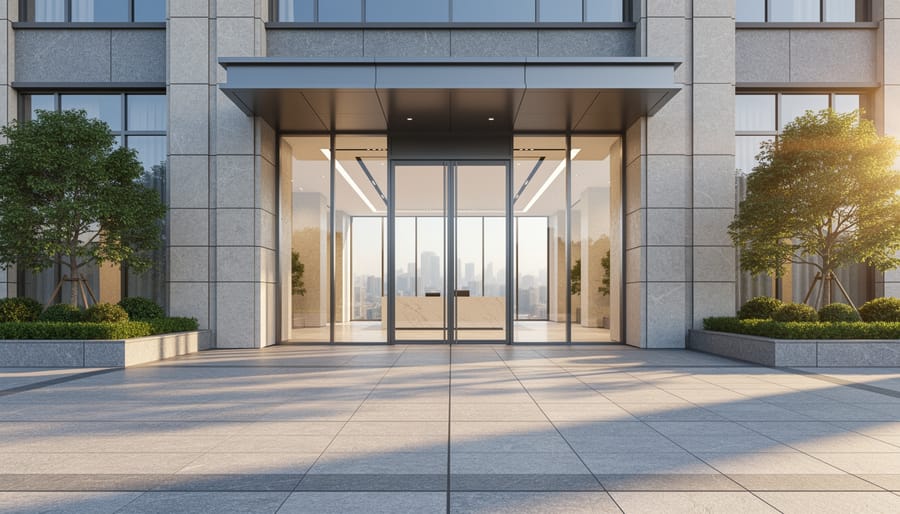
Full facade installations represent the most dramatic application of exterior natural stone, transforming entire building exterfaces into architectural statements. Modern stone cladding systems utilize advanced anchoring methods including mechanical fasteners, adhesive bonding, and rainscreen assemblies that allow buildings to breathe while maintaining weather protection.
Installation techniques vary based on stone type and building height. Granite and limestone panels typically range from 1.25 to 2 inches thick for commercial applications, mounted on steel support frames with adjustable clips. This approach accommodates thermal expansion and provides ventilation behind the stone surface, preventing moisture accumulation.
Notable examples include the travertine facade of the Getty Center in Los Angeles, which uses precision-cut panels to create a cohesive Mediterranean aesthetic, and the limestone exterior of the National Gallery in Washington D.C., demonstrating stone’s longevity in high-profile applications. Contemporary installations increasingly incorporate mixed stone types and textures, creating visual interest while maintaining structural integrity. Professional installation requires coordination between structural engineers, stone fabricators, and skilled masons to ensure proper load distribution and weatherproofing, making facade projects significant investments that deliver lasting architectural impact.
Accent Walls and Feature Elements
Strategic placement of natural stone creates maximum visual impact while managing project costs effectively. Rather than cladding entire building facades, focus stone applications on high-visibility areas where they’ll make the strongest impression. Main entrances benefit significantly from stone surrounds or full stone walls, immediately establishing a quality aesthetic and brand identity. This targeted approach can reduce material costs by 60-70% compared to full facade coverage while maintaining premium appearance.
Vertical elements like columns, pilasters, and corner details serve as architectural anchors that draw the eye and add dimensional interest. These features work particularly well with granite or limestone, which offer the structural presence needed for load-bearing or load-appearing applications. Consider wrapping support columns at building entrances or creating stone-clad towers at corners to establish visual hierarchy.
Feature walls in courtyards, atriums, or alongside pathways provide opportunities for creative expression without extensive investment. Mixing stone types or incorporating different finishes within these focal areas adds texture and depth. For modern workspaces, combining split-face stone with honed panels creates dynamic contrast that photographs well and reinforces contemporary design language. This balanced approach allows you to achieve the prestige of natural stone while allocating budget efficiently across your entire project scope.

Courtyards and Outdoor Collaboration Spaces
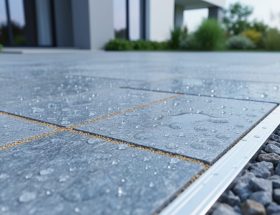
Natural stone transforms ordinary courtyards into dynamic outdoor collaboration spaces that blur the boundaries between interior and exterior work environments. Stone paving creates durable, all-weather surfaces that withstand heavy foot traffic while maintaining visual appeal year-round. Popular choices include bluestone, granite, and sandstone pavers, each offering distinct textures and color palettes that complement surrounding architecture.
Low-profile stone walls serve multiple functions in outdoor workspaces—defining zones for different activities, providing informal seating edges, and integrating planters that soften hardscapes with greenery. These walls typically range from 18 to 30 inches high, creating comfortable perch seating without obstructing sightlines or natural ventilation.
Built-in stone seating elements, such as benches carved from limestone or granite slabs, offer permanent gathering spots that require minimal maintenance compared to wooden or metal alternatives. The thermal mass properties of stone provide comfortable seating temperatures in moderate climates, though cushions may enhance comfort during extended use.
Strategic placement of stone elements creates microclimates within courtyards—sun-warmed surfaces for cooler months and shaded stone areas beneath pergolas or trees for summer comfort. This thoughtful integration extends usable workspace throughout multiple seasons, maximizing return on outdoor amenity investments while creating memorable environments that enhance employee satisfaction and productivity.

Performance Benefits Beyond Aesthetics
Thermal Mass and Energy Efficiency
Natural stone offers exceptional thermal mass properties that significantly impact building energy performance. This inherent characteristic allows stone to absorb, store, and slowly release heat, creating a natural buffer against temperature fluctuations throughout the day. In commercial applications, exterior stone cladding can reduce peak cooling loads by absorbing solar heat during the day and releasing it gradually after sunset, effectively moderating interior temperature swings.
The dense composition of granite, limestone, and other natural stones provides superior thermal conductivity compared to many manufactured materials. This translates to measurable reductions in HVAC operational costs, particularly in climates with substantial day-night temperature variations. Buildings with substantial stone masses can maintain more stable interior conditions, reducing the strain on heating and cooling systems.
Studies of commercial buildings with natural stone facades show energy savings ranging from 15-25% compared to structures with conventional lightweight cladding systems. The stone’s ability to delay heat transfer into the building envelope during peak sun hours means cooling systems operate more efficiently, reducing both energy consumption and demand charges. For facility managers focused on operational efficiency, this passive climate control represents a long-term value proposition that extends well beyond the initial material investment.
Acoustic Properties for Urban Settings
Natural stone facades offer significant acoustic advantages for commercial buildings in high-traffic urban environments. Dense stone materials like granite and limestone naturally absorb and deflect sound waves, reducing ambient street noise that penetrates office spaces. This passive sound dampening creates quieter, more productive work environments without requiring additional acoustic treatments or mechanical solutions.
In dense commercial districts, exterior stone installations can reduce noise pollution by 30-50 decibels depending on thickness and stone type. The material’s mass and density interrupt sound transmission, particularly effective against low-frequency traffic noise and construction activity. For ground-level retail spaces and street-facing offices, this translates to measurably improved indoor acoustic comfort, supporting employee concentration and reducing workplace stress. The stone’s thermal mass properties complement its acoustic benefits, as thicker installations provide dual functionality for both sound insulation and temperature regulation in modern workspace design.
Low-Maintenance Exteriors for Operational Efficiency
Natural stone’s inherent durability translates directly into operational cost savings for commercial properties. Unlike painted or coated surfaces that require frequent refinishing, materials like granite, limestone, and quartzite maintain their appearance with minimal intervention. The dense composition of properly selected exterior stone naturally resists staining and weathering, reducing the need for intensive cleaning protocols that consume staff time and resources.
Rain acts as a natural cleaning agent for most stone facades, washing away surface dirt and pollutants without chemical treatments. When periodic maintenance is necessary, simple water washing or mild detergent solutions typically suffice. Stone surfaces don’t trap moisture like porous materials, preventing mold and mildew growth that often necessitates costly remediation in other building materials. This self-sustaining characteristic makes natural stone particularly valuable for large-scale commercial installations where maintenance accessibility may be limited or where minimizing building operation disruptions is essential for business continuity.
Sustainability and Environmental Considerations
Natural Stone’s Role in Green Building Standards
Natural stone plays a significant role in achieving green building certifications and supporting environmentally responsible construction practices. When properly sourced and specified, exterior natural stone can contribute valuable points toward LEED certification in several categories, including Materials and Resources, Regional Materials, and Innovation in Design. Stone’s natural composition requires no chemical manufacturing processes, reducing environmental impact compared to synthetic alternatives.
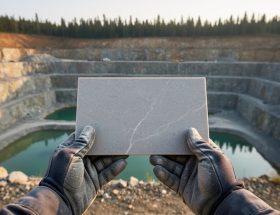
The embodied energy of natural stone remains relatively low, particularly when sourced locally or regionally. Unlike manufactured materials requiring energy-intensive production, stone is extracted and processed with minimal transformation. Its exceptional durability translates to reduced replacement cycles, further lowering lifetime environmental costs. Many quarries now participate in third-party environmental certification programs that verify sustainable extraction practices, water management, and habitat restoration efforts.
Natural stone’s thermal mass properties contribute to energy efficiency by moderating temperature fluctuations and reducing heating and cooling demands. These characteristics make it a strategic material choice for sustainable architecture projects. Specifiers should request Environmental Product Declarations (EPDs) and Health Product Declarations (HPDs) from suppliers to document environmental performance and support green building documentation requirements.
Sourcing and Local Materials Strategy
Selecting regionally sourced exterior natural stone offers significant advantages for commercial projects. Local quarrying dramatically reduces transportation costs and carbon emissions associated with long-distance shipping, directly contributing to natural stone’s environmental benefits. Projects specifying stone from nearby quarries can cut delivery expenses by 30-50% compared to imported alternatives while supporting regional economies through job creation and local business partnerships.
Regional stone also ensures better material consistency throughout a project’s timeline. Proximity to the quarry means faster access to additional materials if needed during construction or future renovations, eliminating concerns about discontinued stone varieties or color variations from different production batches. Working with local suppliers provides direct communication channels with quarry operations, enabling custom cuts and specialized finishing requests that may be challenging with distant suppliers.
Beyond cost savings, choosing indigenous stone creates architectural authenticity that resonates with the surrounding landscape. Buildings clad in regional materials establish visual harmony with their environment while telling a story of place. This approach aligns with growing preferences for transparent supply chains and community-focused development, making it an increasingly attractive option for socially conscious organizations and sustainability-focused projects.
Installation Considerations for Commercial Projects
Working with Specialized Contractors
Successful exterior stone installation requires contractors with specific expertise beyond general masonry skills. When selecting installation teams, architects and project managers should verify experience with the particular stone types specified for their project, as handling requirements vary significantly between granite, limestone, and sandstone.
Look for contractors who understand substrate preparation, proper anchoring systems, and weatherproofing techniques essential for exterior applications. Request documentation of previous commercial projects, including photos and references that demonstrate work quality over time. Qualified installers should be familiar with industry standards from organizations like the Natural Stone Institute and local building codes governing exterior cladding.
During the bidding process, evaluate contractors based on their project timeline realism, warranty offerings, and communication practices. The most experienced teams will conduct thorough site assessments and identify potential challenges before installation begins, preventing costly delays and ensuring long-term performance of your natural stone investment.
Timeline and Project Coordination
Planning an exterior natural stone project requires realistic timeline expectations to ensure seamless coordination with other construction phases. Material procurement typically takes 4-8 weeks depending on stone type, custom finishing requirements, and supplier availability. Exotic or rare stone varieties may extend this timeline to 12 weeks or more.
Installation duration varies based on project scope and complexity. A typical commercial facade covering 1,000 square feet requires approximately 2-3 weeks for experienced installers, factoring in substrate preparation, mortar curing times, and weather delays. Coordinate stone installation after waterproofing membranes are complete but before final grading and landscaping.
Weather significantly impacts scheduling—freezing temperatures and precipitation halt installation to prevent mortar failure. Plan stone work during favorable seasons in your region, typically spring through fall. For multi-phase projects, establish clear milestones with your general contractor to synchronize stone delivery with structural readiness. Buffer 10-15% additional time for unexpected delays, material adjustments, or custom fabrication needs. Early collaboration between stone suppliers, installers, and project managers minimizes costly schedule conflicts and ensures quality results.
Exterior natural stone represents a strategic investment for modern commercial workspaces, delivering unmatched durability, timeless aesthetics, and long-term value. The unique combination of visual impact and functional performance positions natural stone as a premium material choice that elevates brand perception while withstanding decades of environmental exposure. From granite’s weather resistance to limestone’s sophisticated appeal, each stone type offers distinct advantages tailored to specific project requirements and architectural visions.
The sustainability credentials, low maintenance demands, and proven longevity of natural stone align perfectly with contemporary workplace priorities. While initial costs may exceed alternative materials, the reduced lifecycle expenses and minimal replacement needs create compelling financial justification for discerning decision-makers. Real-world installations consistently demonstrate that properly specified and installed natural stone maintains its beauty and structural integrity far beyond conventional cladding options.
Making informed material selections requires understanding your project’s unique demands, environmental conditions, and aesthetic goals. Consulting with experienced stone specialists ensures optimal stone selection, appropriate installation methods, and realistic maintenance planning. Partner with qualified professionals who can guide you through the specification process, evaluate site-specific considerations, and help transform your commercial workspace vision into enduring reality.