
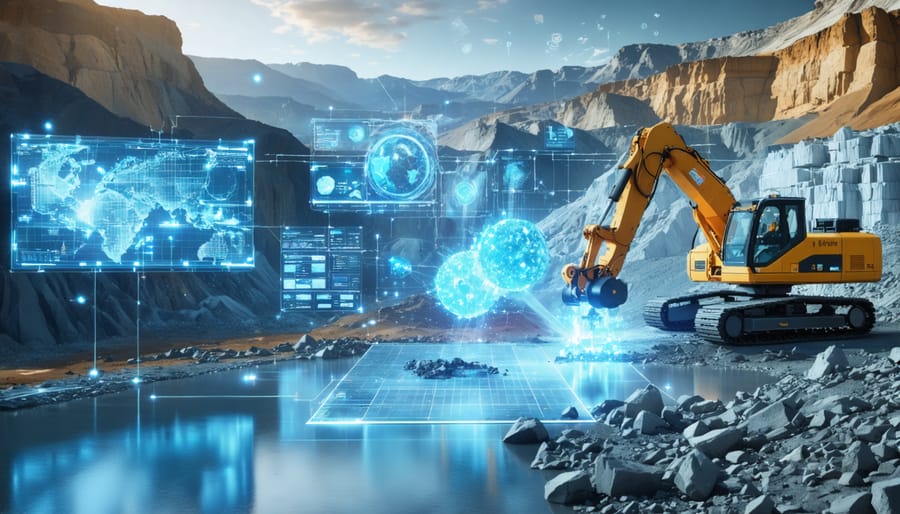
Granite innovation stands at the forefront of a transformative era in architectural materials, revolutionizing natural stone production through groundbreaking technologies and sustainable practices. Advanced robotics and AI-powered cutting systems now achieve precision within 0.1 millimeters, enabling designs that were impossible just a decade ago. Digital templating and 3D modeling technologies have fundamentally altered how we conceptualize, fabricate, and install granite surfaces, reducing waste by up to 30% while expanding creative possibilities.
This renaissance in granite fabrication extends beyond mere efficiency improvements. Breakthrough surface treatments now imbue granite with self-cleaning properties, enhanced durability, and unprecedented aesthetic options. Nano-coating technologies protect against stains and bacteria, while innovative finishing techniques create textures ranging from silk-smooth to naturally weathered appearances. These advancements, coupled with sustainable quarrying practices and reduced carbon footprint initiatives, position granite as a leading material for forward-thinking architectural applications.
In an industry traditionally bound by physical limitations, these innovations herald a new era where creativity knows no bounds, and sustainability goes hand in hand with luxury and durability.
Smart Fabrication Technologies
Computer-Guided Cutting Systems
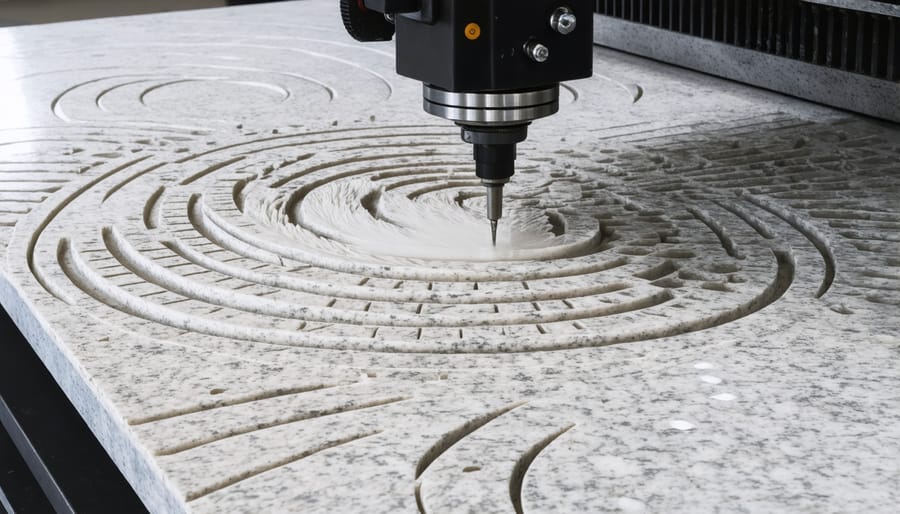
Computer-guided cutting systems have revolutionized the granite fabrication industry, bringing unprecedented precision and efficiency to stone processing. Modern CNC (Computer Numerical Control) machines use advanced software to translate digital designs into exact cutting instructions, achieving accuracy within fractions of a millimeter.
These sophisticated systems employ diamond-tipped tools and high-pressure water jets to shape granite with remarkable precision. Multiple axes of movement allow the machinery to create complex curves, intricate patterns, and detailed inlays that would be extremely difficult to achieve through traditional manual methods.
Robotic arms equipped with laser guidance systems can now scan entire slabs of granite, identifying natural veining patterns and potential flaws. This technology enables fabricators to optimize material usage and create perfect matches for book-matched installations, reducing waste and ensuring superior results.
The automation process not only increases production speed but also maintains consistent quality across large projects. Modern systems can handle everything from basic countertop cuts to elaborate three-dimensional sculptural pieces. Digital templating technology works in conjunction with these cutting systems, ensuring that measurements are perfectly translated from the job site to the finished product.
For fabricators, these innovations have significantly reduced human error while improving workplace safety. The systems can operate continuously with minimal supervision, increasing productivity while maintaining precise tolerances that meet or exceed industry standards.
3D Modeling and Digital Templates
In modern granite fabrication, 3D modeling technology has revolutionized how projects are planned, visualized, and executed. Digital templating systems use laser measurements and advanced software to create precise virtual models of both the installation space and the stone pieces needed, ensuring perfect fits every time.
These digital solutions eliminate the traditional challenges of manual measurements and paper templates, reducing human error and material waste significantly. Fabricators can now digitally nest multiple project pieces within a single slab, optimizing material usage and minimizing costly mistakes.
The technology allows clients to preview their finished projects through photorealistic renderings, making it easier to visualize different stone patterns, edge profiles, and finish options before any cutting begins. This capability is particularly valuable for complex installations involving multiple surfaces or curved elements.
Cloud-based project management systems enable real-time collaboration between designers, fabricators, and installers, streamlining the entire process from initial consultation to final installation. Digital templates can be instantly shared, modified, and approved, dramatically reducing project timelines and improving communication accuracy.
The precision offered by digital templating has made it possible to create increasingly intricate designs while maintaining tight tolerances, opening new possibilities for architectural applications of granite. This technology has become indispensable for modern stone fabrication facilities, offering both practical benefits and creative opportunities.
Enhanced Surface Treatments
Nano-Technology Sealants
Nanotechnology has revolutionized how we protect and preserve granite surfaces, introducing a new era of molecular-level protection that works in harmony with advanced quality control systems. These cutting-edge sealants utilize particles smaller than 100 nanometers to penetrate deep into the stone’s microscopic pores, creating an virtually impenetrable barrier against stains, moisture, and bacterial growth.
Unlike traditional sealants that merely coat the surface, nano-sealants chemically bond with the granite’s molecular structure, providing long-lasting protection that doesn’t alter the stone’s natural appearance or texture. This molecular integration ensures that the sealant won’t peel, yellow, or degrade over time, maintaining the granite’s authentic beauty while significantly extending its lifespan.
The application process has been streamlined for both professional installers and homeowners, requiring fewer coats and achieving faster curing times compared to conventional sealants. These advanced formulations also incorporate self-cleaning properties, where nanoparticles actively repel dirt and prevent the adherence of common household stains.
Environmental benefits are another crucial advantage of nano-sealants. They’re typically water-based and contain minimal volatile organic compounds (VOCs), making them safer for indoor air quality and more sustainable than traditional solvent-based alternatives. The enhanced durability means less frequent reapplication is needed, reducing the overall environmental impact and maintenance costs.
Recent studies have shown that nano-sealed granite surfaces maintain their protective properties for up to 15 years under normal use conditions, representing a significant improvement over traditional sealants that require reapplication every 1-3 years.
Anti-Bacterial Treatments
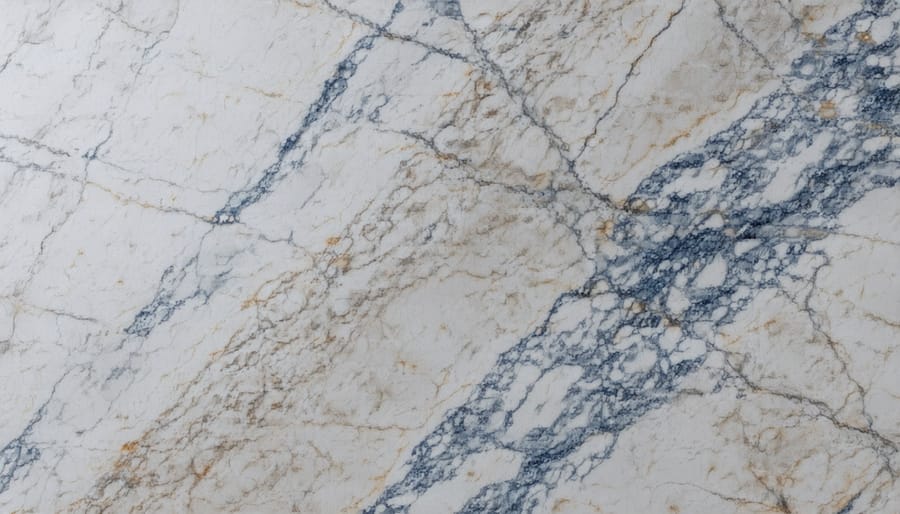
Recent innovations in granite surface technology have revolutionized the way we approach hygiene in both residential and commercial spaces. Advanced anti-bacterial treatments now provide an additional layer of protection to granite’s naturally antimicrobial properties, making it an even more compelling choice for kitchens, bathrooms, and high-traffic commercial areas.
These cutting-edge treatments incorporate silver-ion technology, which is permanently bonded to the stone’s surface during the fabrication process. This technology actively fights against harmful bacteria, mold, and other microorganisms that can accumulate on surfaces. Unlike traditional cleaning products, these treatments continue working 24/7, providing constant protection without the need for frequent reapplication.
Laboratory tests have shown that treated granite surfaces can eliminate up to 99.9% of common bacteria within 24 hours of contact. This breakthrough is particularly significant for commercial installations in healthcare facilities, restaurants, and other environments where maintaining strict hygiene standards is crucial.
The treatment process doesn’t alter granite’s appearance or durability, and it’s completely food-safe. Moreover, these innovations have enhanced granite’s already impressive performance characteristics while requiring minimal maintenance. The treatment remains effective for years, even with regular cleaning and daily use.
Many manufacturers now offer this technology as a standard feature on their premium granite products, though it can also be applied to existing installations through specialized treatment processes. This development has particularly strengthened granite’s position in commercial applications where antimicrobial properties are a primary consideration.
As the industry continues to advance, researchers are exploring even more sophisticated treatments that combine antibacterial properties with enhanced stain resistance and durability, promising even more innovative solutions for future applications.
Sustainable Extraction Methods
Low-Impact Quarrying
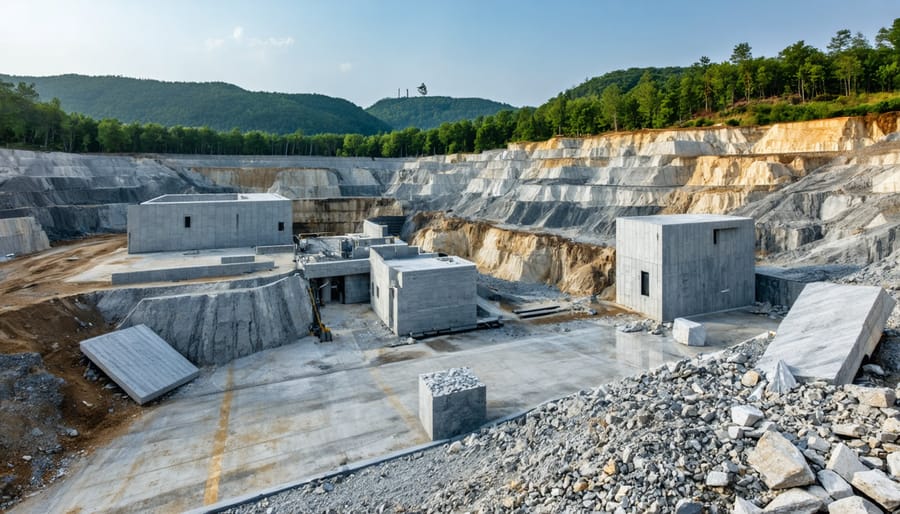
Modern quarrying techniques have evolved significantly to minimize environmental impact while maintaining efficient granite extraction. Leading quarries now employ advanced wire-cutting technology that reduces waste and noise pollution compared to traditional blasting methods. These precision cuts not only preserve more of the stone but also decrease the amount of debris generated during extraction.
Water recycling systems have become standard in progressive quarrying operations, dramatically reducing freshwater consumption. Closed-loop systems collect, filter, and reuse water used in cutting and cooling processes, protecting local water tables and reducing environmental strain.
Quarry rehabilitation programs are now integrated into extraction planning from day one. Companies map out restoration strategies before breaking ground, including plans for native vegetation replanting and habitat restoration. Some innovative operations are even creating wildlife corridors and water features within inactive quarry sections, transforming them into valuable ecosystems.
GPS-guided extraction planning helps operators maximize resource utilization while minimizing surface disruption. This technology enables precise mapping of granite deposits, allowing for more strategic and less invasive quarrying approaches. Combined with modern surveying techniques, these tools help preserve surrounding landscapes and reduce the quarry’s physical footprint.
Energy-efficient equipment and solar-powered facilities are increasingly common, reducing carbon emissions associated with granite extraction. These sustainable practices not only benefit the environment but also improve operational efficiency and reduce production costs.
Waste Reduction Technologies
The granite industry has made significant strides in reducing waste through innovative technologies and modern stone manufacturing processes. Advanced CNC cutting systems now utilize sophisticated software to optimize stone slab usage, reducing waste by up to 30% compared to traditional methods.
Digital templating technology allows fabricators to create precise measurements and layouts before cutting, minimizing errors and material waste. These systems can nest multiple projects within a single slab, maximizing material efficiency while maintaining quality standards.
Water recycling systems have become standard in progressive fabrication facilities, treating and reusing process water while capturing stone particles for potential repurposing. These captured particles find new life in composite materials, concrete production, and landscape applications.
Innovative edge piece recovery systems salvage smaller granite pieces that would traditionally be discarded. These remnants are transformed into complementary products like mosaic tiles, countertop edges, and decorative elements, creating value from what was once considered waste.
The industry has also embraced sustainable practices through the development of eco-friendly adhesives and sealants that extend product lifespans while reducing environmental impact. These advances not only minimize waste but also contribute to the granite industry’s growing commitment to sustainability and resource conservation.
Future Applications
The granite industry stands on the cusp of transformative developments that promise to revolutionize how we use and interact with this timeless material. Emerging technologies in digital fabrication are paving the way for increasingly complex and precise stone designs, with 3D printing of granite composites showing particular promise for creating intricate architectural elements previously impossible with traditional methods.
Smart surface technology represents another frontier in granite innovation. Researchers are developing granite surfaces with integrated sensors that can monitor temperature, pressure, and environmental conditions. These smart surfaces could find applications in commercial kitchens, laboratory settings, and high-end residential spaces, offering both functionality and aesthetic appeal.
Sustainability continues to drive innovation, with new recycling techniques emerging for granite waste. Scientists are exploring methods to incorporate granite particles into eco-friendly construction materials, including specialized concrete mixtures and sustainable road surfaces. This approach not only reduces waste but creates new value from previously discarded materials.
Nanotechnology applications are expected to enhance granite’s natural properties further. Advanced surface treatments using nanoparticles could improve stain resistance, durability, and even self-cleaning capabilities. Some researchers are investigating photocatalytic coatings that could give granite surfaces air-purifying properties, making them particularly valuable for urban environments.
The integration of augmented reality (AR) in granite specification and installation is gaining traction. AR tools will allow designers and customers to visualize different granite varieties in their space before purchase, while installers can use AR guidance for precise cutting and placement. This technology promises to reduce errors and improve customer satisfaction.
Automated quarrying and processing systems are set to increase efficiency and reduce environmental impact. Robot-assisted cutting and computer-vision sorting systems will optimize stone extraction and reduce waste, while advanced water recycling systems will minimize the environmental footprint of processing operations.
Looking further ahead, researchers are exploring granite’s potential in energy storage solutions. The material’s thermal properties could be enhanced to create more efficient heat storage systems for sustainable building designs. Additionally, granite’s durability makes it an excellent candidate for developing new types of battery technology storage facilities.
These innovations suggest a future where granite transcends its traditional role as a purely decorative or functional material, evolving into a smart, sustainable, and technologically integrated component of modern architecture and design.
The innovations in granite processing and application have fundamentally transformed the natural stone industry, making this timeless material more versatile, sustainable, and accessible than ever before. Advanced fabrication technologies have dramatically improved precision and efficiency, while new surface treatments have expanded granite’s aesthetic and functional possibilities. These developments have not only reduced waste and environmental impact but have also opened up creative opportunities for architects and designers. Digital solutions and automated processes have streamlined production while maintaining the material’s inherent beauty and durability. As the industry continues to evolve, these innovations position granite as a leading material choice that combines traditional elegance with modern technological advancement, ensuring its relevance for future generations of construction and design projects.