Transform your home baking with a professional-grade baking stone, an essential tool rooted in traditional stone craftsmanship. Position this thermal powerhouse on your oven’s middle rack 30 minutes before baking to achieve restaurant-quality pizza crusts, artisanal bread loaves, and perfectly flaky pastries. The stone’s natural composition creates an even heat distribution that mimics commercial brick ovens, drawing moisture away from dough to create that coveted crispy bottom while maintaining a tender interior.
Beyond pizza and bread, leverage your baking stone to regulate oven temperature fluctuations when baking delicate items like macarons and croissants. The stone’s thermal mass acts as a natural heat regulator, providing consistent temperatures throughout the baking process. For optimal results, maintain temperatures between 450-500°F for pizzas and 350-400°F for bread, allowing the stone to fully pre-heat before use. This versatile tool transforms ordinary home ovens into professional-grade baking chambers, delivering superior results across a wide range of baked goods.
The Science Behind Baking Stones
Heat Distribution and Retention
Baking stones are remarkable for their ability to distribute and retain heat evenly throughout their surface, creating the ideal environment for perfectly baked goods. When preheated properly, these dense materials maintain a consistent temperature that doesn’t fluctuate significantly when cold items are placed on them. This thermal stability is crucial for achieving crispy crusts and even baking results.
The stone’s natural composition allows it to absorb, store, and radiate heat uniformly. When placed in an oven, the stone gradually accumulates heat energy, becoming a secondary heat source that provides steady bottom-up heating. This process mimics the effect of professional brick ovens, where heat comes from all directions rather than just the ambient air temperature.
This consistent heat distribution helps eliminate common baking problems like soggy bottoms in pies or undercooked centers in bread loaves. The stone’s ability to maintain temperature also means it can compensate for heat loss when the oven door is opened, ensuring more stable baking conditions throughout the cooking process. For optimal results, most baking stones require 30-60 minutes of preheating to reach their full heat retention potential.
Material Properties
Baking stones come in various materials, each offering distinct advantages for home baking. Traditional cordierite, a mineral compound known for its exceptional heat resistance, remains a popular choice due to its durability and consistent heat distribution. These stones can withstand temperatures up to 2000°F without cracking, making them ideal for high-temperature baking.
Natural materials like granite and marble, while beautiful, exhibit different regional stone characteristics that affect their performance. Granite offers excellent heat retention but requires careful preheating to prevent thermal shock. Marble, though visually appealing, tends to be more sensitive to temperature changes and may require more delicate handling.
Ceramic baking stones provide a cost-effective alternative with good heat distribution properties. They’re lighter than natural stone options but may not retain heat as effectively. For pizza-specific applications, refractory materials like fireclay deliver superior results, creating the perfect crispy crust through optimal moisture absorption and even heat transfer.
The thickness of the stone, typically ranging from ½ inch to 1 inch, plays a crucial role in heat retention and distribution, regardless of material choice.
Essential Baking Stone Applications
Perfect Pizza Making
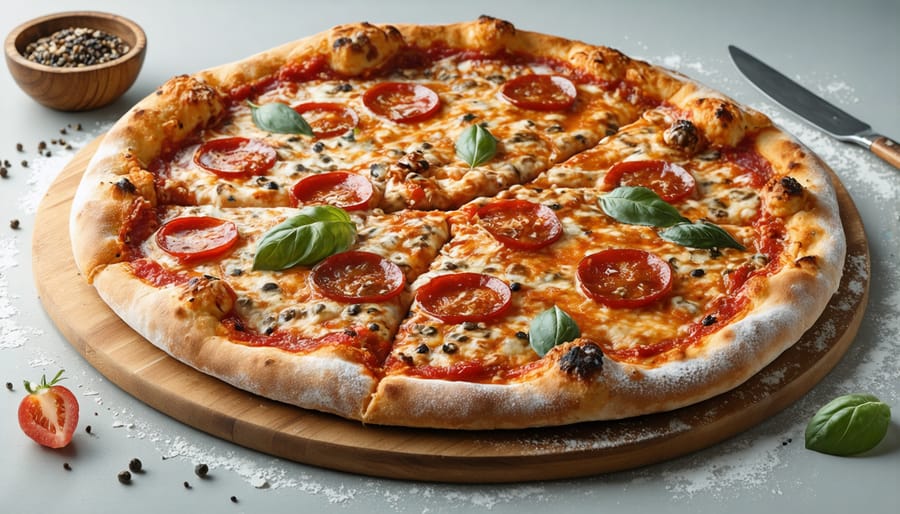
Creating restaurant-quality pizza at home starts with proper baking stone technique. Preheat your stone in the oven for at least 45 minutes at 500°F (260°C) to ensure even heat distribution. This essential step using sustainable stone materials creates the perfect foundation for a crispy crust.
Position your stone on the middle rack and use a pizza peel dusted with cornmeal or semolina flour to slide your prepared pizza onto the hot surface. The stone’s porous nature immediately begins drawing moisture from the dough, creating that coveted crispy bottom while maintaining a chewy interior.
For optimal results, keep your pizza size slightly smaller than your stone, allowing for even heat circulation. A general rule is to leave about an inch of space around the edges. Bake for 12-15 minutes, watching for the cheese to bubble and the crust to develop golden-brown spots.
The key to preventing sticking is ensuring your dough isn’t too wet and your stone is properly preheated. If you’re making multiple pizzas, allow the stone to reheat for 5-10 minutes between each one. This maintains consistent temperature and ensures each pizza achieves the same professional-quality results.
Remember to rotate your pizza halfway through baking if you notice uneven browning, using your peel to carefully turn it 180 degrees.
Artisan Bread Baking
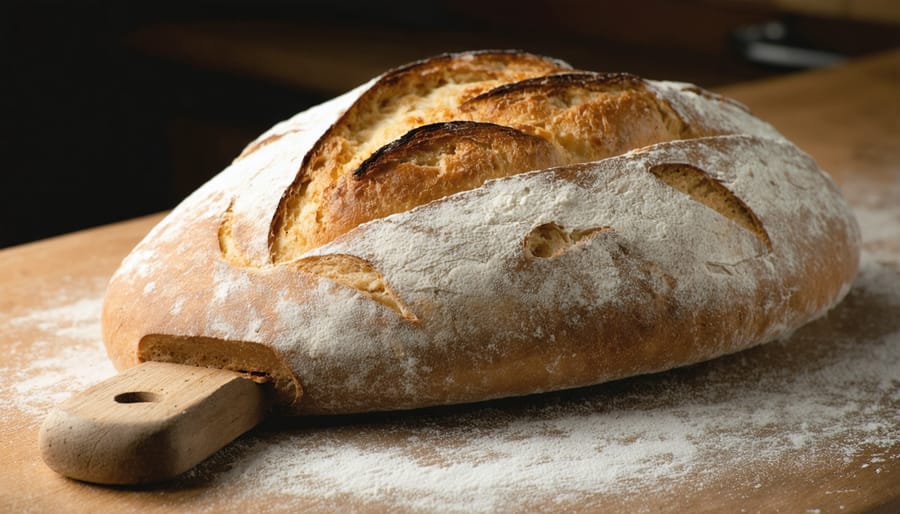
A baking stone is an essential tool for creating authentic artisan bread with a professional-quality crust and texture. When properly preheated, the stone’s porous surface rapidly conducts heat into the dough, creating the perfect environment for proper oven spring and crust development.
For optimal results, place your baking stone on the middle rack and preheat it for at least 45 minutes at your desired baking temperature. This ensures the stone is thoroughly heated and ready to transfer heat effectively to your bread dough. The stone’s ability to maintain consistent temperature helps create that coveted crispy, golden-brown crust while keeping the interior soft and chewy.
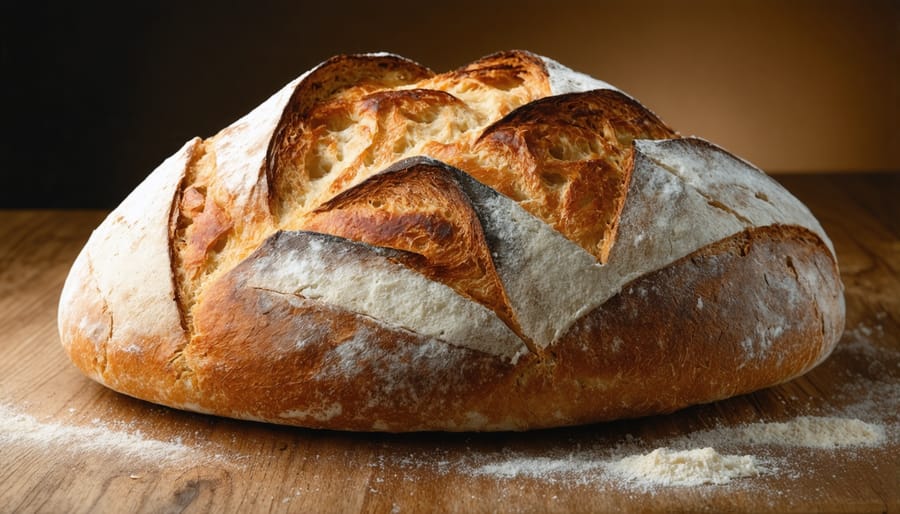
When baking artisan loaves, you can either place the dough directly on the stone using a baker’s peel or transfer it using parchment paper. The stone’s porous surface helps absorb excess moisture from the dough’s bottom, preventing a soggy base. For crusty breads like sourdough, baguettes, or ciabatta, create steam in your oven by placing a pan of hot water on a lower rack or spritzing water just before closing the oven door.
The stone’s thermal mass maintains steady heat throughout the baking process, resulting in even browning and proper rise. This consistent heat distribution is particularly important for achieving the characteristic open crumb structure and well-developed crust that defines artisan bread.
Traditional Flatbreads
Traditional flatbreads have been crafted using ancient stone cooking methods for thousands of years, and today’s baking stones perfectly recreate these time-honored techniques. When making flatbreads like naan, pita, or focaccia, a properly heated baking stone provides the intense, even heat necessary for that characteristic puff and perfect texture.
For naan bread, preheat your baking stone at 500°F (260°C) for at least 30 minutes. The stone’s high heat creates those distinctive blistered bubbles and ensures even cooking throughout. When making pita bread, the stone’s consistent temperature promotes the crucial pocket formation that defines this Middle Eastern staple.
The stone’s porous surface helps absorb excess moisture from the dough, resulting in a perfectly crispy bottom while maintaining a tender interior. This moisture-wicking property is particularly beneficial for flatbreads that traditionally cook in tandoor ovens or on hot stones.
For best results, use a pizza peel to transfer your flatbreads onto the hot stone. Keep the oven door closed during baking to maintain temperature, and rotate the breads if needed for even browning. Most flatbreads only require 2-4 minutes on a properly heated stone, making them perfect for quick meals or entertaining.
Care and Maintenance
Cleaning Techniques
Proper cleaning of your baking stone is essential for maintaining its performance and longevity. After each use, allow the stone to cool completely before attempting any cleaning. Never submerge your baking stone in water or use soap, as the porous material will absorb these substances and affect the taste of future baked goods.
Instead, scrape off any stuck-on food particles using a plastic scraper or stiff spatula. For stubborn residue, use a dry brush to remove debris. If necessary, you can wipe the stone with a slightly damp cloth, but avoid excessive moisture. Some discoloration and staining are normal and won’t affect the stone’s performance.
For deep cleaning, you can sprinkle coarse salt on the stone’s surface and scrub with a brush. Baking soda can also be used for tough stains – simply make a paste with a small amount of water and scrub gently. Always ensure the stone is completely dry before storing or using it again.
Never use cleaning chemicals or oils on your baking stone, as these can compromise its natural seasoning and potentially create harmful fumes during subsequent baking sessions.
Storage and Handling
Proper storage and handling of your baking stone is crucial for maintaining its performance and extending its lifespan. Always store your baking stone in a dry, room-temperature environment to prevent moisture absorption. While it’s tempting to keep it in the oven, this isn’t recommended if you frequently adjust oven temperatures for other cooking tasks.
Handle your baking stone with care, as it can crack if dropped or subjected to sudden temperature changes. When moving the stone, always lift it with both hands and ensure you have a secure grip. If you need to store it vertically, place it between cabinet surfaces where it won’t fall, and use soft padding materials to prevent chipping.
Never store your baking stone in damp areas or refrigerate it. Allow the stone to cool completely before storing, which typically takes 2-3 hours after use. If you’re storing it in a cabinet, consider placing a piece of parchment paper underneath to protect both the stone and the cabinet surface.
For seasonal storage, wrap the stone in a clean, dry cloth to protect it from dust and potential damage. Avoid stacking heavy items on top of the stone, as this can lead to stress fractures over time.
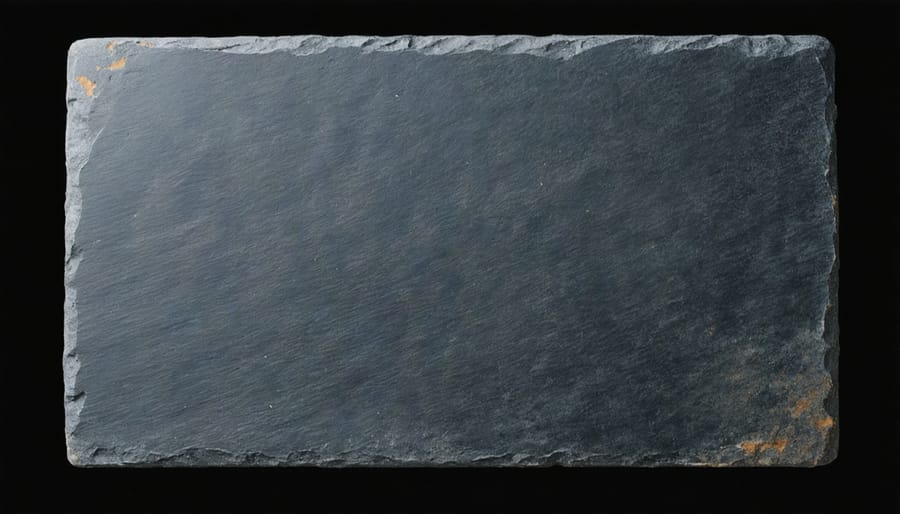
Troubleshooting Common Issues
Preventing Cracks
Preventing cracks in your baking stone requires understanding and avoiding thermal shock, which occurs when rapid temperature changes cause the stone to expand or contract too quickly. To protect your investment and ensure long-term durability, always place your stone in a cold oven and allow it to heat gradually as the oven preheats. Never place a cold stone in a hot oven or a hot stone on a cold surface.
Moisture is another common culprit in stone damage. Always ensure your stone is completely dry before use, as trapped moisture can turn to steam and cause internal stress. If your stone gets wet during cleaning, let it air dry for at least 24 hours before using it again.
When baking, avoid dripping oils or other liquids directly onto the hot stone surface. These sudden temperature variations can lead to stress points and eventual cracking. If you’re baking items with high moisture content, consider using parchment paper as a barrier.
Temperature limits are crucial – most baking stones are rated for use up to 500°F (260°C). Exceeding these temperatures can weaken the stone’s structure over time. During use, distribute items evenly across the surface to prevent concentrated heat spots that could lead to stress fractures.
For storage, keep your stone in a dry, room-temperature environment, preferably in a cabinet or on a shelf where it won’t be subjected to sudden temperature changes or physical impact.
Managing Moisture
Moisture management is crucial when using a baking stone, as excess moisture can lead to sticking issues and affect the quality of your baked goods. To prevent dough from sticking, always ensure your stone is properly preheated before use. A hot stone creates an initial crust that helps release the dough naturally.
Before placing dough on your stone, lightly dust it with cornmeal or semolina flour. These coarse ingredients act as tiny ball bearings, allowing the dough to slide easily without sticking. Avoid using excessive flour, as it can burn and create bitter flavors in your finished product.
If you’re dealing with particularly wet doughs, consider using parchment paper as a barrier. While this may slightly reduce the direct stone contact, it’s an effective solution for high-hydration recipes. Remove the parchment during the final minutes of baking to achieve a crispy bottom crust.
For bread baking, proper steam management is essential. Use a spray bottle to mist the oven cavity before closing the door, or place a shallow pan of hot water on a lower rack. This creates the humid environment needed for optimal crust development without saturating your stone.
If dough does stick, avoid scraping the stone while hot. Let it cool completely, then gently scrape off residue with a plastic scraper to prevent damage to the stone’s surface.
A baking stone is an invaluable tool that can transform your home baking from good to exceptional. By providing consistent, even heat distribution and moisture-wicking properties, these versatile implements help create the perfect environment for crispy pizza crusts, artisan bread, and delectable pastries. Their ability to simulate professional brick oven conditions makes them essential for serious home bakers looking to achieve restaurant-quality results.
The benefits of using a baking stone extend beyond just better-tasting food. They’re cost-effective, durable when properly maintained, and can last for many years. Their versatility allows you to experiment with various recipes and cooking techniques, from traditional Italian pizzas to rustic French bread and even delicate pastries.
To maximize your baking stone’s potential, remember to properly preheat it, use appropriate temperatures, and maintain it with regular care. While the initial learning curve might require some patience, the results are well worth the effort. Whether you’re an occasional baker or a dedicated enthusiast, a baking stone can significantly enhance your culinary capabilities.
By following proper usage guidelines and care instructions, you’ll find that a baking stone becomes an indispensable part of your kitchen arsenal. The satisfaction of pulling perfectly baked goods from your oven, complete with professional-looking results, makes this simple yet effective tool a worthwhile investment for any home baker.