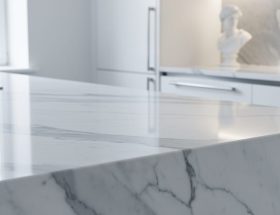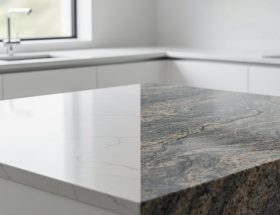
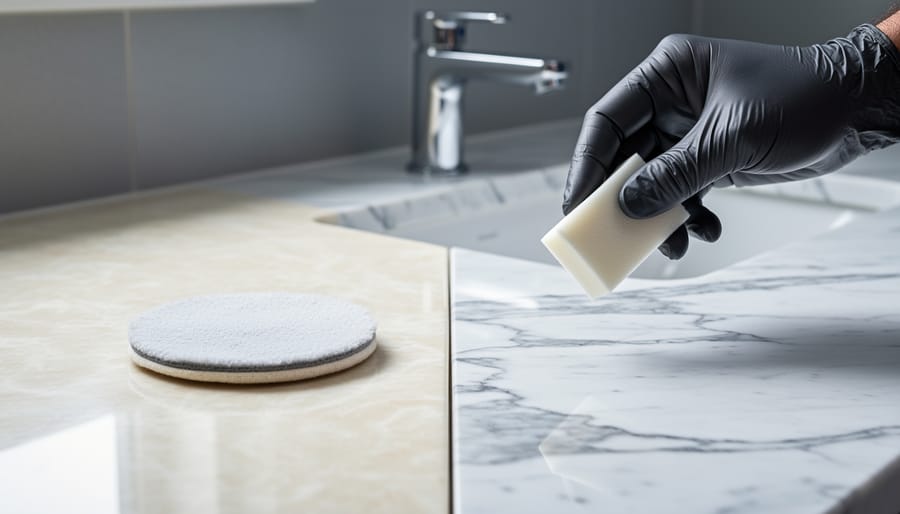
Stop before applying any sealant to cultured marble—this engineered material fundamentally differs from natural marble and requires a completely different approach to protection. Cultured marble consists of crushed limestone mixed with resin and covered with a protective gel coat that manufacturers apply during production. This gel coat serves as the primary barrier against stains and moisture, meaning traditional marble sealants are not only unnecessary but potentially harmful to the surface.
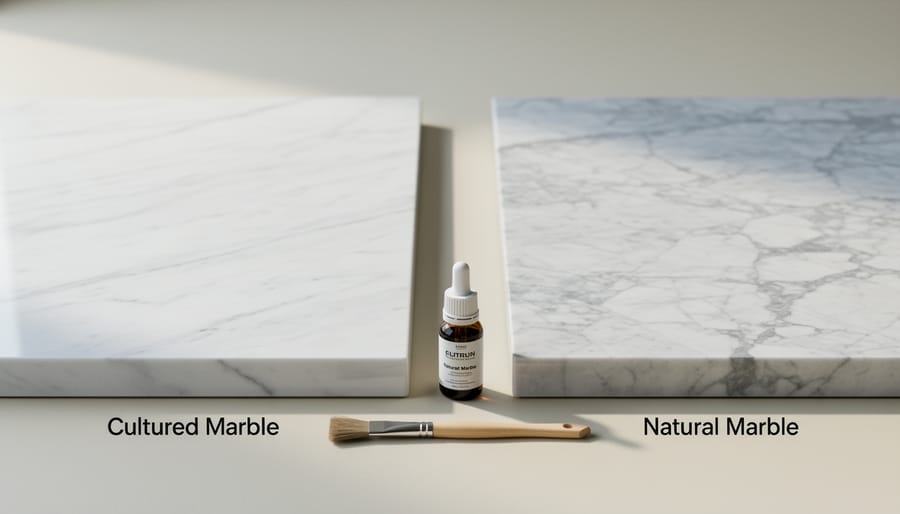
Verify your countertop material before purchasing any product. Natural marble features unique veining patterns that penetrate throughout the stone’s depth, while cultured marble displays consistent, surface-level patterns with a noticeably smoother, almost plastic-like finish. Run your hand across the surface—cultured marble feels warmer to the touch and less dense than genuine stone.
Apply sealant only to natural marble surfaces where the porous stone structure demands penetrating protection against liquids and staining agents. Modern sealant technology now offers fluoropolymer-based formulations that create molecular bonds within the stone’s crystalline structure, providing superior protection compared to traditional topical sealers that simply coat the surface.
Restore damaged cultured marble gel coats using specialized refinishing products designed explicitly for resin-based materials rather than stone sealants. These restoration systems repair scratches and dullness by rebuilding the protective gel layer, returning the surface to its original luster without the compatibility issues that arise from applying stone-treatment products to engineered surfaces. Understanding this distinction prevents expensive damage and ensures appropriate long-term maintenance for your investment.
Understanding Cultured Marble vs. Natural Marble
The Composition Difference That Changes Everything
Understanding the fundamental difference between cultured marble and natural marble begins at the molecular level. Natural marble is a metamorphic rock with a crystalline calcium carbonate structure, featuring microscopic pores and fissures that developed over millions of years. These naturally occurring channels allow liquids to penetrate the stone’s surface, which is why traditional marble requires periodic sealing to prevent staining and moisture damage.
Cultured marble, by contrast, is an engineered product consisting of crushed marble dust suspended in a polyester resin matrix. This manufacturing process creates a non-porous surface layer with fundamentally different absorption characteristics. The resin acts as a binding agent that fills the spaces between marble particles, creating a dense, sealed surface from the factory floor. This composition means cultured marble typically arrives with a gel coat finish that provides inherent protection against moisture penetration.
The porosity difference has significant implications for maintenance and sealant application. While natural marble’s crystalline structure creates interconnected channels requiring penetrating sealers, cultured marble’s resin-bound surface resists absorption of both stains and sealant products. When choosing marble countertops, understanding this distinction prevents the common mistake of applying natural stone sealers to cultured marble surfaces, where they cannot properly penetrate or bond.
The polyester resin in cultured marble also responds differently to chemical cleaners and environmental factors. While natural marble can etch from acidic substances penetrating its porous surface, cultured marble’s gel coat provides a protective barrier that changes how the material interacts with both contaminants and protective treatments.
Why Traditional Marble Sealants Don’t Work on Cultured Marble
One of the most common and costly mistakes homeowners make is purchasing traditional marble sealants designed for natural stone and applying them to cultured marble surfaces. This confusion stems from the similar appearance and naming of these two fundamentally different materials, but the consequences of using the wrong product can be significant.
Natural stone sealants are formulated to penetrate porous stone surfaces, filling microscopic gaps within the crystalline structure of materials like genuine marble, granite, or limestone. These penetrating sealers work because natural stone has an open pore structure that allows liquid absorption. However, cultured marble is an engineered product made from crushed limestone mixed with polyester resin and finished with a gel coat layer. This manufacturing process creates a non-porous, sealed surface that doesn’t allow penetration.
When homeowners apply traditional stone sealants to cultured marble, several problems typically emerge. The sealer cannot penetrate the gel coat surface, instead sitting on top as an incompatible coating. This often results in yellowing or discoloration, particularly with solvent-based products that react chemically with the polyester resin. Adhesion failure is another common issue, with the sealer peeling, flaking, or creating a cloudy haze that’s difficult to remove. The coating may also trap moisture between layers, leading to bubbling or streaking.
These application errors not only waste money but can permanently damage the cultured marble’s factory finish, requiring professional restoration to correct. Understanding this material distinction is essential before purchasing any sealant product.
Modern Sealant Technology for Cultured Marble
Polymer-Modified Coatings
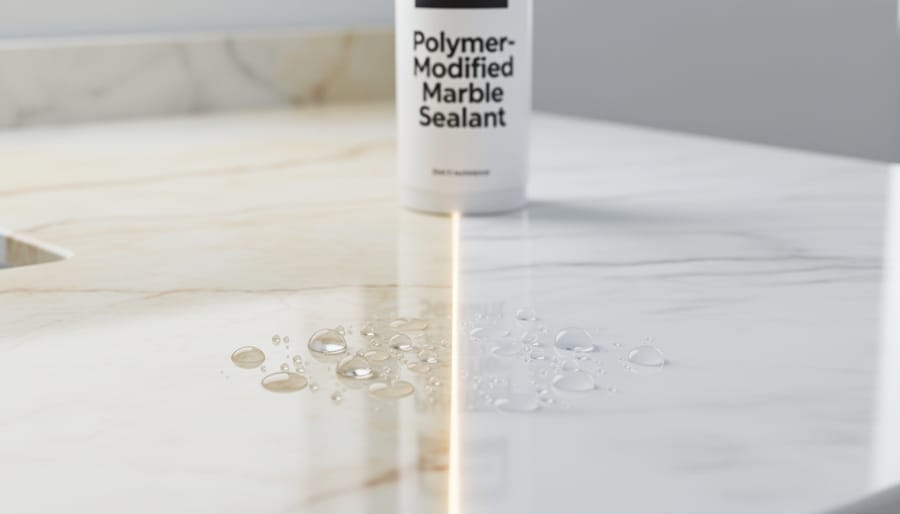
Modern polymer-modified sealants represent a significant breakthrough for cultured marble surfaces, addressing the unique challenges these engineered materials present. Unlike traditional sealants designed for porous natural stone, these advanced formulations recognize that cultured marble’s resin-based composition requires a fundamentally different approach.
The latest polymer technologies create flexible barriers that move with the surface as it expands and contracts with temperature changes—a critical feature since cultured marble contains polyester resins that behave differently than natural stone. These specialized sealants form a chemical bond with the resin matrix rather than simply penetrating pores, ensuring long-lasting adhesion without delamination or peeling.
UV resistance stands as another crucial advancement. Early sealants often yellowed when exposed to sunlight, creating unsightly discoloration on white or light-colored cultured marble. Contemporary polymer formulations incorporate UV inhibitors that maintain optical clarity for years, even in bathroom windows or kitchen areas with natural light exposure.
These modern coatings also address the compatibility issues that plagued earlier products. The polymer chains are engineered to remain flexible without softening the underlying resin, preventing the tacky feeling or degradation that occurred when incompatible chemicals interacted with the cultured marble’s polyester base.
For consumers and designers, this means cultured marble surfaces can now maintain their original appearance with protective coatings that enhance durability without compromising aesthetics. The technology has effectively bridged the gap between protection and preservation, offering solutions specifically calibrated for engineered stone products rather than adapted from natural stone applications.
Low-VOC and Eco-Friendly Options
Modern eco-conscious homeowners and building professionals increasingly seek sealants that protect cultured marble surfaces without compromising indoor air quality or environmental standards. Low-VOC (volatile organic compound) and eco-friendly sealant options have evolved significantly, offering effective protection while meeting stringent green building certifications like LEED and California’s rigorous air quality regulations.
Water-based acrylic sealants represent the most accessible low-VOC option for cultured marble. These formulations emit minimal odors during application and contain virtually no harmful solvents, making them ideal for occupied spaces or areas with limited ventilation. While some earlier water-based products sacrificed durability, current advanced formulations provide comparable protection to traditional solvent-based alternatives.
Bio-based sealants derived from renewable resources like plant oils and natural resins offer another environmentally responsible choice. These products typically feature VOC levels below 50 grams per liter—substantially lower than conventional options—while maintaining water resistance and UV stability essential for cultured marble applications.
When selecting eco-friendly sealants, verify third-party certifications such as Green Seal or GREENGUARD Gold, which validate low chemical emissions and environmental claims. Many manufacturers now provide transparent ingredient disclosures and safety data sheets, enabling informed decisions for health-conscious projects.
It’s important to note that while these environmentally responsible options excel for cultured marble’s non-porous surface, they require different application techniques than sealants designed for porous natural stone. Always confirm product compatibility with engineered surfaces rather than assuming natural stone sealants will perform appropriately on cultured marble.
Advancements in Natural Marble Sealant Technology
Nano-Technology Penetrating Sealers
Nano-technology penetrating sealers represent a breakthrough in protecting natural marble countertops at the molecular level. Unlike traditional topical sealers that sit on the surface, these advanced formulations use microscopic particles small enough to penetrate deep into marble’s naturally porous structure. Once applied, the nano-particles fill the microscopic channels and voids within the stone, creating a protective barrier from within rather than forming a coating on top.
This penetration method offers several distinct advantages for natural marble. The sealant bonds chemically with the stone’s mineral composition, providing protection that resists degradation from cleaning products, acidic substances, and daily wear. Because the treatment works below the surface, it preserves the stone’s natural appearance, breathability, and texture without leaving any visible film or sheen alteration.
Modern nano-technology sealers can last significantly longer than conventional products, with some permanent marble sealants offering protection for 15 years or more. The application process remains straightforward, typically requiring just one or two coats. Most formulations are water-based, VOC-compliant, and environmentally friendly, making them suitable for residential and commercial installations where air quality matters.
For optimal results, nano-technology sealers should only be applied to clean, properly prepared natural marble surfaces and allowed adequate curing time before exposure to moisture or heavy use.
Breathable Barrier Systems
One of the most significant innovations in natural marble sealants involves breathable barrier technology. Unlike traditional sealers that create an impermeable film, breathable sealants utilize microporous formulations that allow water vapor to escape from within the stone while preventing liquid water, oils, and staining agents from penetrating the surface.
This vapor transmission capability is essential for natural stone longevity. Marble naturally contains trace amounts of moisture that needs to evaporate. When trapped beneath non-breathable sealants, this moisture can cause discoloration, efflorescence (white salt deposits), and eventual structural damage through freeze-thaw cycles in certain climates.
Modern breathable sealants achieve this selective permeability through advanced siloxane and fluoropolymer technologies. These molecules bond at the molecular level within the stone’s pores, creating barriers small enough to block liquids but large enough to allow vapor molecules to pass through. The result is protection that works with the stone’s natural properties rather than against them.
For cultured marble, this technology is less critical since the polyester resin matrix doesn’t require moisture transmission. However, understanding this distinction helps explain why natural and engineered stones require fundamentally different sealing approaches. Applying a breathable sealer to cultured marble provides no added benefit and represents an unnecessary expense compared to simple surface maintenance with appropriate cleaners.
How to Choose the Right Sealant for Your Application
Identifying Your Countertop Material
Before selecting the right sealant, you need to confirm what material you’re actually working with. Cultured marble and natural marble may look similar, but they’re fundamentally different products requiring distinct maintenance approaches.
Start with a visual inspection. Cultured marble typically displays uniform patterns throughout, with consistent coloring that may appear slightly plastic-like under close examination. Natural marble shows organic veining with color variations and unique patterns that never repeat exactly. Check the underside or an inconspicuous edge—cultured marble often reveals a fiberglass or resin backing, while natural stone shows consistent material throughout.
Perform a simple water test in an inconspicuous area. Place a few drops of water on the surface and wait five minutes. If water beads up completely, you likely have cultured marble with an intact gel coat. If water darkens the surface or absorbs slightly, you’re probably dealing with natural marble that may need sealing.
The temperature test offers another clue. Natural marble feels noticeably cooler to the touch and stays cool, while cultured marble warms more quickly when touched. When choosing the perfect material or identifying existing countertops, these simple tests provide reliable identification before proceeding with any treatment.
Matching Sealant to Usage Patterns
Selecting the appropriate sealant requires careful consideration of where and how your cultured marble will be used. For bathroom applications, where moisture and personal care products dominate, choose sealants with excellent water resistance and mildew inhibitors. Bathroom vanities typically experience lower chemical exposure but higher humidity levels, making water-based sealants often sufficient.
Kitchen environments demand more robust protection. Cultured marble surfaces near cooking areas face grease splatter, acidic foods, and cleaning agents. Opt for sealants specifically rated for kitchen use, offering superior chemical resistance and heat tolerance up to 200°F to handle hot pots and pans.
Commercial settings require industrial-grade sealants designed for high-traffic conditions and frequent cleaning with commercial-strength products. These formulations typically offer extended durability and faster cure times to minimize downtime. Residential applications can use standard consumer-grade products that balance performance with ease of application.
Chemical exposure is perhaps the most critical factor. If your cultured marble regularly contacts harsh cleaners, hair dyes, or cosmetics, select sealants explicitly labeled as chemical-resistant. Healthcare and laboratory settings demand specialized formulations that withstand repeated disinfectant exposure without degrading or yellowing over time.
Application Best Practices and Common Mistakes
Proper application techniques vary significantly between cultured marble and natural marble, making surface preparation the most critical factor for sealant success. For cultured marble, thoroughly clean the surface with a pH-neutral cleaner and allow it to dry completely for 24 hours before determining if sealing is even necessary—many modern cultured marble products have gel coat finishes that don’t require sealants. Test water absorption by placing droplets on the surface; if water beads rather than absorbs within 5-10 minutes, sealing is unnecessary.
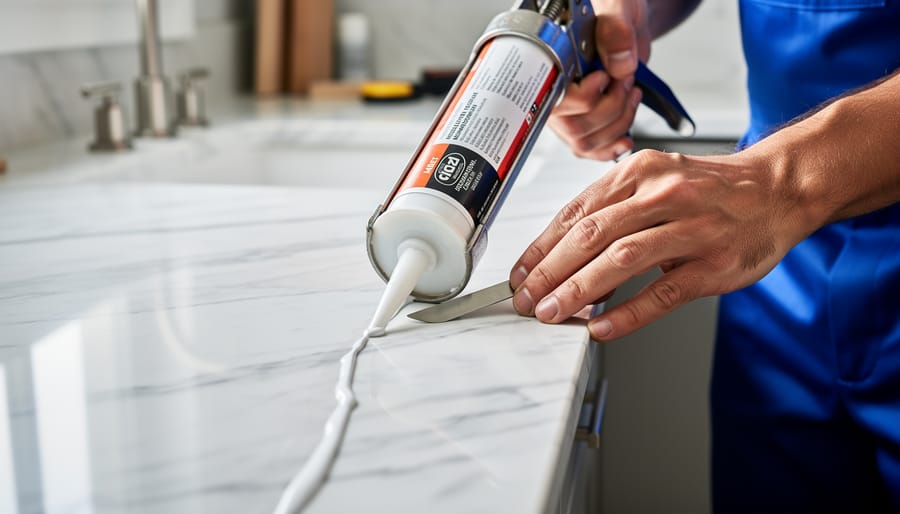
When working with natural marble sealants, avoid the common mistake of over-application. Apply thin, even coats using lint-free cloths or foam applicators, working in 3-foot sections. Excess sealant left on the surface creates hazy residue that requires aggressive buffing to remove. Most penetrating sealants require 5-15 minutes of dwell time before buffing, but always verify manufacturer specifications.
Temperature and humidity significantly impact curing. Ideal application conditions range between 50-80 degrees Fahrenheit with relative humidity below 70 percent. Full curing typically takes 24-72 hours, during which surfaces should remain dry. Rushing this process by exposing surfaces to water prematurely compromises sealant bonding and reduces effectiveness.
Maintenance schedules depend on usage intensity and traffic patterns. Kitchen countertops typically require resealing every 6-12 months, while bathroom vanities may extend to 12-18 months. Conduct the water absorption test quarterly to determine actual resealing needs rather than following arbitrary schedules. Proper marble countertop care between sealing applications extends protection and preserves appearance.
Never apply sealants to damaged, cracked, or stained surfaces without addressing underlying issues first. Sealants lock in existing problems rather than correcting them, making professional restoration necessary before resealing compromised surfaces.
Understanding the fundamental difference between cultured marble and natural marble is essential before selecting any sealant product. While natural marble is quarried stone with inherent porosity requiring specialized penetrating sealants, cultured marble is a manufactured composite with a gel-coated surface that actually repels traditional stone sealers. Applying the wrong product can damage your surface and waste money. Recent technological advances have revolutionized options for both materials, with nano-technology sealants offering superior protection for natural marble and specialized polishes designed specifically for cultured marble’s resin-based composition. Before purchasing any sealant, take a moment to correctly identify your surface—examine the underside or an inconspicuous area, consult installation records, or contact a professional. This simple step ensures you choose the appropriate product that will genuinely protect and enhance your investment rather than compromise it.