
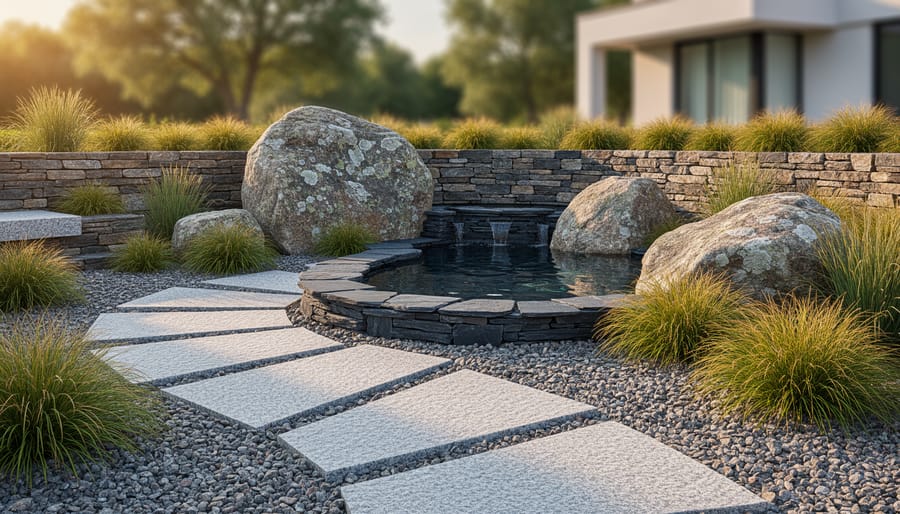
Select stone materials based on your climate and project requirements—limestone and sandstone offer porous surfaces ideal for natural patina development, while granite and slate provide exceptional durability for high-traffic pathways and water features. Match stone color and texture to your existing landscape architecture, considering how weathering will enhance rather than diminish the aesthetic over time.
Design with layering principles that mirror natural geological formations. Create depth by combining boulders as anchor points, medium-sized fieldstone for retaining walls or raised beds, and smaller river rock or pea gravel for ground cover and drainage solutions. This approach integrates seamlessly with sustainable landscape design by reducing water runoff and eliminating the need for chemical-dependent turf areas.
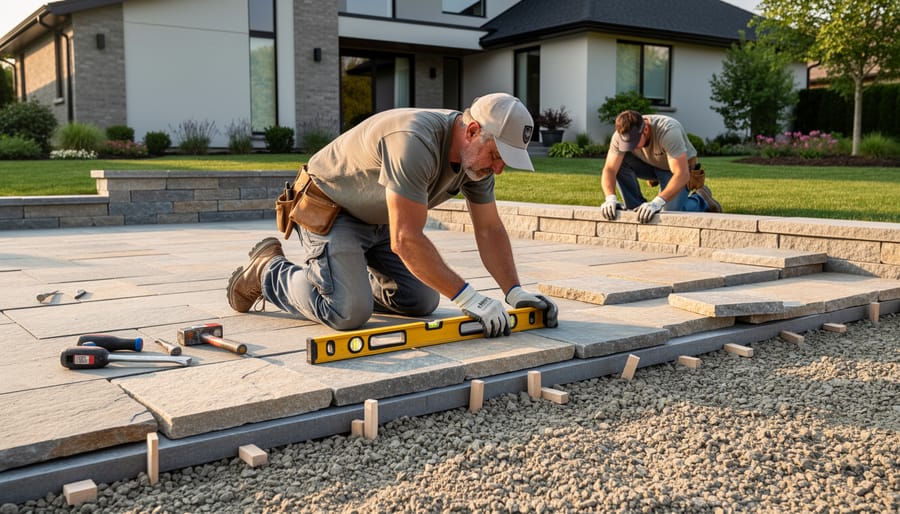
Plan installation with proper base preparation to ensure longevity. Excavate to appropriate depths based on stone weight and function—typically 6-8 inches for pathways and patios, with 4 inches of compacted gravel base beneath. This foundation prevents shifting, manages drainage, and extends the lifespan of your investment significantly beyond conventional hardscaping materials.
Source locally quarried stone whenever possible to reduce transportation costs and environmental impact while ensuring material compatibility with your regional climate conditions. Local stone naturally complements native plants and reflects the geological character of your area, creating gardens that feel inherently connected to their surroundings rather than imposed upon them.
Natural stone gardens represent more than aesthetic choices—they create permanent outdoor spaces that appreciate in value and character as they age, requiring minimal maintenance while providing timeless functionality for generations.
Why Natural Stone Belongs in Every Garden
Durability That Outlasts Trends
Natural stone represents one of the most enduring materials available for garden design, with some installations lasting centuries with minimal intervention. Unlike manufactured pavers, concrete, or composite materials that deteriorate, fade, or crack within decades, natural stone becomes more characterful with age. Granite, bluestone, and slate possess exceptional resistance to freeze-thaw cycles, UV exposure, and heavy foot traffic, making them ideal for high-use garden areas.
The maintenance requirements for natural stone are remarkably low compared to alternatives. Most stone types need only occasional sweeping and rinsing to maintain their appearance. There’s no need for sealing in most outdoor applications, and repairs are straightforward since individual stones can be replaced without disturbing the entire installation. This stands in stark contrast to poured concrete or asphalt surfaces that require regular sealing and often need complete replacement when damaged.
From an economic perspective, the longevity of natural stone offsets its higher initial investment. While manufactured materials may seem cost-effective upfront, their shorter lifespan and maintenance demands result in higher lifetime costs. Natural stone pathways, patios, and walls installed generations ago continue performing their function today, proving that quality materials transcend passing trends and deliver lasting value for garden spaces.
Environmental Benefits You Can’t Ignore
Natural stone gardens offer remarkable environmental advantages that extend far beyond aesthetic appeal. Unlike manufactured materials, natural stone requires minimal processing, reducing carbon emissions associated with production. The quarrying process extracts materials that have formed over millions of years without chemical additives or synthetic components, aligning with environmental sustainability principles.
One of stone’s most valuable contributions is water management. Permeable stone pathways and patios allow rainwater to infiltrate the ground naturally, reducing runoff and replenishing groundwater supplies. This permeability helps prevent flooding and decreases the burden on stormwater systems, particularly important in urban environments where impervious surfaces dominate.
Natural stone also combats the urban heat island effect. Light-colored stones like limestone and granite reflect rather than absorb solar radiation, keeping outdoor spaces cooler during hot months. Stone retains less heat than concrete or asphalt, creating more comfortable microclimates in your garden while reducing cooling demands for adjacent structures.
The lifecycle advantages are equally compelling. Stone’s exceptional durability means it rarely needs replacement, eliminating waste and the environmental cost of manufacturing new materials. When eventually removed, stone can be repurposed or recycled indefinitely without losing quality. This permanence exemplifies the principles of sustainable stone architecture, creating landscapes that serve multiple generations without depleting resources or contributing to landfills.
Popular Natural Stone Types for Garden Applications
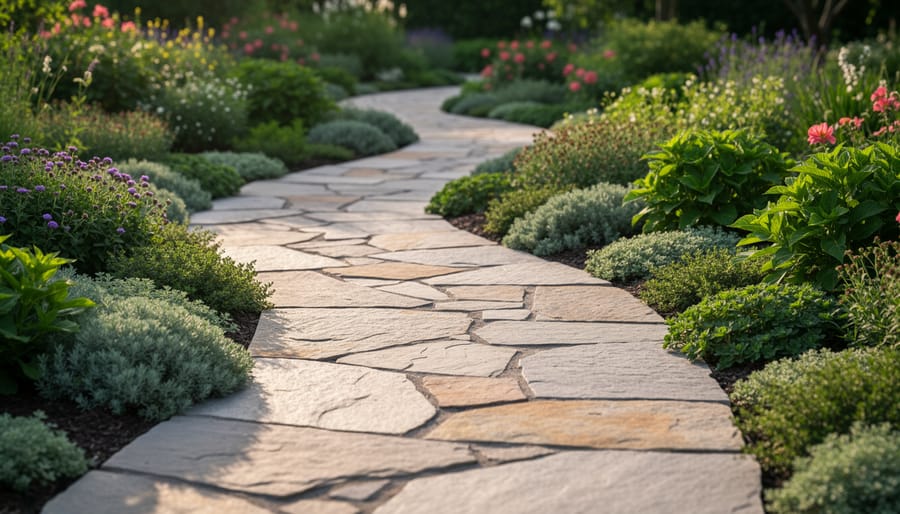
Flagstone: The Versatile Garden Workhorse
Flagstone stands as one of the most adaptable materials for garden hardscaping, prized for its flat surface and irregular shapes that create organic, flowing designs. These broad, flat stones work beautifully for pathways, patios, and stepping stone arrangements, conforming to curved layouts that would be difficult to achieve with uniform pavers. The term flagstone refers to the cut rather than a specific rock type, meaning you’ll find it available in sandstone, limestone, slate, quartzite, and bluestone varieties, each offering distinct colors and textures.
Sandstone flagstone delivers warm earth tones ranging from buff to red, while bluestone provides cool gray-blue hues popular in formal settings. Slate flagstone introduces rich purples and greens with natural cleft surfaces that prevent slipping. For pathways, flagstones can be set tightly with minimal joints or spaced apart with groundcover plantings between each piece. Patio applications typically use larger pieces fitted together like a puzzle, creating durable surfaces that age gracefully and develop character over time. The irregular edges soften hardscaping elements, helping stone features blend seamlessly with surrounding plantings.
Granite: Built for Heavy Traffic
Granite stands as the workhorse of natural stone, offering unmatched durability for garden areas that endure constant use. Its dense crystalline structure makes it ideal for driveways, outdoor staircases, and pathways where softer stones would quickly show wear. This igneous rock resists scratching, staining, and weathering better than most alternatives, maintaining its appearance even under vehicle traffic and harsh climate conditions.
The color spectrum of granite extends far beyond basic gray. Homeowners can select from warm earth tones like russet and gold, cool blues and greens, or dramatic blacks flecked with silver mica. These natural variations occur due to different mineral compositions, ensuring each installation features unique character.
Surface finishes dramatically alter granite’s functionality and aesthetics. Polished finishes create elegant, reflective surfaces perfect for formal terraces, though they can become slippery when wet. Flamed or thermal finishes provide excellent traction for steps and pool surrounds, while honed surfaces offer a sophisticated matte appearance. This versatility allows granite to adapt to both contemporary minimalist designs and traditional garden settings, making it a reliable choice for high-traffic areas requiring long-term performance.
Limestone and Travertine: Soft Elegance
Limestone and travertine bring a softer, more refined aesthetic to garden spaces, distinguished by their warm earth tones and subtly textured surfaces. These sedimentary stones feature pale cream, beige, and soft golden hues that create an inviting atmosphere perfectly suited to Mediterranean courtyards and cottage garden styles. Their naturally porous structure and lighter coloration evoke old-world charm, making them ideal for pathways, terrace flooring, and decorative accents where a gentler visual impact is desired.
However, their sedimentary composition requires thoughtful consideration. Both stones are more susceptible to weathering, staining, and acid damage than harder alternatives like granite. In garden settings, they benefit from proper sealing to protect against moisture absorption and organic staining from fallen leaves or soil contact. Regular cleaning with pH-neutral products preserves their appearance, while avoiding acidic cleaners prevents surface etching. When properly maintained and strategically placed in areas with moderate foot traffic, limestone and travertine deliver timeless elegance that enhances romantic, traditional garden designs.
Slate: Modern Texture and Color
Slate brings a distinctly modern aesthetic to garden spaces through its naturally layered composition and sophisticated color palette. The stone’s characteristic cleft surface—formed through geological splitting—creates subtle texture variations that catch light throughout the day, adding visual depth to pathways, patios, and vertical features. Unlike the uniform appearance of manufactured materials, slate’s natural surface irregularities provide authentic character while maintaining clean, contemporary lines.
Color options extend far beyond traditional gray, encompassing rich purples, deep charcoals, warm coppers, and muted greens. These earth-toned variations allow designers to create dramatic contrasts or harmonious color schemes that complement modern plantings and architectural elements. The fine-grained texture works particularly well in minimalist garden designs where simplicity and material quality take center stage.
Slate performs exceptionally as paving for sleek walkways, outdoor dining areas, and stepping stone sequences through ornamental grasses or groundcovers. Its relatively smooth surface makes it comfortable underfoot while providing adequate slip resistance. The stone’s thin profile also makes it ideal for raised planters, water features, and contemporary garden walls where clean edges and geometric precision define the design language.
Essential Design Elements for Natural Stone Gardens
Pathways and Walkways That Guide the Eye
Stone pathways serve as the circulatory system of your garden, guiding visitors through carefully curated experiences while defining distinct zones. The key to effective path design lies in balancing functionality with visual appeal.
Pattern selection dramatically impacts the overall aesthetic. Running bond patterns create directional flow, ideal for longer pathways that lead to focal points. Herringbone and basketweave arrangements add visual interest to broader areas like courtyards or patios. Random flagstone layouts offer organic charm suited to cottage gardens and naturalistic landscapes. Consider the stone’s shape and size when selecting patterns—irregular bluestone works beautifully in random designs, while uniform granite pavers excel in geometric configurations.
Spacing choices affect both appearance and practicality. Tightly fitted stones provide formal elegance and easier navigation, while gaps filled with moss, groundcovers, or fine gravel soften the hardscape and improve drainage. For stepping stone paths, maintain 18 to 24 inches between centers for comfortable stride length.
Edging defines boundaries and prevents material migration. Options include upright stone soldiers, brick borders, or metal strips that disappear into the landscape. Proper edging also facilitates maintenance by containing mulch and preventing grass encroachment.
Width matters significantly—main pathways should accommodate two people walking side-by-side at 4 to 5 feet, while secondary routes can narrow to 2 to 3 feet for intimate garden exploration.
Patios and Gathering Spaces
Planning an outdoor living area begins with understanding traffic flow and how you’ll use the space. Position your patio to capture optimal sunlight while considering privacy and views. For durability underfoot, select dense stones like granite, bluestone, or limestone with slip-resistant finishes. Larger format pavers create a more spacious feel in compact areas, while smaller units offer design flexibility.
Pattern selection dramatically impacts the visual character of your space. Classic running bond patterns provide timeless appeal and work efficiently with rectangular pavers. Herringbone designs add visual interest and structural stability for high-traffic zones. Random ashlar patterns, mixing stone sizes, create organic, naturalistic layouts that complement planted borders beautifully.
Integration with surrounding plantings softens hardscape edges and creates cohesion. Leave planting pockets between pavers for creeping thyme or sedum, which tolerate foot traffic while adding greenery. Frame patio perimeters with low-growing herbs or ornamental grasses that spill onto stone edges. Consider stone color when selecting plants—warm-toned sandstone pairs beautifully with purple and bronze foliage, while cool gray stones complement silver and blue plant palettes. Raised stone planters can define gathering areas while providing vertical interest and comfortable seating edges.
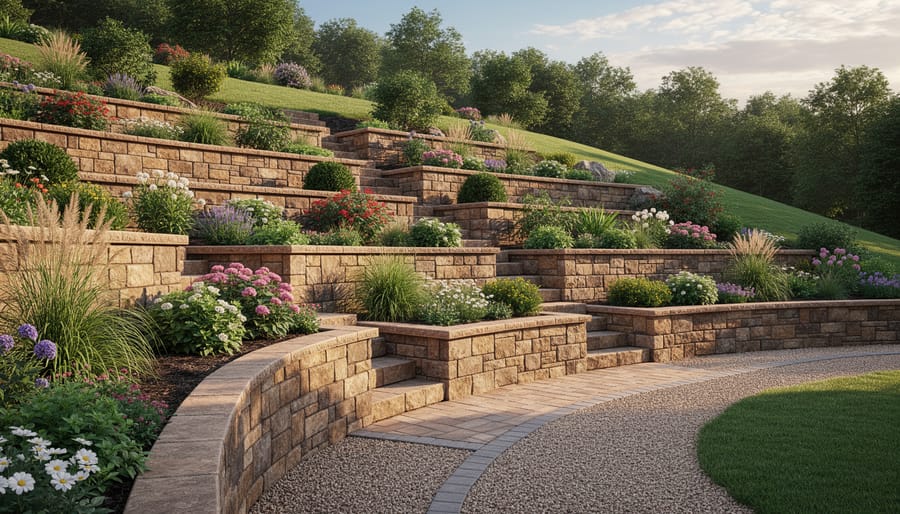
Retaining Walls and Terracing
Retaining walls serve dual purposes in natural stone gardens, providing essential structural support while creating dramatic visual interest. These walls prevent soil erosion on sloped properties and establish level planting areas, transforming challenging terrain into functional garden spaces. The mass and permanence of stone walls add architectural definition to landscapes, creating boundaries, raised beds, and terraced gardens that enhance both usability and aesthetics.
Two primary construction methods offer distinct advantages. Dry-stack walls rely on careful stone selection and placement without mortar, allowing natural drainage and a traditional appearance that weathers beautifully over time. This method works well for walls under three feet and creates habitat spaces for beneficial insects and small wildlife. Mortared construction provides greater stability for taller structures and formal designs, ensuring long-term durability in high-traffic areas or where precise engineering is required.
Terracing transforms steep slopes into series of level planting areas, maximizing usable garden space while controlling water runoff. Each terrace creates microclimates suitable for different plants, with upper levels offering better drainage for Mediterranean species and lower terraces retaining moisture for shade-loving varieties. Proper foundation preparation and drainage systems behind walls are essential for longevity, preventing water pressure buildup that can compromise structural integrity over time.
Water Features and Stone
Natural stone transforms water features into stunning focal points that blend seamlessly with the landscape. For fountains, dense stones like granite and basalt resist weathering and algae growth while providing excellent structural integrity. Their low porosity makes them ideal for continuous water exposure. Limestone and sandstone create softer, more naturalistic appearances around ponds and streams, though they require sealing to prevent excessive moisture absorption.
When designing pond edges, flat flagstones provide safe, slip-resistant surfaces that overhang slightly to conceal liners. River rock and beach pebbles soften transitions between water and planted areas, creating authentic stream beds. For waterfall construction, layered slate or stacked ledgestone produces dramatic cascading effects while maintaining stability under constant water flow.
Stone selection should consider both aesthetic goals and practical requirements. Darker stones minimize visible algae, while textured surfaces prevent slipping. Proper installation includes using mortar rated for wet environments and ensuring adequate drainage behind retaining walls to prevent water damage and frost heaving in colder climates.
Garden Accents and Focal Points
Strategic focal points transform natural stone gardens from pleasant to extraordinary. Stone benches carved from granite or limestone provide both practical seating and sculptural interest, often becoming the destination point along garden paths. Large boulders, particularly those with interesting textures or colors, create dramatic anchors in planting beds or lawn areas—position them to appear naturally occurring rather than obviously placed.
Stone planters and urns offer versatility, from classically proportioned limestone containers flanking entryways to rustic trough gardens fashioned from sandstone. These elevated plantings draw the eye upward and create layered visual interest. For contemporary gardens, abstract stone sculptures or stacked slate columns provide artistic expression while maintaining natural material authenticity.
Millstones repurposed as water features or decorative elements add historical character, while stone spheres of varying sizes create playful groupings. Consider the stone’s color and texture relationship to surrounding plantings—light-colored limestone provides contrast against dark foliage, while weathered granite complements naturalistic schemes. Position focal points at path intersections, view terminations, or within seating areas to maximize their impact and guide movement through your garden space.
Design Traditions That Inspire Modern Stone Gardens
Japanese Rock Gardens: Balance and Contemplation
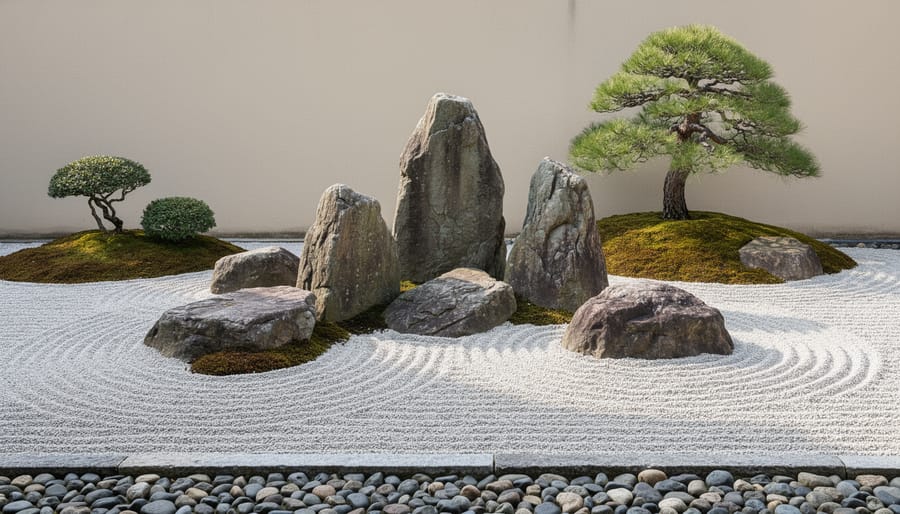
Japanese rock gardens, or karesansui, embody centuries-old principles of minimalism and contemplation that translate beautifully to contemporary Western landscapes. These dry landscape gardens use carefully selected stones as sculptural elements representing mountains, islands, or abstract natural forms. The placement follows asymmetrical balance rather than formal symmetry, creating visual harmony through odd-numbered groupings and varied stone sizes.
Raked gravel patterns surrounding the stones symbolize water ripples or waves, encouraging meditative observation and a sense of tranquility. The key lies in restraint—each stone must earn its place through intentional positioning and relationship to surrounding elements. Lighter-colored granites and sandstones work particularly well for focal stones, while decomposed granite or fine pea gravel serves as the raked medium.
Western gardeners can adapt these concepts by starting small with a dedicated corner featuring three to five substantial stones arranged in triangular compositions. Consider sight lines from indoor spaces and ensure the garden invites quiet reflection. Rather than strict replication, embrace the underlying philosophy of simplicity, natural materials, and thoughtful negative space. This approach creates year-round visual interest while requiring minimal maintenance, making it ideal for both residential courtyards and commercial landscapes seeking serene, sophisticated outdoor environments.
Mediterranean and Tuscan Gardens
Mediterranean and Tuscan gardens embrace stone as an essential design element, creating landscapes that thrive in warm, dry climates while exuding timeless elegance. Warm-toned limestone, travertine, and sandstone form spacious terraces and pathways that complement terracotta and olive trees. These materials naturally withstand intense sun exposure and require minimal maintenance, making them ideal for drought-tolerant designs.
Rustic stone walls, often constructed with irregular fieldstone or weathered limestone, define garden boundaries and create terraced levels on sloping terrain. These walls provide structural support while adding authentic character reminiscent of Italian hillside villages. Gravel courtyards using decomposed granite or pea gravel offer permeable surfaces that allow water infiltration while maintaining a refined appearance between planted areas.
The key to achieving this aesthetic lies in selecting stones with golden, amber, or cream undertones and combining them with Mediterranean plantings like lavender, rosemary, and ornamental grasses. This approach creates low-water landscapes that balance hardscape functionality with soft, aromatic greenery, perfectly suited to contemporary sustainable garden design.
English Cottage Gardens
English cottage gardens demonstrate how natural stone provides essential structure to seemingly wild, romantic plantings. The key lies in using stone with restraint and informality—allowing plants to soften hard edges while the stone creates definition within abundant flowerbeds.
Dry-stack walls, built without mortar from local fieldstone or weathered limestone, form the backbone of these gardens. Their gaps provide planting pockets for alpines, creeping thymes, and sedums, which spill over the surfaces and blend the structures into the landscape. These walls typically stand 2-3 feet tall, serving as seat walls or bed dividers rather than imposing barriers.
Informal flagstone paths meander through plantings, their irregular shapes and generous spacing inviting groundcovers like creeping Jenny or chamomile to colonize the joints. This casual approach contrasts sharply with formal geometric layouts, yet the stone remains crucial for accessibility and visual anchoring.
Stone also appears as natural edging, raised bed surrounds, and decorative boulders nestled among perennials, providing year-round presence when herbaceous plants die back in winter.
Planning Your Natural Stone Garden Project
Assessing Your Space and Needs
Before breaking ground on your natural stone garden project, conduct a thorough site assessment to ensure successful outcomes. Begin by evaluating drainage patterns—observe where water collects after rain, as natural stone can redirect flow and may require proper grading or drainage solutions. Document sun exposure throughout the day, noting full sun, partial shade, and fully shaded areas, since this will influence both plant selections and stone placement for comfortable outdoor living spaces.
Examine your soil composition and topography. Sloped terrain may benefit from stone retaining walls or terraced features, while level areas offer flexibility for patios or pathways. Identify existing features worth preserving, such as mature trees, established garden beds, or architectural elements that your stone design should complement.
Define your project goals clearly. Are you creating functional pathways, establishing visual focal points, addressing erosion concerns, or designing entertainment spaces? Consider how the garden will be used—high-traffic areas require durable, slip-resistant stone with stable installation, while decorative features allow more creative freedom. Measure your available space accurately and photograph it from multiple angles. These visual references prove invaluable when consulting with suppliers or designers and help ensure your stone selections harmonize with your home’s architecture and surrounding landscape.
Budgeting for Natural Stone
Planning your natural stone garden project requires careful financial consideration to ensure lasting value. Material selection significantly impacts costs, with common varieties like flagstone and limestone typically ranging from $3-$15 per square foot, while premium options such as granite or bluestone may reach $15-$30 per square foot. Local stone often proves more economical due to reduced transportation expenses.
Accurate quantity calculation prevents budget overruns. Measure your project area precisely, adding 10-15% extra material to account for cuts, breakage, and future repairs. For pathways, factor in base materials like gravel and sand, which add approximately $2-$5 per square foot to overall costs.
Labor expenses vary considerably based on project complexity. Simple dry-laid pathways may cost $5-$10 per square foot for installation, while intricate mortared patios or retaining walls can reach $15-$40 per square foot. DIY installation reduces immediate costs but requires time investment and proper technique.
Consider long-term value when budgeting. Natural stone’s durability means minimal replacement costs over decades, unlike concrete pavers or wood that deteriorate faster. Quality installation with proper drainage and base preparation prevents costly future repairs. While initial investment may exceed synthetic alternatives, natural stone delivers superior longevity and timeless aesthetic appeal that enhances property value.
Working With Professionals vs. DIY
Deciding between professional installation and DIY depends on project complexity, required equipment, and your skill level. Simple projects like laying a small flagstone pathway on sand or creating a decorative rock border are excellent DIY options for beginners. These require basic tools—a shovel, level, and rubber mallet—and straightforward techniques that most homeowners can master with research and patience.
Mid-level projects such as building a dry-stacked stone wall under three feet tall or installing a modest patio are manageable for experienced DIYers with good physical stamina and attention to detail. These require understanding proper base preparation, drainage considerations, and basic masonry principles. Budget several weekends and invest in quality equipment rentals.
Professional installation becomes essential for complex projects including retaining walls over three feet, intricate mortared stonework, water features with plumbing integration, or large-scale patios requiring significant excavation and grading. Professionals bring specialized equipment, engineering knowledge for structural stability, and efficiency that prevents costly mistakes. They ensure proper drainage systems, structural integrity, and compliance with local building codes.
Consider hiring a professional for design consultation even on DIY projects. A landscape architect or stonemason can provide valuable layout guidance, material calculations, and technical advice that sets your project up for success while allowing you to handle the physical installation yourself.
Maintaining Your Stone Garden Features
Routine Cleaning and Care
Regular maintenance keeps natural stone looking beautiful for decades. Sweep or blow debris from stone surfaces weekly to prevent organic matter from causing stains or encouraging moss growth. For general cleaning, use a pH-neutral stone cleaner diluted in warm water, applying with a soft-bristle brush or mop. Avoid acidic cleaners like vinegar or lemon juice, which can etch limestone, marble, and travertine surfaces.
Address stains promptly by identifying their source. Oil-based stains respond to poultice treatments with baking soda, while organic stains from leaves often lift with hydrogen peroxide solutions. Rinse thoroughly after any cleaning treatment. Never use pressure washers on softer stones or those with delicate finishes, as excessive force can damage surfaces and widen joints.
Reseal porous stones every one to three years depending on exposure and traffic. Test water absorption annually by sprinkling drops on the surface—if water soaks in rather than beading up, resealing is needed. Prevent winter damage by ensuring proper drainage and avoiding salt-based de-icers near stone features.
Addressing Common Issues
Even well-installed natural stone gardens may develop issues over time. Settling is common in the first year, particularly with pathways and patios. Address uneven stones by lifting them, adding or removing bedding material, and releveling. For persistent settling, evaluate whether poor drainage or inadequate base preparation is the root cause.
Weeds emerging between pavers can be managed through polymeric sand application, which hardens when wet to prevent growth. For existing weeds, remove them manually or use targeted herbicides, avoiding damage to surrounding plants.
Efflorescence, the white chalky residue appearing on stone surfaces, results from mineral salts rising through moisture. While typically temporary, persistent cases require specialized stone cleaners and improved drainage to prevent recurrence.
Winter damage, including cracking and spalling from freeze-thaw cycles, affects porous stones most severely. Seal vulnerable stones before winter and promptly remove snow and ice to minimize exposure. When stones crack or become severely stained beyond restoration, replacement becomes necessary. Keep extra stones from your original installation for seamless repairs that maintain your garden’s aesthetic integrity.
Natural stone represents more than a landscaping material—it’s an investment in timeless beauty and enduring functionality that elevates your outdoor living space for decades to come. Whether you’re drawn to the rustic charm of fieldstone pathways, the elegant sophistication of marble accents, or the warm earthiness of sandstone patios, natural stone offers unmatched versatility to bring your garden vision to life. Each stone type carries its own character and practical advantages, allowing you to tailor your choices to your specific climate, aesthetic preferences, and maintenance expectations.
As you explore options for your natural stone garden project, consider consulting with landscape professionals and stone suppliers who can guide you toward materials that suit your regional conditions and design goals. The initial investment in quality natural stone pays dividends through enhanced property value, reduced long-term maintenance costs, and the creation of outdoor spaces that grow more beautiful with age. From intimate courtyard retreats to expansive entertainment areas, natural stone provides the foundation for gardens that reflect your personal style while standing the test of time and weather, creating outdoor environments where memories are made and beauty is perpetually renewed.