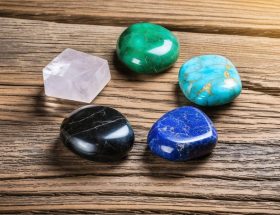
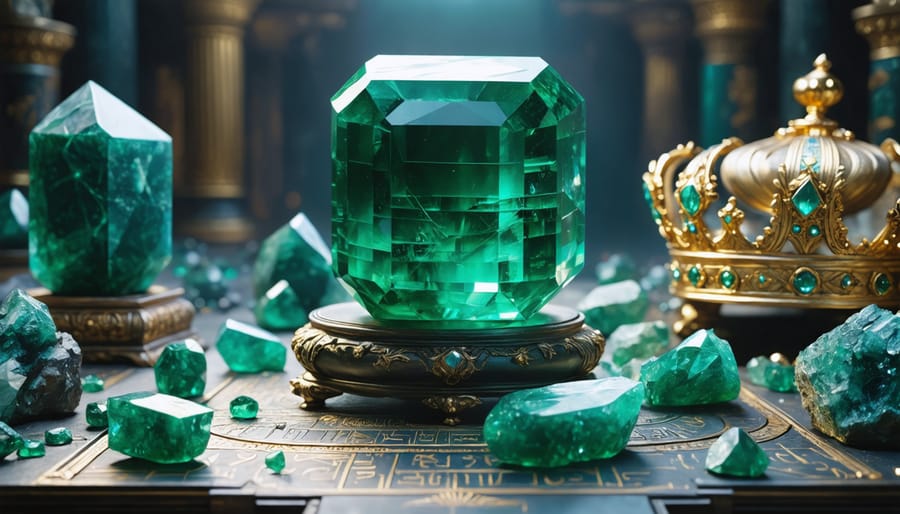
Throughout human history, the emerald has reigned as one of the most revered gemstones, embodying the sacred meanings of stones across diverse civilizations. From ancient Egyptian pharaohs to modern luxury designers, this verdant crystal has maintained its position as a powerful symbol of rebirth, wisdom, and abundance. Beyond its striking aesthetic appeal, the emerald’s deep green hue has become synonymous with growth and vitality in both architectural applications and spiritual practices.
In contemporary design, emerald stone serves as more than mere decoration – it represents a bridge between timeless symbolism and modern sophistication. Whether incorporated into statement walls, custom countertops, or architectural accents, this prestigious gemstone brings centuries of cultural significance into today’s spaces. Its enduring symbolism of prosperity and renewal continues to influence how designers and homeowners approach natural stone selection, making it a compelling choice for those seeking to infuse their environments with both historical meaning and contemporary elegance.
The Sacred History of Emerald Stone

Ancient Egyptian Beliefs
In ancient Egypt, emeralds held a position of supreme spiritual and royal significance, deeply woven into the fabric of their Egyptian stone traditions. The vibrant green gems were believed to be a gift from Thoth, the god of wisdom and writing, who was said to have hidden emeralds deep within the earth for humanity to discover.
Egyptian pharaohs adorned themselves with emerald jewelry not just as a display of wealth, but as a connection to the divine. The stone was thought to grant its wearer protection during the journey through the afterlife, and many mummies were buried with emerald amulets placed over their throats to symbolize truthful speech in the hall of judgment.
The mines of Cleopatra, located in Egypt’s Eastern Desert, were the world’s first known source of emeralds. These mines supplied the ancient world with emeralds for over two millennia, contributing to Egypt’s reputation as a source of mystical power and natural wonder. Priests and healers used emeralds in their ceremonies, believing the stone could cure eye ailments and reveal truths hidden from mortal sight.
Even in death, emeralds played a crucial role. Wall paintings in tombs often depicted the stone’s sacred green color, representing eternal spring and the promise of new life in the afterworld.
Medieval European Traditions
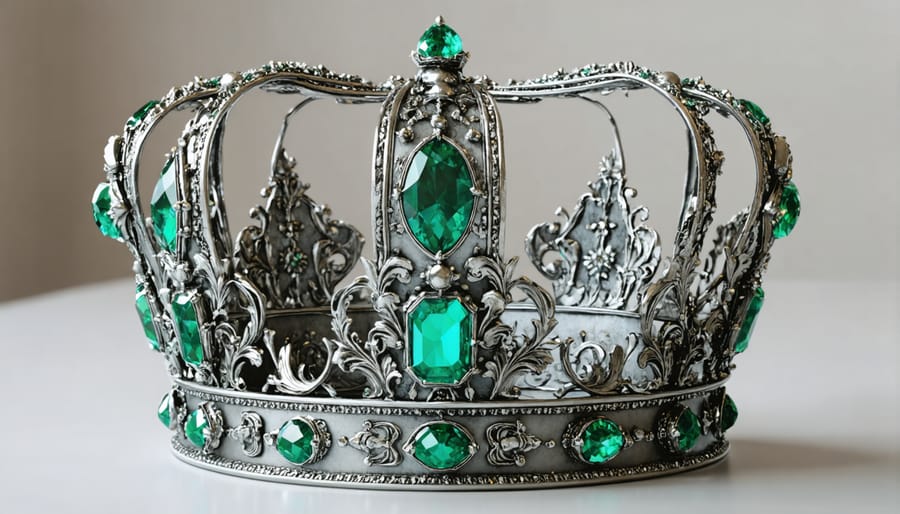
In medieval Europe, emeralds held a position of exceptional prestige, particularly among royalty and the nobility. These precious green stones adorned countless royal crowns, scepters, and ceremonial jewelry, symbolizing both divine right to rule and earthly power. The Holy Roman Empire’s Crown of Charlemagne featured prominent emeralds, believed to enhance the emperor’s wisdom and authority.
Medieval lapidaries and ecclesiastical texts often associated emeralds with truth-telling and prophecy. According to popular belief, an emerald would shatter if worn during acts of infidelity, making it a powerful symbol of faithfulness in courtly love traditions. Monasteries and churches incorporated emeralds into religious artifacts, viewing the stone’s pure green color as a representation of spiritual growth and God’s divine grace.
European folklore attributed powerful protective properties to emeralds. Merchants and travelers would carry these gems as talismans against shipwrecks and dangers at sea. Knights often had emeralds set into their sword hilts or wore them as rings, believing the stones would grant protection in battle and heal wounds more quickly.
The stone also played a significant role in medieval medicine. Court physicians prescribed emerald powder as a remedy for various ailments, particularly those affecting the eyes and heart. The calming green color was thought to rest tired eyes and bring relief to those suffering from anxiety or melancholy.
Emerald’s Symbolic Meanings
Prosperity and Abundance
Throughout history, emeralds have been intrinsically linked to prosperity and abundance, making them one of the most significant gems in symbolism in natural stones. Ancient civilizations, particularly the Incas and Egyptians, believed emeralds represented divine wealth and infinite potential. This association wasn’t merely spiritual; emeralds were often used as currency and worn by rulers to demonstrate their power and affluence.
In modern design applications, emerald-colored stones and materials continue to evoke feelings of luxury and abundance. Interior designers frequently incorporate emerald tones in spaces intended to project success and prosperity, such as executive offices and high-end residential properties. The stone’s rich green color parallels the vitality of nature’s growth and abundance, making it a popular choice for spaces designed to attract wealth and success.
Contemporary applications of emerald stone in architectural elements, from accent walls to decorative features, carry forward this timeless symbolism while adding sophisticated visual impact to modern spaces.
Love and Relationships
In ancient and modern traditions, emerald holds a profound connection to matters of the heart and emotional well-being. As a stone closely associated with the heart chakra, emerald is believed to promote harmony, compassion, and unconditional love in relationships. Its soothing green energy is said to create a bridge between partners, fostering open communication and trust.
Crystal healers often recommend emerald for those seeking to heal from past emotional trauma or strengthen their current relationships. The stone’s nurturing properties are thought to help individuals maintain balanced emotions while opening themselves to new love opportunities. Many couples choose emerald engagement rings not only for their stunning beauty but also for their symbolic representation of loyalty and lasting love.
Beyond romantic relationships, emerald’s healing properties extend to family bonds and friendships. The stone is believed to encourage empathy, understanding, and forgiveness, making it a powerful tool for resolving conflicts and deepening emotional connections. Its presence in living spaces is thought to create an atmosphere of harmony and emotional stability, supporting healthy relationships among household members.
Wisdom and Growth
Throughout history, emerald has been revered as a powerful catalyst for personal growth and enlightenment. Ancient civilizations believed that this verdant gem could enhance mental clarity and promote wisdom, making it a favored stone among philosophers, scholars, and leaders. The stone’s deep green color is thought to represent growth, renewal, and the continuous cycle of learning that characterizes personal development.
In modern applications, emerald is often incorporated into meditation spaces and wellness environments to foster an atmosphere conducive to self-reflection and growth. Interior designers frequently use emerald-colored natural stone elements in study areas, libraries, and contemplative spaces to harness these traditional associations with wisdom and learning.
The stone is also believed to strengthen memory and enhance analytical abilities, making it particularly relevant in contemporary educational and professional settings. Its presence is said to promote patience and thoughtful decision-making, qualities highly valued in both personal and professional development.
From an architectural perspective, emerald-toned stone features are increasingly used in corporate environments and educational institutions to create spaces that inspire creativity and foster intellectual growth. The stone’s natural variations and deep coloring serve as a reminder of nature’s wisdom and the organic process of personal development, making it a meaningful choice for spaces dedicated to learning and self-improvement.
Modern Applications in Interior Design
Luxury Accents
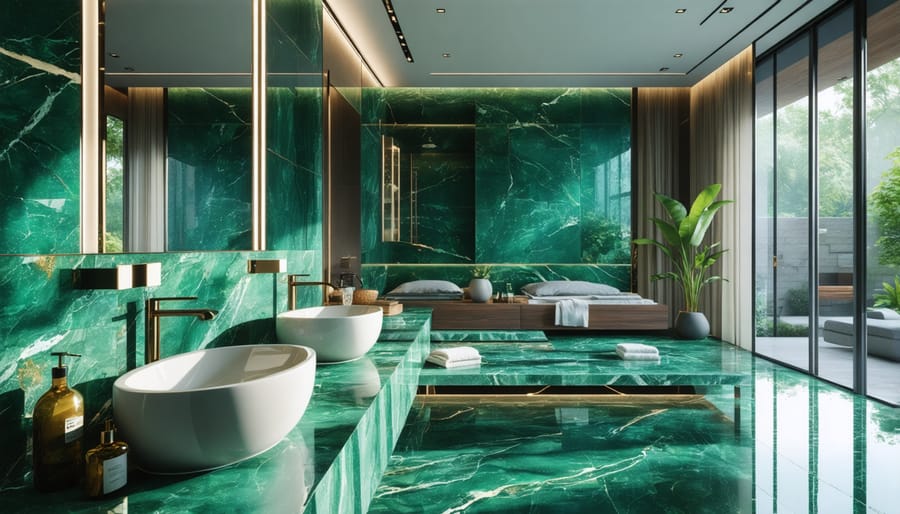
In contemporary interior design, emerald stone features serve as powerful statements of luxury and refinement, embodying ancient power in modern design. High-end designers frequently incorporate emerald-hued stone elements to create sophisticated focal points in upscale spaces. From dramatic emerald marble countertops in chef’s kitchens to striking accent walls in hotel lobbies, these green stone installations command attention while conveying timeless elegance.
Popular applications include book-matched emerald marble slabs for feature walls, polished green serpentine for luxury bathroom vanities, and verde antique flooring inlays that create geometric patterns in grand entrances. The stone’s natural variations in color and pattern ensure that each installation is unique, offering exclusivity that luxury designers and clients particularly value.
When incorporating emerald stone features, designers often pair them with metallic accents in brass or gold to enhance their jewel-like quality. Lighting plays a crucial role, with strategic placement of both natural and artificial sources highlighting the stone’s crystalline structure and depth of color. The versatility of emerald stone allows it to complement various design styles, from art deco-inspired spaces to contemporary minimalist interiors, making it a favored choice for high-end residential and commercial projects worldwide.
Sustainable Elegance
Emerald stone installations represent a harmonious blend of luxury and environmental responsibility. As a natural material formed over millions of years, emerald-bearing stones require minimal processing compared to manufactured alternatives, resulting in a significantly lower carbon footprint. These installations not only add timeless beauty to spaces but also contribute to sustainable building practices through their exceptional durability and longevity.
The inherent resilience of emerald-containing stones means they can last for generations with proper maintenance, eliminating the need for frequent replacements that generate waste and consume resources. Their natural cooling properties can help reduce energy consumption in buildings, particularly in warmer climates, while their non-toxic composition ensures healthy indoor air quality.
Furthermore, emerald stones can be recycled or repurposed at the end of their initial use, supporting circular economy principles. Their timeless appeal transcends passing trends, making them a sustainable choice for long-term design solutions. Modern extraction methods have evolved to minimize environmental impact, with many quarries implementing responsible mining practices and land rehabilitation programs.
When sourced from certified suppliers, emerald stone installations represent an investment in both environmental stewardship and enduring elegance. The stone’s natural variations and unique patterns ensure that each installation tells its own story while contributing to a more sustainable built environment.
Care and Maintenance
Proper care and maintenance are essential to preserve the beauty and integrity of emerald stones. Unlike harder gemstones, emeralds require special attention due to their relative softness and potential inclusions. Regular cleaning should be performed using a soft, lint-free cloth to remove dust and oils that accumulate through daily wear.
For deeper cleaning, use lukewarm water with a mild soap solution. Avoid harsh chemicals, ultrasonic cleaners, or steam cleaning methods, as these can damage the stone or affect any existing treatments. After cleaning, thoroughly dry the emerald with a soft cloth to prevent water spots.
Store emerald jewelry separately from other pieces to prevent scratching, as emeralds rank 7.5-8 on the Mohs hardness scale. A soft fabric-lined jewelry box or individual pouches work best for storage. When wearing emerald jewelry, apply cosmetics, perfumes, and lotions before putting on the pieces, as these products can dull the stone’s lustrous appearance.
Be mindful of temperature changes, as sudden shifts can cause stress within the stone. Remove emerald jewelry before engaging in vigorous physical activities, household chores, or swimming, as chlorine and other chemicals can potentially harm the stone.
Professional inspection and cleaning are recommended annually to ensure the integrity of settings and identify any potential issues early. If your emerald has been treated with oils or resins (a common practice known as enhancement), periodic re-treatment may be necessary to maintain its optimal appearance.
For emerald-decorated surfaces or architectural elements, use pH-neutral stone cleaners and avoid acidic solutions. Regular dusting and gentle cleaning will help maintain the stone’s natural brilliance. Consider applying a protective sealant specifically designed for emeralds in architectural applications to guard against environmental factors and wear.
Throughout history, emerald stone has maintained its position as one of the most cherished and symbolically rich materials in both decorative and practical applications. Its enduring appeal stems from a unique combination of natural beauty, cultural significance, and versatile functionality. From ancient Egyptian pharaohs to modern-day designers, emerald continues to captivate with its deep green hues and profound symbolic meanings of growth, harmony, and prosperity.
In contemporary design and architecture, emerald stone serves as more than just a decorative element. Its durability and timeless elegance make it a sought-after material for luxury interiors, architectural accents, and high-end jewelry. The stone’s association with wealth and abundance has translated seamlessly into modern contexts, where it adds a touch of sophistication to both residential and commercial spaces.
The symbolic significance of emerald stone continues to evolve while maintaining its core representations of renewal, wisdom, and protection. Whether incorporated into meditation spaces, healing environments, or luxurious design schemes, emerald’s presence carries both aesthetic and spiritual weight. Its ability to bridge ancient wisdom with contemporary applications makes it an invaluable resource for designers and architects seeking to create meaningful, enduring spaces.
As we look to the future, emerald stone’s relevance shows no signs of diminishing. Its sustainable properties and natural beauty align perfectly with modern values of environmental consciousness and authentic design, ensuring its place in both symbolic traditions and practical applications for generations to come.