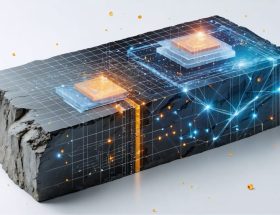

Additive manufacturing is revolutionizing how we design, prototype, and produce objects across industries – from aerospace components to medical implants. Unlike traditional manufacturing methods that cut away material, these seven distinct technologies build objects layer by layer, offering unprecedented freedom in creating complex geometries and customized solutions. From the precision of Powder Bed Fusion to the accessibility of Material Extrusion, each technique brings unique capabilities and considerations to the manufacturing landscape.
The evolution of these technologies has transformed what’s possible in production, enabling features and efficiencies that were unimaginable just decades ago. Whether you’re a designer exploring new possibilities, an engineer solving complex manufacturing challenges, or an industry professional seeking to optimize production processes, understanding these seven fundamental approaches to additive manufacturing is crucial for making informed decisions about which technology best suits your specific needs.
As we explore each method in detail, you’ll discover how these technologies are being applied across industries, their distinct advantages and limitations, and the critical factors to consider when choosing between them. This comprehensive guide will equip you with the knowledge to navigate the expanding world of additive manufacturing with confidence.
Binder Jetting: Creating Complex Stone Structures
Process Overview
Binder jetting in stone manufacturing involves a precise layering process where a liquid binding agent is selectively deposited onto beds of stone powder material. The printer head moves across each layer, strategically depositing droplets of the binding agent according to the digital design. This binding agent acts as an adhesive, effectively joining the stone particles together.
As each layer is completed, the build platform lowers slightly, and a new layer of stone powder is spread across the surface. This process repeats hundreds or thousands of times, gradually building up the desired three-dimensional object layer by layer. The unbound powder supports the structure during printing, eliminating the need for additional support materials.
Once printing is complete, the object remains in the powder bed for curing. After initial solidification, the piece is carefully extracted and excess powder is removed. Final processing often includes infiltration with strengthening agents and surface finishing treatments to enhance durability and aesthetic appeal.

Applications in Stone Architecture
Binder jetting technology has revolutionized stone architecture, enabling the creation of complex geometrical structures that were previously impossible or cost-prohibitive using traditional methods. The Sagrada Familia in Barcelona has employed this technology to prototype and validate intricate decorative elements, accelerating the construction process while maintaining Antoni Gaudí’s original vision.
In commercial applications, architects are using binder jetted stone products to create custom facade elements and ornamental features. The Qatar National Museum showcases stunning examples of 3D-printed sandstone panels that combine traditional Middle Eastern patterns with modern manufacturing precision. Similarly, the renovation of historical buildings in Europe has benefited from this technology, allowing exact replicas of damaged architectural elements to be produced without compromising historical accuracy.
Landscape architects have also embraced binder jetted stone for creating unique outdoor installations and water features. The technology enables the production of lightweight yet durable structures with internal channels for plumbing or lighting, offering new possibilities for sustainable urban design.
Material Extrusion: Stone-Based Composites
Stone-Polymer Composites
Stone-polymer composites represent an innovative blend of natural stone particles and binding polymers used in additive manufacturing. This material combination typically consists of 70-80% stone powder mixed with thermoplastic polymers like PLA or PET. During the extrusion process, the heated mixture flows through a nozzle, depositing layers that solidify to create structures with stone-like properties.
The resulting prints exhibit remarkable characteristics, including weather resistance, durability, and authentic stone aesthetics. These composites can mimic various natural stones, from marble to granite, while being significantly lighter and easier to work with than traditional stone materials.
Common applications include architectural elements, decorative panels, and custom furniture pieces. The material’s versatility allows for complex geometries that would be challenging or impossible to achieve with traditional stone cutting methods. Additionally, stone-polymer composites offer sustainable advantages, as they can incorporate recycled materials and produce minimal waste during the manufacturing process.
Architectural Applications
Additive manufacturing has revolutionized architectural design and construction, particularly in stone veneer manufacturing and structural elements. Modern 3D printing techniques allow architects to create intricate stone facades, decorative elements, and complex geometric structures that would be challenging to achieve through traditional methods. Notable applications include custom-designed stone wall panels, ornamental columns, and architectural details that maintain the aesthetic appeal of natural stone while reducing material waste and installation time.
Projects worldwide have demonstrated the versatility of extruded stone in construction, from creating detailed replicas of historical architectural elements to developing innovative modern designs. The technology enables the production of lightweight yet durable stone components, making installation more efficient and reducing structural load requirements. This advancement has opened new possibilities for incorporating natural stone elements in both residential and commercial construction, allowing architects to push the boundaries of conventional design while maintaining the timeless appeal of stone materials.
Powder Bed Fusion: Precision Stone Manufacturing
Technology and Process
Powder bed fusion with stone materials utilizes high-powered lasers or electron beams to selectively melt and fuse stone powder particles layer by layer. The process begins with spreading a thin layer of finely ground stone powder across a build platform. A thermal energy source, typically a laser, precisely melts specific areas according to the digital design, binding the particles together. The build platform then lowers, and a new layer of powder is spread on top. This process repeats until the complete object emerges from the powder bed.
The technology requires careful control of temperature and cooling rates to prevent thermal stress and cracking. Stone powder particles typically range from 20 to 100 microns in size, with smaller particles generally producing better surface finish and detail resolution. Advanced systems incorporate preheating mechanisms and controlled cooling chambers to manage thermal gradients and ensure structural integrity. This method enables the creation of complex geometries and internal features that would be impossible to achieve through traditional stone fabrication techniques.
Design Possibilities
Additive manufacturing opens up unprecedented possibilities in natural stone design and fabrication. The technology enables the creation of complex geometries and intricate patterns that would be impossible or cost-prohibitive using traditional methods. From lightweight honeycomb structures to innovative robotic stone architecture, designers can now push the boundaries of what’s possible with stone materials.
However, certain limitations must be considered. Build volume constraints affect the maximum size of printed objects, while material properties influence structural integrity and durability. Resolution capabilities vary between different printing methods, impacting surface finish quality and detail precision. Despite these constraints, manufacturers continue to develop solutions that expand design possibilities, such as modular printing approaches and hybrid manufacturing techniques that combine additive processes with traditional stone working methods.
The technology particularly excels in creating customized architectural elements, decorative features, and complex stone components while minimizing material waste and reducing production time.

Material Jetting: Fine Detail Stone Work
Process Benefits
Material jetting offers several distinct advantages for stone applications, making it an attractive option for architectural and design projects. The process delivers exceptional surface finish quality and precise detail reproduction, crucial for replicating intricate stone textures and patterns. Its multi-material capabilities allow for the creation of composite stone-like materials with varying densities and properties within a single print.
The technology enables the production of large-format architectural elements with consistent quality and minimal waste compared to traditional stone cutting methods. The ability to create hollow internal structures reduces material usage and weight while maintaining structural integrity. Additionally, material jetting provides excellent dimensional accuracy, making it ideal for producing exact replicas of historical stone elements or creating custom architectural features.
The process also offers significant time savings in prototyping and production, allowing designers to quickly iterate designs and test different material combinations before final production. This efficiency, combined with the ability to create complex geometries impossible with traditional stone working methods, opens new possibilities in architectural stone design.
Decorative Applications
Material jetting technology has revolutionized decorative stone applications, enabling intricate designs previously impossible with traditional manufacturing methods. This process allows for the creation of detailed stone-like surfaces with remarkable precision, producing patterns that mimic natural marble, granite, and other premium materials. Architects and designers now utilize this technology to craft elaborate wall panels, custom tiles, and architectural elements featuring complex geometries and seamless gradients.
Notable examples include multi-colored stone inlays without visible seams, three-dimensional textured surfaces that replicate ancient stonework, and custom-designed relief patterns for both interior and exterior applications. The technology excels in producing consistent, repeatable results while maintaining the aesthetic appeal of natural stone. Designers can create prototype samples quickly, allowing clients to visualize and approve designs before full-scale production begins.
The precision of material jetting also enables the creation of intricate mosaics and detailed ornamental features that would be cost-prohibitive or technically challenging using traditional stone-cutting methods.
Sheet Lamination: Layered Stone Products
Material Considerations
The choice of materials in additive manufacturing significantly impacts the final product’s properties and performance. Common materials include thermoplastics like PLA and ABS, which are popular in FDM printing due to their ease of use and cost-effectiveness. Metal powders, including aluminum, titanium, and stainless steel, are essential for DMLS and EBM processes, offering exceptional strength and durability.
For stone-based applications, specialized composite materials combining stone particles with binding agents are emerging. These materials maintain the aesthetic appeal of natural stone while providing improved printability and structural integrity. Photopolymer resins used in SLA and DLP processes offer high detail resolution and smooth surface finishes, making them ideal for prototypes and detailed architectural models.
Material selection must consider factors such as melting point, viscosity, thermal expansion, and mechanical properties. The bonding method – whether thermal, chemical, or light-based – must be compatible with the chosen material to ensure successful layer adhesion and overall print quality.
Construction Applications
Additive manufacturing is revolutionizing the construction industry, offering innovative solutions for building complex architectural elements and custom stone features. Large-scale 3D printing systems now enable the creation of entire building components, from decorative facades to structural elements, with unprecedented precision and efficiency. These technologies are particularly valuable for creating intricate geometric designs that would be challenging or impossible to achieve through traditional stone cutting methods.
The integration of sustainable stone applications has become increasingly prominent, with architects utilizing stone-composite materials in additive manufacturing processes. Construction-scale 3D printers can now produce full-scale walls, columns, and decorative elements using stone-based materials, reducing waste and labor costs while maintaining the aesthetic appeal of natural stone.
Recent projects showcase the potential of this technology, including 3D-printed stone bridges in Amsterdam and custom-designed facade elements in Dubai’s Museum of the Future, demonstrating the versatility and practical applications of additive manufacturing in modern construction.
Direct Energy Deposition: Advanced Stone Processing
Technology Overview
Additive manufacturing in stone technology represents a revolutionary approach to creating complex stone structures through layer-by-layer construction. This process begins with a detailed 3D digital model, which is then sliced into thin horizontal layers by specialized software. Each layer is precisely deposited using various materials and binding agents, gradually building up the final structure. Modern smart stone technology allows for unprecedented control over material properties, enabling the creation of stone components with optimized strength, density, and aesthetic characteristics. The technology utilizes specialized stone-based powders, resins, and advanced binding agents, combined with precise temperature and pressure control systems. This method significantly reduces material waste compared to traditional stone cutting techniques, while offering greater design freedom and the ability to create intricate geometries that would be impossible through conventional manufacturing methods.
Industrial Applications
Additive manufacturing has revolutionized industrial construction, offering unprecedented possibilities in architectural design and structural engineering. The technology enables the creation of complex geometrical shapes and intricate patterns that would be challenging or impossible to achieve through traditional construction methods.
In the construction sector, large-scale 3D printing systems are now capable of producing concrete structures, building components, and decorative elements. These systems can work with various materials, including specialized concrete mixtures, polymers, and even recycled materials, reducing waste and environmental impact.
Notable applications include the printing of entire houses, bridge components, and custom architectural features. The technology has proven particularly valuable in creating precise replicas of historical architectural elements for restoration projects. Additionally, rapid prototyping allows architects and designers to quickly produce scale models for client presentations and design validation.
The future of industrial applications looks promising, with ongoing developments in material science and printing technologies enabling larger structures and more diverse applications in construction and infrastructure development.

Vat Photopolymerization: Stone-Resin Composites
Vat photopolymerization represents a significant advancement in stone-based additive manufacturing, combining the precision of UV-curable resins with stone particles to create sophisticated architectural elements and decorative pieces. This process involves suspending finely ground stone particles within a photosensitive resin, which is then selectively cured layer by layer using ultraviolet light.
The stone-resin composite typically contains 30-70% stone content, allowing for excellent detail reproduction while maintaining the aesthetic qualities of natural stone. Common materials include marble, granite, and limestone particles, each offering unique visual characteristics in the final product. The resulting objects exhibit remarkable surface quality and can accurately replicate complex geometries that would be challenging to achieve through traditional stone fabrication methods.
One of the key advantages of this technique is the ability to create intricate designs with internal channels and hollow structures while maintaining the appearance of solid stone. The process also allows for the production of lightweight alternatives to traditional stone elements, making installation easier and reducing structural load requirements.
Applications include decorative panels, custom architectural elements, and restoration pieces for historic buildings. The technology has proven particularly valuable in heritage conservation, where replacement parts for damaged stonework can be created with precise matching of original materials and patterns.
Additive manufacturing has revolutionized the natural stone industry, offering unprecedented possibilities for customization, waste reduction, and complex design realization. The seven types of additive manufacturing technologies discussed have each contributed unique advantages, from the precision of binder jetting to the strength of directed energy deposition. As technology continues to advance, we can expect even more innovative applications in stone manufacturing, including improved material efficiency, faster production times, and more sustainable practices. The future outlook suggests increased adoption of hybrid manufacturing systems that combine traditional stone working methods with additive technologies, potentially leading to more cost-effective and environmentally friendly production processes. This evolution in manufacturing techniques will continue to reshape how we work with natural stone, opening new possibilities for architects, designers, and industry professionals while preserving the timeless beauty of stone materials.