
Contemporary stone veneer revolutionizes modern architecture by merging timeless natural aesthetics with cutting-edge installation techniques. This innovative material empowers homeowners and designers to transform your living space without the structural demands of full-thickness stone. Today’s engineered veneers deliver the authentic texture and visual depth of natural stone while offering superior flexibility, reduced weight, and simplified installation.
Unlike traditional masonry, modern stone veneer systems integrate seamlessly with contemporary design elements, creating striking focal points in both interior and exterior applications. The material’s versatility allows for bold architectural statements – from sleek floor-to-ceiling fireplace surrounds to minimalist accent walls that capture the essence of organic luxury.
Recent advancements in manufacturing technology have produced ultra-thin profiles and precise edge details that were previously impossible with natural stone. These innovations enable designers to achieve clean lines and sophisticated patterns while maintaining the material’s inherent connection to nature, making contemporary stone veneer an increasingly popular choice for modern residential and commercial projects.
What Makes Contemporary Stone Veneer Different
Technology Behind Modern Veneers
Modern stone veneer manufacturing combines advanced technology with traditional craftsmanship to create lightweight, durable products that closely mimic natural stone. The process begins with selecting high-quality natural stone specimens, which are carefully analyzed for optimal pattern and texture reproduction. These stones serve as masters for creating precise molds using specialized silicone compounds.
The primary material used in contemporary veneers is a engineered concrete mixture, incorporating lightweight aggregates, Portland cement, iron oxide pigments, and advanced polymer additives. This composition ensures both structural integrity and authentic coloration throughout the product. Computer-controlled mixing systems maintain precise material ratios, while automated vibration tables eliminate air pockets during the casting process.
Advanced curing techniques, including humidity-controlled environments and specialized temperature regulation, ensure proper material development. Many manufacturers now employ water-based acrylic finishing systems that enhance color stability and provide additional protection against weathering. Quality control involves both automated scanning for dimensional accuracy and expert visual inspection to maintain consistency across production batches.
This combination of modern technology and careful oversight results in veneers that are not only aesthetically pleasing but also significantly lighter and easier to install than traditional stone facing.
Natural vs. Manufactured Stone Veneer
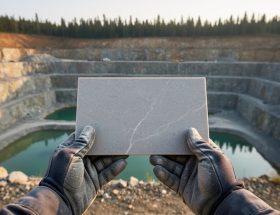
When choosing stone veneer for your project, you’ll encounter two main options: natural and manufactured stone veneer. Natural stone veneer is quarried directly from the earth and cut into thin sections, preserving authentic colors, textures, and unique variations that make each piece one-of-a-kind. This option offers unmatched authenticity and durability, though it typically comes with a higher price tag and requires more specialized installation.
Manufactured stone veneer, also known as cultured stone, is created from concrete mixtures molded and colored to mimic natural stone. Modern manufacturing techniques have dramatically improved the realism of these products, making them increasingly popular in contemporary designs. They offer consistent colors and patterns, lighter weight for easier installation, and lower cost compared to natural stone.
Both options provide excellent durability and weather resistance when properly installed. Natural stone veneer typically lasts longer and maintains its appearance better over time, while manufactured options offer more standardized dimensions and greater color consistency. Your choice might depend on factors like budget, installation requirements, and whether you prefer authentic variation or controlled uniformity in your design.

Design Applications in Modern Interiors
Feature Walls and Focal Points
Feature walls have become a cornerstone of contemporary interior design, and modern stone veneer offers an ideal medium for creating stunning focal points that command attention. By applying stone veneer to a single wall, designers can establish a powerful visual anchor that transforms ordinary spaces into extraordinary environments.
In living rooms, stone veneer feature walls often frame fireplaces or entertainment centers, creating a sophisticated backdrop that extends from floor to ceiling. The textural depth and natural variations in the stone draw the eye while adding warmth and character to the space. Popular choices include sleek stacked stone patterns and large-format panels that minimize grout lines for a cleaner, more contemporary look.
For commercial spaces, lobby and reception areas benefit from dramatic stone feature walls that make lasting first impressions. Modern interpretations often combine stone veneer with integrated lighting, metal accents, or corporate signage to create memorable branded environments.
In residential applications, master bedrooms and dining rooms are prime candidates for accent walls. Contemporary stone veneer can be installed in geometric patterns or with contrasting materials like wood or glass to create unique compositional elements. The key to success lies in selecting the right stone profile and pattern that complements the room’s existing design elements while making a bold statement.
When planning a feature wall, consider factors like natural light, room scale, and viewing angles to maximize the stone’s visual impact and ensure the focal point achieves its intended effect.

Architectural Elements
Contemporary stone veneer offers versatile architectural applications that can transform both interior and exterior structural elements. In modern designs, columns wrapped in stone veneer create striking vertical features that add visual weight and sophistication to open-concept spaces. These wrapped columns can range from sleek, minimalist designs using clean-cut limestone to more textured appearances utilizing split-face granite or quartzite.
Fireplaces remain one of the most popular applications, with floor-to-ceiling installations becoming increasingly common in contemporary homes. Modern fireplace surrounds often feature large-format stone panels with minimal grout lines, creating a seamless, monolithic appearance. Some designers opt for book-matched stone patterns or geometric arrangements to create dramatic focal points.
Other architectural applications include accent walls, kitchen hood surrounds, and structural beam covers. In commercial spaces, stone veneer adds sophistication to reception areas and elevator surrounds. The material’s ability to be cut precisely allows for creative implementations around doorways, windows, and architectural transitions, while its relatively light weight makes it suitable for upper-floor installations where structural load considerations are crucial.
Mixed Material Integration
Contemporary stone veneer’s versatility shines when paired with other modern building materials, creating dynamic and sophisticated spaces. The key to successful mixed material integration lies in thoughtful contrast and complementary textures. Popular combinations include pairing stone veneer with sleek metals like brushed stainless steel or copper accents, especially in kitchen design applications. Glass elements, whether through large windows or interior partitions, create a striking interplay with stone’s natural texture while maximizing natural light.
Wood elements, particularly in modern finishes, offer warmth against stone’s cool presence. Consider incorporating exposed wooden beams or minimalist wood cabinetry alongside stone accent walls. Industrial materials like polished concrete or raw steel can create an urban aesthetic when combined with lighter stone veneers. The key is maintaining balance – allow each material to serve its purpose without overwhelming the space.
For exterior applications, combining stone veneer with fiber cement panels or large-format porcelain tiles creates contemporary facades with visual interest and practical durability. Remember to consider the overall color palette and ensure material transitions are intentional and well-executed.
Installation and Maintenance Considerations
Professional Installation Tips
Proper installation of contemporary stone veneer requires careful attention to detail and adherence to specific stone installation requirements to ensure longevity and aesthetic appeal. Begin by thoroughly inspecting the substrate surface, ensuring it’s clean, structurally sound, and free from any debris or moisture. A proper moisture barrier and metal lath installation is crucial for exterior applications.
Maintain consistent joint spacing between stones to achieve a modern, clean look characteristic of contemporary designs. Use high-quality mortar specifically formulated for stone veneer applications, and mix it according to manufacturer specifications. When laying stones, work from bottom to top and alternate between different sizes and colors to create natural variation.
For precise cuts around outlets, windows, or corners, use a wet saw with a diamond blade. Always dry-fit pieces before applying mortar to ensure proper placement and alignment. Apply mortar uniformly to achieve proper coverage and adhesion, typically 1/2 inch to 3/4 inch thick.
Temperature considerations are vital during installation – avoid installing when temperatures are below 40°F or above 90°F. Allow proper curing time between installation phases, and consider using sealants for additional protection in high-moisture areas. Professional installation is recommended for optimal results, particularly for large-scale or complex applications.

Long-term Care and Upkeep
Contemporary stone veneer requires minimal maintenance when properly installed, but regular care ensures its longevity and preserves its aesthetic appeal. A simple annual inspection can identify potential issues before they become serious problems. Check for loose stones, deteriorating mortar joints, or signs of water damage, particularly after severe weather events.
For routine cleaning, use a soft-bristled brush and mild soap solution to remove dirt and debris. Avoid high-pressure washing systems, as they can damage the mortar joints and potentially loosen stones. If you notice any staining, address it promptly with stone-specific cleaners recommended by the manufacturer.
Sealing your stone veneer every 3-5 years provides additional protection against moisture and staining. Choose a breathable sealer specifically designed for stone surfaces to maintain the material’s natural properties while enhancing its resistance to environmental factors.
In regions with freeze-thaw cycles, pay special attention to water management. Ensure proper drainage systems are maintained and gutters are clear to prevent excessive water exposure. If you notice any cracks or gaps in the mortar, address them promptly with appropriate repair materials to prevent water infiltration.
For interior applications, regular dusting and occasional gentle cleaning with a damp cloth is typically sufficient. Avoid acidic cleaners or abrasive materials that could damage the stone’s surface or alter its appearance.
Cost and Value Analysis
Price Comparison with Traditional Stone
Contemporary stone veneer offers significant cost advantages compared to traditional full-thickness stone, making it an attractive option for both residential and commercial projects. On average, natural stone veneer costs between $15 to $40 per square foot installed, while traditional full-bed stone typically ranges from $35 to $80 per square foot.
The cost savings stem from multiple factors. First, the lighter weight of veneer reduces structural requirements and foundation costs. Transportation expenses are also lower due to decreased weight and bulk. Installation costs typically run 30-40% less than traditional stone because veneer requires less specialized labor and can be completed more quickly.
However, it’s important to consider the complete cost picture. While manufactured stone veneer might offer the lowest upfront costs ($12-25 per square foot installed), natural stone veneer provides superior longevity and authenticity, potentially offering better long-term value. The initial investment in natural stone veneer often pays off through increased property value and reduced maintenance needs.
Material costs vary by stone type, with common varieties like limestone and sandstone generally being more affordable than exotic options. Regional availability also impacts pricing, as locally sourced stone typically costs less than imported materials. When calculating your budget, factor in additional materials like backing boards, moisture barriers, and adhesives, which typically add $3-5 per square foot to the total cost.
Return on Investment
Contemporary stone veneer consistently ranks among the most valuable home improvements, offering both immediate and long-term returns on investment. Studies show that properties featuring stone veneer exteriors or interior accents typically see a 92-97% return on investment during resale, making it one of the most cost-effective architectural upgrades available.
Beyond the immediate financial benefits, stone veneer adds lasting value through its durability and minimal maintenance requirements. Unlike painted surfaces that require regular refreshing or synthetic materials that may deteriorate, properly installed stone veneer can maintain its appearance for decades with basic care. This longevity, combined with its natural aesthetic benefits, creates enduring property value that appreciates over time.
Real estate professionals consistently report that homes featuring stone veneer elements command higher market prices and typically sell faster than comparable properties without stone features. The material’s versatility in both contemporary and traditional designs ensures its appeal remains strong regardless of changing style trends.
Additionally, stone veneer’s energy-efficient properties can contribute to reduced heating and cooling costs, providing ongoing financial benefits through lower utility bills. This combination of immediate resale value, long-term durability, and energy efficiency makes contemporary stone veneer a sound investment for both residential and commercial properties.
Contemporary stone veneer has revolutionized modern interior design by offering the perfect blend of natural aesthetics and practical functionality. As we’ve explored throughout this article, these innovative materials provide homeowners, designers, and architects with versatile solutions that combine the timeless appeal of natural stone with modern installation convenience and cost-effectiveness.
The benefits of contemporary stone veneer are clear: reduced installation costs, lighter weight requirements for structural support, enhanced design flexibility, and improved sustainability through efficient material use. These advantages, coupled with advancing manufacturing technologies, continue to expand the possibilities for creative expression in interior spaces.
Looking ahead, the future of contemporary stone veneer appears increasingly promising. Manufacturers are developing even more sophisticated products with improved textures, colors, and patterns that more closely mimic natural stone. Additionally, emerging installation technologies and innovative backing materials are making application processes more efficient and durable than ever before.
As sustainable building practices become increasingly important, contemporary stone veneer’s reduced environmental impact compared to full-thickness stone makes it an attractive choice for eco-conscious projects. The material’s ability to adapt to changing design trends while maintaining its fundamental appeal suggests it will remain a staple in modern interior design for years to come.
For those seeking to create lasting impressions in their spaces, contemporary stone veneer offers an ideal solution that bridges the gap between traditional authenticity and modern practicality.