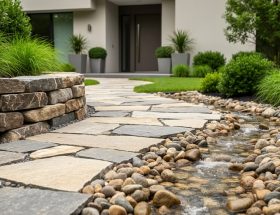
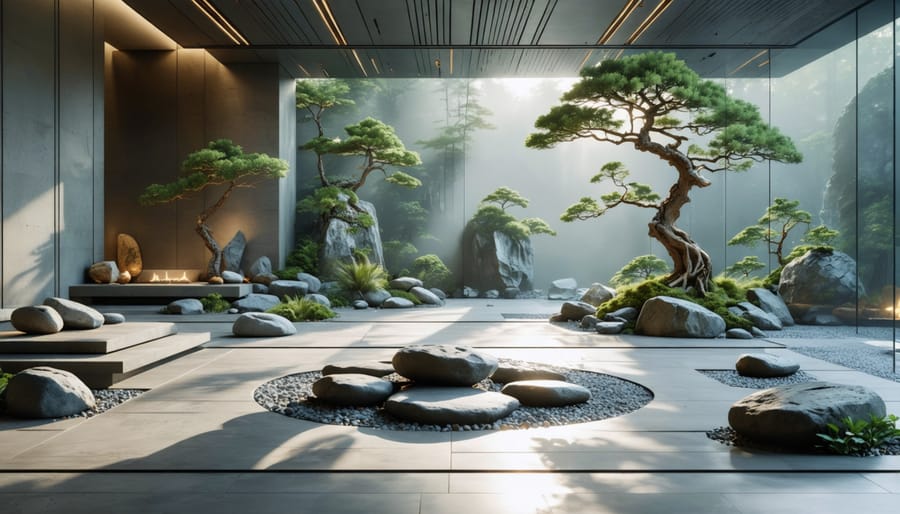
Transform your living space into a sanctuary of tranquility by strategically placing mindful stones – ancient symbols of grounding and presence that have shaped meditation practices for millennia. The thoughtful integration of natural stone in living spaces creates powerful focal points that anchor attention and invite contemplation. These elemental pieces, whether arranged as standalone meditation anchors or incorporated into larger architectural features, serve as timeless reminders to pause, breathe, and reconnect with the present moment.
Modern mindfulness practitioners increasingly recognize stone’s unique ability to facilitate meditation through its inherent properties – thermal mass that grounds excess energy, natural patterns that capture attention, and weathered surfaces that tell stories of time’s passage. By selecting stones with intentional awareness of their color, texture, and energetic qualities, spaces transform into profound catalysts for mindfulness practice, supporting both occasional moments of reflection and dedicated meditation sessions.
The ancient practice of stone arrangement meets contemporary design principles in this resurgence of mindful stone integration, offering a practical path to create environments that naturally evoke presence and peace.
The Ancient Connection Between Stone and Mindfulness
Sacred Spaces Through Time
Throughout history, civilizations have recognized the profound impact of stone in creating sacred spaces for meditation and spiritual practice. Ancient Buddhist temples in Japan, such as Ryoan-ji Temple in Kyoto, showcase the masterful use of stone in their zen gardens, where carefully positioned rocks invite contemplation and inner peace. Similarly, the megalithic structures of Stonehenge demonstrate how our ancestors used massive stone formations to create spaces of ritual and reflection.
In Hindu architecture, temples often incorporate carved stone mandala patterns and meditation halls built entirely from granite or marble, materials chosen specifically for their grounding properties. The Greeks and Romans utilized stone columns and courtyards to create serene spaces that encouraged philosophical discourse and spiritual contemplation.
Modern meditation centers continue this tradition, often featuring stone elements like water features, pathway markers, or central focal points. These contemporary interpretations draw inspiration from ancient wisdom while adapting to current aesthetic preferences and practical needs. Whether in the form of a simple stone circle in a garden or an elaborate temple complex, the use of stone in meditation spaces remains a powerful tool for creating environments conducive to mindfulness and spiritual growth.
Modern Interpretations
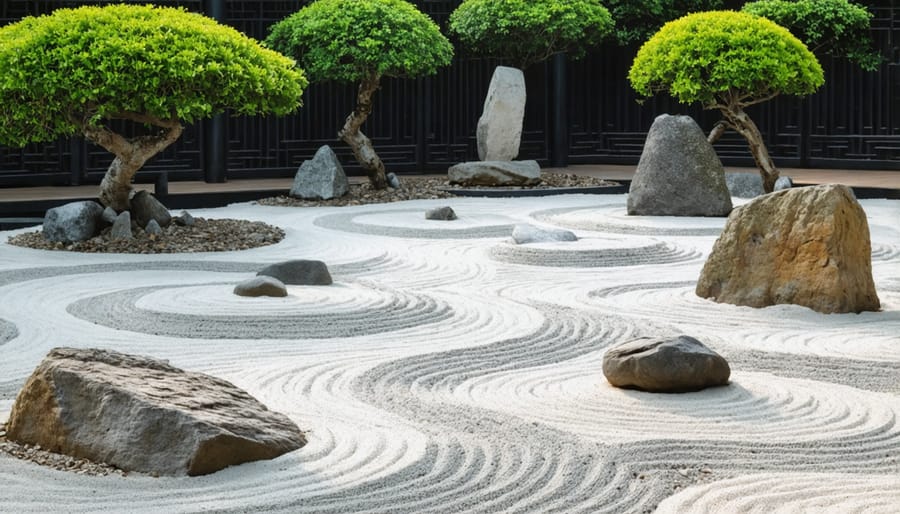
In today’s fast-paced world, mindful stones have found new relevance in contemporary design and wellness practices. Architects and interior designers increasingly incorporate natural stone elements to create contemplative spaces in urban environments. Modern meditation centers often feature carefully positioned stone arrangements that blend ancient principles with contemporary aesthetics.
The wellness industry has embraced mindful stones through innovative applications like hot stone therapy and crystal healing rooms. Corporate offices now include stone-based meditation gardens and relaxation areas, acknowledging the positive impact on employee well-being and productivity. Additionally, sustainable architecture movements have revitalized traditional stone placement techniques, integrating them with modern building practices to create harmonious environments.
Digital applications and virtual reality experiences now offer guided stone meditation sessions, making these practices more accessible to tech-savvy practitioners. Environmental artists create large-scale stone installations that serve both as public art and meditation spaces, encouraging community engagement with mindful practices. These modern interpretations maintain the core principles of stone mindfulness while adapting to contemporary needs and technological capabilities.
Creating Mindful Spaces with Natural Stone
Selecting the Right Stone
When it comes to selecting quality stone materials for mindfulness practices, several key factors should guide your choice. First, consider the stone’s texture – smooth, polished stones can create a sense of calm through their tactile qualities, while naturally rough surfaces may help ground you in the present moment.
Size matters significantly in mindfulness applications. Choose stones that fit comfortably in your palm, typically ranging from 2 to 4 inches in diameter. This size allows for easy handling during meditation or contemplative practices without becoming cumbersome.
Color plays a crucial role in creating the desired ambiance. Earth tones like browns, grays, and sandy hues often promote a stronger connection to nature, while darker stones can anchor energy and lighter ones may elevate mood. Consider selecting stones that naturally draw your attention and resonate with your intended practice.
Weight should be substantial enough to feel grounding but not so heavy as to cause discomfort during extended use. The ideal stone will have a pleasant heft that helps maintain awareness of its presence without becoming distracting.
Look for stones free from sharp edges or unstable surfaces. Natural river rocks often provide ideal characteristics, having been smoothed by water over time. Avoid stones with visible cracks or fissures that might compromise their durability or safety during use.
Mindful Placement Principles
The strategic placement of stones in mindful spaces requires careful consideration of both aesthetic and energetic principles. Each stone’s position should contribute to the overall flow and balance of the environment while maintaining visual harmony. Begin by identifying focal points in your space – these are natural areas where the eye is drawn and where stone elements can create maximum impact.
Consider the principle of visual weight when positioning larger stones. Anchor pieces work best in corners or as central features, while smaller stones can create pathways or transitional elements. The rule of thirds, a fundamental design concept, can guide stone placement to create visually pleasing arrangements that feel naturally balanced.
Height variation is crucial for creating dynamic energy flow. Combine stones of different elevations to guide the eye and create a sense of movement through the space. When placing stones in meditation areas, ensure they’re visible from seated positions and contribute to a sense of groundedness.
Pay attention to the natural characteristics of each stone. Rough-textured stones can serve as attention-drawing focal points, while smoother stones work well in areas meant for quiet contemplation. Consider the play of natural light throughout the day – some stones may catch and reflect light differently, creating changing visual effects.
In outdoor settings, work with the existing landscape. Use stones to complement natural features and create seamless transitions between different areas. Remember that mindful placement isn’t just about aesthetics – it’s about creating spaces that promote peace, reflection, and connection with the natural world.
Maintenance as Meditation
Transforming routine stone care into a meditative practice can deepen your connection with these ancient materials while ensuring their longevity. By approaching stone maintenance techniques with mindfulness, you create an opportunity for both physical and mental restoration.
Begin by setting aside dedicated time for stone care, free from distractions. As you clean, feel the texture beneath your hands and observe the unique patterns and variations in the stone’s surface. Notice how the stone responds to different treatments and appreciate the subtle changes in appearance as you work.
Focus on your breathing while performing circular motions during cleaning or polishing. Let the rhythmic movement become a form of moving meditation, similar to the practiced movements in tai chi or yoga. Pay attention to the temperature of the stone, the sound of water, and the transformation taking place under your care.
This mindful approach not only ensures thorough maintenance but also creates a deeper appreciation for the stone’s natural beauty. Many practitioners find this practice particularly grounding, as it connects them to ancient traditions of craftspeople who have worked with stone for millennia.
Consider incorporating simple rituals into your maintenance routine, such as expressing gratitude for the stone’s presence in your space or setting intentions for the care you’re providing. This transforms what might otherwise be viewed as a chore into a meaningful practice that nurtures both your space and your spirit.
Design Elements for Mindful Stone Spaces
Water Features and Stone
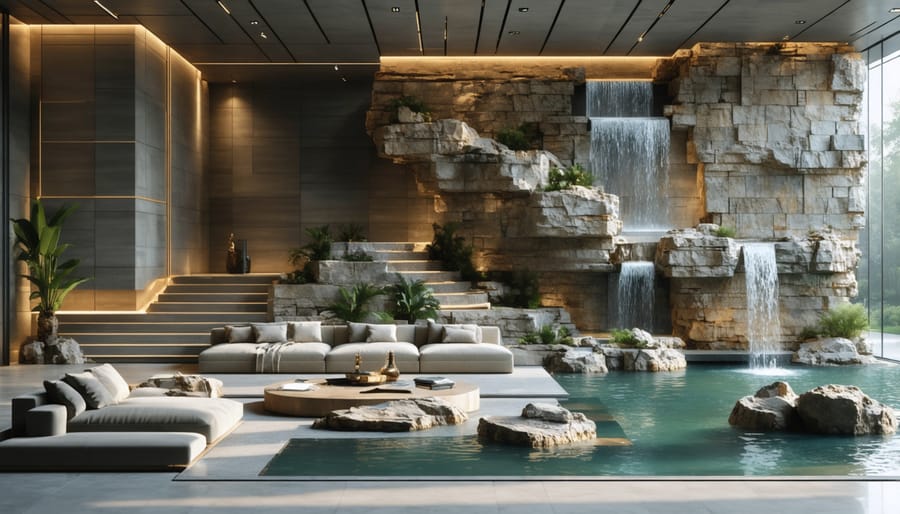
Water features paired with natural stone create a harmonious symphony of elements that enhance the meditative qualities of any space. The gentle sound of flowing water over stone surfaces provides a natural white noise that helps mask urban disturbances and promotes relaxation. When designing water features, consider incorporating smooth river rocks, polished granite, or slate to create different textures and visual interest.
Popular combinations include stacked stone waterfalls, bubbling boulder fountains, and meandering streams lined with carefully placed stones. The interaction between water and stone creates ever-changing patterns of light and shadow, adding dynamic elements to your mindful space. For smaller areas, consider a simple stone basin fountain or a wall-mounted water feature using textured stone surfaces.
The key to successful water feature integration lies in proper stone selection and placement. Choose stones that complement your existing landscape while ensuring they’re suitable for water exposure. Natural stone varieties like quartzite and granite are excellent choices due to their durability and resistance to water damage. For maximum impact, position water features where they can be easily viewed from meditation areas or gathering spaces.
Maintenance is crucial for preserving the tranquil atmosphere. Regular cleaning prevents algae growth and mineral deposits, while proper water circulation ensures optimal flow patterns across stone surfaces. Consider incorporating LED lighting to enhance the water-stone interplay during evening hours, creating additional dimensions of peaceful ambiance.
Textural Contrasts
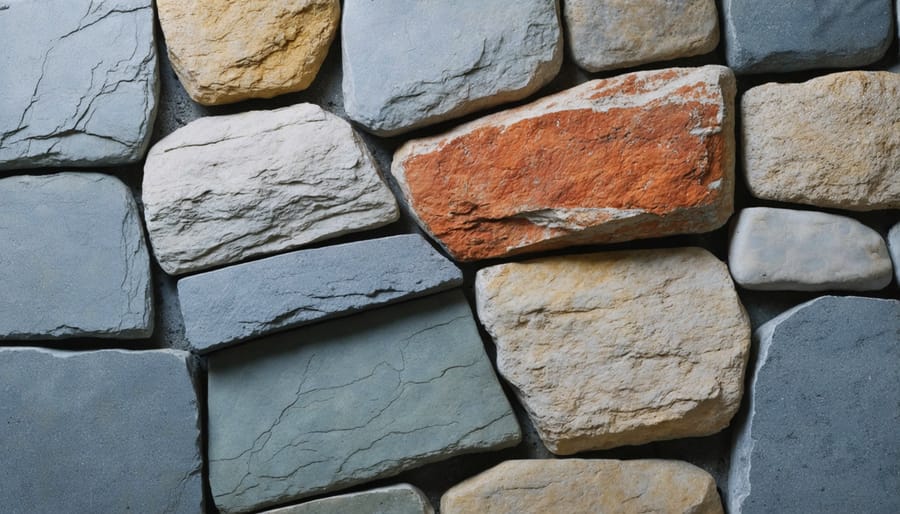
The thoughtful interplay of stone textures and finishes creates a rich sensory landscape that enhances mindful experiences. Each surface treatment invites different tactile interactions, encouraging awareness and presence in the moment. Polished stones offer smooth, reflective surfaces that capture light and create visual depth, while honed finishes provide a soft, matte appearance that’s gentle to both touch and sight. Brushed or leathered textures introduce subtle irregularities that engage the fingertips and create visual interest.
These varied finishes can be strategically combined to create zones within meditation spaces. For example, a polished stone path might lead to a contemplation area featuring rough-hewn boulders, each transition marking a shift in awareness. Flamed surfaces, with their slightly textured grip, offer secure footing while maintaining natural stone aesthetics. Bush-hammered finishes create a stippled effect that’s both visually dynamic and grounding.
Consider incorporating multiple textures within arm’s reach of seated meditation areas, allowing practitioners to explore different sensations as part of their mindfulness practice. The contrast between smooth and rough surfaces can serve as tactile anchors, helping to maintain focus and presence during meditation sessions. This mindful approach to texture selection transforms ordinary stone elements into powerful tools for sensory awareness and contemplative practice.
Light and Shadow Play
Natural light interaction with stone surfaces creates an ever-changing display of shadows and highlights that can transform a space throughout the day. By strategically positioning stones and considering their surface textures, you can create dynamic visual effects that enhance the meditative qualities of your environment.
Smooth, polished stones reflect light differently than rough, textured surfaces. While polished surfaces create sharp, defined shadows and brilliant highlights, textured stones produce softer, more diffused light patterns. This interplay can be used to create focal points or establish subtle transitions between different areas of your space.
Consider positioning larger stones near windows or skylights where they can catch and reflect natural light. The changing angle of sunlight throughout the day will create shifting patterns that bring life and movement to your space. For outdoor meditation areas, carefully placed stones can cast interesting shadows that evolve with the sun’s path, adding a temporal dimension to your mindful practice.
Dark-colored stones absorb more light and create bold shadows, while lighter stones reflect more light and create a softer ambiance. By combining stones of varying colors and textures, you can create complex light interactions that maintain visual interest without becoming overwhelming or distracting.
For evening practices, strategically placed low-voltage lighting can enhance these natural effects, creating a peaceful atmosphere that extends your meditation space’s usability into the night hours.
The journey to creating mindful spaces through natural stone is both an art and a practice that connects us deeply with the earth’s elements. As we’ve explored throughout this guide, mindful stones offer more than just aesthetic appeal – they serve as anchors for meditation, vehicles for environmental consciousness, and foundations for creating spaces that nurture well-being.
The key principles we’ve discussed – selecting stones with intention, understanding their energetic properties, and implementing them thoughtfully in design – form the cornerstone of mindful stone integration. Whether you’re creating a meditation garden, enhancing an indoor sanctuary, or incorporating stones into architectural elements, the mindful approach ensures that each piece serves both form and function.
Remember that creating mindful spaces with natural stone is an ongoing process. Start small, perhaps with a single meditation stone or a carefully curated collection for your workspace. As you become more attuned to the effects these elements have on your environment and well-being, you can gradually expand your implementation.
The sustainable practices we’ve outlined not only benefit our immediate spaces but contribute to broader environmental stewardship. By choosing locally sourced materials, working with ethical suppliers, and considering the full lifecycle of stone elements, we participate in a more conscious approach to design and construction.
As you move forward with your mindful stone projects, stay connected to the fundamental purpose: creating spaces that promote peace, presence, and connection with the natural world. Listen to your intuition when selecting stones, and don’t be afraid to adjust their placement as you observe their impact on your space’s energy and flow.
The growing movement toward mindful design and natural elements in our built environment suggests we’re part of a larger shift toward more conscious living spaces. By implementing these principles, you’re not just enhancing your immediate environment – you’re participating in a broader transformation toward more thoughtful, sustainable, and harmonious design practices.