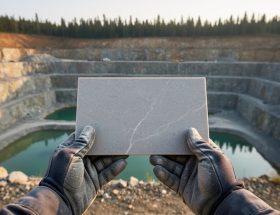

Examine the stone’s mineral composition first—calcium-based stones like marble and limestone show higher vulnerability to acidic substances, while silica-rich materials such as granite and quartzite offer superior chemical resistance for demanding environments like kitchens and laboratories. Request acid sensitivity ratings and porosity measurements from suppliers before specifying any natural stone for areas exposed to cleaning products, food acids, or industrial chemicals.
Test samples with your specific use-case chemicals before committing to large orders. Apply common substances you’ll encounter—lemon juice, vinegar, wine, or relevant industrial agents—to small stone samples for 24 hours, then evaluate for etching, staining, or surface degradation. This practical assessment reveals real-world performance beyond published specifications.
Understand that chemical resistance connects directly to long-term durability and maintenance costs, making it essential for protecting investments in both residential and commercial installations. A chemically resistant stone reduces replacement frequency, minimizes specialized cleaning requirements, and maintains aesthetic appeal with standard maintenance protocols.
Match stone selection to environmental exposure levels rather than choosing based solely on appearance. High-traffic commercial kitchens demand different chemical resistance than residential bathroom vanities. Granite and quartzite excel in acidic environments, while marble thrives in alkaline conditions but requires immediate spill cleanup and pH-neutral cleaners in kitchens.
Consider the entire chemical exposure profile, including cleaning products, environmental pollutants, and accidental spills specific to your application. Natural stone’s chemical resistance varies dramatically between types, and understanding these technical properties prevents costly mistakes, ensures appropriate material selection, and delivers installations that perform reliably for decades. The following analysis provides the technical framework and practical guidance needed to specify natural stone confidently across diverse applications.
What Chemical Resistance Really Means for Natural Stone
The Science Behind Stone and Chemical Reactions
Understanding why certain natural stones resist chemicals while others react dramatically comes down to two fundamental factors: mineral composition and physical structure.
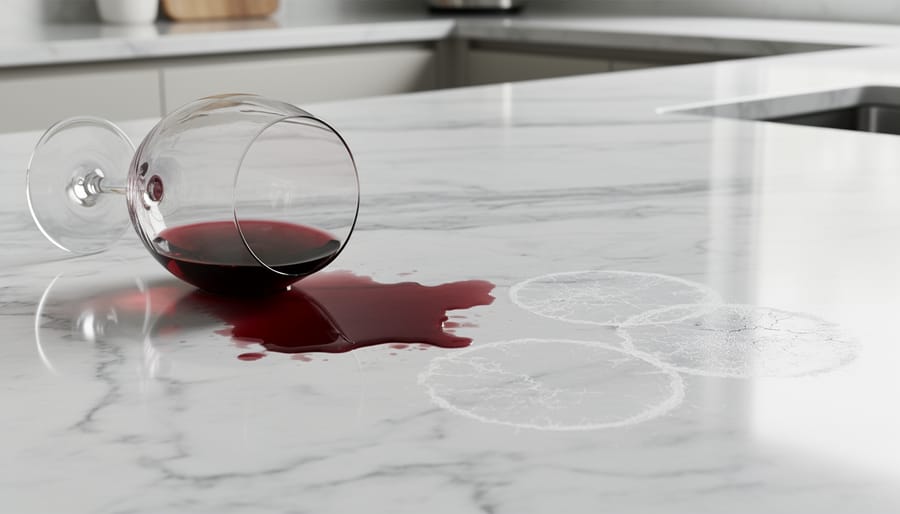
The mineral makeup of stone determines its chemical behavior. Stones containing calcite or calcium carbonate—including marble, limestone, and travertine—are highly reactive to acids. When acidic substances like vinegar, citrus juice, or common cleaners contact these stones, a chemical reaction occurs that dissolves the calcium carbonate, creating dull spots called etching. This reaction happens because acids break down the calcium carbonate into soluble calcium salts, carbon dioxide, and water. The process is irreversible and permanently alters the stone’s polished surface.
In contrast, silicate-based stones like granite, quartzite, and slate contain minerals such as quartz, feldspar, and mica. These minerals form stronger molecular bonds that resist acid attack. While not completely impervious to all chemicals, silicate stones maintain their integrity when exposed to household acids and most cleaning agents, making them more versatile for kitchens and high-use areas.
Porosity plays an equally important role in chemical vulnerability. Stone porosity refers to the network of microscopic spaces within the material. Highly porous stones absorb liquids more readily, allowing chemicals to penetrate deeper and potentially cause staining or internal damage. Dense, low-porosity stones like granite resist absorption, limiting chemical contact to the surface where it can be easily wiped away.
Even chemically resistant stones benefit from proper sealing, which fills porous spaces and creates an additional protective barrier. However, sealing cannot prevent etching on calcite-based stones—it only helps reduce staining. Understanding these scientific principles allows you to select the appropriate stone for each application and maintain it correctly for lasting beauty.
Common Chemical Threats in Your Home and Workspace
Natural stone surfaces face chemical threats from surprisingly common household and workplace substances. Understanding these risks helps prevent costly damage and preserves your investment.
In kitchens, acidic foods top the danger list. Lemon juice, tomato sauce, and vinegar can etch marble and limestone countertops within minutes of contact, leaving dull spots that require professional restoration. Wine spills present a dual threat—the acidity etches while tannins stain. A real-world example: a homeowner left a vinaigrette-dressed salad bowl on honed marble overnight, resulting in a permanent ring requiring surface refinishing.
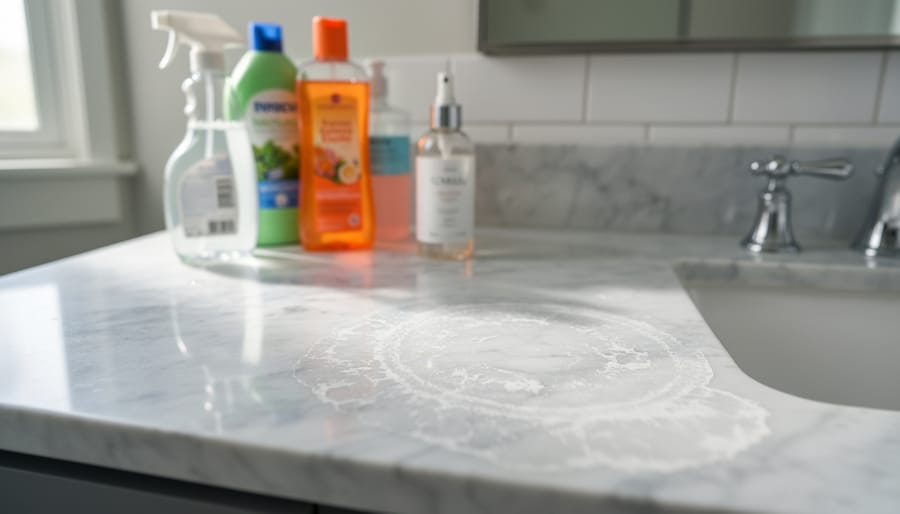
Cleaning products pose significant risks across all natural stone types. Many common bathroom cleaners contain acids or alkaline compounds that deteriorate sealants and damage stone surfaces. Even “all-purpose” cleaners may be too harsh. One commercial building lost the polish on its granite lobby floors after maintenance staff repeatedly used an ammonia-based cleaner, necessitating complete repolishing.
Pool and spa chemicals represent severe hazards. Chlorine tablets, muriatic acid used for pH balancing, and calcium removers can permanently stain and etch limestone coping and travertine pool decks. A resort facility experienced extensive pitting on their travertine after spilled pool shock treatment wasn’t immediately neutralized and rinsed.
Industrial workspaces introduce additional concerns. Battery acid, automotive fluids, certain solvents, and manufacturing chemicals can severely damage natural stone flooring. Understanding your specific environment’s chemical exposure helps determine which stone types offer adequate resistance for your application.
How Different Natural Stones Stack Up Against Chemicals
Granite: The Chemical-Resistant Workhorse
Among natural stones, granite stands out as the chemical-resistant workhorse for demanding environments. This durability stems from granite’s superior resistance to both acids and alkalis, making it exceptionally versatile across various applications.
The secret lies in granite’s silicate composition. Primarily composed of quartz and feldspar minerals bound together through igneous processes, granite forms an incredibly dense, non-porous structure when properly sealed. This tight crystalline matrix prevents most acids, alkalis, and household chemicals from penetrating the surface or causing etching—a common problem with carbonate-based stones like marble and limestone.
This chemical resilience makes granite the go-to choice for kitchen countertops, where it routinely encounters lemon juice, vinegar, wine, and cleaning products without showing damage. Professional environments benefit equally: laboratory surfaces rely on granite’s resistance to handle chemical spills safely, while commercial kitchens appreciate its ability to withstand constant exposure to acidic foods, hot oils, and harsh sanitizers.
However, granite isn’t completely impervious. Highly acidic or alkaline solutions left for extended periods can eventually affect certain granite varieties, particularly those with higher feldspar content. Regular sealing and prompt cleanup of spills ensure granite maintains its protective properties for decades of reliable service.
Marble: Beautiful But Vulnerable
Marble’s timeless beauty comes with significant chemical vulnerabilities that demand careful consideration before installation. Unlike granite’s resilient silicate structure, marble consists primarily of calcium carbonate, making it highly reactive to acids. Even mild acidic substances like lemon juice, vinegar, wine, and common household cleaners can cause immediate etching—dull spots that permanently damage the polished surface.
This calcite-based composition also makes marble porous and susceptible to staining. Spills from oil, coffee, and colored liquids can penetrate the surface quickly, creating permanent discoloration if not addressed immediately. The stone’s softness, rating only 3-4 on the Mohs hardness scale, further compounds maintenance challenges.
For these reasons, marble performs best in low-risk environments. Bathroom vanities, fireplace surrounds, and decorative wall applications showcase marble’s elegance while minimizing chemical exposure. Kitchen countertops and high-traffic commercial spaces, however, present constant hazards that can quickly deteriorate marble’s appearance.
Protecting marble requires diligent maintenance protocols. Professional-grade sealers provide temporary barriers against staining but offer no protection against etching. Immediate cleanup of any spills, pH-neutral cleaning products exclusively, and periodic resealing become non-negotiable practices. Owners must accept that marble develops a patina over time—a characteristic some appreciate as natural aging, while others view as deterioration requiring professional restoration.
Limestone and Travertine: Handle With Care
Limestone and travertine share marble’s primary weakness: both consist predominantly of calcium carbonate, making them highly vulnerable to acidic substances. When exposed to acids—whether from cleaning products, wine, citrus juice, or vinegar—these stones undergo chemical etching that dulls the surface and creates permanent dull spots. In bathrooms, acidic toilet bowl cleaners and harsh shower sprays pose significant risks, while kitchens present daily hazards from cooking ingredients and common household cleaners.
The porous nature of travertine compounds these challenges, as liquids penetrate more readily into the stone’s characteristic cavities and channels. Even sealed travertine can absorb acidic substances if spills aren’t addressed immediately. Limestone varieties range from dense to moderately porous, but all react similarly to acid exposure regardless of porosity levels.
These materials perform best in low-traffic residential areas with minimal chemical exposure: entryway floors, fireplace surrounds, interior wall cladding, and decorative accents. Commercial lobbies with controlled maintenance protocols can also showcase these stones successfully. However, avoid using limestone or travertine for kitchen countertops, wet bars, or heavily-used bathroom vanities where acidic contact is inevitable. When these stones are used in sensitive areas, educate occupants about pH-neutral cleaning products and immediate spill response to preserve the stone’s appearance and longevity.
Slate and Quartzite: The Underrated Champions
While granite often dominates discussions about chemically resistant natural stone, slate and quartzite deserve equal attention for their exceptional performance in demanding environments. These materials offer impressive resistance to acids, alkalis, and common household chemicals, often matching or exceeding granite’s protective qualities at more accessible price points.
Slate’s dense, fine-grained structure creates a natural barrier against chemical penetration, making it ideal for laboratories, commercial kitchens, and outdoor applications exposed to acid rain. Its layered composition provides durability that withstands both physical wear and chemical exposure without significant degradation.
Quartzite, formed through intense metamorphic pressure, boasts hardness comparable to granite while typically exhibiting superior acid resistance. This makes it particularly valuable in settings where acidic substances are frequently present, such as wine cellars or food preparation areas.
For budget-conscious projects requiring chemical resistance, these alternatives often cost 20-40% less than premium granite varieties while delivering comparable protection. When properly sealed and maintained, slate and quartzite installations in chemical-prone environments can last decades without notable deterioration, proving that cost-effectiveness and performance aren’t mutually exclusive in natural stone selection.
Soapstone: Soft But Chemically Tough
Soapstone presents a fascinating paradox in natural stone: while its talc composition makes it one of the softest stones (rating 1-5 on the Mohs scale), it boasts exceptional chemical resistance due to its completely non-porous structure. This unique property makes soapstone impervious to acids, alkalis, and solvents, explaining its historical use in laboratory countertops and chemistry classroom surfaces. Today, it appeals to homeowners seeking rustic, farmhouse-style kitchens where its natural patina and immunity to staining from wine, citrus, and household cleaners provide practical benefits without requiring sealants.
Testing and Rating Systems You Should Know
ASTM Standards for Chemical Resistance
When evaluating natural stone for chemical resistance, ASTM (American Society for Testing and Materials) standards provide the industry benchmark for objective performance data. The primary test you’ll encounter on technical data sheets is ASTM C650, which measures a stone’s resistance to acids and other chemicals by exposing samples to specific reagents and evaluating surface changes.
During ASTM C650 testing, stone specimens are exposed to various chemicals including citric acid, acetic acid, and household cleaners for predetermined periods. Laboratory technicians then measure changes in appearance, etching depth, weight loss, or surface deterioration. Results are typically reported on a scale from Class 0 (severe damage) to Class 5 (no visible effect), though some suppliers use descriptive terms like “excellent,” “good,” or “poor” resistance.
When reviewing technical data sheets from stone suppliers, look for specific test conditions alongside the results. A stone showing “good acid resistance” might have been tested with diluted acids, while your application involves stronger concentrations. Pay attention to exposure duration as well—a five-minute test doesn’t necessarily predict performance after hours of contact.
Key information to extract from data sheets includes the specific chemicals tested, concentration levels, exposure times, and visual or physical changes observed. Don’t hesitate to request complete test reports if summary sheets lack detail. Many suppliers provide ASTM test results for their specific quarries, as chemical resistance can vary even within the same stone type from different locations.
Understanding these standards empowers you to make informed decisions based on actual performance data rather than assumptions about stone durability.
What Absorption Rates Tell You About Vulnerability
Water absorption rates serve as a reliable indicator of how vulnerable a stone is to chemical damage. The relationship is straightforward: higher absorption rates mean more porous stone, which allows chemicals to penetrate deeper and cause more extensive damage.
Absorption rates are typically expressed as percentages by weight. Dense stones like granite and quartzite often measure below 0.5%, making them highly resistant to chemical penetration. Marble typically ranges from 0.2% to 0.5%, offering moderate protection. Limestone and travertine fall between 1% and 6%, indicating greater vulnerability, while sandstone can exceed 8% in some varieties.
These percentages have practical implications. A granite countertop with 0.4% absorption will resist acidic spills far better than limestone flooring at 3% absorption. The porous structure that drives high absorption creates channels for chemicals to travel beyond the surface, reaching areas where cleaning and sealing become difficult or impossible.
Understanding your stone’s absorption rate helps you anticipate maintenance needs and select appropriate applications. High-absorption stones require more frequent sealing and careful attention to spill cleanup, particularly in kitchens, bathrooms, or outdoor settings where chemical exposure is common.
Matching Stone to Application: Real-World Selection Guide
Kitchen Countertops and Food Prep Areas
When selecting natural stone for kitchen countertops and food preparation areas, understanding acid resistance is critical. Citrus juices, vinegar, wine, and tomato-based sauces can permanently damage stones with high calcium carbonate content.
Granite and quartzite emerge as superior choices for high-acid environments. These silicate-based stones resist etching and maintain their finish even with regular exposure to acidic foods. A commercial kitchen installation featuring Black Galaxy granite showed no visible wear after five years of intensive use, including frequent contact with lemon juice and vinegar. Similarly, a residential quartzite island in Sea Pearl withstood daily meal preparation without requiring refinishing.
Marble, limestone, and travertine consistently fail in kitchen applications due to their calcite composition. Case studies reveal that Carrara marble countertops develop noticeable etching within months of installation, even with careful maintenance. One documented failure showed a honed marble surface requiring complete replacement after just eighteen months due to widespread acid damage from routine cooking activities.
For food prep zones, choose granite varieties like Ubatuba or quartzites such as Taj Mahal to ensure longevity and preserve your investment against inevitable acid exposure.
Bathroom Vanities and Wet Areas
Bathroom vanities and wet areas present unique challenges for natural stone due to constant exposure to personal care products, cleaning agents, and hard water deposits. Toothpaste, makeup removers, hair dyes, and acidic cleaners can etch or stain vulnerable stones, while mineral-rich water leaves unsightly buildup on polished surfaces.
Granite and quartzite excel in these environments, offering superior resistance to both chemical damage and moisture penetration. Their dense structure prevents absorption of common bathroom products while maintaining their polished appearance with minimal maintenance. Darker granite varieties effectively mask water spots and minor etching that may occur over time.
Marble and limestone, though beautiful, require careful consideration in bathrooms. Acidic soaps and cleaners cause permanent etching on these calcium-based stones. If specified, honed finishes disguise damage better than polished surfaces, and regular sealing becomes essential.
For successful installations, balancing aesthetics and durability means matching stone selection to actual usage patterns. High-traffic family bathrooms benefit from granite or quartzite, while powder rooms with lighter use can accommodate more delicate materials. Specify pH-neutral cleaners and establish sealing schedules during the design phase to ensure long-term performance and client satisfaction.
Commercial and Industrial Settings
In high-stakes commercial and industrial environments, selecting the right natural stone can mean the difference between years of reliable service and costly premature replacement. Restaurant kitchens face constant exposure to acidic foods, oils, and harsh cleaning agents, while laboratories require surfaces that withstand chemical spills without etching or staining. Manufacturing facilities often need materials that resist both mechanical wear and chemical corrosion.
For these demanding applications, dense igneous stones like honed granite or polished basalt typically perform best due to their minimal porosity and natural acid resistance. A notable case study involves a commercial testing laboratory in California that specified black absolute granite for its workbenches after analyzing chemical resistance requirements. Five years later, despite daily exposure to various solvents and cleaning protocols, the surfaces show no visible degradation or etching.
The specification process should involve reviewing the facility’s chemical exposure profile and matching it against stone test data. Temperature fluctuations, cleaning frequency, and maintenance capacity all factor into the decision. While marble may offer aesthetic appeal, its calcium carbonate composition makes it unsuitable for environments with acid exposure. Professional testing, including acid drop tests and absorption rate measurements, helps ensure the selected stone meets performance requirements while maintaining safety standards and longevity expectations.
Protecting Your Stone Investment from Chemical Damage
Sealing: Your First Line of Defense
Applying a quality sealer provides essential protection against staining and moisture penetration, though it’s important to understand both its capabilities and limitations. Sealers work by filling the microscopic pores in natural stone, creating a barrier that slows liquid absorption and gives you time to wipe up spills before they penetrate and stain.
Two main types of sealers serve different purposes. Penetrating sealers (also called impregnators) absorb into the stone without changing its appearance, making them ideal for most applications. Topical sealers create a surface coating that can enhance color or add shine but may alter the stone’s natural look and require more frequent maintenance.
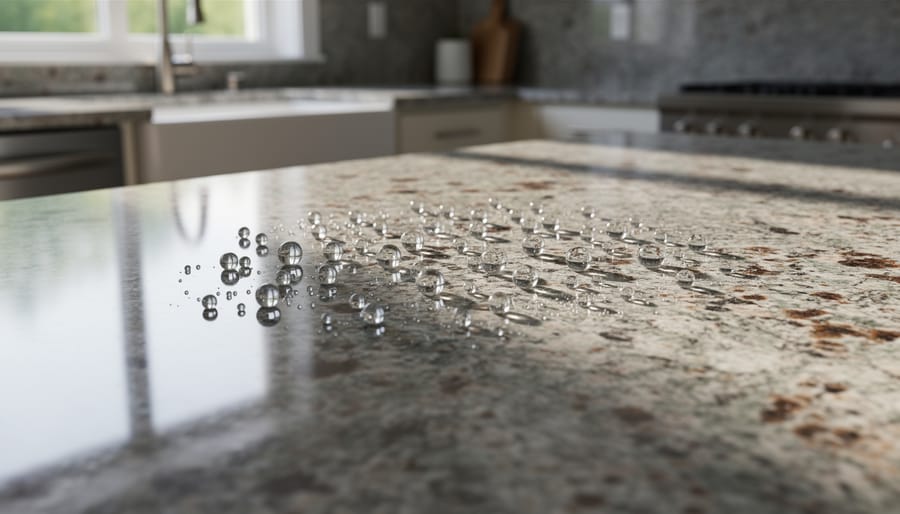
Application frequency depends on stone porosity and usage. Dense granites may only need sealing every 3-5 years, while porous stones like limestone or travertine benefit from annual application. High-traffic areas and kitchen countertops typically require more frequent resealing. The water-drop test provides a simple gauge: if water beads up, your sealer is working; if it absorbs within minutes, reapplication is due.
However, sealers have a critical limitation that surprises many buyers. While they effectively resist staining from oil, wine, and other liquids, sealers cannot prevent etching on calcite-based stones like marble, limestone, and travertine. Acidic substances like lemon juice, vinegar, or wine will still corrode the polished surface, leaving dull spots regardless of sealer quality. For these vulnerable stones, prevention through careful use and immediate cleanup remains your best defense.
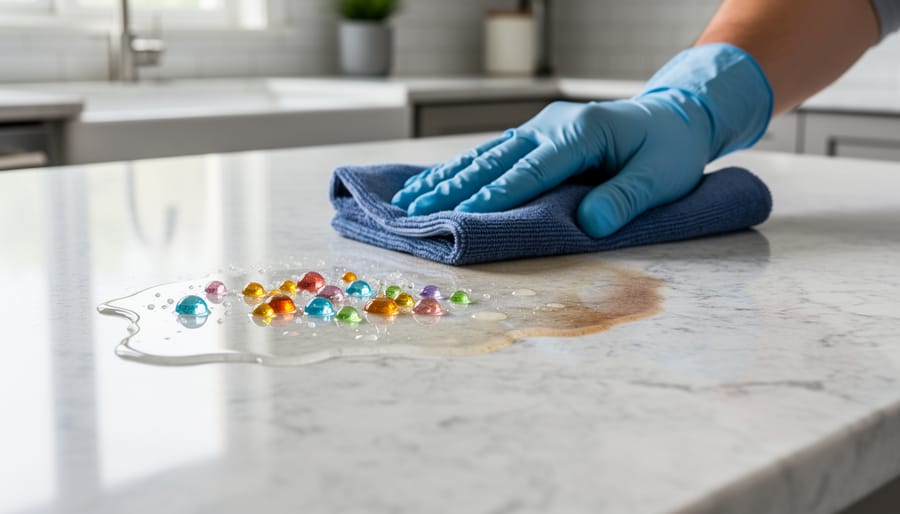
Safe Cleaning Practices That Won’t Harm Your Stone
Protecting your natural stone investment starts with proper cleaning practices. Always use pH-neutral cleaners specifically formulated for natural stone, as they maintain the delicate chemical balance that preserves the stone’s integrity and finish. These cleaners typically have a pH between 7 and 10, making them safe for daily use on most stone types.
Absolutely avoid acidic cleaners like vinegar, lemon juice, or products containing citric acid, as these will etch calcium-based stones such as marble, limestone, and travertine. Similarly, steer clear of alkaline cleaners like ammonia or bleach, which can discolor stone and degrade sealers. Never use abrasive scrubbing pads, powdered cleansers, or multi-purpose bathroom cleaners not designated for stone.
For daily maintenance, sweep or dust mop floors to remove grit that can scratch surfaces. Wipe countertops with a soft microfiber cloth dampened with water or pH-neutral cleaner. Address spills immediately by blotting rather than wiping to prevent spreading. For liquid spills, work from the outside toward the center to contain the area.
In case of chemical spills, act quickly to minimize damage. Immediately blot the spill with paper towels, then flush the area with water and clean with a pH-neutral stone cleaner. For oil-based spills, apply an absorbent powder like baking soda to draw out the liquid before cleaning. If etching occurs from acidic substances, professional restoration may be necessary to restore the surface finish.
When selecting natural stone for any application, chemical resistance deserves as much consideration as color, pattern, or finish. This critical property directly impacts the longevity and appearance of your investment, yet it remains one of the most overlooked factors in the selection process.
Understanding the resistance hierarchy is essential for making informed decisions. Granite and quartzite consistently rank at the top, offering exceptional resistance to acids, alkalis, and common household chemicals. These stones perform reliably in demanding environments like kitchens, laboratories, and high-traffic commercial spaces. Sandstone and slate occupy the middle ground, providing adequate resistance for specific applications when properly sealed and maintained. At the other end of the spectrum, marble, limestone, and travertine require careful placement in protected areas where chemical exposure is minimal.
The key to long-term satisfaction lies in prioritizing application-appropriate selection over aesthetics alone. While a stunning Carrara marble may be visually perfect for your kitchen countertop, its vulnerability to acidic substances can lead to costly repairs and disappointment. Conversely, choosing a chemically resistant granite ensures your surfaces maintain their beauty through years of daily use.
Before finalizing any stone selection, consider the specific chemicals the surface will encounter, the frequency of exposure, and your commitment to ongoing maintenance. Consulting with stone professionals and requesting test data for your preferred materials provides additional confidence. By matching stone properties to application requirements, you protect both your investment and your vision for the space.