Natural air ventilation systems harness wind patterns, temperature differentials, and strategic building design to circulate fresh air without mechanical equipment—reducing energy costs by up to 40% while improving indoor air quality. The performance of these systems depends critically on material selection, with natural stone playing a surprisingly dynamic role in thermal mass, moisture regulation, and airflow optimization.
Stone’s high thermal capacity stabilizes indoor temperatures by absorbing heat during day and releasing it at night, creating pressure differentials that drive natural air circulation. A limestone facade can store 2-3 times more thermal energy than conventional materials, amplifying stack ventilation effects in multi-story buildings. However, stone’s density also presents challenges: improperly positioned stone walls can block cross-ventilation pathways or create dead air zones that compromise system effectiveness.
Understanding the relationship between stone properties and ventilation mechanics enables designers to leverage thermal mass advantages while avoiding airflow restrictions. Porosity matters significantly—sandstone and travertine allow limited vapor transfer that supports humidity control, while granite and marble create impermeable barriers requiring strategic vent placement. Modern computational fluid dynamics modeling reveals that stone cladding positioned on solar-exposed elevations enhances natural ventilation by 25-35% compared to thermally neutral materials.
This guide examines how natural stone interacts with ventilation principles, providing evidence-based design strategies, material specifications, and real-world case studies that demonstrate optimal integration approaches for residential and commercial projects.
The Science Behind Natural Ventilation and Indoor Air Quality
What Natural Ventilation Actually Does
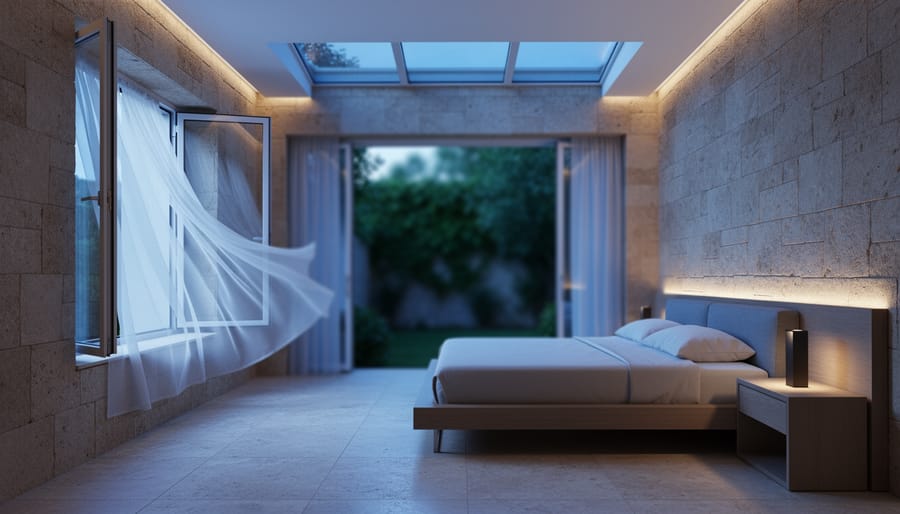
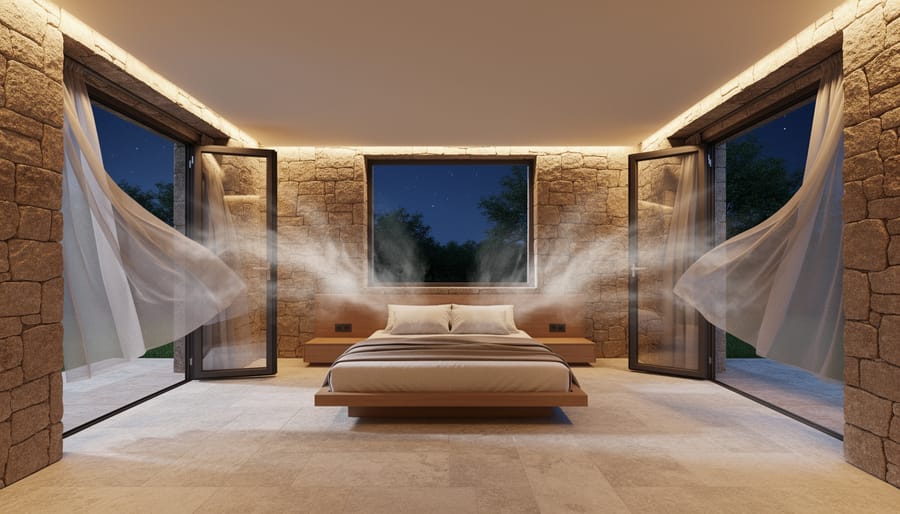
Natural ventilation systems harness environmental forces—wind and thermal buoyancy—to circulate fresh outdoor air through buildings without relying on mechanical fans or HVAC equipment. These passive systems work by creating strategic openings that allow stale indoor air to exit while drawing in fresh air naturally. The primary functions include removing indoor air pollutants such as volatile organic compounds, carbon dioxide, and particulates that accumulate from daily activities and building materials. Natural ventilation also regulates humidity levels by exchanging moisture-laden air with drier outdoor air, preventing mold growth and material degradation. Temperature regulation occurs as cooler outdoor air displaces warmer indoor air, particularly effective during moderate weather conditions. By maintaining proper air exchange rates that meet indoor air quality standards, natural ventilation systems reduce energy consumption while creating healthier interior environments. The effectiveness depends on building orientation, opening placement, and how materials like natural stone influence thermal mass and airflow patterns throughout the structure.
Why Your Building Materials Either Help or Hinder
The materials you choose for your building envelope and interior spaces fundamentally impact how natural ventilation performs. Understanding these interactions helps optimize air quality and thermal comfort while reducing energy consumption.
Thermal mass stands as one of the most valuable characteristics for natural ventilation systems. Dense materials like natural stone absorb heat during warmer periods and release it gradually when temperatures drop. This thermal lag effect moderates indoor temperature swings, reducing the need for mechanical cooling and working synergistically with nighttime ventilation strategies. Stone floors, walls, and interior features store coolness from evening breezes and maintain comfortable conditions well into the following day.
Moisture regulation represents another critical factor. Porous natural materials can absorb and release water vapor, helping maintain balanced humidity levels without mechanical intervention. This breathability prevents the moisture accumulation that leads to mold growth and poor indoor air quality. The choice between natural versus manufactured materials becomes especially important here, as synthetic alternatives often lack these hygroscopic properties.
Off-gassing presents a hidden challenge in naturally ventilated spaces. Synthetic building materials, adhesives, and finishes release volatile organic compounds that compromise air quality. While mechanical systems can filter these pollutants, natural ventilation relies on dilution through air exchange. Natural stone contains no added chemicals or binders, eliminating this concern entirely. Combined with other low-emission materials, stone creates healthier indoor environments where fresh air circulation effectively maintains excellent air quality without introducing contaminants that require removal.
Natural Stone’s Hidden Air Quality Advantages
Zero VOC Emissions: What Stone Doesn’t Add to Your Air
Unlike manufactured flooring, countertops, and wall materials that can release harmful chemicals into your home, natural stone stands as a completely inert material. When you choose marble, granite, limestone, or slate, you’re selecting a material that contributes zero volatile organic compounds (VOCs) to your indoor environment.
Many synthetic building materials—engineered stone, vinyl flooring, laminate countertops, and composite panels—contain adhesives, resins, and chemical binders that off-gas over time. This chemical off-gassing can persist for months or even years after installation, continuously degrading indoor air quality. Common VOCs like formaldehyde, benzene, and toluene can cause headaches, respiratory irritation, and long-term health concerns.
Natural stone requires no such chemical additives. Formed over millions of years through geological processes, stone is extracted, cut, and finished without introducing synthetic compounds. This makes it an ideal choice for spaces where air quality is paramount, particularly in combination with natural ventilation systems that rely on fresh, uncontaminated air circulation.
The natural stone’s air quality benefits extend beyond what it doesn’t add to your air. When properly sealed with low-VOC or zero-VOC sealers, stone maintains its chemical neutrality while providing the durability and aesthetic appeal that makes it a preferred material for health-conscious design.
Thermal Mass That Works With Your Ventilation System
Natural stone’s thermal mass properties create an essential partnership with natural ventilation systems by moderating indoor temperature fluctuations throughout the day. Unlike lightweight building materials that rapidly gain and lose heat, stone absorbs thermal energy slowly during warm periods and releases it gradually when temperatures drop. This buffering effect maintains more consistent indoor temperatures, typically reducing daily temperature swings by 5-10 degrees Fahrenheit compared to conventional construction.
This thermal stability directly enhances natural ventilation performance in several ways. During hot days, stone floors and walls absorb excess heat, preventing rapid temperature spikes that would otherwise trigger uncomfortable conditions and force reliance on mechanical cooling. At night, when you open windows to flush out warm air, the cooled stone continues radiating comfortable temperatures well into the following morning, extending the period when natural ventilation alone can maintain comfort.
The same principle applies during cooler months. Stone warmed by passive solar gain or daytime activities stores that energy, reducing the temperature drop when fresh air enters through vents or windows. This means you can maintain healthy air exchange rates without the dramatic cooling effect that discourages ventilation in traditional lightweight buildings.
For optimal results, position stone thermal mass where it receives direct or indirect sunlight and ensure good air circulation across stone surfaces. Interior stone floors, feature walls, and even thick stone window sills all contribute to this temperature-moderating effect.
Natural Humidity Regulation Properties
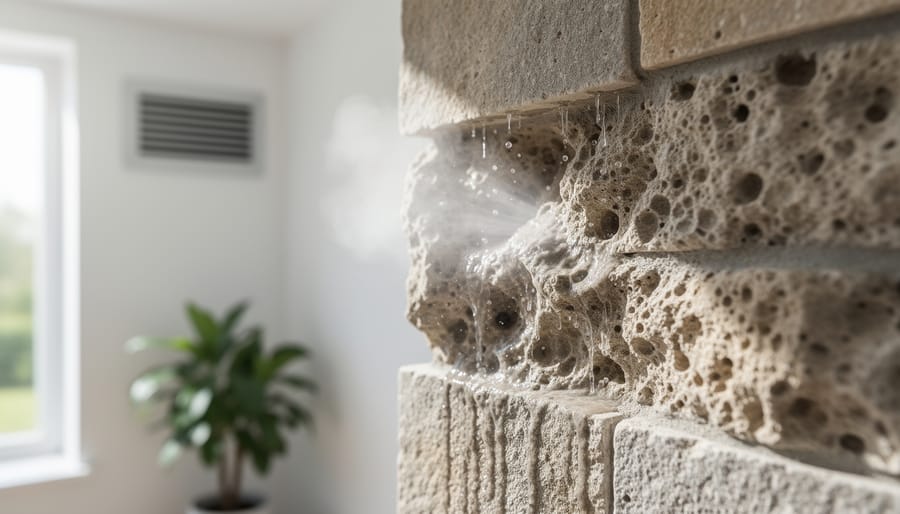
Natural stone possesses remarkable hygroscopic properties that allow it to function as a passive humidity regulator within built environments. Certain stones, particularly limestone, sandstone, and certain granites, can absorb excess moisture from the air when humidity levels rise and gradually release it back when conditions become drier. This natural buffering capacity helps maintain indoor humidity levels within the comfortable range of 40-60%, reducing the likelihood of mold growth, condensation, and respiratory discomfort.
When integrated with natural ventilation systems, stone’s moisture-regulating abilities create a synergistic effect. As fresh air circulates through the space, stone surfaces absorb or release moisture based on the incoming air’s relative humidity, effectively smoothing out humidity fluctuations that might otherwise occur with ventilation alone. This is particularly beneficial in climates with high humidity variability or in buildings where mechanical dehumidification is undesirable.
The effectiveness of this regulation depends on several factors, including the stone’s porosity, surface area exposure, and thickness. Higher porosity stones like limestone can absorb more moisture, while denser stones like polished granite offer less buffering capacity. For optimal performance, designers should specify honed or flamed finishes rather than highly polished surfaces, as these provide greater surface area for moisture exchange. Installing stone on walls, floors, or as thermal mass elements maximizes the contact area with circulating air, enhancing the overall humidity regulation effect.
Designing Effective Natural Ventilation With Stone Elements
Strategic Stone Placement for Optimal Airflow
Strategic placement of natural stone elements can significantly enhance natural ventilation performance when positioned thoughtfully throughout a building. The key is leveraging stone’s thermal mass properties while maintaining clear pathways for air movement.
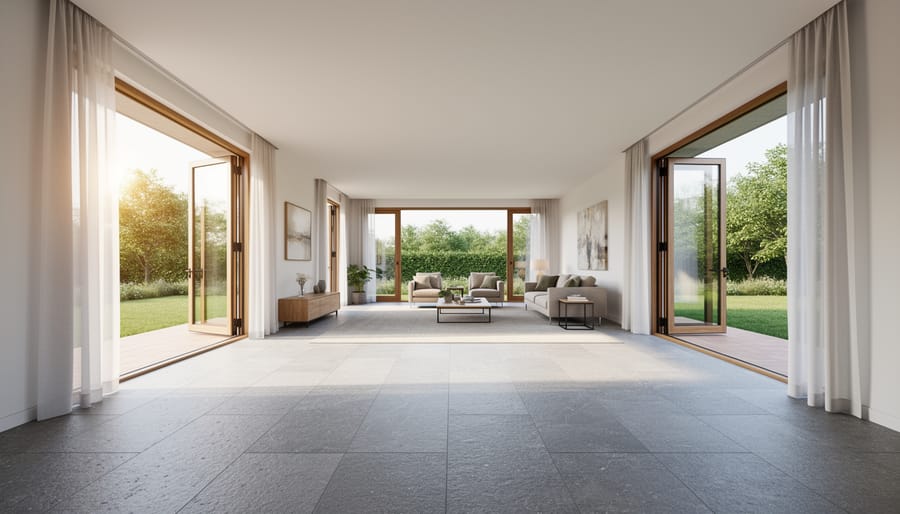
Position stone flooring in areas that receive direct sunlight or experience high foot traffic, such as south-facing rooms, entryways, and main living spaces. These locations allow stone to absorb heat during the day and release it gradually, creating natural convection currents that drive air circulation. The process of temperature stabilization works best when stone surfaces remain unobstructed by heavy furniture or thick carpeting.
For vertical applications, consider stone accent walls perpendicular to prevailing breezes rather than directly blocking airflow paths. Interior stone walls positioned near windows or ventilation openings can moderate incoming air temperatures without impeding flow. Feature walls in stairwells are particularly effective, as rising warm air naturally interacts with the stone’s thermal mass, creating a chimney effect that enhances vertical ventilation.
Avoid placing large stone installations directly in cross-ventilation corridors or in front of operable windows and vents. Instead, position them adjacent to these openings where they can benefit from air movement while allowing unrestricted flow. In rooms with multiple ventilation sources, locate stone elements between inlet and outlet points to maximize thermal interaction with moving air.
Consider using stone in thermal buffer zones like entrance halls or sunrooms, where it can pre-condition air before it moves deeper into living spaces, optimizing both ventilation effectiveness and indoor comfort.
Best Stone Types for Different Ventilation Zones
Selecting the right stone type for specific ventilation zones maximizes both performance and aesthetics. In high-humidity areas like bathrooms and kitchens, dense stones with low porosity work best. Granite and slate naturally resist moisture absorption while maintaining structural integrity, preventing mold growth and material degradation. Their tight crystalline structure allows for controlled moisture management without compromising the stone itself.
For thermal mass applications in living spaces and sunrooms, limestone and travertine excel at heat absorption and gradual release. These calcium-based stones moderate indoor temperatures by storing warmth during the day and radiating it during cooler evening hours, reducing heating and cooling demands. Their moderate density strikes an ideal balance between thermal performance and workability.
Areas requiring maximum breathability, such as bedrooms and wellness spaces, benefit from naturally porous stones like sandstone and certain limestone varieties. These materials permit controlled air and moisture exchange through their interconnected pore structure, supporting healthier indoor air quality. Sandstone’s variable porosity allows designers to select specific grades matching desired ventilation rates.
When specifying stones for ventilation zones, consider surface finishes carefully. Honed and natural-cleft finishes maintain the stone’s inherent breathability better than polished surfaces, which can seal pores and reduce air permeability. Always verify specific stone varieties through performance testing, as properties vary significantly even within the same stone category.
Avoiding Common Design Mistakes
Even with stone’s natural thermal properties, several design mistakes can undermine natural ventilation effectiveness. One critical error is creating airtight installations without adequate ventilation pathways. While stone cladding provides thermal mass benefits, completely sealing gaps around installations prevents necessary air circulation and can trap moisture, leading to condensation issues and reduced indoor air quality.
Poor placement decisions also compromise performance. Installing dense stone materials on surfaces where airflow is essential—such as blocking prevailing breezes or covering ventilation grilles—restricts natural air movement. Similarly, choosing polished, non-porous finishes in moisture-prone areas limits stone’s breathability, preventing it from regulating humidity naturally.
Inadequate consideration of thermal bridging represents another common oversight. Without proper detailing, stone can create unintended heat transfer paths that disrupt the temperature differentials driving stack ventilation. Designers should also avoid excessive stone coverage in small spaces without compensating ventilation openings, as this can create stagnant air pockets. Strategic integration requires balancing stone’s thermal mass advantages with maintaining clear airflow channels throughout the building envelope.
Real-World Performance: Case Studies
Residential Application: Passive Stone Cooling and Fresh Air
A 2,400-square-foot home in Arizona demonstrates how natural stone can enhance passive cooling when integrated with strategic cross-ventilation design. The residence features limestone flooring throughout the main living areas and sandstone accent walls positioned to maximize thermal mass benefits.
The homeowners worked with their architect to create a ventilation pathway that captures prevailing winds from the northeast, directing airflow across the stone surfaces before exiting through clerestory windows on the southwest side. Temperature sensors placed throughout the home revealed that interior spaces remained 8-12 degrees cooler than outdoor ambient temperatures during peak summer hours, with the stone surfaces absorbing heat during the day and releasing it slowly after sunset when ventilation rates increased.
Indoor air quality monitoring conducted over six months showed consistently low volatile organic compound levels and stable humidity between 40-50 percent, attributed to both the natural ventilation system and the stone’s non-porous properties that resist mold growth and don’t off-gas chemicals.
The homeowner reports that air conditioning usage dropped by approximately 60 percent compared to their previous conventionally built home of similar size. They note the most dramatic comfort improvements occur during shoulder seasons when outdoor temperatures allow them to operate purely on natural ventilation for weeks at a time. The stone floors remain comfortably cool underfoot even on hot days, eliminating the need for supplemental cooling in frequently used spaces like the kitchen and living room.
Commercial Success: Stone in Naturally Ventilated Office Spaces
The Pixel Building in Melbourne, Australia demonstrates how limestone and granite work alongside natural ventilation to create a healthier workspace. This six-story commercial office incorporates floor-to-ceiling limestone panels and polished granite flooring throughout its 45,000 square foot interior, paired with automated windows and strategically placed ventilation stacks.
The building’s stone surfaces serve dual purposes in the ventilation strategy. Interior limestone walls absorb excess heat during peak afternoon hours, reducing temperature spikes by up to 4 degrees Celsius compared to conventional construction. This thermal regulation minimizes the need for mechanical cooling while maintaining comfortable conditions. The granite flooring provides additional thermal mass, stabilizing temperature fluctuations between day and night cycles.
A two-year occupancy study conducted by the University of Melbourne tracked 200 employees working in the Pixel Building. Results showed a 15 percent reduction in reported headaches and respiratory complaints compared to workers in mechanically ventilated buildings. Employee productivity increased by 8 percent, measured through task completion rates and reduced sick leave. Indoor air quality monitoring revealed consistently lower CO2 levels, averaging 650 parts per million during occupied hours versus the 1,000 ppm typical in sealed offices.
The stone surfaces required minimal maintenance over the study period, with quarterly cleaning sufficient to maintain air quality benefits. Building operators reported 40 percent lower energy costs compared to similar-sized conventional offices, attributing savings to reduced HVAC demands. This case validates stone’s practical role in supporting natural ventilation while delivering measurable occupant health and financial advantages.
Maintaining Your Natural Ventilation System With Stone Surfaces
Cleaning Without Compromising Air Quality
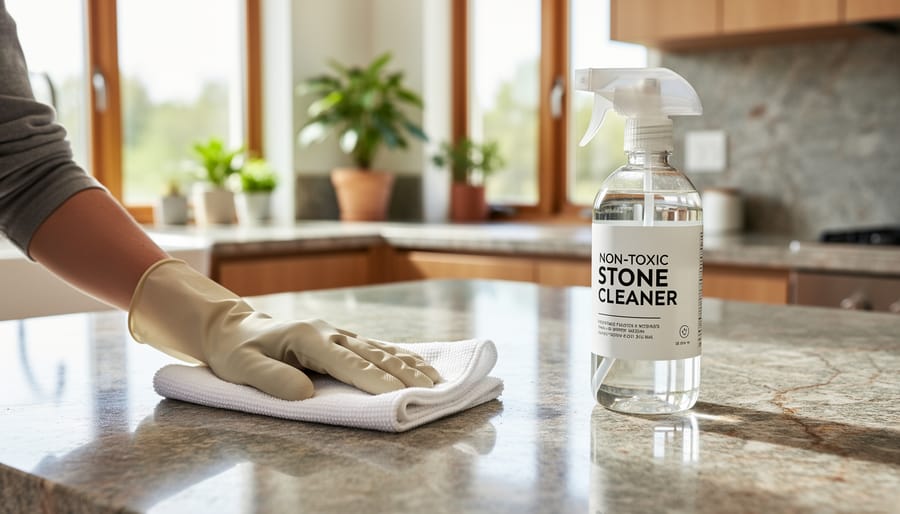
Maintaining clean stone surfaces is essential for optimal air quality and ventilation performance. Avoid harsh chemical cleaners, aerosol sprays, and volatile organic compound (VOC)-laden products that introduce pollutants into your indoor environment and compromise the benefits of natural ventilation systems.
For routine cleaning, use pH-neutral, water-based solutions specifically formulated for natural stone. Microfiber cloths dampened with warm water effectively remove dust and surface dirt without releasing airborne particles or chemicals. When deeper cleaning is needed, select products certified as low-VOC or VOC-free that won’t leave residues blocking stone’s natural breathability.
Steam cleaning offers an excellent chemical-free alternative, using only heated water vapor to sanitize and clean stone surfaces. This method preserves air quality while maintaining the material’s inherent properties.
For grout lines and sealed surfaces, choose water-based sealers and cleaning agents that allow moisture vapor transmission. Avoid wax-based products or film-forming cleaners that can seal pores and reduce stone’s ability to regulate humidity naturally. Regular dry dusting and immediate spill cleanup minimize the need for intensive chemical cleaning, protecting both your ventilation system’s effectiveness and indoor air quality.
Sealing Strategies That Preserve Breathability
Selecting appropriate sealers is essential for maintaining stone’s breathability while providing necessary protection. Water-based penetrating sealers are ideal for natural ventilation applications, as they work below the surface without creating impermeable films that trap moisture or release volatile organic compounds. Unlike topical coatings that block pores entirely, penetrating sealers allow water vapor transmission while resisting liquid penetration.
For high-humidity environments like bathrooms or kitchens with stone features, choose sealers specifically formulated for breathability, typically silane or siloxane-based products. These molecular-level treatments maintain vapor permeability rates above 80 percent while offering stain resistance. Always verify that sealers carry low-VOC certifications to prevent indoor air quality degradation.
Application timing matters significantly. Newly installed stone should cure completely—typically 28 days for mortar-set installations—before sealing to allow residual construction moisture to escape naturally. Test absorption rates by applying water droplets; if stone darkens or absorbs within five minutes, sealing may be beneficial. However, dense stones like granite often require minimal or no sealing, preserving their inherent breathability. Reapplication schedules vary by stone porosity and exposure conditions, generally ranging from annual to every three years.
Natural ventilation systems and natural stone create a powerful partnership that delivers measurable benefits for building performance and occupant comfort. Stone’s thermal mass properties stabilize indoor temperatures, reducing the energy load on ventilation systems while maintaining consistent air exchange. Its durability ensures long-term performance without releasing harmful volatile organic compounds, supporting superior indoor air quality that mechanical systems struggle to match.
For homeowners, this integration means lower energy bills, healthier living spaces, and timeless aesthetic appeal. Architects and designers gain a versatile material that enhances both passive cooling strategies and visual impact, meeting sustainability goals without compromising design integrity. The real-world case studies presented throughout this article demonstrate that natural stone isn’t merely compatible with natural ventilation—it actively optimizes system performance across diverse climates and building types.
As you plan your next project, consider how natural stone can elevate your naturally ventilated spaces. Whether you’re designing thermal mass walls, breathable facades, or interior surfaces that regulate humidity, stone offers proven solutions backed by centuries of architectural success and modern building science. Embrace this material’s potential to create spaces that breathe naturally while standing the test of time.