
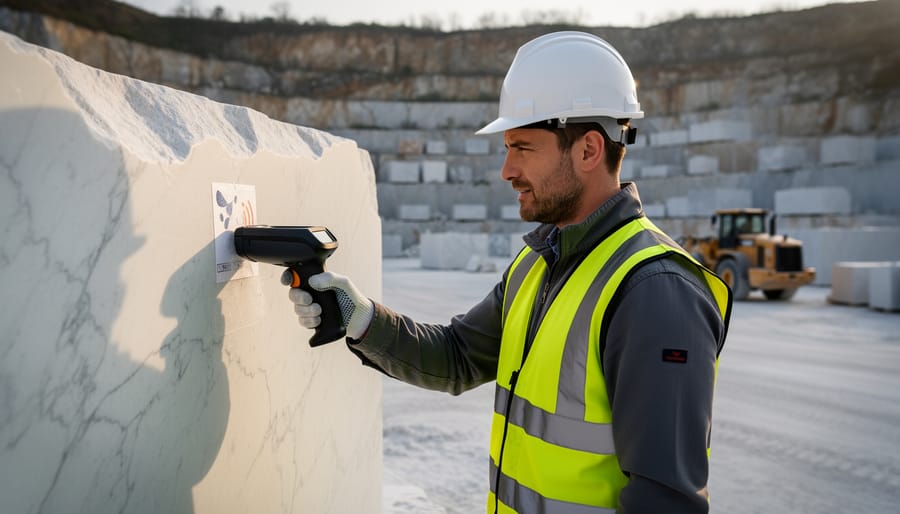
Quarry trace transforms natural stone from an anonymous building material into a documented product with verifiable origins, quality standards, and ethical credentials. When you specify quarry-traced stone for your next project, you gain access to geological reports, extraction methods, environmental certifications, and the complete chain of custody from mountainside to installation site.
The demand for traceable stone has surged as green building certifications, supply chain transparency regulations, and consumer awareness converge. Architects now face requirements to document material origins for LEED credits. Homeowners increasingly question whether their countertops were extracted using responsible labor practices. Importers must comply with regulations like the EU Timber Regulation and various conflict mineral laws that extend to dimensional stone.
Quarry traceability delivers measurable advantages beyond regulatory compliance. Projects benefit from guaranteed stone consistency when materials come from documented blocks within specific quarry sections. Quality issues become resolvable when you can track stone back to its extraction date and processing facility. Sustainability claims gain credibility through verified carbon footprint calculations and water usage data.
Understanding quarry trace systems equips you to ask the right questions of suppliers, verify claims that impact project specifications, and make informed decisions that balance aesthetics with accountability. This guide examines what information comprehensive traceability provides, which verification methods prove most reliable, and how to implement quarry trace requirements in procurement processes—whether you’re selecting marble for a hotel lobby or granite for residential countertops.
What Is Quarry Trace?
The Technology Behind Stone Tracking
Modern stone tracking relies on several complementary technologies that work together to create a transparent supply chain. The most common method uses QR codes applied directly to stone slabs or bundles. When scanned with a smartphone, these codes instantly reveal the stone’s origin, extraction date, processing history, and specifications. This simple approach makes verification accessible to anyone involved in the purchasing or installation process.
Batch numbering systems provide another layer of traceability, assigning unique identifiers to stone extracted during specific time periods or from particular quarry sections. These numbers appear on invoices, shipping documents, and physical labels, allowing buyers to cross-reference their purchases with quarry records.
Digital certificates accompany premium stone products, functioning as official documentation that verifies authenticity and provides detailed technical data. These certificates typically include geological information, physical properties, and processing details that help professionals make informed specification decisions.
Blockchain technology represents the newest frontier in stone traceability. Several quarries and distributors now use blockchain-based systems to create permanent, tamper-proof records of each stone’s journey. Every transaction or transfer gets recorded in a distributed ledger, ensuring complete transparency from extraction to installation. While still emerging, blockchain applications offer unprecedented verification capabilities, particularly valuable for high-end projects requiring absolute certainty about material provenance.
These technologies often work in combination, with QR codes linking to blockchain records or digital certificates, creating multiple verification pathways that accommodate different user needs and technical capabilities.
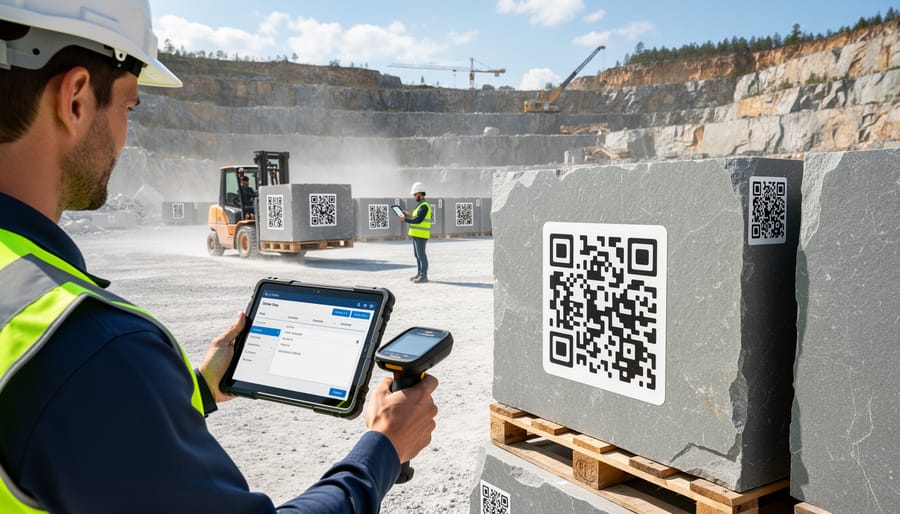
From Block to Slab: The Documentation Process
Traceability in natural stone begins the moment extraction equipment makes contact with the deposit. Reputable quarry operations assign unique identification codes to each block as it’s removed from the quarry face. This initial documentation includes the exact extraction location within the quarry, geological layer, date, and block dimensions—information typically recorded through digital photography, GPS coordinates, and quarry management software.
During transportation, blocks maintain their identification through metal tags, engraved numbers, or waterproof labels that withstand weather and handling. Transport documents link these codes to shipping manifests, creating an unbroken chain from quarry to processing facility. Many operations now use QR codes or RFID tags that allow instant access to complete extraction data through smartphone scanning.
At processing facilities, the documentation evolves as blocks become slabs. Each cutting session generates new records that connect finished slabs back to their parent block. Processing documentation captures thickness specifications, surface treatments applied, quality grading, and any defects or unique characteristics. Digital photography at this stage creates visual records of veining patterns and color variations, essential for matching slabs in large projects.
Distribution adds another documentation layer as slabs move to fabricators or retailers. Inventory systems track slab numbers, square footage, pricing, and availability. Advanced suppliers provide customers with digital certificates that compile the complete journey—from GPS coordinates of extraction through processing details to current location.
This multi-stage documentation enables architects and designers to verify authenticity, ensure consistency across orders, and provide clients with transparent sourcing information that supports sustainability goals and project specifications.

Why Quarry Trace Matters for Your Project
Quality Assurance and Authenticity
Quarry trace documentation serves as your stone’s certificate of authenticity, protecting buyers from fraudulent substitutions and misrepresented materials. When suppliers provide detailed quarry information, including location coordinates, extraction dates, and geological certifications, you gain confidence that you’re purchasing genuine material rather than lower-quality alternatives marketed under premium names.
This verification becomes particularly valuable for large-scale projects requiring multiple shipments over time. By documenting the exact quarry block or section where your stone originated, you can match future orders to ensure consistent veining patterns, color tones, and material characteristics. Without this traceability, you risk receiving visually incompatible stone that disrupts your design continuity.
Reputable stone suppliers maintain comprehensive quarry records and provide transparent documentation upon request. This includes photographs of the quarry face, block numbers, and extraction certificates that verify the stone’s origin. For high-value installations, some suppliers even offer blockchain-based tracking systems that create immutable records of the stone’s journey from quarry to fabrication.
When evaluating suppliers, request specific quarry documentation rather than accepting generic origin claims. Legitimate providers welcome these inquiries and readily share verification materials, while those unwilling to provide detailed provenance information should raise concerns about authenticity.
Sustainability and Ethical Sourcing
Quarry traceability has become essential for demonstrating environmental responsibility and ethical sourcing in the natural stone industry. By documenting a stone’s origin, buyers can verify that materials come from quarries employing sustainable quarrying practices, minimizing environmental impact through responsible land management, water conservation, and habitat restoration efforts.
Traceability also ensures transparency in labor practices. Documented supply chains allow specifiers to confirm that stone was extracted under safe working conditions with fair wages, addressing growing concerns about human rights in global supply chains. This transparency matters increasingly to consumers and corporations committed to ethical purchasing.
For architects and designers pursuing green building certifications like LEED, BREEAM, or Living Building Challenge, quarry trace documentation provides essential proof points. These certifications often require disclosure of material origins, extraction methods, and transportation distances to calculate environmental impacts. Detailed quarry records simplify this process, offering verification that stone meets sustainability criteria including responsible sourcing credits and regional material requirements. This connection between traceability and certification makes quarry trace information a practical tool for projects targeting environmental performance standards.
Legal Compliance and Documentation
Comprehensive quarry trace documentation serves as essential legal protection when importing natural stone across international borders. Customs authorities increasingly require detailed provenance records to verify material origin, ensuring compliance with trade regulations and sanctions. Without proper documentation, shipments may face delays, additional inspections, or rejection at entry points.
Import regulations vary by country, but most require certificates of origin, material safety data sheets, and quarry source verification. Complete trace records streamline this process by providing customs officials with transparent information about the stone’s journey from extraction to destination. This documentation proves particularly valuable when importing from regions with specific trade agreements or restrictions.
For warranty claims, quarry trace records establish an unbroken chain of custody that validates product authenticity. If stone fails to meet specified standards or develops unexpected issues, documented provenance helps determine whether problems stem from quarry conditions, processing methods, or installation practices. This clarity protects all parties involved and facilitates faster resolution of disputes. Additionally, some insurance policies require provenance documentation to cover high-value stone installations, making proper trace records a prerequisite for financial protection.
What Information Should Quarry Trace Documentation Include?
Essential Traceability Data Points
A comprehensive quarry trace system captures several critical data points that form the complete provenance chain for natural stone. Understanding these elements helps you verify authenticity and make informed purchasing decisions.
Quarry Name and Geographic Location: This fundamental information identifies the exact source of your stone, including the specific quarry site and its GPS coordinates when available. Geographic origin significantly influences stone characteristics, as marble from Carrara, Italy differs substantially from Turkish or Greek varieties, even when visually similar.
Extraction Date: The date when stone was removed from the earth provides timeline documentation and helps correlate the material with specific geological conditions or quarry operations during that period.
Block Number: Each extracted block receives a unique identifier that connects it to specific quarry records. This tracking number follows the stone through its journey and enables precise matching if additional material is needed for future projects or repairs.
Processing Facility Details: Documentation of where and when the stone was processed—cut into slabs, finished, and prepared for distribution—ensures accountability throughout the fabrication chain. This includes information about cutting techniques and surface treatments applied.
Slab Number: Individual slabs cut from the same block receive sequential numbers, allowing you to source matching pieces from the same stone mass for consistency in large installations.
Certification Documents: Quality certificates, geological reports, and compliance documentation verify the stone meets industry standards and regulatory requirements. These may include certifications for slip resistance, environmental compliance, or adherence to building codes.
How to Verify Your Stone’s Quarry Trace

Questions to Ask Your Supplier
When evaluating natural stone suppliers, asking the right questions about quarry trace ensures you receive properly documented materials. Start by requesting the exact quarry location and name where the stone originated. Ask suppliers to provide quarantine certificates, extraction permits, and any geological testing reports that verify the stone’s composition and structural integrity.
Inquire about their documentation systems: How do they track each shipment from extraction to delivery? Request batch numbers or lot identifiers that link your specific order to quarry records. This information becomes essential if issues arise or if you need matching materials for future projects.
For sustainability-focused projects, ask whether the quarry follows environmental management standards and if third-party certifications are available. Question their labor practices and whether they can demonstrate ethical sourcing through auditable records.
Don’t hesitate to request sample documentation before committing to large orders. Reputable suppliers should readily provide quarry trace information and welcome questions about their supply chain. If a supplier appears reluctant or unable to furnish basic traceability data, consider it a red flag. Transparent documentation protects your investment and ensures the stone meets your project specifications and compliance requirements.
Real-World Applications: Case Studies
Quarry trace technology has delivered measurable results across diverse projects. When a historic courthouse in Vermont required matching Danby marble for its renovation, traditional methods proved inadequate. Through quarry trace analysis, contractors identified the exact vein location from the original 1920s extraction, ensuring seamless aesthetic continuity. The project saved an estimated $50,000 in material waste and avoided months of trial-and-error sourcing.
In commercial construction, a luxury hotel chain pursuing LEED Gold certification used quarry trace documentation to verify their limestone originated from certified sustainable quarries within 500 miles of the project site. This transparency earned crucial points toward their environmental goals while satisfying third-party auditors who required proof beyond supplier statements.
The technology has also combated fraud in high-value installations. A Dubai developer discovered their specified Carrara marble was actually Chinese material through independent quarry trace testing. The chemical fingerprint analysis revealed discrepancies between the delivered stone and authenticated Carrara samples, preventing a six-figure material substitution scheme.
For homeowners, quarry trace has proven invaluable in warranty disputes. When a kitchen countertop developed unexpected staining, trace analysis confirmed the stone came from a quarry section known for higher iron content than standard grades. This documentation supported the homeowner’s claim and resulted in material replacement at no cost, demonstrating how provenance data protects consumer investments beyond initial purchase.
Quarry trace provides the transparency needed to make confident, informed decisions about natural stone purchases. By understanding where your stone originates and how it reaches your project, you gain assurance about quality, authenticity, and ethical sourcing. This documentation empowers you to verify that materials meet industry standards, support responsible quarry sources, and align with your sustainability goals.
For architects and designers, traceability documentation demonstrates due diligence to clients and helps fulfill green building certification requirements. Consumers benefit from knowing their investment comes with verified credentials that protect against misrepresentation and ensure long-term value. Industry professionals can leverage quarry trace to build trust, differentiate their offerings, and contribute to more sustainable supply chains.
As you plan your next stone project, make traceability a priority. Request quarry documentation from suppliers, ask about chain of custody records, and verify certifications. Taking these simple steps ensures you receive authentic, responsibly sourced natural stone while supporting an industry committed to transparency and environmental stewardship. Your informed choices drive positive change throughout the natural stone sector.