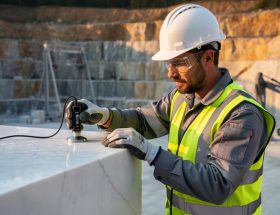

Every quarry that extracts natural stone carries a responsibility that extends far beyond the final cut. When limestone, granite, or marble leaves a quarry site, the land bears visible scars—stripped topsoil, exposed rock faces, altered water drainage patterns, and disrupted ecosystems. Land rehabilitation transforms these extraction sites back into productive, ecologically viable spaces, addressing growing concerns about the environmental footprint of the natural stone industry.
Modern quarry rehabilitation employs systematic approaches that begin during active extraction, not after closure. Progressive companies implement phased restoration, stabilizing slopes with engineered terracing, recontouring land to match surrounding topography, and establishing drainage systems that prevent erosion and contamination. Soil reconstruction layers organic matter over compacted surfaces, creating conditions where native vegetation can take root. Water management systems redirect runoff, create wetlands, or develop reservoirs that serve both ecological and community purposes.
The transformation proves remarkable. Former quarry sites become productive agricultural land, thriving forests, recreational parks, or wildlife habitats. Some sites even transition into commercial developments or educational centers that showcase geological features. These outcomes depend on detailed decommissioning plans developed before extraction begins, ensuring financial resources and technical protocols exist for complete restoration.
For consumers, architects, and designers selecting natural stone, understanding rehabilitation practices provides crucial insight into a supplier’s environmental commitment. Responsible extraction paired with thorough land restoration demonstrates that natural stone can serve as a truly sustainable building material when sourced from operators who honor their obligations to the land.
Understanding the Quarry Rehabilitation Challenge

The Environmental Footprint of Stone Extraction
Stone extraction through quarrying creates significant environmental impacts that extend far beyond the immediate excavation site. Understanding these effects is essential for appreciating why comprehensive rehabilitation efforts matter in the natural stone industry.
The most visible impact is dramatic topography alteration. Quarrying operations remove substantial volumes of rock, creating deep pits, steep walls, and permanently changed landscapes. A single commercial quarry can excavate millions of tons of material over its operational life, fundamentally reshaping the terrain. These alterations affect natural water drainage patterns, potentially causing erosion in surrounding areas and altering local hydrology.
Soil structure disruption represents another critical concern. Heavy machinery compacts soil layers, reducing porosity and destroying natural soil horizons that took centuries to develop. This compaction prevents water infiltration and limits the soil’s ability to support vegetation. Additionally, the removal of topsoil during quarry development strips away the nutrient-rich layer necessary for plant growth, making natural regeneration extremely difficult without intervention.
Habitat displacement impacts local ecosystems significantly. Quarrying activities destroy existing vegetation and force wildlife populations to relocate, fragmenting habitats and disrupting breeding grounds. Species that depend on specific geological features or plant communities face particular challenges. The noise, dust, and vibration from extraction operations further stress remaining wildlife in adjacent areas.
These cumulative impacts underscore why the stone industry has increasingly prioritized responsible extraction practices and comprehensive post-closure rehabilitation plans to restore ecological function and landscape value.
Why Rehabilitation Matters for Natural Stone Users
When you choose natural stone for your home or project, you’re not just selecting a beautiful, durable material—you’re also making an environmental decision. Responsible quarry rehabilitation directly impacts the sustainability profile of the stone products you purchase.
Quarries that implement comprehensive rehabilitation programs demonstrate their commitment to environmental stewardship. These practices minimize the long-term ecological footprint of extraction, ensuring that land returns to productive use after operations cease. For environmentally conscious consumers, this matters significantly. Stone sourced from quarries with active rehabilitation plans carries stronger sustainability credentials than those from operations that leave sites abandoned.
When evaluating natural stone suppliers, ask about their rehabilitation commitments. Look for companies that restore topsoil, replant native vegetation, and create post-extraction land uses that benefit local communities. Some rehabilitated quarries become parks, wetlands, or wildlife habitats, transforming former industrial sites into environmental assets.
Architects and designers increasingly face pressure to specify materials from responsible sources. Understanding quarry rehabilitation practices enables you to make informed choices that align with green building standards and client expectations. By supporting companies that prioritize land restoration, you’re helping drive industry-wide improvements in environmental responsibility while enjoying the timeless appeal of natural stone.
The Rehabilitation Planning Process
Pre-Extraction Site Assessment
Before any extraction begins, responsible quarry operators conduct comprehensive baseline studies that serve as the blueprint for eventual restoration. These pre-extraction assessments document the site’s original condition through detailed soil sampling, which analyzes composition, pH levels, nutrient content, and microbial activity at various depths. Environmental scientists catalog existing vegetation, identifying native plant species, mapping their distribution, and collecting seeds for future propagation programs.
Topsoil, the most biologically active layer essential for plant growth, receives special attention. Teams carefully map its depth and quality across the site, knowing this precious resource will be stripped and stored separately before extraction begins. Wildlife surveys document animal populations and migration patterns, while hydrological studies assess groundwater levels, drainage patterns, and water quality.
Photography and GIS mapping create visual and digital records of the landscape’s pre-extraction state. These baseline documents become invaluable reference points, guiding restoration teams years or even decades later when extraction concludes. This upfront investment in understanding the ecosystem ensures that rehabilitation efforts can realistically aim to return the land to a condition that supports similar biodiversity and ecological function, rather than simply covering disturbed earth with generic landscaping.
Developing a Site-Specific Restoration Plan
Successful quarry rehabilitation begins with a customized plan tailored to each site’s unique characteristics. Operators conduct comprehensive baseline assessments before extraction even begins, documenting existing soil composition, native vegetation, water resources, and local wildlife habitats. These surveys establish benchmarks for restoration targets.
Climate plays a crucial role in determining suitable revegetation species and restoration timelines. A quarry in an arid region requires drought-resistant plants and water conservation strategies, while sites in temperate zones can support different ecosystems. Soil testing identifies nutrient deficiencies and contamination levels, guiding amendments needed to support plant growth.
The intended end-use significantly influences planning decisions. Sites might be transformed into recreational parks, agricultural land, wildlife reserves, commercial developments, or water bodies. Quarry operators increasingly engage with local communities during the planning phase to align restoration goals with regional needs and priorities.
Regulatory requirements vary by jurisdiction, but most regions mandate detailed rehabilitation plans before granting extraction permits. These plans typically include phased restoration schedules, allowing operators to rehabilitate sections progressively while operations continue in other areas. This approach reduces overall environmental impact and demonstrates ongoing commitment to land stewardship, providing reassurance to environmentally conscious consumers about the responsible sourcing of their natural stone materials.
Regulatory Requirements and Best Practices
Quarry operators face stringent legal obligations that vary by jurisdiction but typically require comprehensive rehabilitation plans before extraction begins. Environmental impact assessments, bonding requirements, and progressive rehabilitation mandates ensure companies financially commit to restoration. In the European Union, the Mining Waste Directive establishes baseline standards, while individual countries often impose additional requirements. The United States operates under state-level regulations, with some states like California requiring detailed reclamation bonds calculated per acre disturbed.
Beyond compliance, industry standards like ISO 14001 environmental management certification demonstrate voluntary commitment to best practices. Organizations such as the Natural Stone Council provide sustainability guidelines specific to dimension stone quarries, addressing water management, biodiversity protection, and community engagement. Third-party certifications including the Natural Stone Sustainability Standard offer verification of responsible practices, providing architects and consumers with credible assurance. Progressive operators increasingly adopt these voluntary frameworks, recognizing that documented environmental stewardship enhances market positioning and addresses growing demand for sustainably sourced materials.
Key Rehabilitation Techniques and Methods
Regrading and Slope Stabilization
Regrading and slope stabilization form the foundation of successful quarry rehabilitation, transforming steep extraction faces into safe, stable landforms. This process begins with careful assessment of quarry geometry, soil composition, and local topography to determine optimal slope angles—typically ranging from 18 to 26 degrees—that prevent erosion while supporting future vegetation.
Operators use heavy machinery to reshape quarry walls and floors, creating benched terraces that break up long slopes and reduce water velocity during rainfall. These benches also provide level platforms for planting and maintenance access. Excess rock and overburden materials are strategically redistributed to fill extraction voids and build stable contours.
Water management is integral to slope stability. Engineers design drainage channels, swales, and retention basins to direct runoff away from vulnerable slopes and prevent gully formation. Some sites incorporate rock buttresses or gabion walls to reinforce steeper sections while maintaining natural aesthetics.
The reshaped terrain creates microclimates with varying sun exposure and moisture levels, supporting diverse plant communities. Proper grading ensures that topsoil, when reapplied, remains in place during establishment phases, giving vegetation the stable foundation needed to anchor slopes permanently through root systems.

Soil Restoration and Amendment
Successful land rehabilitation begins with restoring soil quality, a critical foundation for sustainable vegetation growth. During quarry operations, topsoil is typically stockpiled in designated areas to preserve its organic content and seed bank. This practice allows operators to reuse nutrient-rich material during restoration, significantly reducing recovery time.
When stockpiled soil proves insufficient or has degraded, importing quality topsoil becomes necessary. Rehabilitation teams carefully select materials that match the region’s natural soil composition, ensuring compatibility with native plant species. The imported soil undergoes testing to verify it’s free from contaminants and possesses appropriate pH levels and drainage characteristics.
Enriching restored soil with organic amendments transforms depleted ground into fertile terrain. Compost, biosolids, and green waste add essential nutrients while improving soil structure and water retention capacity. These organic materials also reintroduce beneficial microorganisms that support plant health and ecosystem development.
The amendment process typically involves spreading a mixture of topsoil and organic matter across prepared surfaces, often in layers reaching 12 to 24 inches deep. This depth provides adequate root space for diverse vegetation types. Careful nutrient balancing through targeted fertilization ensures young plants establish successfully, creating conditions where natural ecological processes can eventually sustain themselves without ongoing human intervention.
Revegetation Strategies
Successful revegetation forms the foundation of long-term quarry site stability and ecological recovery. The process begins with careful plant selection, prioritizing native species that naturally thrive in the region’s climate and soil conditions. Native plants offer multiple advantages: they require less maintenance, support local wildlife populations, and integrate seamlessly into surrounding ecosystems without becoming invasive.
Plant selection considers specific site conditions including soil depth, drainage patterns, sun exposure, and slope stability requirements. Pioneer species with robust root systems often establish first, helping to stabilize soil and create favorable conditions for other vegetation. Deep-rooted native grasses and shrubs anchor loose materials while improving soil structure through organic matter accumulation.
Seeding techniques vary based on site topography and access. Hydroseeding proves effective for steep slopes, combining seed, mulch, and fertilizer in a slurry that adheres to challenging terrain. Direct seeding works well on flatter areas, while container-grown plantings offer higher survival rates in particularly difficult locations.
Timing significantly impacts success rates. Planting during optimal growing seasons, typically spring or fall, allows vegetation to establish before facing temperature extremes. Initial irrigation and erosion control measures support early growth until plants become self-sustaining. Monitoring programs track vegetation establishment, identifying areas requiring supplemental planting or adjusted maintenance protocols to achieve complete, resilient vegetation cover.
Water Management and Aquatic Restoration
Water management stands as a critical component of successful quarry rehabilitation, directly impacting both ecological recovery and long-term site stability. Effective drainage systems must be carefully engineered to prevent erosion, manage stormwater runoff, and protect surrounding watersheds from sediment contamination. Many rehabilitated quarries incorporate these drainage networks to redirect water flow naturally, mimicking pre-extraction hydrological patterns.
Creating ponds and lakes within former quarry pits has become an increasingly popular restoration approach. These water bodies serve multiple purposes: providing habitats for aquatic species, offering recreational opportunities for local communities, and functioning as water retention systems. The deep, clear water typical of limestone and granite quarries often develops into thriving freshwater ecosystems when properly managed.
Wetland restoration represents another valuable water management strategy. Constructed wetlands filter pollutants, support biodiversity, and create transitional zones between aquatic and terrestrial habitats. These areas become havens for amphibians, waterfowl, and native plant species.
Regular water quality monitoring ensures these aquatic features remain healthy and safe. Testing parameters include pH levels, dissolved oxygen, nutrient concentrations, and sediment loads. This ongoing surveillance helps identify potential issues early, allowing for corrective measures that maintain the ecological integrity of rehabilitated water features throughout the site’s post-extraction life.
Innovative Post-Extraction Land Uses
Nature Reserves and Wildlife Habitats
Former quarries worldwide are being transformed into vital sanctuaries for wildlife, demonstrating how extraction sites can become biodiversity hotspots. In the United Kingdom, several limestone quarries have been converted into nature reserves that now support rare orchids, nesting birds, and bat populations. The unique microclimates created by quarry walls and water-filled pits provide ideal conditions for species that struggle in conventional habitats.
In Australia, the rehabilitation of granite quarries near Sydney has created wetland ecosystems that attract over 80 bird species, including several threatened varieties. These projects incorporate native vegetation, artificial nesting sites, and carefully managed water features to replicate natural habitats.
Perhaps most notably, a former marble quarry in Vermont has become a protected habitat for peregrine falcons, which nest on the sheer rock faces. The site’s rehabilitation included minimal intervention, allowing natural succession while strategically introducing native plants. These examples prove that thoughtful post-extraction planning can deliver significant ecological benefits, transforming industrial sites into living laboratories that support conservation efforts and provide educational opportunities for communities.
Recreational and Educational Spaces
Rehabilitated quarries increasingly serve as valuable community assets, transforming former extraction sites into recreational destinations that enhance local quality of life. These spaces offer diverse opportunities for outdoor activities while preserving the geological heritage of stone extraction.
Many quarries naturally lend themselves to rock climbing, with exposed cliff faces providing challenging routes for both beginners and experienced climbers. The stable stone walls that once supplied building materials now attract adventure enthusiasts and support local tourism economies. Other sites become scenic hiking trails, where visitors can observe the restoration process firsthand and appreciate native vegetation reclaiming the landscape.
Former quarry sites also function as outdoor classrooms, offering unique educational opportunities. Schools and universities utilize these spaces to teach geology, ecology, and environmental science, allowing students to examine rock formations, study revegetation techniques, and understand the full lifecycle of natural stone extraction. Parks developed on rehabilitated land provide green spaces in communities where natural areas may be limited, complete with picnic areas, observation platforms, and interpretive signage explaining the site’s transformation.
These conversions demonstrate how responsible post-extraction planning creates lasting community benefits, turning industrial landscapes into destinations that combine recreation, education, and environmental stewardship while maintaining connections to the area’s quarrying heritage.
Commercial and Residential Development
Rehabilitated quarry sites offer unique opportunities for commercial and residential development that blend sustainability with functionality. These projects transform former extraction areas into vibrant communities while preserving the geological character that makes each location distinctive. Mixed-use developments can incorporate the natural topography and remaining stone formations as architectural features, creating spaces that tell the story of the site’s industrial heritage.
Sustainable building practices align naturally with quarry rehabilitation, as developers can utilize existing infrastructure and reduce the environmental impact of new construction. Some projects incorporate green building certifications by implementing renewable energy systems, water management solutions, and native landscaping that supports local ecosystems. Former quarry offices and facilities can be repurposed into community centers or commercial spaces, minimizing demolition waste.
Successful developments honor the land’s history through interpretive signage, preserved equipment displays, or design elements that reference the stone extraction industry. This approach creates authentic spaces that educate residents and visitors about the site’s transformation while demonstrating the industry’s commitment to responsible land stewardship.
Agricultural and Forestry Applications
Once extraction activities cease, many quarry sites transition into productive land uses that benefit local communities and ecosystems. Agricultural conversion represents one of the most straightforward rehabilitation pathways, particularly for limestone and sandstone quarries where rock dust has naturally enriched the soil with minerals. Former quarry floors often become grazing pastures or cropland after regrading and topsoil application, returning sites to food production within several years.
Forestry applications offer another viable option, especially in regions where native woodlands once dominated. Rehabilitation teams plant native tree species suited to the local climate and soil conditions created by quarrying activities. These managed forests provide timber resources, wildlife habitat, and carbon sequestration benefits. The terraced landscapes typical of many quarries create diverse microclimates that can support varied tree species, from pioneer species on exposed benches to moisture-loving varieties in sheltered areas. Some operations integrate both approaches, establishing silvopasture systems where trees and livestock coexist, maximizing land productivity while maintaining environmental benefits. These transitions demonstrate how extraction sites can return to economically productive uses that align with regional land-use patterns.

Real-World Success Stories
Across the globe, forward-thinking quarry operators are transforming exhausted extraction sites into thriving ecosystems and community assets, proving that responsible stone production and environmental stewardship can coexist.
One of the most celebrated examples comes from the Vermont Marble Company’s quarries in the United States. After nearly 150 years of operation, several abandoned marble quarries in Dorset, Vermont underwent comprehensive rehabilitation beginning in the 1990s. The deepest quarry, now filled with crystal-clear groundwater, has become a popular swimming destination while maintaining its dramatic marble walls as a testament to the site’s industrial heritage. Native vegetation has reclaimed the surrounding areas, and the site now supports diverse wildlife populations including nesting birds and amphibians. This project demonstrates how quarries can transition into recreational and ecological assets that benefit local communities.
In Carrara, Italy, home to some of the world’s most prized marble, operators have implemented progressive rehabilitation practices at active sites. The Fantiscritti quarries showcase terraced restoration techniques where exhausted benches are immediately replanted with Mediterranean vegetation native to the Apuan Alps. This approach prevents soil erosion and maintains habitat connectivity for local fauna. Importantly, this rehabilitation occurs alongside ongoing extraction, proving that restoration doesn’t need to wait until operations cease entirely.
The Eden Project in Cornwall, England represents perhaps the most ambitious quarry transformation globally. A former china clay pit, exhausted after 160 years of extraction, was converted into an internationally acclaimed botanical garden and education center. The site now houses massive biome structures containing plants from diverse climates and attracts over one million visitors annually. While not exclusively a stone quarry, this project illustrates the extraordinary potential of post-extraction land when creative vision meets environmental commitment.
In Australia, the Gosford Quarry rehabilitation in New South Wales transformed a sandstone extraction site into a thriving wetland ecosystem. Engineers reshaped the quarry floor to create varied water depths, installed native aquatic plants, and established buffer zones with indigenous trees and shrubs. Within five years, the site supported over 80 bird species and became an important breeding ground for endangered frogs.
These success stories share common elements: comprehensive planning before extraction ends, integration of native species, consideration of local community needs, and long-term monitoring. They demonstrate that with proper investment and expertise, quarried land can become more ecologically valuable than its pre-extraction state, offering hope and practical models for the natural stone industry’s sustainable future.

The Role of Stakeholders in Successful Rehabilitation
Successful land rehabilitation requires coordinated effort from multiple stakeholders, each bringing essential expertise and perspectives to the restoration process. When quarry operators, environmental scientists, local communities, and regulatory agencies work together, the results consistently outperform isolated efforts.
Quarry operators play the foundational role by committing resources and implementing rehabilitation plans from the initial extraction phase through site closure. Progressive companies integrate restoration planning into their operational procedures, setting aside topsoil, monitoring water quality, and establishing financial guarantees for completion. Their on-the-ground knowledge of site conditions proves invaluable for practical implementation.
Environmental experts contribute specialized knowledge in soil science, ecology, hydrology, and landscape architecture. They assess baseline conditions, design restoration strategies suited to local ecosystems, and monitor progress using scientific methods. Their guidance helps transform industrial sites into functioning ecosystems or productive lands that benefit the broader landscape.
Local communities provide crucial insights about regional needs and historical land use. Their involvement ensures that restored lands serve practical purposes, whether as recreational spaces, agricultural areas, or wildlife habitats. Community input during planning stages reduces conflicts and increases project acceptance, while their long-term stewardship often determines ultimate success.
Government agencies establish regulatory frameworks that set minimum standards while offering technical and financial support. They review rehabilitation plans, conduct inspections, and verify compliance with environmental laws. Many jurisdictions now require detailed closure plans and financial assurance before permitting new quarries.
This collaborative model creates accountability while pooling diverse knowledge and resources. Real-world examples demonstrate that projects embracing stakeholder engagement achieve faster approval, better environmental outcomes, and stronger community relationships. The natural stone industry increasingly recognizes that stakeholder collaboration isn’t just good practice; it’s essential for maintaining social license and ensuring quarried lands contribute positively to surrounding landscapes long after extraction ends.
Monitoring and Long-Term Stewardship
Successful quarry rehabilitation extends far beyond the completion of initial restoration work. Just as natural ecosystems require time to mature and stabilize, rehabilitated quarry sites need ongoing attention to ensure their long-term viability and ecological health.
Monitoring programs typically begin immediately after restoration activities commence and continue for decades. These protocols track vegetation establishment rates, soil quality improvements, water drainage patterns, and wildlife colonization. Regular site inspections—often conducted quarterly in early years and annually thereafter—help identify potential issues before they become significant problems. Parameters measured include plant survival rates, erosion indicators, water quality in rehabilitated ponds or wetlands, and the presence of target species that indicate ecosystem health.
Adaptive management strategies allow rehabilitation teams to respond to monitoring data effectively. If certain planted species struggle to establish, alternative native species better suited to site conditions can be introduced. Erosion problems might require additional soil stabilization measures or adjusted drainage systems. This flexible approach recognizes that rehabilitation is not a one-size-fits-all process but rather an evolving effort that responds to real-world conditions.
Long-term stewardship often involves partnerships between quarry operators, local communities, conservation organizations, and government agencies. Some sites transition to public parks, nature reserves, or educational facilities, ensuring continued care and providing lasting community benefits. This commitment to post-closure responsibility demonstrates the natural stone industry’s dedication to environmental sustainability and helps consumers make informed choices about materials sourced from responsibly managed operations.
What This Means for Natural Stone Consumers
Understanding quarry rehabilitation practices empowers you to make more environmentally conscious purchasing decisions when selecting natural stone for your projects. As awareness grows about sustainability in construction materials, the quarrying industry’s commitment to land restoration has become an important differentiator among suppliers.
When evaluating natural stone suppliers, don’t hesitate to ask specific questions about their environmental stewardship. Inquire whether they have documented rehabilitation plans in place before extraction begins. Request information about their track record with completed restoration projects, including timelines and ecological outcomes. Responsible suppliers should be transparent about their practices and proud to share their environmental achievements.
Look for certifications and third-party audits that verify sustainable extraction practices. Many leading quarry operators now participate in environmental management systems and can provide documentation of their rehabilitation efforts. Some even offer site visits or photographic evidence of restored lands, demonstrating their commitment beyond marketing claims.
Consider that choosing natural stone from quarries with robust rehabilitation programs supports industry-wide improvements in environmental standards. Your purchasing power influences supplier behavior, encouraging investment in better restoration techniques and ecological monitoring. This creates a positive feedback loop where consumer demand drives enhanced environmental responsibility.
For architects and designers, incorporating this information into project specifications and client presentations adds value by demonstrating due diligence in material sourcing. It also helps meet increasingly stringent green building standards and satisfies clients seeking verified sustainability credentials.
Remember that rehabilitated quarry lands often become valuable community assets, serving as wildlife habitats, recreational spaces, or agricultural land. By supporting quarries committed to proper restoration, you contribute to creating these positive environmental legacies rather than simply minimizing harm. Your informed choices today help shape the industry’s environmental practices for future generations.
The natural stone industry’s commitment to land rehabilitation demonstrates that environmental responsibility and resource extraction can coexist. Comprehensive quarry rehabilitation—encompassing careful planning, soil restoration, native vegetation reestablishment, and ongoing monitoring—transforms extraction sites into productive landscapes that support biodiversity, water quality, and community needs.
As consumers, architects, and designers, you have the power to drive positive change by supporting companies with demonstrated environmental stewardship. When evaluating natural stone suppliers, inquire about their rehabilitation practices, request documentation of restoration efforts, and prioritize partnerships with operations that view land restoration as integral to their business model, not an afterthought.
The beauty and durability that make natural stone a timeless building material need not come at environmental expense. Progressive quarry operators worldwide prove daily that responsible extraction paired with thorough land restoration creates sustainable outcomes. By choosing natural stone from environmentally conscious sources, you invest in materials that enhance your projects while supporting an industry committed to healing the landscapes that provide these remarkable resources. The future of natural stone depends on this balance—and your informed choices make it possible.