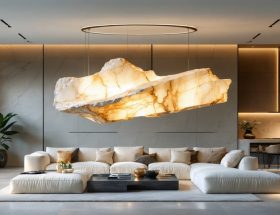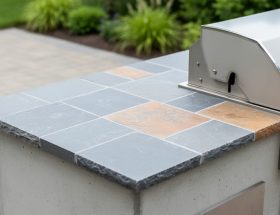
Illuminated stone countertops represent a transformative intersection of natural beauty and modern lighting technology, where translucent stone materials like onyx, quartzite, and certain marble varieties are backlit to create stunning, luminous focal points in residential and commercial spaces. This innovative application has gained significant traction among homeowners and designers seeking to elevate interior aesthetics beyond conventional surface treatments, making it essential to understand which stones possess the translucency required for effective illumination and how LED systems are integrated during fabrication and installation.
The technology works by positioning energy-efficient LED strips or panels behind slabs of naturally translucent stone, which is typically 2-3cm thick, creating an ethereal glow that highlights the material’s unique veining patterns and mineral compositions. When properly executed, these installations transform functional surfaces into architectural statements, particularly effective in bar tops, kitchen islands, bathroom vanities, and reception desks where ambient lighting can dramatically alter spatial perception.
Successful implementation requires careful material selection, as transparency levels vary significantly even within the same stone type, making it crucial to view illuminated samples before purchase. Professional fabricators must coordinate electrical planning during the design phase, ensuring proper waterproofing of lighting components and accessible maintenance points. While costs typically range 3-5 times higher than standard installations due to specialized materials and technical requirements, the visual impact has made illuminated stone one of the most sought-after cutting-edge design ideas in contemporary architecture, delivering both functional illumination and artistic expression that standard countertops simply cannot achieve.
What Are Illuminated Stone Countertops?
The Science Behind Translucency in Natural Stone
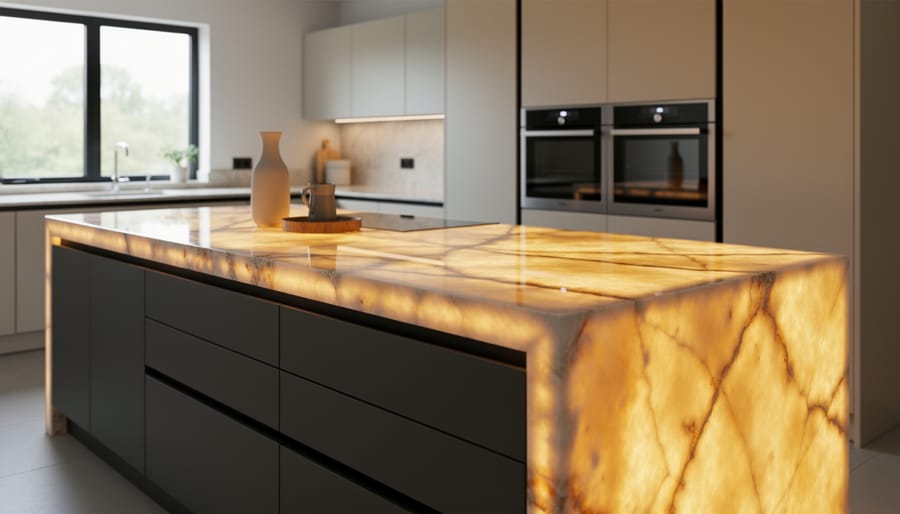
Natural stone’s translucency occurs when light penetrates the material’s crystalline structure rather than being completely absorbed or reflected. This optical property varies significantly among stone types, depending on their mineral composition, crystal size, and internal structure.
Certain stones exhibit exceptional translucency. Onyx ranks as the most translucent natural stone, with light passing through slabs up to 30mm thick. Its banded structure creates dramatic visual effects when backlit. White marble, particularly Calacatta and Statuary varieties, allows moderate light transmission due to its calcite composition. Alabaster, while softer and less common for countertops, offers remarkable translucency. Quartzite demonstrates variable translucency depending on its purity and crystal structure, with lighter colors generally allowing more light passage.
The thickness of stone directly impacts light transmission. Standard countertop slabs range from 20mm to 30mm thick. Thinner materials permit more light to pass through, creating brighter illumination effects, but may compromise structural integrity. Conversely, thicker slabs provide greater durability but reduce translucency. Most illuminated applications use 20mm slabs as an optimal balance between light transmission and strength.
The stone’s color and veining patterns also influence how light behaves. Lighter stones with minimal impurities allow greater light penetration, while darker stones with dense mineral deposits block more light. Veining can create striking visual effects as different minerals transmit light at varying rates, producing depth and dimensionality that transforms the stone into a luminous focal point.
LED Technology and Stone Integration
Modern LED technology has revolutionized the way we illuminate natural stone, creating stunning visual effects while maintaining energy efficiency and material integrity. Similar to natural stone light fixtures, illuminated countertops rely on carefully engineered LED systems that work in harmony with stone’s natural properties.
Contemporary LED strips designed for stone integration are remarkably thin, typically measuring 2-5mm in thickness, allowing them to fit seamlessly within countertop assemblies without compromising structural integrity. These systems operate on low-voltage DC power (12V or 24V), making them safe for residential applications and significantly reducing energy consumption compared to traditional lighting options. Most LED installations consume less than 10 watts per linear foot, translating to minimal impact on electricity bills.
Color temperature selection plays a crucial role in achieving the desired aesthetic effect. Warm white LEDs (2700-3000K) create an inviting, ambient glow that enhances honey-toned stones like onyx and certain marbles. Cool white options (4000-5000K) accentuate the crystalline structures in quartzes and agates, while RGB systems offer dynamic color-changing capabilities for contemporary designs.
Installation methods prioritize stone preservation through non-invasive mounting techniques. LED strips are typically embedded in channels routed into support substrates rather than directly into the stone itself. This approach maintains the stone’s structural integrity while ensuring optimal light distribution. Silicone diffusers help eliminate hot spots and create uniform illumination across the stone surface, enhancing translucency without harsh shadows or uneven lighting patterns.
Best Natural Stones for Illuminated Applications
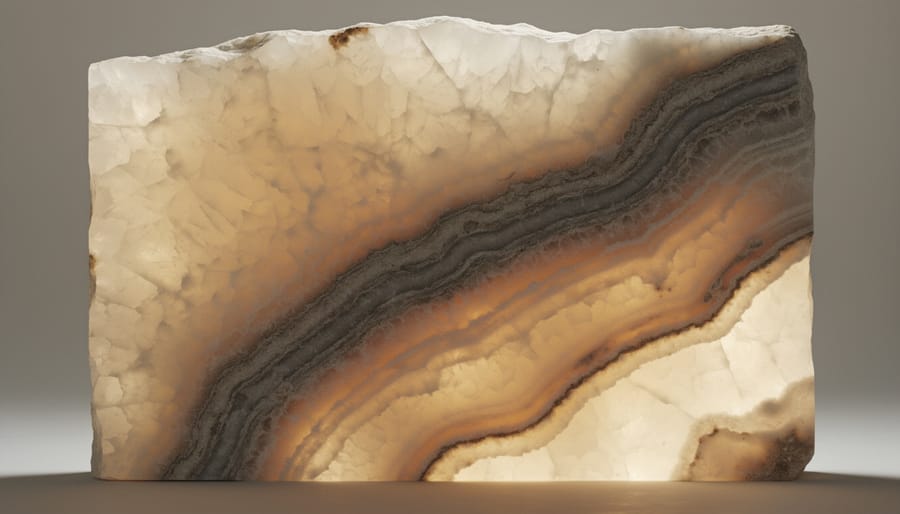
Onyx: The Premium Choice for Backlighting
Onyx stands as the premier choice for backlighting applications, offering unmatched translucency that transforms ordinary countertops into luminous works of art. This metamorphic stone allows light to penetrate depths of up to 1-2 inches, creating an ethereal glow that brings its dramatic characteristics to life in ways no other natural stone can achieve.
The stone’s defining feature is its spectacular veining patterns, which range from bold, sweeping bands to delicate, cloud-like formations. When backlit, these natural striations become magnified and intensified, creating mesmerizing visual effects that shift and change throughout the day. The interplay between light and mineral composition produces depth and dimension impossible to replicate with artificial materials.
Onyx offers an impressive color palette spanning warm honey and amber tones to cool greens, whites, and even rare blues and pinks. Each slab possesses unique character, with no two pieces identical. The stone’s crystalline structure scatters light beautifully, producing a soft, warm ambiance rather than harsh illumination.
While onyx requires more careful maintenance than granite or quartzite due to its softer composition and sensitivity to acids, its visual impact makes it worthwhile for homeowners and designers seeking a truly distinctive focal point. Professional sealing and proper care ensure these stunning installations remain breathtaking for years.
Translucent Quartzite and Marble Options
Certain quartzite and marble varieties possess natural translucency that makes them exceptional candidates for backlighting. Taj Mahal quartzite stands out as a premier choice, featuring soft veining and a crystalline structure that allows light to penetrate beautifully. This Brazilian stone offers superior durability compared to marble while maintaining an elegant aesthetic that resembles high-end marble at first glance.
White Princess quartzite and Sea Pearl quartzite also exhibit excellent light transmission properties, with dramatic veining patterns that become even more pronounced when illuminated. Their hardness rating of 7 on the Mohs scale makes them more resistant to scratching and etching than marble alternatives.
For those drawn to classic marble, Calacatta and Statuario varieties can create stunning backlit installations. While these marbles offer unmatched natural beauty with bold veining, they require more maintenance and careful consideration of placement. Marble’s softer composition means it’s more susceptible to staining and etching from acidic substances, making it better suited for lower-traffic applications like bathroom vanities or decorative panels rather than heavily used kitchen countertops.
When selecting between quartzite and marble for illuminated applications, consider both the visual impact you want to achieve and the practical demands of your space. Quartzite delivers comparable aesthetics with enhanced durability for high-use areas.
Semi-Precious Stone Slabs
Semi-precious stone slabs represent the pinnacle of illuminated countertop design, transforming functional surfaces into breathtaking focal points. These rare geological specimens include agate, crystal quartzite, amethyst, and other translucent materials that showcase nature’s artistry through extraordinary color variations and crystalline structures.
Agate slabs are particularly prized for their dramatic banding patterns and vibrant hues ranging from amber and honey to deep blues and greens. When backlit, these concentric rings create a mesmerizing depth effect that appears almost three-dimensional. Crystal quartzite offers a different aesthetic with its sparkling mineral inclusions and veining that catches and refracts light in unexpected ways.
The translucency of semi-precious stones makes them ideal candidates for illumination, as light penetrates deep into the material rather than simply reflecting off the surface. This creates a warm, ambient glow that changes throughout the day and can be adjusted with dimmable LED systems.
Due to their rarity and the specialized cutting required to preserve their delicate crystalline structures, semi-precious stone slabs command premium pricing, typically ranging from $300 to over $1,000 per square foot. These materials are best suited for statement pieces like bar tops, kitchen islands, or feature walls where their extraordinary beauty can be fully appreciated. Professional installation is essential to properly support these often-fragile materials and integrate lighting systems seamlessly.
Design Applications and Placement Strategies
Kitchen Islands and Bar Counters
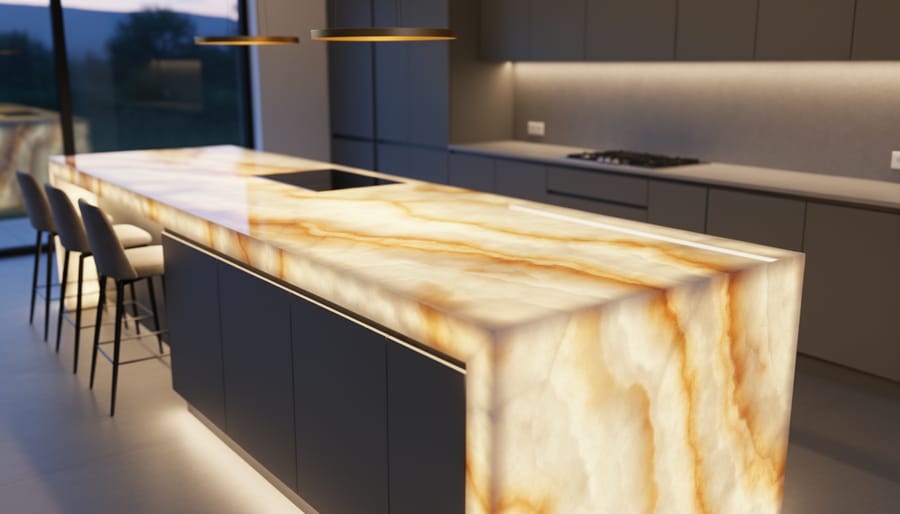
Kitchen islands and bar counters represent prime locations for showcasing illuminated stone countertops, transforming these functional surfaces into stunning architectural statements. When backlit, these central gathering spaces become luminous focal points that draw the eye and create memorable entertaining environments. The elevated position and three-sided visibility of islands make them ideal candidates for illumination, allowing the stone’s natural beauty to radiate from multiple viewing angles.
Design considerations prove crucial for optimal impact. Placement of LED strips should account for seated guests at bar-height counters, ensuring the glow enhances rather than distracts from conversation. Waterfall edges on islands amplify the dramatic effect, with light cascading down vertical surfaces to create continuous visual flow. The integration of natural stone in kitchens reaches new heights when paired with strategic illumination.
Thickness selection impacts the intensity and distribution of light. Standard two-centimeter slabs allow more light transmission, creating brighter effects, while three-centimeter options produce subtler, more sophisticated glows. Designers often recommend adjustable lighting systems for these high-visibility applications, enabling homeowners to modify brightness levels based on time of day and entertaining needs, from intimate dinner ambiance to vibrant cocktail party settings.
Bathroom Vanities and Spa Features
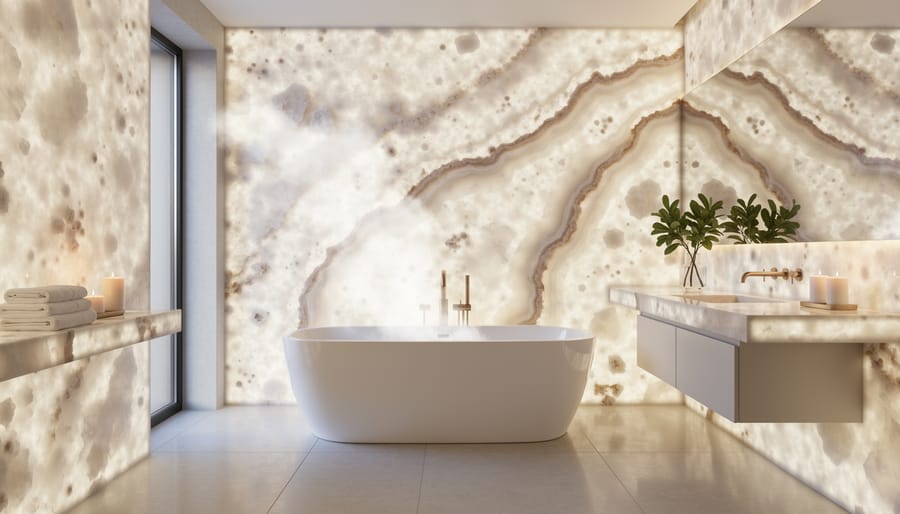
Illuminated stone vanities transform bathrooms into spa-like retreats by combining functional lighting with natural stone’s inherent beauty. Backlit onyx, marble, and translucent quartzite create soft, ambient illumination that enhances the bathing experience while serving as both countertop and light source. The gentle glow emanating through the stone adds depth and warmth, particularly effective in powder rooms and master bath vanities where atmosphere matters as much as function.
When incorporating backlit stone in stone bathroom applications, waterproofing becomes paramount. Proper sealing protects both the stone and LED components from moisture damage. Installers must use waterproof LED systems rated for wet locations and ensure complete sealing around sink cutouts and backsplash areas. The lighting system should be accessible for maintenance without requiring stone removal.
Backlit stone shower walls and tub surrounds create stunning focal points, though they require specialized installation techniques. The stone must be properly supported and sealed, with lighting systems positioned to avoid direct water exposure. Many designers combine illuminated vanities with complementary ambient lighting to create layered, luxurious bathroom environments that rival high-end spas while maintaining practical functionality for daily use.
Commercial and Hospitality Applications
Commercial spaces leverage illuminated stone countertops as powerful branding tools that transform ordinary surfaces into unforgettable design statements. High-end hotels incorporate backlit marble and onyx in reception desks and concierge stations, where the warm glow creates an immediate sense of luxury and welcome. The translucent stone becomes a signature element that guests associate with their experience, reinforcing brand identity through sensory impact.
Restaurants and bars have embraced illuminated stone for dramatic effect, particularly in feature bars and service counters where the lighting creates ambiance while showcasing premium materials. Upscale establishments use backlit onyx or quartzite as focal points, with the natural veining patterns becoming organic art installations that enhance the dining atmosphere. The lighting can be programmed to shift throughout service periods, adapting from subtle daytime elegance to vibrant evening energy.
Retail environments utilize illuminated stone in display counters and checkout areas, where the distinctive appearance elevates the perceived value of the space and merchandise. Jewelry stores, luxury boutiques, and high-end showrooms particularly benefit from the sophisticated aesthetic, as the glowing stone complements premium products while creating Instagram-worthy moments that extend marketing reach beyond physical visits.
Installation Considerations and Technical Requirements
Structural Support and Substrate Preparation
Illuminated stone countertops require specialized structural support beyond standard countertop installations. The foundation must accommodate both the weight of the stone and the integrated lighting system while ensuring optimal light distribution.
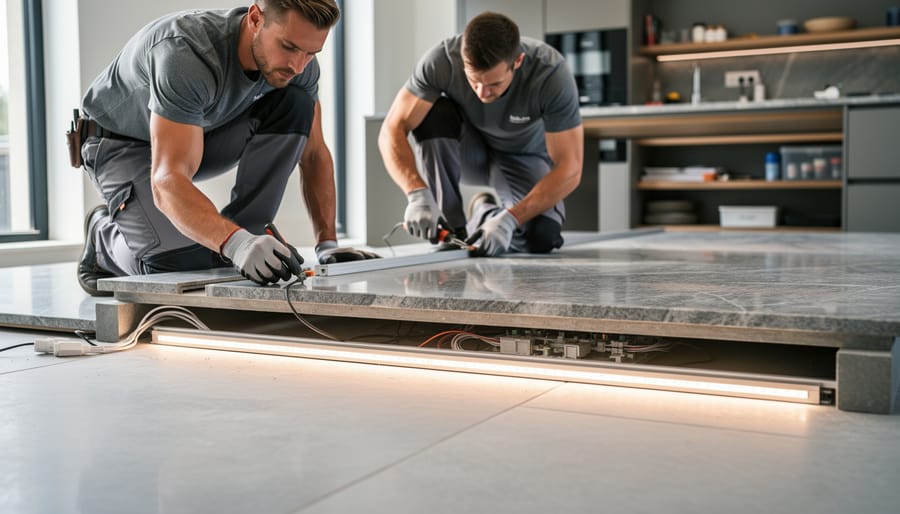
The base structure typically consists of a cabinet framework reinforced to handle the combined load of the stone slab and lighting components. Most installations use a light diffusion panel positioned directly beneath the stone, which serves dual purposes: distributing LED light evenly across the surface and providing structural support. These panels are usually made from high-grade acrylic or specialized polymers designed to withstand heat from lighting systems without warping or discoloration.
Mounting systems must allow for proper ventilation to dissipate heat generated by LED strips or panels. Many installers create a small air gap between the cabinet top and the diffusion panel using spacers or a frame system. This gap prevents heat buildup that could damage both the lighting components and the stone itself.
The substrate preparation also involves creating access points for electrical connections and future maintenance. Removable panels or access doors should be incorporated into the design, allowing technicians to service lighting elements without dismantling the entire countertop. Professional installation is strongly recommended, as proper weight distribution and electrical integration are critical for long-term performance and safety.
Electrical Planning and Safety Standards
Illuminated stone countertops require careful electrical planning to ensure both functionality and safety. These installations operate on low-voltage LED systems, typically 12 or 24 volts, which necessitate the use of transformers to step down standard 120-volt household current. Licensed electricians should handle all wiring to guarantee compliance with National Electrical Code (NEC) requirements and local building codes.
Transformer placement is a critical consideration. These components should be installed in accessible, ventilated locations away from direct moisture exposure, such as inside adjacent cabinetry or a nearby utility space. The transformer must be rated for the total LED load and include appropriate circuit protection.
Since countertops frequently encounter water, particularly in kitchens and bathrooms, all electrical components must meet wet or damp location ratings as specified by code. Ground fault circuit interrupter (GFCI) protection is mandatory for these installations to prevent electrical shock hazards. LED strips should be rated IP65 or higher for water resistance, and all connections must be properly sealed.
Professional installation ensures that junction boxes, wire routing, and connections meet inspection standards. During the planning phase, coordinate electrical rough-in work with countertop fabrication timelines to avoid costly modifications. Always verify that your contractor carries proper licensing and insurance for electrical work in residential or commercial applications.
Working with Specialized Fabricators
Selecting the right fabricator is crucial for successful illuminated countertop installation. Start by requesting portfolios specifically showing backlit stone projects, as this work requires specialized knowledge beyond standard countertop fabrication. Ask potential fabricators about their experience with LED integration, electrical coordination, and working with translucent stone varieties.
Key questions to pose include: How many illuminated installations have you completed? Do you work with licensed electricians, or should I hire separately? What warranty do you offer on both the stone and lighting components? Can you provide references from previous illuminated stone projects?
Verify that fabricators understand the unique requirements of translucent materials, including appropriate slab thickness (typically three-quarter inch or less), edge detail options that accommodate lighting, and seam placement to minimize visible joints when backlit. Request detailed quotes that itemize stone selection, fabrication, lighting system components, and installation labor separately. The best fabricators will visit your site to assess electrical access, ambient lighting conditions, and structural support requirements before providing estimates.
Costs and Investment Considerations
Material Costs by Stone Type
Material costs for illuminated stone countertops vary significantly based on the stone type and its translucent properties. Onyx, the most popular choice for backlighting, typically ranges from $75 to $250 per square foot for the material alone. White onyx and honey onyx fall on the lower end, while rare varieties like blue or green onyx command premium prices. Quartzite with translucent qualities generally costs between $60 and $150 per square foot, depending on the pattern and origin. Alabaster, prized for its exceptional light diffusion, ranges from $100 to $200 per square foot but requires careful handling due to its softness.
Several factors influence these price points. Rarity plays a crucial role, as stones from limited quarries or with unique veining patterns cost substantially more. Geographic origin affects pricing through transportation costs and availability. Brazilian and Turkish stones often differ in price from Italian varieties. Slab size impacts the final cost, with book-matched pieces requiring premium investment. Quality grades based on color consistency, minimal veining variation, and structural integrity also determine pricing. Expect to budget an additional 50 to 100 percent above material costs for fabrication, lighting installation, and specialized handling required for these delicate translucent stones.
Installation and Lighting System Expenses
The true cost of illuminated stone countertops extends well beyond the stone material itself. LED lighting systems typically add $1,500 to $4,000 to your project, depending on the quality, color options, and control features. Professional-grade systems with dimming capabilities and color-changing features command premium prices but offer superior longevity and performance.
Electrical work represents another significant expense, ranging from $500 to $2,000. Licensed electricians must install dedicated circuits and ensure proper wiring meets local building codes. This cost varies based on your existing electrical infrastructure and the distance from your breaker panel to the countertop location.
Specialized fabrication fees increase the baseline cost by 30 to 50 percent compared to standard countertop installations. Fabricators require specialized equipment and expertise to create precise channels for LED strips, ensure uniform light distribution, and properly seal all electrical components. Edge finishing for illuminated installations demands extra precision, as any imperfections become more visible when backlit.
Additional considerations include control systems, which range from basic on-off switches at $50 to sophisticated smart home integration systems costing $500 or more. Factor in potential transformer boxes, mounting hardware, and warranty coverage when budgeting for your illuminated countertop project. Professional installation is strongly recommended to ensure safety and optimal performance.
Maintenance and Long-Term Care
Cleaning and Sealing Requirements
Translucent stones used in backlit applications require specialized maintenance to preserve both their appearance and light-transmitting properties. Professional stone sealing is essential, with impregnating sealers recommended every 6-12 months depending on stone porosity and usage. Choose sealers specifically formulated for translucent materials that won’t create a cloudy barrier or yellow over time, which can diminish backlit effects.
For daily cleaning, use pH-neutral cleaners designed for natural stone. Avoid acidic products like vinegar or lemon-based cleaners, which can etch the surface and create dull spots that interrupt light diffusion. Similarly, harsh alkaline cleaners and abrasive scrubbers can damage the polished finish essential for optimal translucency. Oil-based products should be avoided as they can penetrate the stone and create dark patches visible when illuminated.
Clean spills immediately to prevent staining, as stains become more noticeable with backlighting. Regular dusting of LED components ensures consistent illumination and prevents overheating that could affect performance over time.
LED System Maintenance and Lifespan
Modern LED systems integrated into illuminated countertops typically offer a lifespan of 30,000 to 50,000 hours, translating to approximately 15-25 years of regular use. Quality installations feature modular LED strips that allow for section-by-section replacement rather than complete system overhauls, significantly reducing maintenance costs.
Most professional installations provide accessible service panels or edge-mounted systems that trained technicians can reach without removing the entire countertop. When selecting an illuminated stone installation, verify that the LED components are readily available as replacement parts from the manufacturer.
Common troubleshooting issues include flickering lights, often caused by loose connections or failing power supplies, and uneven illumination resulting from individual LED failures within a strip. Color shifts over time may indicate that lower-quality LEDs were used initially. Dimming functionality problems typically stem from incompatible dimmer switches rather than the LEDs themselves.
Regular cleaning of the stone surface and occasional inspection of electrical connections during routine home maintenance will maximize system longevity. Always consult certified electricians for repairs to maintain warranty coverage and ensure safe operation.
Illuminated stone countertops represent a remarkable fusion of natural beauty and modern technology, transforming ordinary surfaces into captivating focal points that elevate any space. This innovative approach to natural stone design offers endless possibilities for creating dramatic, memorable environments in both residential and commercial settings.
As you consider incorporating illuminated stone into your next project, remember the key factors that will guide your decision: stone selection based on translucency and visual characteristics, appropriate lighting technology for your specific application, professional installation to ensure optimal performance, and long-term maintenance requirements. The initial investment, while higher than traditional countertops, delivers unmatched aesthetic impact and can significantly enhance property value.
Whether you’re drawn to the ethereal glow of onyx, the subtle elegance of quartzite, or the classic appeal of backlit marble, these surfaces offer a distinctive design element that cannot be replicated with conventional materials. The technology has matured considerably, making illuminated stone more accessible and reliable than ever before.
Ready to explore the transformative potential of illuminated stone countertops for your space? Consulting with experienced stone professionals is essential to navigate material selection, lighting design, and technical specifications. Expert guidance ensures your vision becomes reality while avoiding costly mistakes. Reach out to qualified stone fabricators and designers who specialize in backlit applications to begin your journey toward creating an illuminated masterpiece that will captivate for years to come.