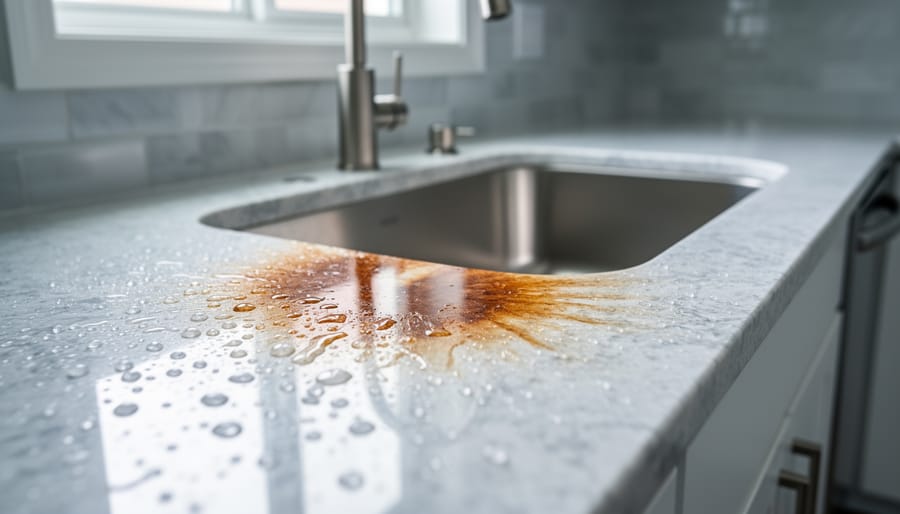
Inspect your stone surfaces for telltale rust-colored or brown staining, particularly around metal fixtures, fasteners, or areas exposed to moisture—this discoloration signals oxidation, a chemical reaction between iron-bearing minerals in natural stone and oxygen or water. Stone oxidation affects marble, granite, limestone, and travertine differently depending on their mineral composition, with some varieties containing higher concentrations of iron pyrite or other reactive compounds that accelerate the process.
Prevent oxidation in new installations by selecting low-iron stone varieties, applying penetrating sealers to block moisture infiltration, and using stainless steel or non-corrosive fasteners instead of ferrous metals. During installation, avoid iron-rich mortars and ensure proper drainage systems that prevent water pooling on stone surfaces.
Address existing oxidation through targeted treatments ranging from mild poulticing for surface stains to professional restoration for deep discoloration. Light oxidation often responds to specialized stone cleaners, while severe cases may require grinding and repolishing to remove affected layers. The success of treatment depends on how deeply the oxidation has penetrated the stone matrix and whether the iron source remains active.
Understanding oxidation mechanisms empowers you to make informed decisions about stone selection, maintenance protocols, and remediation strategies that preserve your investment’s aesthetic and structural integrity.
What Is Stone Oxidation?
The Chemistry Behind Color Changes
Stone oxidation works much like rust forming on metal—when certain minerals meet moisture and air, they undergo a chemical transformation that creates visible color changes. The mineral content in stone determines what type of discoloration appears.
Iron is the most common culprit, producing those telltale orange, brown, or yellow-rust stains you might recognize from an old bicycle left in the rain. When iron-rich minerals like pyrite or magnetite oxidize, they create iron oxide—literally rust within the stone.
Manganese creates darker transformations, typically appearing as brown or black spots. Think of it as similar to a bruise developing on fruit, where exposure to air triggers a darkening reaction.
Copper minerals produce distinctive blue-green stains, much like the patina on the Statue of Liberty. This verdigris effect occurs when copper compounds react with oxygen and moisture over time.
These reactions intensify when water acts as a catalyst, carrying oxygen deeper into the stone’s porous structure and accelerating the chemical changes that create permanent discoloration.
Which Stones Are Most Susceptible?
Not all natural stones are equally vulnerable to oxidation. The susceptibility largely depends on the iron and mineral content within the stone’s composition.
Marble ranks among the most oxidation-prone stones, particularly varieties with visible veining such as Carrara, Calacatta, and certain beige or cream-colored marbles. The iron oxide particles embedded in the stone can react with moisture, creating yellow or rust-colored stains that spread along the veining patterns.
Granite typically resists oxidation better than marble, but certain varieties contain higher iron content that makes them vulnerable. Look for granites with gold, brown, or green hues, which often indicate iron-bearing minerals like biotite or pyrite.
Limestone shares similar oxidation risks with marble due to its sedimentary nature and iron inclusions. Beige and tan limestones are particularly susceptible, often developing orange or brown discoloration when exposed to water.
Slate varies significantly by quarry location. Some slate varieties contain substantial iron sulfide deposits that oxidize rapidly when exposed to air and moisture, manifesting as surface rust spots or streaking. This is especially common in certain Pennsylvania and Vermont slate varieties.
Understanding your specific stone’s mineral composition helps predict oxidation potential and guides appropriate preventive measures during selection and installation.
Common Oxidation Patterns You’ll See
Surface Staining vs. Deep Oxidation
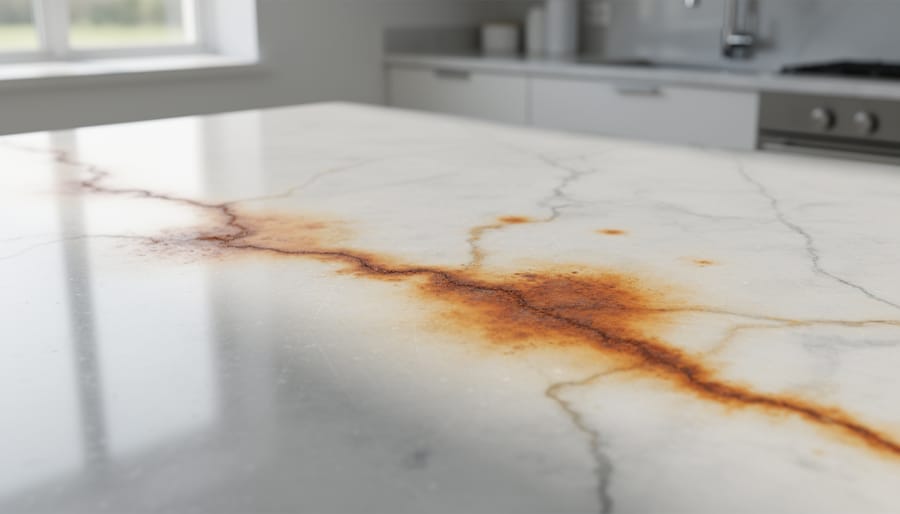
Understanding the difference between surface staining and deep oxidation is essential for effective treatment. Surface-level oxidation appears as a discoloration on the stone’s exterior, typically caused by iron deposits from external sources like rusty patio furniture, fertilizers, or contaminated water. These stains rest on top of the stone and often respond well to targeted cleaning solutions and poultices.
Deep oxidation, however, occurs when iron minerals within the stone’s internal structure react with moisture and oxygen. This creates discoloration that penetrates through the stone matrix, appearing as orange, brown, or rust-colored patches that seem to emanate from within. Deep oxidation is particularly common in stones with high iron content like certain granites, sandstones, and limestones.
The distinction matters significantly for treatment. Surface stains can usually be removed with appropriate cleaning products and techniques. Deep oxidation requires more intensive intervention, including specialized poultices, extended dwell times, and sometimes professional restoration. In severe cases of deep oxidation, complete stain removal may not be possible, making prevention through proper sealing and moisture management the most effective long-term strategy.
Rust Spots and Yellow Discoloration
Rust spots and yellow discoloration represent the most frequently encountered oxidation problems in natural stone. These issues occur when iron compounds within the stone react with water and oxygen, creating visible iron oxide stains that range from light yellow to deep orange-brown.
These stains typically appear on lighter-colored stones like marble, limestone, and certain granites, where they’re most noticeable. Iron-rich minerals such as pyrite, magnetite, and hematite are the usual culprits. Rust spots commonly emerge in wet areas including bathroom floors, shower walls, kitchen backsplashes, and outdoor installations exposed to irrigation or rain. The discoloration often manifests within weeks or months of installation, particularly when moisture penetrates unsealed stone or reaches the substrate beneath.
White marble is especially susceptible, as even trace amounts of iron can create dramatic yellow or brown staining. The problem intensifies in areas with high humidity, frequent water exposure, or when metal fixtures contact the stone surface.
Green and Blue Tints
Copper-bearing minerals in certain stones create distinctive green and blue oxidation patterns. Stones like Verde Guatemala, Azul Macaubas, and some granites containing minerals such as chrysocolla or azurite develop these unique colorations when exposed to moisture and air. The copper oxidation process produces vibrant turquoise, blue-green, or deep green tones that can appear as veining, spotting, or broader color shifts. While dramatic in appearance, these natural color changes in stone are less common than iron-based oxidation. Understanding the mineral composition of your stone helps predict whether copper-based oxidation might occur over time, allowing for appropriate sealing and maintenance strategies.
What Triggers Oxidation in Your Stone?
Water Exposure and Moisture
Water plays a central role in accelerating stone oxidation, particularly in environments with consistent moisture exposure. When water penetrates stone, it dissolves and transports oxygen to iron-bearing minerals beneath the surface, triggering chemical reactions that produce those telltale rust-colored stains. The rate of water absorption varies significantly between stone types, with more porous materials experiencing faster oxidation.
Outdoor applications face the greatest risk, as rain, sprinkler systems, and morning dew create repeated wet-dry cycles that intensify oxidation. Bathroom environments present similar challenges, where shower spray and humidity maintain constant moisture contact with stone surfaces. Kitchen areas around sinks and dishwashers also experience frequent water exposure that can activate dormant iron compounds.
The problem compounds in coastal regions where salt-laden moisture accelerates corrosion processes. Even properly sealed stone remains vulnerable if water pools on surfaces or penetrates through grout joints and unsealed edges, reaching the underlying material where oxidation develops from within.
Chemical Cleaners and pH Imbalance
The cleaners you use can significantly impact stone oxidation rates. Acidic cleaners, with pH levels below 7, can strip away protective sealers and directly react with iron compounds within the stone, accelerating color changes. Common culprits include vinegar-based products, citrus cleaners, and harsh bathroom descalers. On the opposite end, highly alkaline cleaners (pH above 10) can also cause problems by breaking down natural resins and compromising the stone’s chemical resistance over time.
Most natural stones are sensitive to pH extremes. When acidic solutions contact iron-bearing minerals like pyrite or hematite, they can trigger rapid oxidation reactions that would otherwise take years to develop naturally. The etching caused by acids creates a rougher surface texture that retains moisture, further promoting oxidation.
For routine maintenance, always use pH-neutral cleaners specifically formulated for natural stone. These products, typically ranging from pH 7 to 8.5, clean effectively without compromising the stone’s integrity or accelerating oxidation processes. Understanding your stone’s chemical resistance characteristics helps you select appropriate cleaning products that protect your investment for decades.
Installation Materials That Cause Problems
The materials used during stone installation can inadvertently trigger oxidation through direct chemical contact. Metal fasteners, particularly iron or steel pins and anchors, are common culprits when they come into contact with moisture. As these fasteners corrode, iron particles migrate into the surrounding stone, creating rust stains that spread outward from the attachment points.
Certain adhesives and mastics containing iron compounds or reactive chemicals can also initiate oxidation when they penetrate the stone’s pores. This is especially problematic with lighter colored stones where discoloration becomes immediately visible. Additionally, some backing materials like wire mesh or metal lath used in mortar beds can leach iron oxide into the stone over time, particularly in moisture-prone environments like showers and exterior facades. Choosing stainless steel fasteners, non-staining adhesives, and inert backing materials prevents these installation-related oxidation problems from occurring.
Preventing Oxidation Before It Starts
Choosing Low-Risk Stone Varieties
When selecting stone for moisture-prone areas like bathrooms, outdoor kitchens, or pool surrounds, choosing varieties with minimal iron content significantly reduces oxidation risk. Granite and quartzite generally contain lower levels of reactive minerals compared to marble or limestone, making them safer choices for wet environments.
Pre-sealed stones offer another layer of protection. Many suppliers now provide factory-applied sealants that penetrate deeper than DIY treatments, creating a barrier against moisture infiltration before oxidation can begin. Ask your stone supplier about pre-treatment options specific to your application.
Engineered stone products combine natural stone particles with resins, eliminating many oxidation concerns while maintaining aesthetic appeal. These alternatives work particularly well in high-moisture commercial settings where maintenance resources are limited.
For natural stone purists, selecting stone from quarries known for consistent, low-mineral composition helps minimize future issues. Request material certifications and ask suppliers about the stone’s performance history in similar applications. A reputable supplier should provide transparency about mineral content and recommend appropriate varieties for your specific moisture conditions.
Proper Sealing and Surface Protection
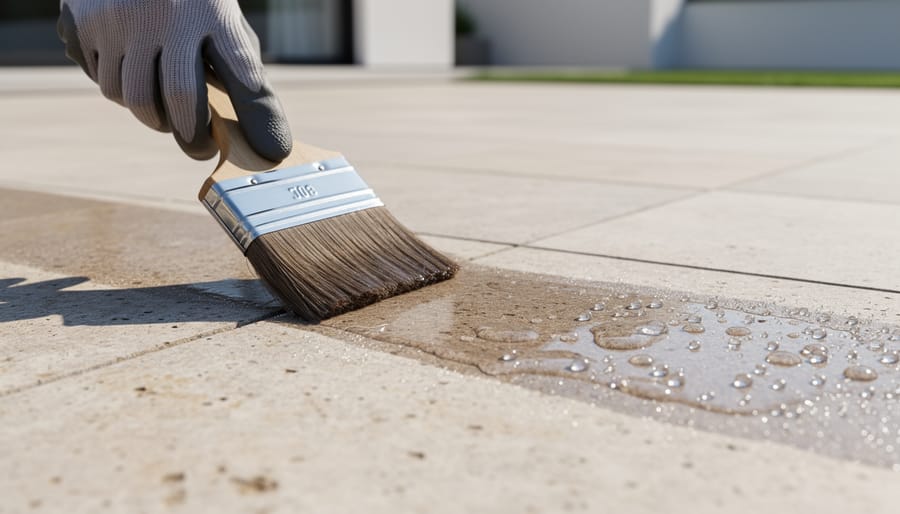
Quality sealers serve as the first line of defense against stone oxidation by creating a protective barrier that limits moisture penetration and oxygen exposure. When properly applied, these products fill the microscopic pores in natural stone, significantly reducing the pathways through which oxidizing agents can reach iron-bearing minerals within the material.
Selecting the right sealer depends on your stone type and installation location. Penetrating sealers work best for most natural stones, as they bond beneath the surface without altering appearance. For high-moisture environments like bathrooms and kitchens, consider impregnating sealers with enhanced water-repellent properties.
Establishing a consistent sealing schedule is essential for long-term oxidation prevention. Most natural stones require resealing every 1-3 years, though high-traffic areas may need more frequent applications. Test your current seal by placing a few drops of water on the surface—if the stone darkens within 5-10 minutes, resealing is necessary.
Professional-grade sealers typically outperform consumer options in durability and protection. Following proper stone care protocols, including routine cleaning with pH-neutral products between sealing applications, maximizes your sealer’s effectiveness and extends your stone’s lifespan.
Installation Best Practices
Preventing oxidation begins during installation with careful material selection. Always specify non-reactive adhesives and sealants specifically formulated for natural stone. Standard construction adhesives may contain metals or chemicals that accelerate oxidation, particularly with iron-rich stones like slate or certain granites.
Choose stainless steel or plastic fasteners exclusively when mechanically securing stone. Avoid carbon steel, iron, or copper fasteners, as moisture exposure creates the perfect environment for metal leaching into the stone. Even galvanized fasteners can fail over time as their protective coating degrades.
Backing materials matter significantly in wet applications. Use waterproof cement board or specialized stone backing systems rather than standard drywall or wood, which retain moisture and promote oxidation. Ensure proper drainage planes behind exterior stone installations to prevent water accumulation.
Apply a penetrating sealer before grouting to protect stone edges from grout additives that may contain metallic compounds. This simple step creates a barrier against chemical migration while maintaining the stone’s natural appearance and breathability.
Treating Existing Oxidation Damage
When You Can Fix It Yourself
For minor, surface-level oxidation, you can often restore your stone’s appearance with a DIY approach. Start by testing any treatment on an inconspicuous area to ensure compatibility with your specific stone type.
Begin with a poultice treatment, which draws out oxidation stains from within the stone’s pores. Mix a powdered absorbent material like diatomaceous earth or baking soda with a mild acid such as lemon juice or white vinegar to form a paste with peanut butter-like consistency. Apply a quarter-inch layer over the stained area, cover with plastic wrap, and tape down the edges. Let it sit for 24-48 hours, allowing the poultice to absorb the discoloration. Remove and rinse thoroughly with clean water.
For lighter oxidation, specialized stone cleaners formulated for rust and mineral stains offer an effective solution. Apply according to manufacturer instructions, typically allowing 5-10 minutes of contact time before gentle scrubbing with a soft-bristled brush.
After treatment, rinse the area completely and allow it to dry for at least 24 hours. Apply a quality stone sealer to protect against future oxidation. Remember that deeply penetrated oxidation or cases involving structural deterioration require professional intervention.
Professional Restoration Options
When oxidation penetrates deep into the stone’s structure or covers large areas, professional intervention becomes necessary. Stone restoration specialists use industrial-grade equipment and techniques that go beyond surface-level treatments.
Professional restoration typically involves mechanical methods like diamond grinding to remove the oxidized layer, followed by progressive honing to restore the stone’s original finish. This process requires specialized machinery and expertise to avoid damaging the stone’s integrity. For severe cases, professionals may employ poulticing systems with targeted chemical compounds that draw out deep-seated oxidation without harming the surrounding material.
Consider calling experts when home remedies fail after multiple attempts, when oxidation covers more than a few square feet, or when dealing with valuable or historic stonework. Professionals can also assess whether the oxidation indicates underlying structural issues like moisture infiltration that require remediation.
The investment in professional restoration often proves cost-effective compared to stone replacement, especially for premium materials like marble or rare granite. Most specialists offer consultations to evaluate the damage severity and recommend the most appropriate treatment approach for your specific situation.
Managing Expectations
Understanding what’s achievable with oxidation treatment is essential before investing time or money. Not all oxidation damage can be fully reversed. Light surface oxidation often responds well to professional cleaning and restoration techniques, potentially returning stone to near-original appearance. However, deep-set oxidation that has penetrated the stone’s structure may be permanent.
In many cases, oxidation becomes part of your stone’s natural patina—the character it develops over time. This weathered appearance isn’t necessarily a flaw; many designers and architects value these organic changes as authentic expressions of natural material. Professional assessment can determine whether your specific oxidation is treatable, stabilizable, or best accepted as part of the stone’s evolved character. Setting realistic expectations helps you make informed decisions about restoration efforts versus embracing the natural aging process.
Living with Oxidation: When It’s Part of the Beauty
Not all oxidation is a problem to solve. In certain design contexts, the natural patina that develops on stone surfaces represents authentic aging that adds character and depth to a space. This perspective shift is particularly relevant for exterior applications, historically inspired designs, and projects that celebrate natural materials in their unaltered state.
Copper-bearing stones like slate naturally develop rich bronze and rust tones over time, creating warm color variations that many architects and designers intentionally incorporate into their vision. Similarly, weathered limestone and sandstone facades gain textural complexity through oxidation, producing the coveted look of aged European architecture without the centuries-long wait.
The key to successfully living with oxidation is intentionality. When you choose to embrace patina, select stones known for their attractive aging characteristics and communicate this design choice clearly with all stakeholders. Document the expected color evolution and establish realistic expectations from the beginning. This approach works best in rustic, industrial, or historical design schemes where imperfection enhances authenticity.
Consider whether your space benefits from the static perfection of protected stone or the dynamic beauty of natural aging. Outdoor courtyards, garden pathways, and accent walls often shine with evolving patina, while kitchen countertops and formal entryways typically require oxidation prevention. The decision ultimately depends on your aesthetic preferences, maintenance commitment, and the story you want your stone to tell as it ages alongside your space.
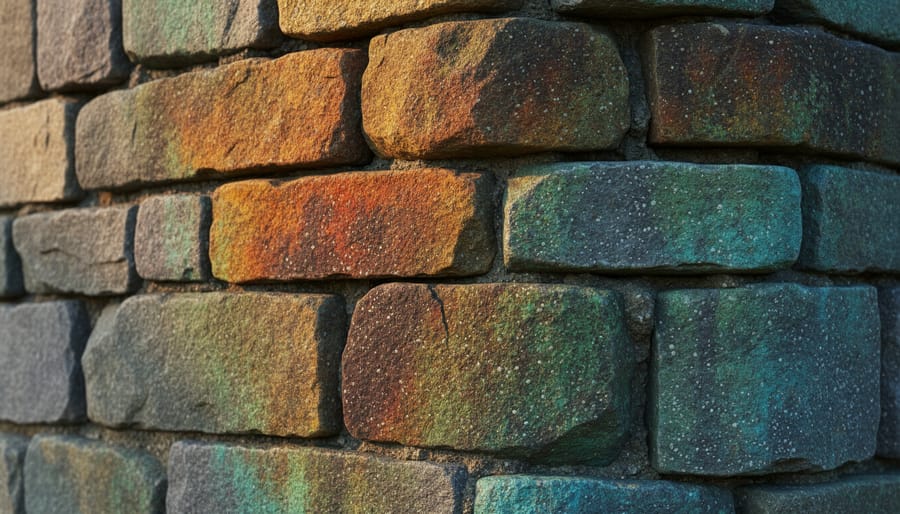
Understanding stone oxidation is essential for making informed decisions about natural stone selection, installation, and long-term care. Whether you’re dealing with rust stains on marble, weathering on exterior limestone, or discoloration in iron-rich granite, recognizing the underlying chemical processes enables you to take appropriate preventive and corrective action. The key takeaway is that oxidation is a natural chemical reaction that affects certain stones more than others, particularly those containing iron, manganese, or other reactive minerals.
By choosing stones with lower iron content for vulnerable applications, implementing proper sealing protocols, and maintaining appropriate cleaning routines, you can significantly minimize oxidation-related issues. When oxidation does occur, early intervention with targeted treatments typically yields the best results. Remember that not all discoloration is oxidation, and misdiagnosis can lead to ineffective or even damaging treatment approaches.
For specific applications or persistent oxidation challenges, consulting with qualified stone professionals ensures you receive guidance tailored to your unique situation. Stone fabricators, restoration specialists, and certified installers possess the expertise to recommend appropriate materials and maintenance strategies based on your environmental conditions and aesthetic goals. Investing time in understanding these chemical resistance fundamentals today will protect your stone investment for years to come.