
Natural stone stands at the forefront of sustainable building materials, yet its environmental credentials depend entirely on the technologies employed throughout its lifecycle. Modern natural stone innovations have transformed extraction, processing, and installation practices to minimize ecological impact while maximizing material performance.
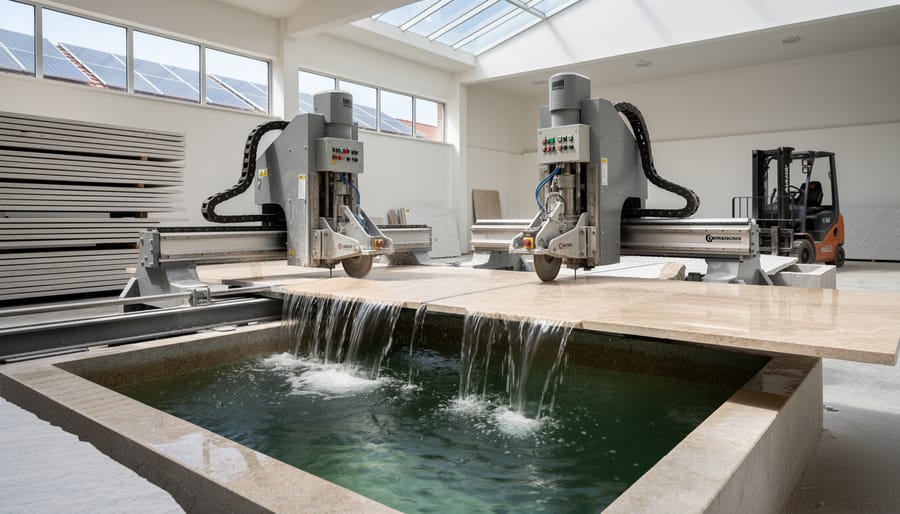
Specify water recycling systems at quarries that recapture and reuse 90-95% of water during cutting operations, dramatically reducing freshwater consumption compared to traditional methods. These closed-loop systems filter sediment for beneficial reuse while preventing contamination of local water sources.
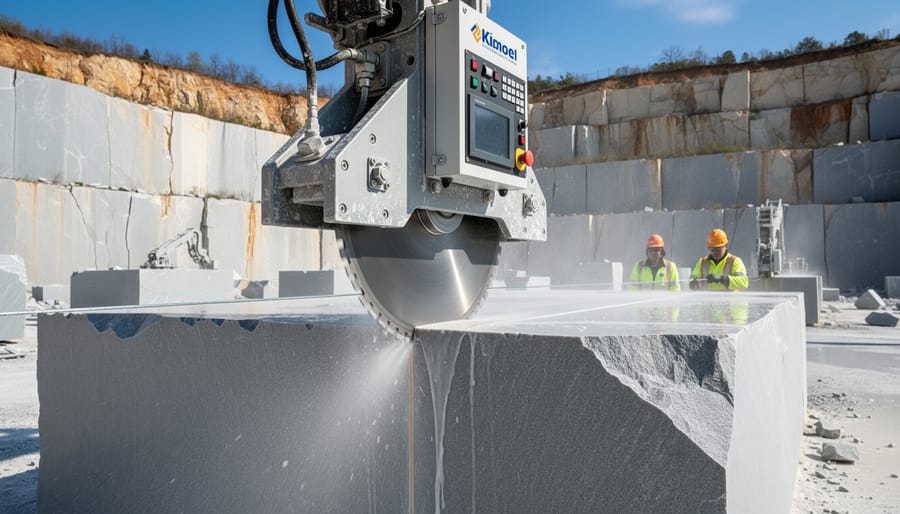
Deploy diamond wire saw technology and precision CNC machinery to increase yield rates by 30-40%, extracting more usable stone from each quarry block and reducing waste generation. This technology enables thinner stone profiles without compromising structural integrity, cutting transportation emissions and material costs simultaneously.
Implement carbon-neutral transportation logistics by coordinating regional sourcing strategies that match stone types with nearby projects, minimizing shipping distances. Advanced inventory management systems now track embodied carbon across the supply chain, enabling data-driven decisions that reduce environmental footprints by up to 60% compared to imported alternatives.
Select low-VOC adhesives and sealants specifically engineered for natural stone applications, ensuring indoor air quality while maintaining long-term durability. These advanced bonding systems eliminate toxic off-gassing while providing superior moisture resistance and flexibility.
The integration of these sustainable technologies positions natural stone as a genuinely green building material, combining timeless aesthetics with measurable environmental benefits that align with modern green building certifications and climate-conscious design principles.
The Environmental Case for Natural Stone
Natural Extraction vs. Synthetic Manufacturing
The environmental debate between natural stone and synthetic alternatives reveals surprising insights that challenge common assumptions. While synthetic materials like concrete, porcelain, and engineered stone often market themselves as eco-friendly options, a comprehensive lifecycle analysis tells a more nuanced story.
Natural stone extraction requires minimal processing compared to synthetic manufacturing. Quarrying involves cutting and removing stone blocks from the earth using wire saws and diamond tools, with no chemical transformation needed. The material emerges ready for shaping and finishing. In contrast, concrete production demands heating limestone to 1,450°C in energy-intensive kilns, generating approximately 900 kg of CO2 per ton of cement produced. This process alone accounts for roughly 8% of global carbon emissions.
Engineered stone and porcelain tiles require even more complex manufacturing. These materials combine crushed minerals with petroleum-based resins or undergo high-temperature firing processes, consuming substantial energy while releasing volatile organic compounds and greenhouse gases. The chemical binders used in engineered products also raise concerns about indoor air quality and end-of-life recyclability.
Natural stone’s durability advantage compounds its environmental benefits. A granite countertop or marble floor can last centuries with minimal maintenance, while synthetic alternatives typically require replacement every 10-25 years. This longevity means fewer resources consumed over a building’s lifetime, less construction waste, and reduced transportation impacts from repeated installations.
Additionally, natural stone requires no manufacturing waste disposal, as quarry byproducts can be repurposed for aggregate, soil amendments, or smaller stone products, creating a circular economy within the industry.
The Lifespan Advantage
One of natural stone’s most compelling sustainability credentials lies in its remarkable longevity. Quality natural stone installations routinely last over 100 years with minimal maintenance, dramatically outperforming manufactured alternatives that typically require replacement every 10-30 years. This extended lifespan translates into significant environmental benefits that compound over time.
Consider the lifecycle implications: a granite countertop installed today may serve multiple generations without replacement, while laminate or synthetic surfaces might need replacing four to five times over the same period. Each replacement cycle demands new raw materials, manufacturing energy, transportation, and generates disposal waste. By eliminating these repetitive cycles, natural stone reduces the cumulative environmental footprint of a building or space.
Ancient structures worldwide demonstrate this durability advantage. The Roman Pantheon’s granite columns, Egyptian limestone pyramids, and marble-clad Renaissance buildings have endured for centuries, requiring remarkably little intervention. Modern installations benefit from advanced sealants and installation technologies that further enhance this natural resilience.
This longevity also delivers economic sustainability. While initial investment may be higher, the total cost of ownership over decades favors natural stone significantly. Building owners avoid repeated renovation expenses, disposal fees, and the disruption associated with material replacement, making it a prudent choice for both environmental stewardship and long-term value.
Modern Quarrying Technologies Reducing Environmental Impact
Diamond Wire Cutting and Precision Extraction
Diamond wire-saw technology represents one of the most significant advances in modern production technologies for natural stone extraction. Unlike traditional methods that relied on explosive blasting or large chain saws, diamond wire cutting uses thin steel cables embedded with industrial diamonds to slice through stone with remarkable precision.
This technology delivers substantial sustainability benefits. The thin cutting width, or kerf, produces minimal stone dust and waste compared to conventional methods—reducing material loss by up to 50%. This means quarry operators can extract more usable stone from each block, maximizing the yield from finite natural resources.
Energy consumption drops significantly as well. Diamond wire saws require less power to operate than traditional cutting equipment while working faster and more efficiently. The reduced dust generation also improves air quality at quarry sites, creating healthier working conditions and minimizing environmental impact on surrounding areas.
Perhaps most importantly, this precision extraction technology enables quarries to access stone deposits that were previously considered unusable or too difficult to reach. Curved cuts, angled extractions, and work in confined spaces become possible, allowing for more complete utilization of existing quarries rather than opening new sites. This extends quarry lifecycles and reduces the overall footprint of stone extraction operations.
Water Recycling Systems
Modern quarries have revolutionized their water management through sophisticated closed-loop recycling systems that dramatically reduce freshwater consumption. These advanced systems capture, filter, and recirculate water used during stone cutting, sawing, and polishing operations, achieving recycling rates of up to 90%. The technology works by collecting water runoff containing stone slurry and sediment, then processing it through settling tanks and filtration systems to remove particles. The cleaned water returns to production equipment, creating a continuous cycle that minimizes waste and environmental impact.
This approach addresses one of natural stone production’s most significant resource challenges. Traditional quarrying and processing operations historically consumed substantial water volumes, but modern facilities now operate with minimal freshwater input beyond compensating for evaporation. Settlement ponds and advanced filtration equipment remove fine stone particles, which can be repurposed for other applications rather than discharged as waste. The result is a sustainable system that conserves precious water resources while maintaining production efficiency and product quality standards expected by architects and designers specifying natural stone for their projects.
Quarry Rehabilitation and Ecosystem Restoration
The stone industry increasingly recognizes its responsibility to restore extraction sites once operations conclude. Former quarries are being successfully transformed into thriving ecosystems, recreational spaces, and functional infrastructure that benefit local communities and wildlife.
In the United Kingdom, several limestone quarries have been converted into nature reserves, providing critical habitats for rare bird species and native flora. These rehabilitated sites often feature carefully graded slopes, native plantings, and created wetlands that support biodiversity. Similarly, granite quarries in Scandinavia have been repurposed as recreational parks with hiking trails, climbing walls, and educational centers that showcase geological history.
Water-filled quarries serve another valuable purpose as reservoirs and aquatic habitats. Deep quarry lakes maintain stable temperatures and water quality, making them ideal for freshwater ecosystems. Some sites incorporate filtration systems that supply clean water to surrounding communities.
The rehabilitation process typically begins during active extraction, with progressive restoration techniques that gradually reclaim worked areas. This approach minimizes environmental impact and reduces overall restoration costs. Industry leaders now develop comprehensive closure plans before quarrying begins, ensuring minimal disruption and maximum ecological benefit once operations cease. These transformed landscapes demonstrate how responsible resource extraction can ultimately enhance rather than diminish natural environments.
Digital Technology Optimizing Stone Selection and Waste Reduction
3D Scanning and Digital Slab Mapping
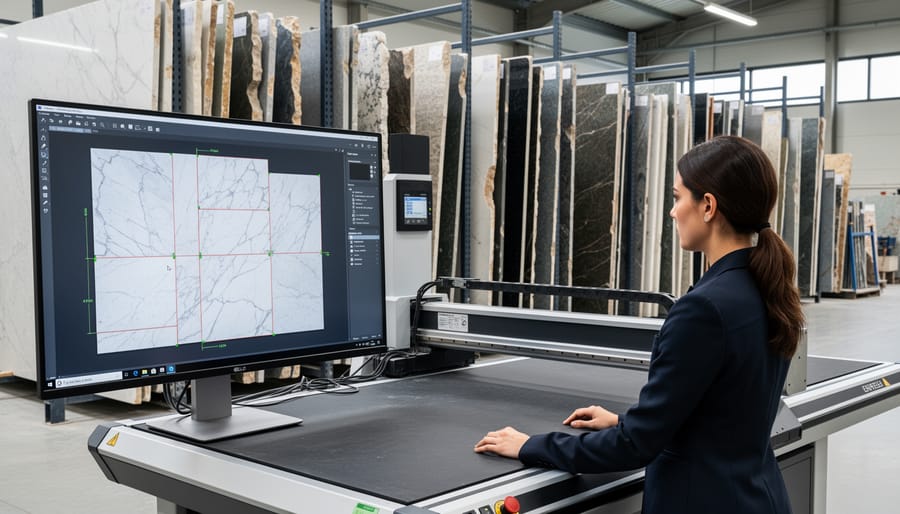
3D scanning technology has revolutionized how the stone industry approaches material optimization and waste reduction. Advanced scanners capture every detail of stone slabs, creating precise digital twins that measure dimensions, map veining patterns, and document color variations down to the millimeter. These digital replicas enable designers and fabricators to work collaboratively in virtual environments, planning installations with unprecedented accuracy.
The sustainability impact is substantial. By virtually positioning slabs and testing different cut configurations before any physical fabrication begins, teams can maximize material usage and minimize waste. Designers can select specific sections of stone that best suit their vision, rotating and arranging pieces digitally to achieve optimal aesthetic results while reducing offcuts by up to 30 percent. This virtual approach extends beyond individual projects, as digital slab libraries allow multiple stakeholders to review and approve selections remotely, eliminating the need for physical samples and site visits.
Integration with digital stone selection platforms further streamlines the process, enabling real-time visualization of how specific slabs will appear in finished spaces. Fabricators can generate precise cutting plans that account for structural integrity and aesthetic continuity, reducing errors and the need for replacement materials. This technology represents a fundamental shift from traditional trial-and-error methods to data-driven precision, delivering both economic and environmental benefits throughout the supply chain.
CNC Fabrication and Precision Cutting
Computer Numerically Controlled (CNC) technology has revolutionized natural stone fabrication by dramatically reducing material waste while improving precision and efficiency. Traditional cutting methods often resulted in waste rates of 30% or higher, but CNC systems have reduced this figure to less than 5% in many applications, representing a substantial leap forward in sustainable stone processing.
CNC machines use digital design files to guide cutting tools with exceptional accuracy, often within tolerances of 0.1 millimeters. This precision means fabricators can optimize material usage by nesting multiple pieces within a single slab, maximizing yield from each stone block. The technology also enables complex cuts and intricate designs that would be difficult or impossible to achieve manually, expanding creative possibilities while minimizing waste.
Beyond waste reduction, CNC fabrication offers several environmental advantages. The automated process reduces energy consumption compared to manual cutting methods and decreases the need for reworking pieces due to errors. Water recycling systems integrated with modern CNC equipment further minimize resource usage during the cutting process.
For architects and designers, CNC technology means greater design freedom without compromising sustainability goals. Complex architectural features, custom countertops, and intricate stone mosaics can be produced efficiently while maintaining the lowest possible environmental footprint. The technology also ensures consistency across large projects, reducing material rejection rates and associated waste.
The combination of reduced waste, improved energy efficiency, and enhanced precision makes CNC fabrication an essential component of sustainable stone processing, aligning natural stone with contemporary green building standards.
Energy-Efficient Processing and Transportation Innovations
Solar-Powered Processing Facilities
Leading stone fabrication facilities worldwide are demonstrating that renewable energy and stone processing can work hand-in-hand. In Vermont, Rock of Ages operates one of North America’s largest granite fabrication plants with a significant portion powered by solar arrays installed across their warehouse rooftops. The 500-kilowatt system generates approximately 600,000 kilowatt-hours annually, offsetting nearly 40% of the facility’s energy consumption while reducing carbon emissions by over 400 tons per year.
Similarly, Italian marble processing centers in Carrara have embraced solar technology, with several facilities installing photovoltaic panels that generate enough electricity to power water recycling systems, CNC machinery, and ventilation equipment. These installations typically achieve payback periods of 7-10 years while providing decades of clean energy thereafter.
In India’s Rajasthan region, sandstone processing yards have adopted hybrid systems combining solar power with battery storage, enabling operations during peak sunlight hours and reducing dependency on diesel generators. These facilities report energy cost reductions of 60-70% while improving air quality in surrounding communities. The transition to solar power proves particularly effective for stone processing because fabrication equipment requires consistent, manageable power loads ideal for renewable energy systems.
Regional Sourcing and Supply Chain Optimization
Modern supply chain management technologies are revolutionizing how natural stone reaches construction sites while significantly reducing environmental impact. GPS tracking systems now monitor stone shipments in real-time, allowing companies to optimize delivery routes and minimize fuel consumption. This technology enables suppliers to consolidate shipments, reduce empty return trips, and avoid congested routes that waste fuel and increase emissions.
Route optimization software takes logistics efficiency further by calculating the most fuel-efficient paths while considering variables like traffic patterns, delivery windows, and vehicle capacity. These systems can reduce transportation distances by 15-20% compared to traditional routing methods, directly translating to lower carbon emissions and reduced operational costs.
Perhaps most impactful is the growing emphasis on regional sourcing strategies. When architects and builders select locally quarried stone, they dramatically cut transportation distances and associated emissions. A granite countertop sourced from a quarry 200 miles away generates substantially less transportation-related carbon than identical stone shipped across continents. Many stone suppliers now maintain regional fabrication facilities, processing raw materials closer to end markets rather than shipping finished products long distances.
Advanced inventory management systems complement these strategies by predicting demand patterns and positioning materials strategically across distribution networks. This reduces the need for expedited shipping and allows for more efficient use of transportation resources. Together, these technologies demonstrate that sustainable practices often align with business efficiency, creating value for both the environment and the bottom line while maintaining the quality and variety that natural stone applications demand.
Thermal Mass Technology: Natural Stone in Energy-Efficient Design
Passive Heating and Cooling Applications
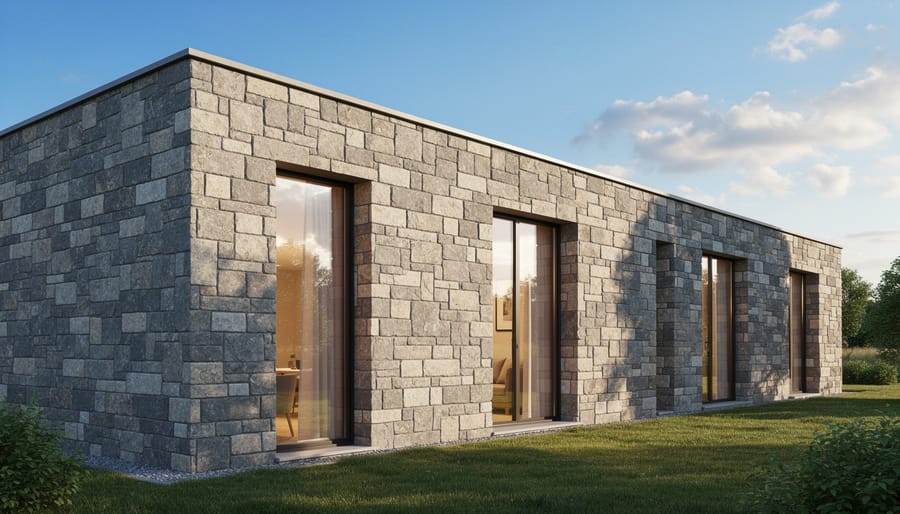
Natural stone’s exceptional thermal mass properties are transforming how buildings maintain comfortable temperatures year-round. Across diverse climates, architects and builders are rediscovering stone’s ability to absorb, store, and slowly release heat energy.
In the southwestern United States, several residential developments incorporate thick limestone and sandstone walls that absorb daytime heat and radiate warmth during cool desert nights, reducing HVAC costs by up to 30%. The Rammed Earth Solar House in Colorado demonstrates how massive stone floors paired with strategic south-facing windows capture winter sun, storing heat that maintains comfortable 68-72°F indoor temperatures without active heating systems.
Commercial applications are equally impressive. The Bullitt Center in Seattle utilizes granite thermal mass flooring combined with natural ventilation to stabilize interior temperatures, earning it recognition as one of the greenest commercial buildings globally. European examples include renovated Tuscan farmhouses where original stone construction naturally moderates summer heat, keeping interiors 10-15 degrees cooler than outside temperatures.
In Australia’s climate extremes, bluestone and basalt are increasingly specified for their cooling properties in both residential and retail spaces. These projects validate that stone’s passive heating and cooling capabilities aren’t merely traditional building practices but sophisticated sustainable technology solutions reducing energy consumption and carbon footprints while enhancing occupant comfort.
Integration with Smart Building Systems
Natural stone’s thermal mass properties become even more effective when paired with modern building management systems. Through smart building integration, stone floors and walls work in concert with programmable thermostats and HVAC systems to optimize energy consumption throughout the day.
Smart sensors monitor temperature fluctuations and adjust heating or cooling schedules based on the stone’s heat absorption and release patterns. During cooler mornings, the system can direct warmth to stone surfaces, which then radiate stored heat throughout the afternoon, reducing HVAC runtime. This coordination is particularly effective in spaces with radiant floor heating systems installed beneath stone tiles.
Advanced building automation platforms can track energy usage data and learn optimal temperature settings that leverage stone’s natural thermal regulation. The result is reduced energy consumption, lower utility costs, and improved indoor comfort levels. Some systems even integrate with weather forecasting to pre-condition stone surfaces before temperature changes, maximizing efficiency while maintaining consistent indoor environments year-round.
Sustainable Stone Treatment and Sealing Technologies
Water-Based and VOC-Free Sealers
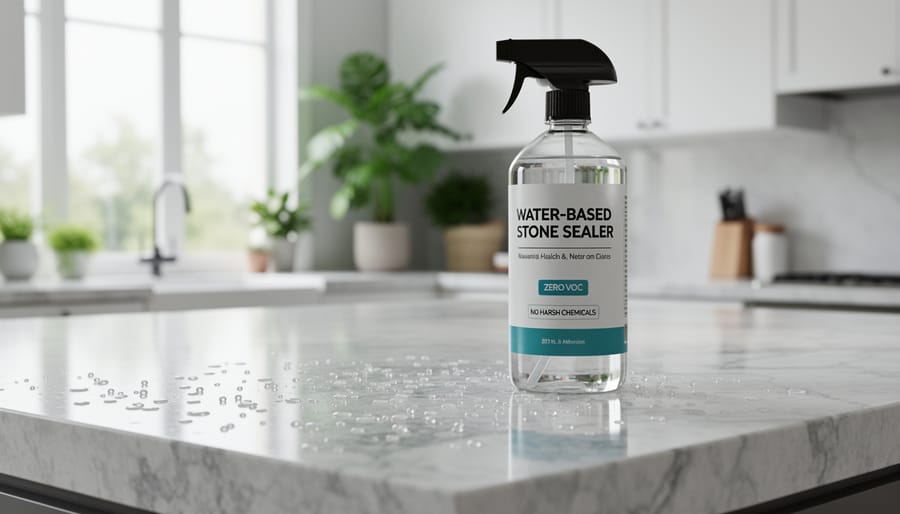
Modern water-based and VOC-free sealers represent a significant advancement in sustainable stone protection technology. Unlike traditional solvent-based products that release harmful volatile organic compounds into indoor environments, these eco-friendly alternatives use water as their primary carrier, dramatically reducing air pollution and health risks.
These advanced formulations provide excellent protection against staining, moisture penetration, and wear while maintaining breathability in the stone. The technology works by creating a protective barrier that penetrates the stone’s pores without trapping moisture, which is essential for preventing damage in freeze-thaw cycles and maintaining the material’s natural properties.
Water-based sealers cure faster than traditional options, allowing for quicker project completion and reduced downtime in commercial applications. They’re virtually odorless during application, making them ideal for occupied spaces like homes, offices, and healthcare facilities where air quality is paramount.
Many green building certification programs, including LEED, recognize low-VOC sealers as contributing to improved indoor environmental quality. This makes them particularly valuable for projects pursuing sustainability credentials while ensuring long-term stone protection and performance.
Natural and Biodegradable Cleaning Solutions
Modern stone care has evolved beyond harsh chemicals that compromise both environmental health and stone integrity. Today’s pH-neutral, plant-based cleaning solutions protect natural stone surfaces while minimizing ecological impact. These biodegradable formulations use naturally derived surfactants and enzymes that effectively remove dirt, oils, and organic stains without etching or dulling stone finishes.
Unlike traditional cleaners containing phosphates, chlorine, or synthetic fragrances, plant-based alternatives break down naturally in water systems, reducing pollution and protecting aquatic ecosystems. These sustainable products maintain stone’s natural beauty while extending its lifespan through gentle, non-abrasive action. Professional-grade formulations are now available for various stone types, from polished marble to textured granite, ensuring appropriate care without sacrificing effectiveness.
The shift toward green cleaning solutions represents a significant advancement in stone maintenance technology. By choosing biodegradable products, building owners and facility managers demonstrate commitment to sustainability while preserving their natural stone investments for decades. These innovations prove that environmental responsibility and superior stone care are not mutually exclusive but complementary goals in modern building management.
Certification and Transparency: Tracking Sustainability in the Stone Industry
Natural Stone Sustainability Standards
The natural stone industry has developed rigorous standards to verify and communicate sustainable practices throughout the supply chain. The most significant of these is NSC 373, a comprehensive sustainability rating system developed by the Natural Stone Council specifically for dimensional natural stone. This certification evaluates quarries, fabricators, and distributors across multiple environmental, social, and economic criteria, including energy consumption, water management, waste reduction, worker safety, and community engagement.
NSC 373 employs a transparent, third-party verification process that allows companies to achieve Bronze, Silver, Gold, or Platinum certification levels based on their performance. This standardized framework helps architects and designers make informed decisions when specifying materials for LEED and other green building projects. The certification contributes points toward LEED v4 credits in the Materials and Resources category.
Beyond NSC 373, the industry also recognizes ISO 14001 environmental management standards and participates in Environmental Product Declarations (EPDs), which provide transparent lifecycle impact data. Many quarries pursue additional certifications like Carbonneutral or participate in science-based emissions reduction programs. These standards collectively ensure accountability and drive continuous improvement in sustainable practices, giving specifiers confidence that their natural stone selections align with environmental goals while maintaining the material’s inherent durability and aesthetic appeal.
Blockchain and Supply Chain Transparency
Today’s consumers increasingly demand transparency about the products they purchase, and natural stone is no exception. Blockchain tracking technology is transforming supply chain visibility in the stone industry, creating an immutable digital record that follows each slab from quarry to final installation.
This technology works by assigning unique digital identifiers to stone blocks at the extraction point. Each step in the supply chain—from cutting and processing to shipping and fabrication—is recorded on a distributed ledger that cannot be altered or falsified. Consumers and designers can scan QR codes or access online portals to view the complete journey of their stone, including quarry location, extraction methods, processing facilities, and transportation routes.
This level of transparency helps verify sustainability claims, ensures ethical sourcing practices, and confirms authenticity. It also enables better quality control and reduces the risk of counterfeit materials entering the market. For architects and designers committed to sustainable building practices, blockchain provides the documentation needed for green building certifications and helps clients make informed decisions aligned with their environmental values.
Natural stone stands at a unique intersection of ancient materials and cutting-edge sustainable innovation. As we’ve explored throughout this article, modern technologies have transformed every stage of the stone lifecycle—from precision extraction methods that minimize waste and environmental disruption, to water recycling systems in processing facilities, to energy-efficient fabrication techniques that reduce carbon footprints. These advancements prove that choosing natural stone doesn’t mean sacrificing environmental responsibility; rather, it represents an investment in a material that’s inherently sustainable, durable, and increasingly produced through methods that honor our planet.
The combination of stone’s natural longevity with contemporary sustainable practices creates a compelling proposition for environmentally conscious building projects. Unlike synthetic alternatives that require energy-intensive manufacturing and often end up in landfills within decades, natural stone can last centuries while maintaining its beauty and structural integrity. When enhanced by responsible quarrying, efficient processing, and proper maintenance protocols, stone becomes one of the most genuinely sustainable materials available to today’s builders and designers.
As you plan your next project, we encourage you to give natural stone serious consideration. When evaluating suppliers, don’t hesitate to ask detailed questions about their sustainability practices: What technologies do they employ to reduce environmental impact? How do they source their materials? What certifications or third-party verifications can they provide? These conversations not only help you make informed decisions but also signal to the industry that sustainable practices matter to consumers and professionals alike. By choosing responsibly sourced natural stone enhanced by modern sustainable technologies, you’re contributing to a built environment that respects both aesthetic excellence and environmental stewardship.