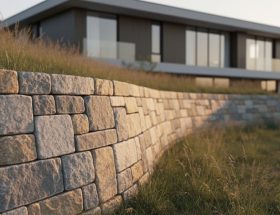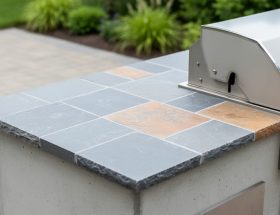
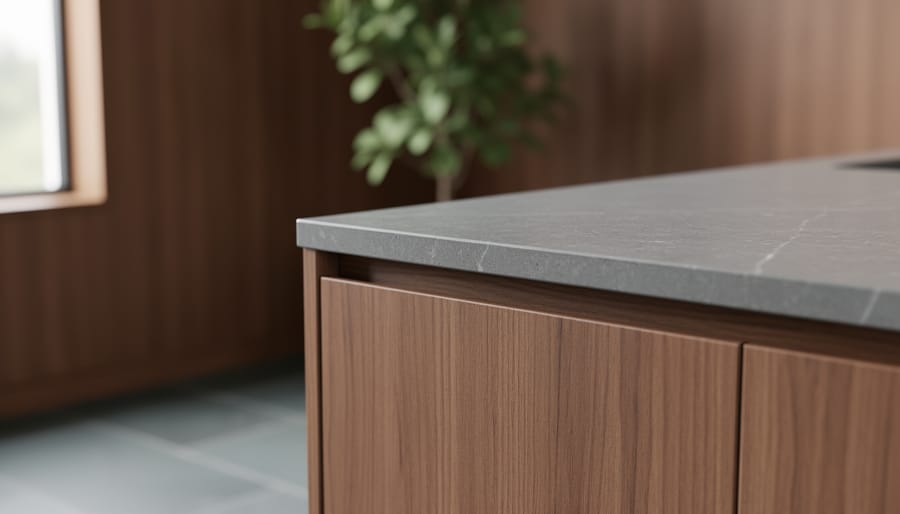
Stone and wood have shaped human shelter for millennia, yet their partnership transcends mere tradition. These materials share fundamental qualities that create visual and tactile harmony: both emerge from earth’s slow transformations, display organic patterns unique to each piece, and age gracefully while developing character. When designers unite stone’s cool permanence with wood’s warm resilience, they tap into biophilic design principles that resonate deeply with human psychology. The contrast between stone’s solid weight and wood’s lighter grain creates dynamic tension that draws the eye, while their shared natural origins ensure they never compete for attention. This inherent compatibility explains why stone foundations supporting timber frames, marble countertops against oak cabinetry, and slate floors meeting walnut paneling feel instinctively right. Understanding the scientific and aesthetic reasons behind this partnership empowers you to make confident material selections, whether renovating a residential kitchen or designing a commercial lobby where these timeless materials will perform their enduring dialogue.
The Science Behind the Harmony
Contrasting Yet Complementary Properties
The compelling partnership between stone and wood stems from their opposing yet complementary physical and aesthetic characteristics. Stone brings hardness, durability, and coolness—both literally in temperature and visually in color palette—while wood offers softness, warmth, and tactile comfort. These contrasts create natural equilibrium in any space.
The temperature differential extends beyond physical touch. Stone’s thermal mass naturally regulates indoor temperatures, absorbing heat during the day and releasing it slowly. Wood acts as an insulator, creating cozy warmth. This functional balance enhances energy efficiency while establishing sensory comfort.
Color temperature plays an equally vital role. Stone typically presents cool tones—grays, blacks, and earth-toned neutrals—while wood radiates warm hues from golden honey to rich mahogany. This visual temperature contrast prevents spaces from feeling too stark or overly rustic.
The permanent versus organic nature of these materials adds temporal depth to design. Stone represents geological permanence, formed over millions of years and virtually indestructible. Wood embodies living, breathing organic matter that ages gracefully, developing patina and character. Together, they bridge ancient and contemporary, creating spaces that feel both timeless and alive. This duality satisfies our psychological need for both stability and connection to nature’s growth cycles.
Color and Texture Interplay
The visual partnership between stone and wood begins with their naturally complementary color palettes. Cool-toned stones like marble and granite provide neutral grays, whites, and blacks that beautifully offset the warm amber, honey, and chocolate hues of wood species. Even warmer stones such as travertine or limestone share earthy beige and tan tones that echo wood’s organic spectrum, creating seamless visual transitions throughout a space.
Surface texture plays an equally vital role in this material relationship. The smooth, polished finish of marble countertops creates striking textural contrasts against rough-hewn wooden beams or matte-finished cabinetry. Honed stone surfaces offer a softer, more tactile quality that bridges the gap between wood’s natural grain patterns and stone’s mineral formations. These textural variations add depth and visual interest while maintaining cohesion through shared natural origins.
The key to successful color and texture pairing lies in balancing variation with harmony. Light stones can brighten spaces dominated by dark wood, while richly veined marble adds drama to minimalist wooden interiors. This interplay allows designers to create layers of visual interest that feel intentional rather than chaotic, grounded in nature’s own palette.
Historical Roots of Stone and Wood Pairings
The pairing of stone and wood represents one of humanity’s oldest design instincts, transcending geography and culture to appear in architectural traditions across the globe. This enduring combination emerged from practical necessity—builders worked with locally available materials—but evolved into a sophisticated aesthetic principle that continues to influence contemporary design.
In Japan, this partnership reaches its zenith in temple architecture, where massive stone foundations anchor elegant wooden superstructures. The famous Kiyomizu-dera temple in Kyoto demonstrates this balance perfectly, with its wooden stage supported by towering timber pillars rising from a stone base. This approach reflects the Japanese philosophy of harmony with nature, where each material serves its purpose while complementing the other’s inherent qualities.
European vernacular architecture tells a similar story through different expressions. Alpine chalets throughout Switzerland and Austria feature stone ground floors that provide thermal mass and stability, topped with timber upper levels that offer flexibility and warmth. In the English countryside, traditional cottages combine limestone or granite walls with exposed wooden beams and thatched roofs, creating structures that have withstood centuries of use.
Mediterranean cultures developed their own interpretation, using stone for load-bearing walls and structural integrity while incorporating wooden elements for doors, shutters, and interior frameworks. These buildings adapted to local climates, with stone providing coolness in summer heat and wood adding insulation during cooler months.
What unites these diverse traditions is an intuitive understanding of material properties. Stone offers permanence, strength, and connection to the earth. Wood brings flexibility, warmth, and organic beauty. Together, they create buildings that feel both grounded and alive, establishing a design language that modern architects and homeowners continue to draw upon when seeking authentic, timeless spaces.
Interior Applications That Achieve Perfect Balance
Kitchen Spaces
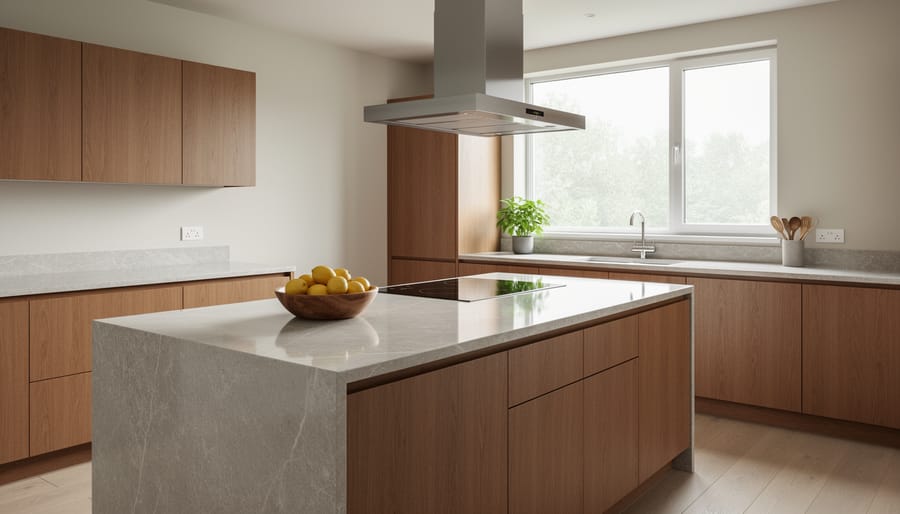
The kitchen exemplifies stone and wood fusion at its most functional and visually striking. Stone countertops paired with wood cabinetry create an immediate sense of balance—cool, polished granite or quartzite surfaces contrast beautifully with warm walnut or oak cabinets. This combination isn’t merely aesthetic; stone’s heat and stain resistance complements wood’s organizational versatility.
For backsplashes, consider natural stone tiles in neutral tones that bridge your countertop and cabinetry colors. Travertine or honed marble backsplashes soften the transition between materials while maintaining the organic theme. Kitchen islands offer another opportunity—a butcher block wood top with stone waterfall edges combines prep functionality with dramatic visual interest.
Material selection matters significantly. Choose sealed granite or quartzite for high-traffic countertops, reserving marble for less vulnerable areas. Wood cabinetry should be moisture-resistant; hardwoods like maple or hickory perform well in kitchen environments. For flooring, wide-plank hardwood or engineered wood provides warmth underfoot, while stone tile in entrance zones handles spills effectively.
The key is proportional balance: if your countertops feature dramatic veining, select simpler wood grains. Conversely, richly grained cabinetry pairs best with subtle stone patterns. This thoughtful coordination ensures neither material overwhelms the space, creating a kitchen that’s both highly functional and naturally harmonious.
Bathroom Sanctuaries
Bathrooms transform into tranquil retreats when stone and wood converge thoughtfully. Stone vanities anchored by warm wood accents establish visual balance while addressing practical moisture concerns. Consider floating walnut vanity bases supporting honed marble countertops, where the wood remains elevated from splashing zones. This configuration provides durability where water contact occurs most while introducing organic warmth at eye level.
Walk-in showers present ideal opportunities for material transitions. Stacked stone feature walls in slate or travertine paired with teak shower benches create spa-like focal points. The stone’s natural texture contrasts beautifully with smooth wood grain, while both materials age gracefully in humid environments when properly sealed.
Flooring transitions require careful planning to prevent visual disruption. Limestone or sandstone tiles can flow seamlessly into adjacent spaces where wood flooring begins, using threshold strips in complementary tones to bridge the materials. This technique maintains continuity while respecting each material’s optimal placement.
Lighting plays a crucial role in bathroom sanctuaries. Natural stone’s subtle variations become more pronounced under warm LED fixtures, while wood accents appear richer. Strategic placement of both task and ambient lighting enhances the natural beauty of each material, creating layers of visual interest that elevate daily routines into restorative experiences.
Living Areas and Feature Elements
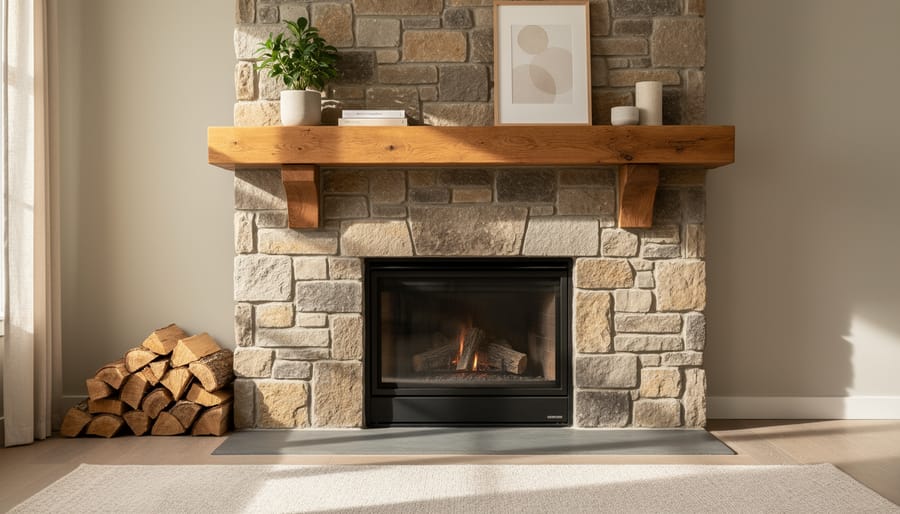
Living spaces offer expansive canvases for showcasing the natural partnership between stone and wood. Stone fireplaces crowned with reclaimed wood mantels create instant focal points that anchor family rooms and great rooms. The rough-hewn texture of hand-hewn beams or smooth finishes of milled wood both complement the varied surfaces of limestone, travertine, or stacked stone surrounds. Built-in cabinetry flanking these fireplace installations extends the dialogue between materials, with wood shelving units set against stone accent walls for dramatic effect.
Accent walls demonstrate how strategic material placement transforms ordinary rooms into distinctive spaces. A floor-to-ceiling stone feature wall in slate or quartzite pairs beautifully with white oak floating shelves or walnut wainscoting on adjacent walls. This approach prevents visual overwhelm while maintaining strong material presence.
Flooring combinations require thoughtful transitions between stone entry areas and wood living spaces. Wide-plank hardwood flowing from stone tile entryways creates natural progression through homes. Mixing materials within single rooms through area definition works equally well, with stone anchoring dining zones while wood warms conversation areas.
Statement pieces bridge both materials through furniture selection and architectural details. Live-edge wood console tables atop stone bases, or stone coffee tables surrounded by wood-frame seating, reinforce the design theme. Exposed wood ceiling beams over stone accent walls complete the vertical integration, drawing eyes upward while grounding spaces in natural authenticity. These deliberate pairings create layered environments that feel both curated and effortlessly cohesive.
Exterior and Architectural Harmony
Facade Combinations
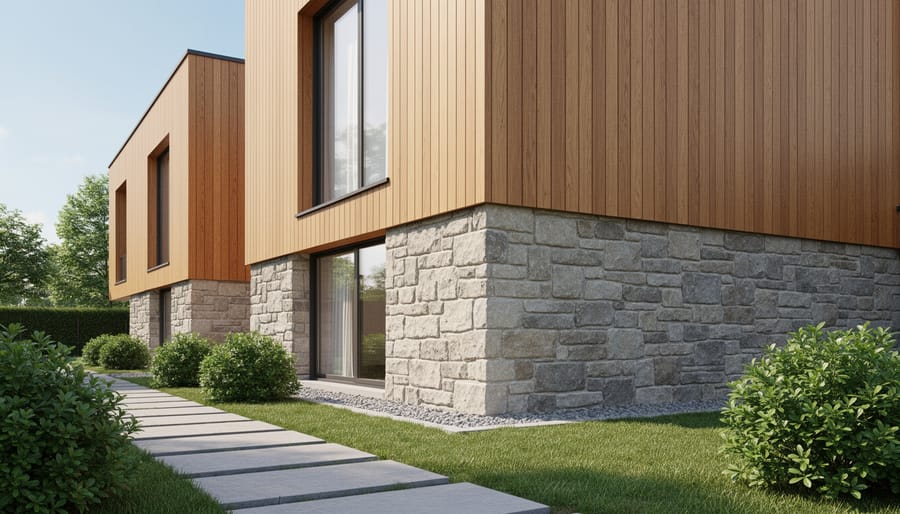
Combining stone and wood on exterior facades requires thoughtful consideration of visual weight and proportion. A classic approach places stone at the foundation and first-floor level, transitioning to wood siding on upper stories. This arrangement follows natural logic—heavier materials anchor the base while lighter materials rise above, creating inherent stability in the design.
Mixed material exteriors work best when materials are clearly delineated rather than scattered randomly. Consider using stone for distinct architectural features like entryway surrounds, chimney exteriors, or accent walls, allowing wood to dominate the remaining facade. This prevents visual competition between materials.
Visual weight distribution depends on the scale of stone elements. Large-format ashlar creates bold statements suitable for substantial portions of the facade, while smaller fieldstone works better as accent features. Balance darker stone tones with lighter wood finishes, or pair weathered gray stone with rich wood stains for contrast.
Horizontal transitions between materials should align with architectural elements like floor lines or roof eaves. Vertical transitions can follow corners, windows, or structural columns. These intentional boundaries create cohesive designs where both materials enhance rather than overwhelm the overall composition, resulting in facades that feel naturally integrated rather than arbitrarily assembled.
Outdoor Living Spaces
Outdoor living spaces represent the ultimate expression of stone and wood harmony, where these materials collaborate to create functional environments that feel like natural extensions of the landscape. Patios anchored with limestone, granite, or slate pavers establish durable foundations that weather gracefully, developing character through seasonal exposure. These stone surfaces provide thermal mass that stays cool underfoot during summer months while absorbing and radiating warmth during cooler evenings.
Pergolas exemplify the partnership between materials, with stone columns or posts supporting timber crossbeams that filter sunlight into dappled patterns. This structure creates architectural definition while maintaining visual transparency to surrounding gardens. Cedar and redwood beams complement warm-toned sandstone or travertine bases, while weathered gray timber pairs naturally with bluestone or granite.
Outdoor kitchens benefit from stone’s heat resistance and wood’s workability. Countertops crafted from granite or soapstone withstand high temperatures and moisture, while wood cabinetry and shelving add warmth and practical storage. Pathways executed in irregular flagstone with wood edging or railroad ties guide movement through gardens, their contrasting textures signaling transitions between outdoor rooms. The combination creates wayfinding that feels intuitive rather than imposed, with materials drawn from nature’s own vocabulary of form and texture.
Selecting Compatible Materials
Successfully pairing stone and wood requires thoughtful consideration of multiple factors to achieve a cohesive, lasting design. Begin by examining color relationships. Cool-toned stones like gray marble or bluestone complement woods with similar undertones, such as weathered oak or ash. Conversely, warm travertines and sandstones harmonize beautifully with walnut, cherry, or reclaimed barn wood. Consider natural color palettes that reflect your overall design vision while ensuring neither material overwhelms the other.
Grain and pattern intensity also play crucial roles. Heavily veined marbles or dramatic granites pair best with simpler wood grains to prevent visual competition. Conversely, understated limestone or honed granite provides an ideal backdrop for richly figured woods like burl or zebrawood. The key is achieving balance rather than matching intensity.
Surface finishes must complement each other functionally and aesthetically. Polished stone reflects light and adds formality, working well with smooth, finished hardwoods in contemporary settings. Honed or leathered stone finishes create a more organic feel that pairs naturally with matte or hand-scraped wood surfaces in rustic or transitional designs.
Practical maintenance considerations cannot be overlooked. Both materials should have compatible sealing requirements and cleaning protocols. Porous stones like marble or limestone need regular sealing, as do many hardwoods, making them compatible maintenance partners. Denser materials like granite or quartzite pair well with harder woods like maple or hickory in high-traffic applications.
Finally, consider durability requirements for the space. Kitchen islands benefit from heat-resistant granite tops with wooden bases, while bathroom vanities might feature moisture-resistant limestone with teak or treated wood elements. Matching performance characteristics ensures both materials age gracefully together.
Sustainability and Longevity Benefits
The marriage of stone and wood creates sustainable design solutions that stand the test of time while minimizing environmental impact. Both materials are inherently durable, requiring minimal replacement over decades or even centuries when properly installed and maintained. Natural stone like marble, granite, and limestone can last for generations without degrading, while quality hardwoods develop rich patinas that enhance their character as they age.
This longevity translates directly into reduced resource consumption. Unlike synthetic materials that may need replacement every 10-15 years, stone and wood installations often remain functional and beautiful for 50-100 years or more. The energy embodied in their initial production and installation is amortized over extended periods, making them increasingly sustainable choices over their lifecycle.
Both materials are also biodegradable and recyclable at the end of their useful life. Reclaimed wood and salvaged stone have become valuable commodities in their own right, finding new purposes in contemporary designs. When sourced responsibly from well-managed quarries and forests, these materials support renewable resource cycles and local economies.
The combination also reduces reliance on petroleum-based products and synthetic alternatives that contribute to pollution during manufacturing and disposal. As stone and wood weather naturally, they release no harmful chemicals into indoor environments, contributing to healthier living spaces. This graceful aging process means spaces become more distinguished over time rather than appearing worn or dated, offering lasting aesthetic and environmental value.
The partnership between stone and wood transcends fleeting design trends, rooted instead in centuries of architectural wisdom and fundamental material science. This enduring combination offers practical advantages that extend far beyond aesthetics—thermal regulation, structural complementarity, acoustic balance, and environmental sustainability all contribute to creating spaces that feel instinctively right. Whether you’re planning a residential renovation, commercial project, or landscape design, the stone-wood fusion provides a versatile framework adaptable to any scale or style.
As you consider incorporating these materials into your next project, remember that successful integration begins with understanding each material’s inherent properties and respecting their natural characteristics. The most compelling designs emerge when stone’s permanence and wood’s warmth are balanced thoughtfully, creating environments that engage multiple senses while standing the test of time. This material partnership doesn’t demand perfection—it celebrates the unique variations, textures, and imperfections that make natural materials authentic. By embracing stone-wood fusion, you’re not simply following a design approach; you’re participating in an architectural tradition that has shaped human spaces for millennia and will continue to create harmonious environments for generations to come.