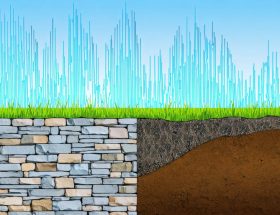

Natural stone walls stand as timeless monuments to both architectural beauty and engineering precision. Dating back thousands of years, these structures continue to captivate modern builders and homeowners with their durability, aesthetic appeal, and sustainable characteristics. Building a natural stone wall demands careful planning, technical expertise, and an understanding of fundamental masonry principles.
Before embarking on a stone wall project, contractors and DIY enthusiasts must navigate crucial considerations: proper foundation preparation, stone selection, structural integrity requirements, and local building codes. These elements form the cornerstone of successful stone wall construction, determining both the wall’s longevity and its compliance with safety standards.
This comprehensive guide explores essential techniques, material specifications, and regulatory requirements for building natural stone walls that withstand the test of time. Whether creating a garden retaining wall or a decorative boundary, understanding these fundamental principles ensures your project achieves both structural stability and visual excellence.
Key Building Regulations for Natural Stone Walls
Height and Width Requirements
Height and width specifications for natural stone walls must comply with local building codes, which typically vary by region and application. For residential retaining walls, the standard maximum height without requiring engineering approval is 4 feet (1.2 meters). Walls exceeding this height usually need structural calculations and permits.
The width of a stone wall should be proportional to its height, following the general rule of a 1:3 ratio (width to height). For example, a 3-foot-tall wall should have a base width of at least 12 inches. As the wall height increases, the base should widen accordingly to ensure stability.
Freestanding garden walls typically range from 18 to 24 inches in width for heights up to 6 feet. Load-bearing walls require greater width, usually starting at 24 inches and increasing based on structural requirements. Consider incorporating a batter (slight backward lean) of 1 inch per foot of height to enhance stability.
Always check with your local building department for specific requirements, as regulations may differ based on soil conditions, seismic zones, and intended wall function.
Foundation Standards
A solid foundation is crucial for building a lasting natural stone wall. The foundation must extend below the frost line, which varies by region but typically ranges from 12 to 48 inches deep. The width of the foundation should be at least twice the width of the wall, with a minimum of 12 inches for standard garden walls and 16-24 inches for retaining walls.
Proper foundation construction requires a well-compacted base of crushed stone or gravel, followed by a reinforced concrete footing. The concrete mixture should achieve a minimum compressive strength of 2,500 PSI and contain appropriate air entrainment for freeze-thaw resistance.
The foundation must be level across its entire length, with a slight slope away from any structures for proper drainage. A perforated drain pipe surrounded by gravel should be installed at the base of the foundation to prevent water accumulation. Allow the concrete to cure for at least seven days before beginning wall construction, ensuring the foundation can adequately support the substantial weight of natural stone materials.

Material Standards and Specifications
Stone Type and Quality Requirements
When building a natural stone wall, proper stone selection and quality is crucial for structural integrity and longevity. The stones should be weather-resistant, durable, and suitable for your climate zone. Commonly used varieties include granite, limestone, sandstone, and fieldstone, each offering distinct characteristics and advantages.
For structural walls, stones should be free from cracks, fissures, or signs of deterioration. Look for stones with relatively flat surfaces on at least two sides to ensure proper stacking and stability. The stone’s compressive strength should meet local building code requirements, typically ranging from 4,000 to 8,000 psi for residential applications.
Size variation is important for proper wall construction. Include a mix of larger stones (8-12 inches in diameter) for the base and primary structure, medium stones (4-8 inches) for the main body, and smaller stones (2-4 inches) for filling gaps. Each stone should have clean, fresh surfaces without weathered or decomposed areas.
Color and texture consistency matter not only for aesthetics but also for structural integrity. Avoid mixing stones with significantly different weathering characteristics or hardness levels, as this can lead to uneven wear and potential structural issues over time. All stones should be cleaned of dirt, vegetation, and loose material before use.
Mortar and Binding Materials
Selecting the right mortar mix is crucial for the longevity and stability of your natural stone wall. The standard mortar mix for stone walls typically consists of one part Portland cement, one part lime, and six parts clean sand. This mixture provides the optimal balance of strength and flexibility needed to accommodate natural stone’s thermal movement.
For historic preservation projects or traditional builds, lime mortar might be preferred, using a mix of one part lime to three parts sand. This traditional composition allows better moisture movement and is more forgiving with ground settlement.
When applying mortar, maintain consistent joint thickness between 3/8 inch to 1/2 inch. The mortar should be firm enough to hold its shape when squeezed but wet enough to ensure proper adhesion. Weather conditions significantly impact mortar performance – avoid applying when temperatures are below 40°F (4°C) or above 90°F (32°C).
For structural integrity, ensure complete coverage of all contact surfaces. Each stone should be set with a full bed of mortar and all vertical joints should be fully filled. After initial setting, tool the joints to compact the mortar and create a weather-resistant surface. The mortar should be allowed to cure for at least 24 hours, with periodic misting in hot or windy conditions to prevent premature drying.
Construction Techniques and Standards
Stone Laying Patterns
Several proven stone laying patterns ensure both structural integrity and aesthetic appeal in natural stone walls. The most common pattern is random rubble, where stones of varying sizes are fitted together like a puzzle, creating a rustic, organic appearance. Coursed rubble follows horizontal lines with stones of similar heights, offering a more organized look while maintaining structural stability.
For formal walls, ashlar pattern uses cut stones of uniform size arranged in regular courses, providing a sophisticated appearance ideal for architectural features. The dry-stack pattern, which doesn’t use mortar, requires precise stone selection and placement, with each stone carefully balanced against its neighbors.
When building corners or ends, larger stones should be used as quoins, alternating their orientation to ensure proper interlocking. The running bond pattern, similar to brick laying, staggers vertical joints to distribute weight evenly. For maximum stability, stones should be placed with their longest side running into the wall rather than along its face, a technique known as “through-stones” or “bond stones.”
Each pattern requires careful attention to maintaining level courses and proper stone contact to ensure long-term durability.

Drainage Requirements
Proper drainage is critical for the longevity and stability of natural stone walls. Install a perforated drainage pipe at the base of the wall, surrounded by clean gravel or crushed stone. The pipe should be positioned with a minimum slope of 1 inch per 8 feet to ensure water flows away from the wall effectively.
Create a drainage layer behind the wall using 3/4-inch clean gravel or crushed stone, extending at least 12 inches from the back of the wall. This layer should run the full height of the wall to prevent water accumulation. Install a filter fabric between the drainage material and native soil to prevent soil particles from clogging the system.
Weep holes should be placed at regular intervals, typically every 4 to 6 feet horizontally and vertically. These openings allow water to escape through the face of the wall, reducing hydrostatic pressure. For walls taller than 4 feet, incorporate additional drainage measures such as chimney drains or drainage composites.
Ensure the ground slopes away from the wall at a minimum grade of 2% to direct surface water away from the structure. Regular maintenance of the drainage system is essential for continued effectiveness.
Joint Construction
Proper joint construction is crucial for both the structural integrity and aesthetic appeal of natural stone walls. The ideal joint width typically ranges from 3/8 inch to 1/2 inch, allowing sufficient space for mortar while maintaining visual balance. When creating joints, ensure the mortar is mixed to the right consistency – firm enough to hold its shape but workable enough to fill gaps completely.
Apply mortar using a pointing tool, pressing firmly to eliminate air pockets and ensure full contact with stone surfaces. The joints should be slightly recessed from the stone face, approximately 1/4 inch deep, to create attractive shadow lines and prevent water accumulation. For optimal strength, joints must be struck when the mortar reaches thumbprint hardness.
Weather conditions significantly impact joint construction. Avoid working in temperatures below 40°F (4°C) or above 90°F (32°C). In hot weather, mist the joints periodically to prevent rapid drying. Once complete, protect fresh joints from rain and direct sunlight for at least 24 hours to ensure proper curing. Regular inspection of joints during the curing process helps identify and address any potential issues early.
Safety and Structural Requirements
Load-Bearing Specifications
The load-bearing capacity of a natural stone wall is crucial for its structural integrity and longevity. For freestanding walls, the general rule is that the height should not exceed four times the thickness of the base. A wall that’s 6 feet tall, for example, should have a minimum base width of 18 inches.
Foundation requirements vary based on soil conditions and wall height. The foundation should extend below the frost line and be at least twice the width of the wall. For most residential applications, a concrete foundation depth of 12-24 inches is standard, with additional depth required in regions with deeper frost lines.
Maximum load capacities depend on stone type and construction method. Granite and limestone walls typically support 1,000-4,000 pounds per square inch (psi), while sandstone ranges from 500-2,500 psi. Proper through-stones (stones that span the wall’s width) should be placed every 3-4 feet horizontally and vertically to ensure structural stability.
For retaining walls, additional engineering considerations are necessary. Every foot of wall height creates approximately 30-50 pounds of pressure per square foot. Drainage systems must be incorporated to prevent hydrostatic pressure buildup. Walls exceeding 4 feet in height typically require professional engineering calculations and may need reinforcement techniques such as geogrid or steel bars.
Always consult local building codes and structural engineers for specific load requirements, especially for walls exceeding 6 feet in height or those supporting additional structures.
Reinforcement Guidelines
Proper reinforcement is crucial for ensuring the structural integrity and longevity of natural stone walls. For walls exceeding 4 feet in height, vertical steel reinforcement bars (rebar) should be installed at intervals of 4 feet or less, embedded into the foundation and extending through the wall’s full height. The minimum recommended rebar size is #4 (½ inch diameter), though larger walls may require #5 or #6 rebar.
Horizontal reinforcement is equally important and should be placed every 16 to 24 inches vertically. This typically consists of ladder-style wire reinforcement or continuous horizontal rebar. For curved walls or corners, additional reinforcement is necessary at these stress points.
The foundation must be properly reinforced with a continuous concrete footing that extends below the frost line. The footing should be at least twice the width of the wall and contain both horizontal and vertical reinforcement. Drainage systems, including weep holes and gravel backfill, must be incorporated to prevent hydrostatic pressure buildup.
For retaining walls over 6 feet tall, additional engineering considerations are required, including tie-backs or deadmen anchors. These should be installed at regular intervals and properly waterproofed. All reinforcement materials must be corrosion-resistant and meet local building code requirements for outdoor use. Professional engineering consultation is recommended for walls exceeding 4 feet in height or those subject to significant earth retention loads.
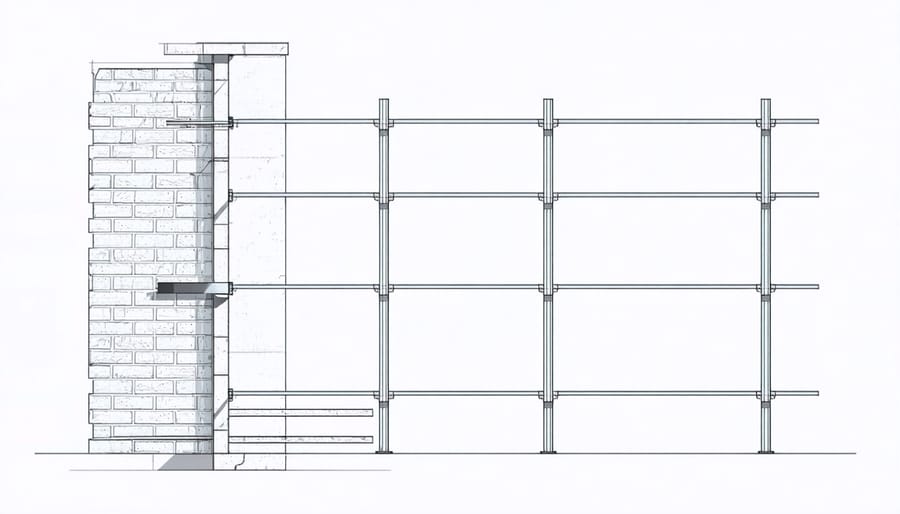
Building a natural stone wall requires careful attention to detail, from initial planning through final construction. Throughout this guide, we’ve covered essential aspects including material selection, proper foundation preparation, construction techniques, and crucial safety considerations. Remember that compliance with local building codes and regulations is not just a legal requirement – it’s fundamental to ensuring the longevity and safety of your stone wall project.
Before beginning construction, always obtain necessary permits and familiarize yourself with local zoning requirements. Regular inspections during the building process help maintain compliance and catch potential issues early. While natural stone walls can be beautiful DIY projects, complex structures or retaining walls over four feet may require professional expertise and engineering oversight.
Success in stone wall construction comes from balancing traditional craftsmanship with modern building standards. Whether you’re a homeowner or professional contractor, staying informed about current regulations and best practices ensures your wall will stand the test of time while meeting all safety requirements. Remember to document your construction process and maintain records of permits and inspections for future reference.