
Natural stone carries a premium price tag that reflects its unique character, durability, and timeless appeal. While initial costs typically range from $40 to $200 per square foot installed, comparing natural stone solely on price misses the bigger picture. This luxury building material offers exceptional long-term value through decades of performance, increased property values, and minimal maintenance requirements when properly installed.
Understanding natural stone pricing requires examining multiple factors: the stone’s rarity, origin, extraction complexity, and transportation costs all influence market rates. Common varieties like slate or limestone often cost less than exotic marble or onyx. Yet even premium natural stone can prove cost-effective over time compared to synthetic alternatives that require frequent replacement.
Today’s market offers natural stone options for virtually every budget, from modestly priced granite tiles to ultra-premium quartzite slabs. Modern extraction and fabrication techniques have made natural stone more accessible than ever, though it remains a significant investment. The key is evaluating not just the upfront expense, but the material’s lasting beauty, durability, and potential return on investment through enhanced property value.
Current Market Trends in Natural Stone Pricing
Supply Chain Impacts
The cost of natural stone is significantly influenced by market forces affecting stone prices and transportation logistics. As raw materials are often quarried in specific global locations, global supply chains play a crucial role in determining final costs. Factors such as fuel prices, shipping container availability, and international trade regulations can cause significant price fluctuations.
Distance from quarry to installation site heavily impacts pricing, with imported stones typically commanding higher prices due to transportation costs. Local availability of certain stone types can offer more competitive pricing, while rare varieties from distant locations may include substantial logistics premiums.
Recent supply chain disruptions have highlighted the importance of reliable sourcing networks. Many suppliers now maintain larger local inventories to buffer against global shipping delays, though this practice can increase storage costs and ultimately affect retail prices. Understanding these supply chain dynamics helps buyers anticipate potential price variations and make more informed decisions when selecting natural stone materials.

Regional Price Variations
The cost of natural stone can vary significantly depending on your geographical location, with several factors influencing regional price differences. Coastal areas and major metropolitan regions typically command higher prices due to increased demand and higher operating costs. For example, marble in New York City might cost 20-30% more than in smaller Midwestern cities.
Transportation costs play a crucial role in regional pricing. Areas closer to quarries often enjoy lower prices, while regions requiring long-distance shipping see marked increases. States like Vermont, known for their granite quarries, generally offer more competitive pricing on local stone varieties.
Market competition and local availability also impact prices. Areas with multiple stone suppliers and fabricators tend to have more competitive pricing, while regions with limited options may see higher costs. Additionally, local labor rates affect installation costs, with urban areas typically charging more than rural locations.
Climate considerations can influence stone selection and pricing in different regions. For instance, freeze-resistant stones command premium prices in northern states, while heat-resistant varieties may cost more in southern regions due to specific performance requirements.
Cost Factors Beyond Raw Materials

Extraction and Processing Costs
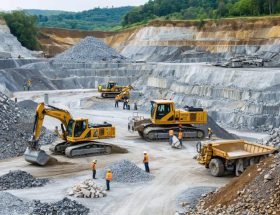
The process of extracting and finishing natural stone significantly influences its final cost. Quarrying operations involve sophisticated machinery, skilled labor, and extensive safety measures to extract stone blocks from the earth. These operations require substantial investment in equipment like diamond wire saws, drilling machines, and heavy-duty transportation vehicles.
Once extracted, the raw stone undergoes multiple processing stages. Initial cutting transforms large blocks into manageable slabs using gang saws or wire saws. The finishing process then involves various treatments depending on the desired outcome – polishing, honing, flaming, or brushing. Each finishing technique requires specialized equipment and experienced craftsmen, adding to the overall cost.
Transportation represents another significant expense, as stone is heavy and must be moved carefully from quarries to processing facilities and ultimately to construction sites. The distance between these locations can substantially impact the final price.
Geographic location of quarries also affects costs. Some premium stones are only available from specific regions worldwide, requiring international shipping and import duties. Additionally, environmental regulations and quarrying permits vary by location, influencing operational costs.
The yield rate of quality stone from quarried material also affects pricing. Not all extracted stone meets commercial standards, and significant portions may be discarded due to imperfections or structural issues, meaning the cost of unusable material must be factored into the price of quality pieces.
Transportation and Installation
Transportation and professional installation significantly impact the overall cost of natural stone projects. Due to the material’s weight and fragility, specialized equipment and skilled labor are required for safe handling and delivery. On average, transportation costs range from $2-5 per square foot, depending on distance and material volume.
Professional installation is crucial for natural stone’s longevity and appearance. Labor costs typically range from $8-15 per square foot for basic installations, with complex patterns or custom designs commanding higher rates of $15-30 per square foot. These costs reflect the expertise needed for proper substrate preparation, precise cutting, and professional finishing.
Additional factors affecting installation costs include:
– Site accessibility and preparation requirements
– Need for specialized tools or equipment
– Complexity of the pattern or design
– Material thickness and weight
– Surface preparation and leveling
– Sealing and finishing requirements
It’s important to note that while DIY installation might seem cost-effective, improper installation can lead to expensive repairs or replacement. Professional installers provide warranties and ensure proper techniques are used, potentially saving money in the long run. When budgeting for a natural stone project, experts recommend allocating 20-30% of the total budget for transportation and installation costs.
Comparing Natural Stone to Alternatives
Initial vs. Lifetime Costs
While natural stone may require a higher initial investment compared to synthetic materials, its long-term value benefits often outweigh the upfront costs. Natural stone’s exceptional durability means it can last for generations with proper maintenance, eliminating the need for frequent replacements that cheaper alternatives might require.
Consider a limestone floor that costs $30 per square foot installed versus vinyl flooring at $7 per square foot. While the initial difference is substantial, the limestone floor can last 100+ years with proper care, while vinyl typically needs replacement every 10-15 years. Over a 30-year period, you might replace vinyl twice, making the lifetime cost comparable or even higher than the one-time stone investment.
Additionally, natural stone’s timeless appeal and durability can increase property value, offering a strong return on investment. When factoring in maintenance costs, longevity, and potential resale value, natural stone often proves to be a more economical choice in the long run despite its higher initial price point.
Material Comparisons
When comparing natural stone to alternatives, the price spectrum varies significantly. Engineered quartz typically ranges from $40-100 per square foot installed, while natural stone can range from $35-200 depending on the variety. Porcelain and ceramic tiles offer more budget-friendly options at $15-50 per square foot, while luxury materials like exotic marble can exceed $250 per square foot.
However, price comparisons should consider longevity and maintenance costs. While engineered materials might have lower upfront costs, natural stone often lasts generations with proper care. Manufactured alternatives typically need replacement every 15-20 years, potentially making them more expensive in the long run.
Material alternatives like concrete ($30-90 per square foot) and solid surface materials ($35-85 per square foot) fall in a similar price range to mid-grade natural stones but lack the unique character and potential appreciation value. Laminate countertops offer the most economical choice at $10-40 per square foot but cannot match natural stone’s durability or aesthetic appeal.
Each alternative has its merits, but natural stone’s enduring value often justifies its initial investment through longevity and timeless appeal.

Smart Buying Strategies
To maximize your investment in natural stone, focus on getting the best value through strategic purchasing decisions. Start by comparing prices from multiple suppliers, including both local stone yards and larger distributors. Timing your purchase during off-peak seasons or end-of-year sales can result in significant savings, with discounts often ranging from 10-30%.
Consider purchasing remnants for smaller projects or selecting slabs with minor imperfections for areas where they won’t be noticeable. These options can reduce costs by up to 50% while maintaining the natural stone’s inherent beauty. Opt for thinner cuts when appropriate, as they’re typically less expensive but still provide the desired aesthetic.
Negotiate bundle pricing if you’re buying multiple slabs, and always request detailed quotes that include additional costs like cutting, finishing, and delivery. Some suppliers offer better rates for cash payments or may price-match competitors. Be sure to factor in installation costs and ask about any available warranties or maintenance packages that could provide long-term savings.
Don’t overlook local quarries, which often offer competitive prices due to reduced transportation costs. Additionally, some suppliers maintain clearance sections where you can find high-quality stone at reduced prices. Remember to request samples before making large purchases to ensure the stone meets your expectations in terms of color, pattern, and finish.
Natural stone represents a significant investment that requires careful consideration of multiple factors. While initial costs may be higher than synthetic alternatives, the long-term value proposition often justifies the expense. Quality natural stone offers unmatched durability, timeless aesthetic appeal, and potential property value appreciation. The actual cost varies significantly based on stone type, quality, origin, and installation requirements, making it essential to evaluate your specific needs and budget. By considering factors like maintenance requirements, longevity, and resale value, many homeowners and designers find that natural stone delivers excellent return on investment despite higher upfront costs. Remember that proper installation and maintenance are crucial to maximizing your stone’s lifespan and preserving its beauty for generations to come.