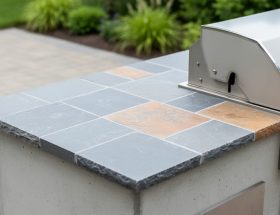
Natural stone surfaces face distinct threats each season—winter freeze-thaw cycles crack sealants, spring moisture penetrates unsealed joints, summer heat degrades protective coatings, and autumn debris stains porous surfaces. Without a structured maintenance calendar aligned to these seasonal challenges, your stone investment deteriorates faster, requiring costly repairs or premature replacement.
The evidence is clear: stone maintained on a seasonal schedule lasts 40-60% longer than neglected installations. Yet most property owners follow reactive maintenance, addressing problems only after visible damage appears. This approach proves both expensive and ineffective, as microscopic deterioration occurs long before cracks or stains become apparent.
Effective seasonal maintenance requires understanding three factors: your specific stone type’s vulnerabilities, your regional climate patterns, and the appropriate preventive measures for each season. Granite withstands freeze-thaw cycles better than limestone. Coastal installations face salt damage that inland properties never encounter. Desert climates demand different sealing frequencies than humid regions.
This comprehensive guide breaks down exactly what your stone needs during each season. You will learn which tasks prevent the most damage, optimal timing for sealing and cleaning, how to customize maintenance for your stone variety and location, and warning signs that indicate immediate intervention. By following these seasonal protocols, you protect your investment, maintain aesthetic appeal, and avoid the frustration of preventable stone damage. The strategy is straightforward: anticipate seasonal threats before they compromise your stone surfaces.
How Seasons Actually Damage Your Natural Stone
Winter’s Hidden Threats: Freeze-Thaw Cycles and Salt Damage
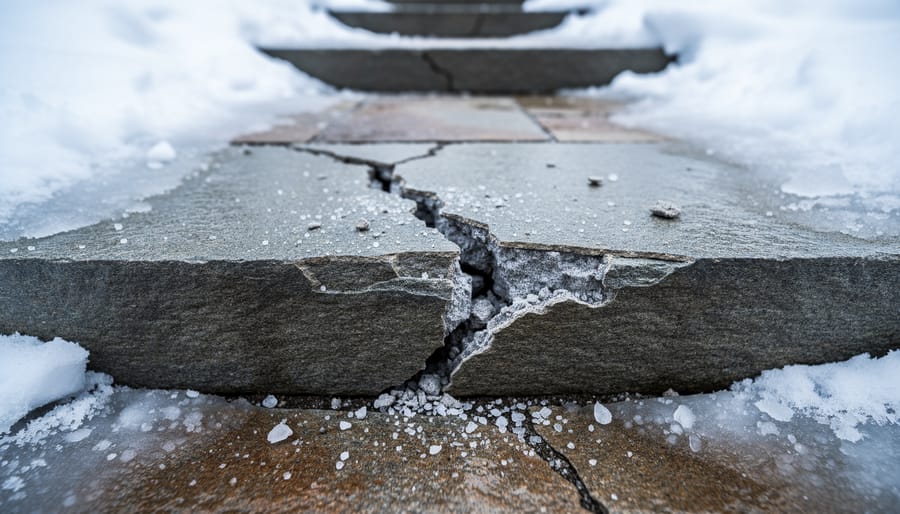
Winter presents unique challenges for natural stone surfaces, particularly in regions experiencing freezing temperatures. When water seeps into the microscopic pores and fissures of stone, it expands by approximately nine percent upon freezing. This expansion creates internal pressure that leads to spalling, where surface layers flake or pop off, and progressive cracking that worsens with each cycle. Understanding how freeze-thaw cycles damage stone is essential for protecting your investment.
Equally damaging are the salts and chemical de-icers commonly used during winter months. Rock salt and calcium chloride accelerate surface deterioration by drawing moisture into the stone and leaving behind crystalline deposits. As these salts crystallize within the stone’s pores, they expand and contract, causing subflorescence that weakens the structure from within. Additionally, these chemicals can cause permanent discoloration and etching, particularly on limestone, marble, and travertine. Protective measures taken before winter arrives, including proper sealing and establishing drainage systems, significantly reduce vulnerability to both freeze-thaw damage and chemical deterioration.
Spring Moisture and Biological Growth
Spring’s combination of increased rainfall, rising temperatures, and elevated humidity levels creates ideal conditions for biological growth on natural stone surfaces. As moisture accumulates from spring showers and morning dew, porous stone materials become vulnerable to mold, mildew, and algae colonization, particularly in shaded areas with limited air circulation.
Limestone, sandstone, and other sedimentary stones are especially susceptible due to their higher porosity. Dark spots or green discoloration often signal active growth, while white, powdery deposits indicate efflorescence—a phenomenon where water-soluble salts migrate to the stone surface and crystallize as moisture evaporates. This occurs when spring rains penetrate unsealed stone, dissolving minerals within the material or underlying substrate.
Addressing these issues promptly is essential, as biological growth can penetrate stone pores, causing staining and structural weakening over time. Efflorescence, while primarily cosmetic initially, signals moisture intrusion that requires attention. Spring maintenance should focus on inspecting vulnerable areas, removing organic debris that traps moisture, ensuring proper drainage, and applying appropriate sealers to water-exposed surfaces. Professional cleaning may be necessary for established growth, while preventive measures like improving ventilation and redirecting water sources help minimize future biological activity during this critical season.
Summer Heat and UV Degradation
Summer subjects natural stone to some of its harshest environmental conditions. Prolonged exposure to intense UV rays causes photodegradation, gradually breaking down the chemical bonds in stone sealers and leading to reduced protection over time. This deterioration leaves the stone vulnerable to moisture infiltration and staining.
Heat compounds these effects by accelerating the evaporation of moisture from within the stone, which can cause thermal expansion and contraction. Different minerals within the stone expand at varying rates, potentially creating microfractures that compromise structural integrity. This is particularly concerning for exterior installations like patios and pool decks.
UV exposure also affects the stone itself, causing color fading in certain varieties, especially those with iron-rich minerals or dyes. Darker stones absorb more heat, making them more susceptible to thermal stress. Additionally, high temperatures can cause existing sealers to become brittle and crack, creating pathways for water and contaminants to penetrate the surface.
Outdoor stone surfaces face the combined assault of direct sunlight for up to 15 hours daily during peak summer months, with surface temperatures sometimes exceeding 150 degrees Fahrenheit. This extreme environment demands proactive maintenance including regular resealing, appropriate product selection with UV-resistant properties, and monitoring for early signs of deterioration such as dulling, chalking, or surface roughness.
Fall Preparation and Organic Debris
As temperatures drop and trees shed their foliage, fall introduces unique challenges for natural stone surfaces. Fallen leaves may seem harmless, but when combined with autumn moisture from increased rainfall and morning dew, they create the perfect conditions for staining. Organic matter contains tannins and other compounds that, when left in prolonged contact with porous stone like limestone or sandstone, can penetrate the surface and leave brown or dark discolorations that become increasingly difficult to remove.
The real danger lies in what these conditions set up for winter. Moisture trapped beneath leaf piles doesn’t evaporate as quickly in cooler temperatures, allowing water to seep into the stone’s pores. When temperatures fluctuate between freezing and thawing during late fall, this moisture begins the freeze-thaw cycle that causes cracking and spalling. Additionally, decomposing leaves create acidic conditions that can etch calcium-based stones like marble and travertine, weakening the surface structure before winter’s harshest conditions arrive.
Regular removal of organic debris during fall, combined with thorough cleaning and proper sealing, prevents both immediate staining and sets a protective foundation that will prove critical when winter weather intensifies.
Spring Maintenance: Reset and Repair
Deep Cleaning and Damage Assessment
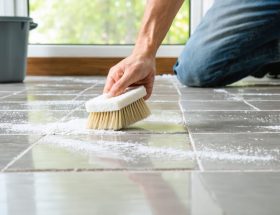
After winter’s harsh conditions, begin your spring stone care with a thorough deep cleaning. Start by removing all debris, dirt, and salt residue using a soft-bristled brush or microfiber mop. Follow proper cleaning procedures with pH-neutral cleaners specifically formulated for natural stone, avoiding acidic or abrasive products that can cause further damage.
Once clean, conduct a systematic damage assessment by examining surfaces in good lighting. Look for cracks, chips, or spalling caused by freeze-thaw cycles. Check for discoloration, staining from deicing salts, or water marks along edges and grout lines. Run your hand across the surface to detect etching—dull spots where acids have eaten away the stone’s finish.
Document problem areas with photos and measurements. Minor surface etching may require professional honing, while deeper cracks need immediate repair to prevent moisture infiltration. Surface stains often respond to poulticing treatments, but persistent discoloration might indicate deeper issues requiring expert evaluation. This assessment determines whether you can proceed with routine maintenance or need professional restoration services before resealing.
Sealer Inspection and Reapplication
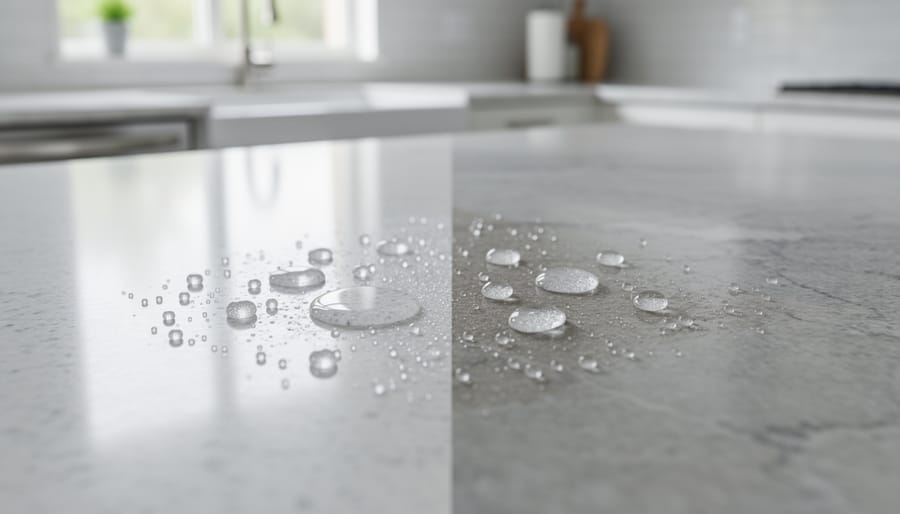
Testing your sealer’s effectiveness twice annually ensures your stone maintains proper protection against moisture damage and staining. The water droplet test provides a simple diagnostic tool: place several drops of water on your stone surface and observe the results. If water beads up and sits on the surface for 10-15 minutes, your sealer remains effective. However, if water absorbs quickly or darkens the stone within minutes, it’s time for reapplication.
Most natural stone surfaces require resealing your stone every 1-3 years, though high-traffic areas may need more frequent attention. Outdoor installations exposed to harsh weather conditions often require annual resealing to maintain optimal protection.
Product selection depends on your specific stone type. Marble and limestone benefit from penetrating sealers that protect without altering appearance, while granite and slate perform well with either penetrating or enhancing sealers that can deepen color. For exterior applications, choose UV-resistant formulas designed to withstand temperature fluctuations and precipitation. Always verify that your chosen sealer is compatible with your stone type and intended use, whether for countertops, flooring, or outdoor hardscaping.
Joint and Grout Maintenance
Grout and joint integrity plays a critical role in protecting your natural stone installation from water damage and structural issues. Include quarterly inspections of grout lines in your maintenance schedule, paying particular attention after freeze-thaw cycles in winter and periods of heavy rain.
During inspections, look for signs of cracking, crumbling, or separation between the grout and stone. These gaps create pathways for water infiltration, which can lead to staining, efflorescence, and substrate damage. Use a flashlight to examine corners and edges where problems often begin unnoticed.
Address minor grout deterioration promptly by removing damaged sections and reapplying appropriate grout material. For natural stone, always use non-sanded grout on polished surfaces to prevent scratching, and sanded grout for wider joints exceeding one-eighth inch. Ensure the grout color matches your existing installation for aesthetic consistency.
Apply a penetrating sealer to freshly repaired grout after it has fully cured, typically 48-72 hours. This extra protection barrier helps prevent future moisture penetration and staining. For high-traffic areas or exterior installations, consider professional inspection annually to catch developing issues before they require extensive repair work.
Summer Maintenance: Protect and Preserve
UV Protection and Heat Management
Outdoor stone installations face continuous UV exposure that can gradually fade pigments and degrade surface finishes, particularly affecting darker stones and polished surfaces. Summer’s intense sunlight also creates significant temperature differentials that contribute to thermal shock—rapid expansion and contraction that can cause cracking and surface spalling.
Implement UV-resistant sealers specifically formulated for outdoor applications during spring maintenance. These specialized products contain additives that absorb or reflect ultraviolet radiation, preserving the stone’s natural color and preventing oxidation of iron-bearing minerals. Reapply according to manufacturer recommendations, typically every 1-2 years depending on sun exposure intensity.
For high-exposure areas, consider architectural shade solutions like pergolas, awnings, or strategic landscaping with deciduous trees that provide summer shade while allowing winter sunlight. These structures reduce direct UV impact and moderate surface temperatures.
Prevent thermal shock by avoiding cold water contact on sun-heated stone surfaces. Schedule cleaning and maintenance for early morning or evening hours when temperatures are moderate. During installation planning, incorporate expansion joints in large format installations to accommodate natural thermal movement without stress fracturing.
Monitor stone surfaces regularly for heat-related damage indicators including surface checking, color fading, or loose crystalline structures, addressing issues promptly to prevent progression.
High-Traffic Season Care
During peak visitation periods—holidays, summer months, or special events—your natural stone surfaces endure significantly more foot traffic, spills, and general wear. This increased activity demands a proactive maintenance approach to preserve your stone’s beauty and structural integrity.
First, increase your cleaning frequency substantially. High-traffic areas should be swept or dust-mopped at least twice daily to remove abrasive dirt particles that act like sandpaper underfoot, dulling the stone’s finish. Daily damp mopping with pH-neutral cleaners becomes essential rather than optional during these busy periods.
Strategic placement of protective walk-off mats at all entrances serves as your first line of defense. Position mats both outside and inside doorways to capture approximately 80% of tracked-in debris before it reaches your stone. Ensure mats are at least six feet long to maximize dirt-trapping effectiveness, and clean them regularly so they don’t become dirt sources themselves.
Implement an immediate spill response protocol, especially in kitchens and dining areas. Acidic substances like wine, citrus juice, or coffee can begin etching certain stones within minutes. Keep absorbent cloths and approved cleaning solutions readily accessible in high-use zones.
Monitor your sealer’s performance closely during peak seasons. Conduct monthly water-drop tests in heavy-traffic corridors—if water absorbs rather than beads within ten minutes, schedule resealing promptly. High foot traffic can degrade sealer protection faster than normal, leaving stone vulnerable to staining and moisture damage when you need protection most.
Fall Maintenance: Winterize and Fortify
Pre-Winter Sealing and Waterproofing
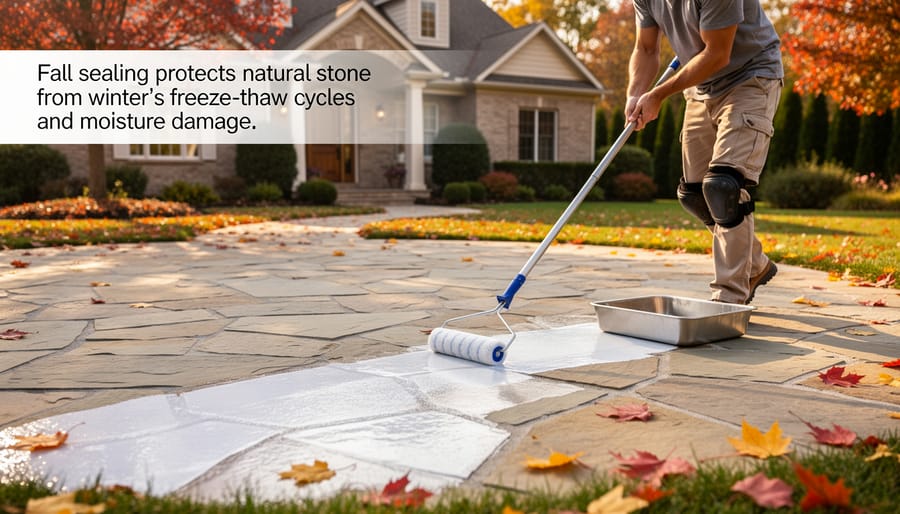
As temperatures drop, natural stone becomes increasingly vulnerable to freeze-thaw damage, making fall the critical window for protective sealing. When water penetrates unsealed stone and freezes, it expands by approximately 9%, creating internal pressure that causes spalling, cracks, and surface deterioration. Fall sealing protection prevents this costly damage before winter arrives.
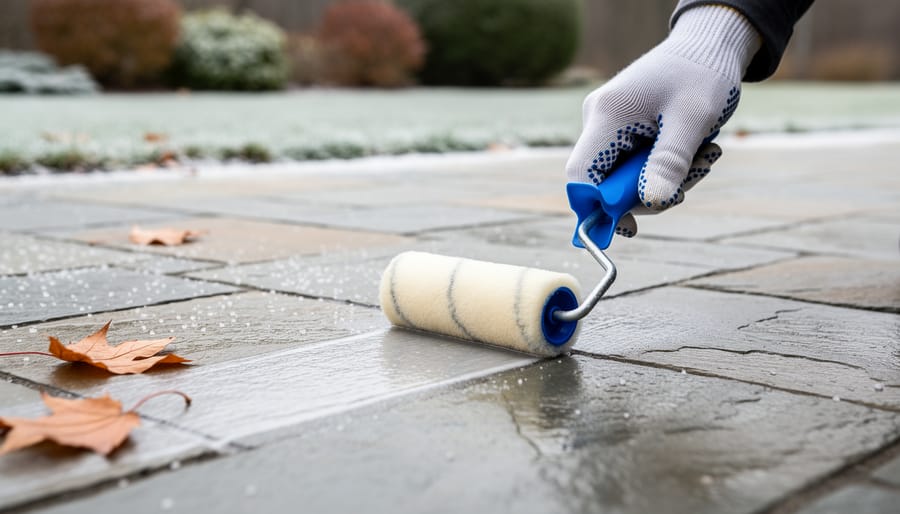
Penetrating sealers are your best defense against freeze-thaw cycles. Unlike topical coatings that sit on the surface, penetrating sealers absorb into the stone’s pores, creating a hydrophobic barrier while allowing vapor transmission. This breathability is essential—it lets trapped moisture escape while blocking new water infiltration. Look for products specifically formulated for freeze-thaw protection with silane or siloxane-based chemistry.
Timing matters significantly. Apply sealers when daytime temperatures consistently remain between 50-80°F and no rain is forecast for 24-48 hours. This typically means late September through mid-October in most climates. The stone must be completely dry before application, so allow several sunny days after any rain or cleaning. Plan to complete all sealing at least two weeks before your region’s first expected freeze for optimal curing and protection.
Drainage and Water Management
Water is natural stone’s most persistent adversary, making drainage management a critical year-round maintenance priority. Improper water flow can lead to staining, efflorescence, freeze-thaw damage, and structural compromise that develops gradually but causes significant harm.
Begin by inspecting all drainage pathways around your stone installations. Clear gutters, downspouts, and drainage channels of leaves, dirt, and debris that redirect water toward stone surfaces rather than away from them. Pay particular attention to areas where stone meets soil or landscaping—pooling water in these transition zones accelerates deterioration and promotes biological growth.
Check for standing water on patios, walkways, and pool decks after rainfall. Even shallow puddles indicate inadequate slope or settling that requires correction. Water should drain completely within a few hours to prevent absorption and freeze-thaw cycles in colder months.
Ice dams pose particular concern in winter climates. These formations trap melting snow against stone, forcing water penetration through microscopic pores. Ensure adequate attic insulation and ventilation to maintain consistent roof temperatures, and consider heat cables for particularly vulnerable areas. Remove snow accumulation promptly from stone surfaces before melting begins, using plastic shovels to avoid scratching.
Regular drainage maintenance protects your investment far more effectively than reactive repairs after water damage occurs.
Organic Debris Removal
As autumn approaches, fallen leaves and organic debris pose significant risks to outdoor stone surfaces. Left unattended, decomposing leaves release tannins that create stubborn brown stains, particularly on lighter-colored stones like limestone and marble. These acidic compounds penetrate porous surfaces, making stains increasingly difficult to remove over time.
Regular sweeping or blowing of leaves prevents accumulation in high-risk areas such as patios, walkways, and pool decks. Pay special attention to corners, joints, and areas under outdoor furniture where debris tends to collect. For existing stains, promptly clean affected areas with a pH-neutral stone cleaner and soft brush before winter sets in.
Before temperatures drop, thoroughly clean all outdoor stone surfaces to remove any remaining organic matter, dirt, and grime. This pre-winter cleaning is essential for preventing organic debris damage during freeze-thaw cycles. Use a pressure washer on appropriate settings for durable stones, or hand-clean more delicate materials to ensure surfaces enter winter in optimal condition.
Winter Maintenance: Minimize Damage
Safe De-Icing Practices
Winter ice poses a serious threat to natural stone, but traditional rock salt can cause even more damage through chemical erosion and surface pitting. The salt’s corrosive properties penetrate stone pores, leading to spalling, discoloration, and structural weakening over time. Fortunately, several stone-safe alternatives effectively manage ice without compromising your investment.
Sand remains one of the safest options for natural stone surfaces. While it doesn’t melt ice, sand provides excellent traction and poses zero chemical risk to your stone. Apply a thin, even layer across walkways and high-traffic areas, then sweep it away once temperatures rise.
Calcium magnesium acetate (CMA) offers a gentler chemical de-icing solution. This biodegradable compound effectively melts ice at temperatures down to 20°F while being significantly less corrosive than traditional salt. CMA works particularly well on limestone, marble, and other calcium-based stones that are especially vulnerable to salt damage.
For moderate conditions, consider using potassium chloride or calcium chloride in minimal amounts, though these should be used sparingly and swept away promptly after ice melts. Always remove any de-icing product residue as soon as possible, and rinse stone surfaces thoroughly during the first spring thaw to prevent long-term buildup and potential damage.

Snow Removal Best Practices
Winter snow and ice removal requires careful attention to prevent damage to natural stone surfaces. Always use plastic shovels or snow blowers with adjustable heights rather than metal tools that can scratch or chip stone. When shoveling, push snow in the direction of the stone’s grain and avoid aggressive scraping motions that can gouge surfaces.
For outdoor stone installations like patios, walkways, and steps, select deicing products carefully. Avoid traditional rock salt (sodium chloride), which can cause surface spalling and discoloration. Instead, opt for calcium magnesium acetate or sand for traction. If you must use a deicer, choose calcium chloride and apply sparingly, always following manufacturer guidelines.
Never pile snow directly against stone walls, columns, or facades. The freeze-thaw cycling as snow melts and refreezes creates expansion pressure that can crack mortar joints and damage stone edges. Maintain at least a six-inch clearance between snow piles and vertical stone surfaces.
For driveways and walkways, consider using rubber-edged snow removal equipment to minimize surface contact. After winter storms, promptly remove slush and standing water to prevent it from seeping into stone pores and causing internal damage during subsequent freeze cycles. Once temperatures rise above freezing, rinse treated areas thoroughly to remove any residual deicing chemicals.
Indoor Winter Considerations
Winter’s wet conditions pose unique challenges indoors as snow, ice, and de-icing salts get tracked across stone floors. Implement commercial-grade entrance mat systems that extend at least 12 feet from entry points to capture moisture and debris before they reach interior stone surfaces. These mats should feature both scraping and absorbent zones. Promptly wipe up tracked-in moisture and salt residue, as prolonged exposure can lead to surface etching on sensitive stones like marble and limestone, or leave unsightly white deposits on darker materials. Place absorbent mats in high-traffic transitional areas and establish a routine of frequent damp-mopping with pH-neutral cleaners to prevent salt accumulation. Check thresholds and transitions regularly for standing water that could seep beneath flooring and cause subflooring damage.
Stone-Specific Seasonal Considerations
Marble and Limestone Care
Marble and limestone require heightened vigilance throughout the year due to their calcium carbonate composition, which makes them particularly vulnerable to acid damage. During winter months, these stones face their greatest threat from de-icing salts and chemical treatments. Create protective barriers by applying a quality penetrating sealer before the first freeze, and reapply every 4-6 months rather than the standard annual schedule used for harder stones. When snow and ice arrive, opt for sand or calcium magnesium acetate instead of rock salt near marble and limestone surfaces. In spring, thoroughly rinse away any salt residue with pH-neutral cleaners to prevent etching and surface deterioration. Summer humidity can promote organic staining on these porous materials, making prompt cleanup of spills essential. Fall preparation should include professional assessment of any etching or damage that occurred during the year, as small issues compound quickly in acid-sensitive stones. Consider applying an additional sealer coat before winter if your stone experiences heavy foot traffic or exposure to harsh weather conditions.
Granite and Quartzite Maintenance
Granite and quartzite are among the most durable natural stones available, making them relatively low-maintenance choices for both interior and exterior applications. However, even these dense, hard materials benefit from a strategic seasonal care routine to preserve their beauty and performance over time.
The primary seasonal task for granite and quartzite involves resealing, typically once or twice annually depending on the stone’s location and use intensity. Spring is an ideal time for exterior granite to receive a fresh seal after winter freeze-thaw cycles, while fall sealing prepares surfaces for upcoming harsh weather. Indoor granite countertops generally require less frequent sealing—conduct a simple water test by placing droplets on the surface to determine if water beads up or absorbs, indicating whether resealing is needed.
Regular cleaning with pH-neutral stone cleaners prevents buildup that can dull the surface. For outdoor installations, spring cleaning should remove winter salt residue and organic debris, while fall maintenance focuses on clearing leaves and preventing staining from decomposing materials. These proactive seasonal steps ensure granite and quartzite maintain their structural integrity and lustrous appearance for decades with minimal intervention.
Slate and Travertine Seasonal Needs
Slate and travertine require heightened attention due to their distinct characteristics. Slate’s layered composition makes it susceptible to flaking in freeze-thaw cycles, particularly when moisture penetrates between layers. Apply penetrating sealers before winter in cold climates, and inspect for lifting edges after temperature swings. Travertine’s natural pitting and high porosity demand different strategies—fill open voids with appropriate compounds before winter to prevent ice damage, and reseal every 12-18 months in high-traffic areas. Summer heat can cause travertine to absorb pool chemicals or outdoor contaminants rapidly, requiring more frequent cleaning with pH-neutral products. Both stones benefit from textured surface maintenance using soft-bristle brushes rather than harsh scrubbing that can damage their delicate structures. In coastal environments, increase sealing frequency to combat salt exposure, while desert climates may require additional moisture barriers to prevent excessive drying and cracking. Monitor slate for color fading in intense sun exposure and consider UV-protective sealers for outdoor installations.
Creating Your Custom Seasonal Maintenance Calendar
Climate-Based Adjustments
Your maintenance schedule should flex with your climate zone to provide optimal protection. In regions with harsh winters, prioritize sealing in late fall and increase inspection frequency for freeze-thaw damage. Snow removal should use plastic shovels rather than metal to prevent scratching, and deicing salts must be avoided entirely—they cause severe surface deterioration and discoloration.
Humid summer climates demand increased attention to mold and mildew prevention. Apply breathable sealers that allow moisture vapor to escape while blocking liquid water, and clean stone surfaces monthly during peak humidity months. Adequate ventilation around stone installations helps prevent moisture accumulation.
Coastal environments require quarterly cleaning to remove salt deposits that can cause crystallization damage beneath the surface. Use pH-neutral cleaners specifically formulated for natural stone, as salt residue attracts moisture and accelerates weathering. Consider applying hydrophobic sealers for enhanced protection against salt spray.
Desert conditions present unique challenges with extreme temperature fluctuations and dust accumulation. Schedule resealing more frequently—every 12-18 months instead of the typical 2-3 years—as intense UV exposure and thermal stress degrade protective coatings faster. Regular dusting prevents abrasive particles from scratching surfaces during routine cleaning.
Record Keeping and Professional Support
Maintaining detailed records of your stone maintenance activities creates a valuable reference for future care decisions. Keep a simple log noting the date, weather conditions, products used, and tasks completed for each seasonal maintenance session. This documentation helps identify patterns, track product effectiveness, and establish accountability if problems arise.
Photography is equally important—capture high-resolution images of your stone surfaces from consistent angles at least once per season. These visual records reveal subtle changes in appearance, help detect early signs of damage like etching or staining, and provide before-and-after documentation when addressing issues. Date-stamp all photos and store them in an organized digital folder.
While many seasonal tasks are manageable for homeowners, recognize when professional intervention is necessary. Contact stone care specialists if you notice deep staining that home treatments cannot remove, structural cracks wider than hairline fractures, widespread efflorescence, significant lippage between tiles, or persistent moisture problems. Professionals bring specialized equipment, technical knowledge, and experience that prevent costly mistakes, particularly for restoration work or sealing large commercial installations.
Your natural stone surfaces represent a significant investment in beauty, durability, and timeless elegance. Protecting that investment doesn’t require elaborate efforts or specialized expertise—just consistent, proactive seasonal maintenance tailored to your climate and stone type. By following a structured seasonal schedule, you prevent minor issues from escalating into expensive repairs, preserve the natural characteristics that make your stone unique, and ensure your surfaces remain stunning for generations.
The difference between stone that ages gracefully and stone that deteriorates prematurely often comes down to the simple maintenance tasks performed at the right times. Spring cleaning removes winter damage, summer protection prevents heat stress, fall preparation safeguards against freeze-thaw cycles, and winter monitoring catches problems before they worsen. Each season plays a vital role in comprehensive stone care.
Don’t wait for visible damage to appear. Start your seasonal maintenance schedule today by assessing your stone’s current condition and identifying which seasonal tasks are most urgent for your climate zone. Mark your calendar with quarterly reminders, gather necessary supplies, and commit to giving your natural stone the attention it deserves throughout the year.