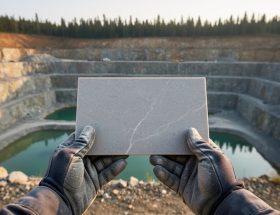

Understanding quarry stone size classifications transforms how you specify, purchase, and maximize the value of natural stone materials. Every piece extracted from a quarry—from monumental blocks weighing hundreds of tons to fine dust particles—serves a purpose in the circular economy of stone production.
Stone size charts categorize quarried material into distinct grades based on dimensional measurements, typically ranging from large architectural blocks (36+ inches) down to stone dust (passing through a #200 sieve). These classifications determine applications, from premium building facades and countertops to landscaping aggregate and soil amendments. When you grasp these categories, you make informed decisions about material selection, cost optimization, and project feasibility.
The classification system addresses a fundamental industry challenge: what happens to material that doesn’t meet dimensional stone standards? Approximately 50-70% of quarried rock becomes byproduct during extraction and fabrication. Rather than viewing this as waste, modern quarries apply size-based categorization to channel every fragment toward appropriate applications—crusher run for road base, riprap for erosion control, or aggregate for concrete production.
This comprehensive approach to stone sizing connects environmental stewardship with economic efficiency. Architects and designers who understand the full spectrum of quarry outputs can specify materials more strategically, while industry professionals optimize yield and profitability. Whether you’re sourcing premium slabs or exploring sustainable alternatives for hardscaping projects, knowing how quarries classify and utilize stone across all size ranges empowers better material choices and supports responsible resource management throughout the natural stone lifecycle.
Understanding Quarry Stone Size Classifications

Standard Size Categories and Measurements
Quarry stone materials are systematically categorized by particle size, creating distinct product categories that serve different applications. Understanding these classifications helps you specify the right material for your project while recognizing how quarries maximize resource efficiency.
Stone Dust (0-5mm / 0-0.2 inches)
The finest fraction consists of particles smaller than 5 millimeters. This powder-like material, also called quarry fines or screenings, serves as base material for pavers, walkways, and athletic surfaces. It also functions as a component in concrete production and soil amendments.
Chips and Aggregates (5mm-100mm / 0.2-4 inches)
This broad category divides into several subcategories. Fine aggregates range from 5-10mm, commonly used in concrete mixes and decorative applications. Medium aggregates span 10-40mm, ideal for drainage systems, concrete production, and landscaping. Coarse aggregates measure 40-100mm and serve in larger construction projects, gabion walls, and landscape features.
Dimension Stone (100mm+ / 4+ inches)
The premium category includes blocks and slabs cut to specific sizes for architectural applications. These pieces follow dimension stone standards and range from small tiles to massive building blocks. Standard slab dimensions typically measure 2400-3000mm length by 1200-1800mm width, with thickness varying from 20-30mm for tiles to 200mm or more for structural elements.
Visual Reference Guide
Small aggregates fit through your fingers, while medium aggregates approximate golf ball to tennis ball size. Coarse aggregates compare to grapefruits or larger. Dimension stone begins at the scale of standard building bricks and extends to monumental blocks weighing several tons. This progression demonstrates how quarries transform extracted material into diverse products serving multiple market segments.
How Quarries Generate Different Size Fractions
The journey from solid rock face to precisely sized stone fractions involves a carefully orchestrated series of extraction and processing steps. The process begins with primary blasting, where strategically placed explosives fragment large sections of the quarry face into manageable pieces, typically ranging from several feet to smaller boulders. These initial fragments then enter the crushing circuit.
Primary crushers, usually jaw or gyratory crushers, reduce the blasted rock to approximately 6-12 inches. The material then moves to secondary crushers, which further break down stones to 2-4 inches. For finer gradations, tertiary crushing and screening operations separate the material into specific size fractions according to industry standards.
Throughout this process, screening equipment with varying mesh sizes diverts stones into distinct categories—from large rip rap and cobbles down to fine aggregates and stone dust. Each pass through crushing and screening equipment generates multiple size fractions simultaneously, with conveyor systems directing each gradation to designated stockpiles. This methodical approach ensures quarries can produce the complete range of stone sizes demanded by different applications, from massive retaining wall stones to decorative pea gravel, all from the same parent rock extracted during initial blasting operations.
The Hidden Value in ‘Waste’ Stone Sizes
Stone Dust and Fines (Under 5mm)
Stone dust and fines represent material under 5mm that’s separated during the crushing and screening process. While often considered a byproduct, these particles have significant commercial value across multiple industries. In concrete production, stone dust serves as a partial replacement for sand, improving workability and reducing environmental impact. The fine gradation helps fill voids between larger aggregates, creating denser, more durable concrete mixes.
Manufactured stone producers utilize these fines as a primary ingredient, combining them with polymers or cement to create engineered products that replicate natural stone aesthetics. This application transforms waste material into premium architectural finishes. In landscaping, stone dust provides excellent base material for pavers and walkways, offering superior compaction and drainage compared to sand alone. The angular particles interlock effectively, creating stable surfaces that resist shifting.
As a soil amendment, stone dust improves drainage in clay-heavy soils while adding trace minerals beneficial for plant growth. Quarries increasingly market these fines as standalone products rather than waste, recognizing their versatility and environmental benefits. Proper utilization of stone dust exemplifies circular economy principles in the natural stone industry, maximizing resource efficiency while creating value from every fraction of quarried material.

Small Chips and Aggregates (5mm-50mm)
Small chips and aggregates ranging from 5mm to 50mm represent highly versatile stone materials with applications spanning both functional and decorative purposes. This size category bridges the gap between fine materials and larger landscaping stones, offering unique advantages across multiple industries.
In architectural applications, these aggregates shine in terrazzo flooring, where stone chips are embedded in cement or epoxy to create durable, polished surfaces with distinctive patterns. The size allows for visible texture while maintaining smooth walkability. Exposed aggregate concrete similarly utilizes this range, revealing decorative stone surfaces once the top cement layer is removed, popular in driveways, pathways, and modern exterior finishes.
Functionally, this size grade excels in drainage systems and French drains, where the particle size creates optimal void spaces for water flow while preventing soil infiltration. The stones are large enough to resist compaction yet small enough to distribute evenly.
Decorative landscaping applications include garden bed topdressing, water feature surrounds, and contemporary xeriscaping designs. The uniform size creates clean visual lines while suppressing weeds and retaining soil moisture. Available in various stone types including granite, marble, limestone, and colored aggregates, these materials offer designers considerable aesthetic flexibility while serving practical purposes in both residential and commercial projects.
Medium Stones and Irregular Pieces (50mm-200mm)
Medium stones ranging from 50mm to 200mm represent one of the most versatile size categories in quarry operations, finding widespread application across both structural and decorative projects. This dimension makes them ideal for gabion wall construction, where their size ensures proper structural integrity while allowing adequate water drainage. Landscape architects frequently specify these irregular pieces for creating naturalistic garden features, including dry creek beds, retaining walls, and ornamental borders that blend seamlessly with planted areas.
In mosaic work and decorative applications, medium stones provide visual impact while remaining manageable for installation. Their irregular shapes create authentic rustic aesthetics in pathway construction, outdoor fireplaces, and accent walls. Construction professionals value this size range for veneer work and as infill material in traditional stone masonry. The pieces are large enough to minimize installation time compared to smaller aggregates, yet small enough to handle without mechanical equipment. These stones also serve effectively in erosion control applications, stormwater management systems, and permeable paving solutions where both functionality and natural appearance matter.

Off-Spec Blocks and Slabs
Not every block or slab extracted from quarries meets premium grading standards, but that doesn’t diminish their value. Off-spec blocks and slabs—those with minor veining irregularities, color variations, or small imperfections—offer exceptional opportunities for cost-conscious projects without sacrificing natural stone’s inherent beauty and durability.
These materials excel in applications where character matters more than uniformity. Landscape designers incorporate them into retaining walls, garden features, and outdoor kitchens. Interior designers embrace their unique variations for accent walls, fireplace surrounds, and artisan countertops where distinctive patterns become focal points rather than flaws. Commercial projects benefit from significant cost savings on flooring, cladding, and paving applications where slight aesthetic variations blend naturally.
Value-engineered applications make strategic use of off-spec materials by placing them in less visible areas or combining them with premium-grade stone. This approach reduces overall project costs while maintaining quality standards where they matter most, demonstrating how thoughtful specification practices support both budget constraints and sustainability goals.
Implementing Circularity: From Waste Stream to Revenue Stream
Efficient Size Separation and Sorting Systems
Modern quarries employ sophisticated separation systems to categorize stone efficiently by size, ensuring each grade meets precise specifications. The process begins with vibrating screens, which use multiple deck levels with progressively smaller openings to separate material into distinct size categories. These screens can process hundreds of tons per hour, rapidly sorting crushed stone into everything from fine dust to large boulders.
Trommel screens offer another effective solution, particularly for round or irregular shapes. These rotating cylindrical devices use centrifugal force to separate materials as they tumble through perforations of varying sizes. For operations requiring precision, automated optical sorting systems now use sensors and high-speed air jets to identify and separate stones based on size, shape, and even color characteristics.
Grizzly feeders handle the initial separation of oversized material before it enters primary crushers, preventing equipment damage and improving overall efficiency. Many facilities integrate conveyor systems with inline sensors that monitor size distribution in real-time, automatically adjusting crusher settings to maintain consistent output.
The separated materials are then stockpiled by size grade, ready for quality control verification and eventual distribution to specific applications, from construction aggregate to decorative landscaping stone.
Value-Added Processing Options
Rather than discarding undersized or irregular quarry materials, modern stone processors employ various value-added treatments to create marketable products. Tumbling transforms angular fragments into smooth river rock alternatives, popular for landscaping and decorative applications. Stone pieces typically undergo barrel rotation with water and sometimes abrasive media for several hours to weeks, depending on desired finish.
Crushing operations convert larger waste pieces into specified aggregate grades for construction applications, including base materials, concrete mix, and decorative mulch. Controlled crushers produce consistent sizing that meets industry standards for different applications.
Washing and screening separate materials by size while removing clay, silt, and surface debris, improving both appearance and performance characteristics. This process is particularly valuable for producing clean landscape stone and drainage materials.
Color sorting through manual or automated systems groups stones by hue, creating uniform batches that command premium prices. Some processors apply surface treatments like thermal finishing or bush hammering to waste slabs, creating textured products suitable for specific design applications.
These processing methods not only reduce quarry waste but also generate diverse product lines. A single quarry operation can market everything from polished countertop material to crushed stone aggregate, maximizing resource utilization while meeting varied market demands across price points.
Market Development and Customer Education
Building markets for recycled quarry stone requires targeted outreach to landscape architects, construction firms, and environmental organizations seeking sustainable materials. Many professionals remain unaware that smaller stone fragments and quarry fines offer cost-effective alternatives to virgin materials. Educating specifiers about how crushed stone from quarry operations can serve as drainage aggregates, decorative mulch, or permeable paving materials opens new revenue streams while reducing landfill waste.
Case studies demonstrate success: A Pennsylvania quarry partnered with local municipalities to supply recycled stone for trail construction, creating consistent demand for previously discarded material. Similarly, landscape designers increasingly specify reclaimed stone chips for xeriscaping projects, valuing both sustainability credentials and natural aesthetics.
Customer education should highlight performance benefits alongside environmental advantages. Provide size charts showing how different grades suit specific applications, from fine dust for soil amendments to larger fragments for gabion walls. Workshops, digital resources, and sample kits help customers visualize possibilities. Transparent documentation of stone origin and processing builds trust, particularly when marketing to LEED-certified projects requiring recycled content verification.
Real-World Success Stories: Quarries Leading the Circular Economy
Case Study: Marble Dust to Artisan Products
A marble quarry in Carrara, Italy demonstrates how traditional waste becomes valuable inventory through strategic size classification. Facing mounting disposal costs for marble dust and fragments under 3mm, the quarry partnered with terrazzo manufacturers and decorative aggregate specialists to transform these materials into commercial products.
The operation implemented a multi-stage screening system that separates waste into precise categories: ultra-fine dust (under 0.5mm) for industrial fillers, fine aggregates (0.5-3mm) for terrazzo chips, and small fragments (3-10mm) for decorative landscaping. Previously discarded material now generates approximately 15% additional revenue while reducing landfill expenses by 80%.
The terrazzo chips have proven particularly successful, with architects and designers seeking authentic Carrara marble in smaller formats for flooring, countertops, and architectural precast elements. The quarry color-sorts these chips into whites, grays, and veined varieties, creating distinct product lines that command premium pricing.
For decorative aggregates, the 3-10mm fragments find applications in landscaping, garden paths, and interior design features like feature walls and planters. The quarry packages these in retail-friendly quantities, opening direct-to-consumer sales channels.
This case illustrates how understanding stone size classifications extends beyond primary product extraction. By applying the same systematic approach to waste materials, quarries can create circular economy opportunities that benefit both profitability and environmental stewardship, while providing designers with authentic natural stone options across multiple size ranges.
Case Study: Granite Chips in Landscape Architecture
In 2019, a Vermont granite quarry faced a common industry challenge: approximately 30% of their extracted material consisted of irregular chips and mixed-size fragments traditionally considered waste. Rather than relegating this material to landfills, the quarry partnered with landscape architecture firms to develop innovative hardscaping applications that embraced size variation.
The collaboration resulted in a comprehensive stone classification system tailored specifically for landscape design. Chips ranging from 0.25 to 3 inches became premium permeable paving materials, while 3 to 8-inch fragments found purpose in retaining walls and decorative features. This mixed-size approach proved ideal for sustainable drainage systems, as the varied dimensions created natural water infiltration pathways.
One notable project transformed a corporate campus in Massachusetts using 200 tons of previously discarded granite. Landscape designers incorporated multiple size grades into tiered rain gardens, walkways, and seating walls. The varied stone sizes provided visual texture while meeting LEED certification requirements for sustainable site development.
The economic impact proved significant. By creating market demand for previously underutilized material, the quarry reduced disposal costs by 65% and generated new revenue streams. Landscape architects benefited from cost-effective, locally sourced materials with authentic weathered character that new-cut stone cannot replicate.
This partnership demonstrates how understanding stone size classification extends beyond purchasing specifications. It reveals opportunities to transform quarry operations, support circular economy principles, and provide designers with sustainable material options that maintain the inherent beauty and durability of natural stone.

Environmental and Economic Benefits of Size-Based Waste Utilization
Reducing Quarry Environmental Impact
Modern quarries are revolutionizing their operations by utilizing the complete spectrum of stone sizes, significantly reducing their environmental impact. When quarries implement comprehensive size chart systems, they transform what was once considered waste into valuable products. This approach dramatically decreases the volume of material sent to disposal sites, minimizing land disturbance and the need for additional landfill space.
By designating specific applications for each size fraction—from dimension stone blocks to crushed aggregates and stone dust—quarries optimize resource extraction. Larger blocks become countertops and architectural features, mid-sized pieces serve as landscape materials, and the finest particles work as soil amendments or concrete additives. This full-spectrum utilization reduces transportation emissions by eliminating waste haul-offs and maximizing load efficiency.
The economic benefits mirror the environmental gains. Quarries generating revenue from multiple size categories reduce operational costs while supporting circular economy principles. For consumers and specifiers, choosing suppliers who embrace complete size utilization means supporting sustainable practices without compromising material quality or aesthetic appeal.
Financial Advantages for Quarry Operations
Strategic stone sizing delivers measurable financial benefits for quarry operations through optimized waste utilization. By converting previously discarded material into marketable products across various size classifications, quarries can transform a cost center into a revenue stream. Smaller crushed stone fractions, once considered byproducts, now command competitive prices in landscaping, construction aggregate, and decorative applications.
Industry data suggests that comprehensive size-grading systems can improve overall yield by 15-30%, significantly impacting profitability. The initial investment in screening and crushing equipment typically achieves ROI within 18-36 months, depending on operation scale and market demand. Additional revenue channels emerge from specialty products like terrazzo aggregates, gabion stone, and premium decorative materials that leverage specific size ranges.
Cost savings extend beyond product diversification. Reduced waste disposal fees, lower environmental compliance costs, and decreased landfill requirements contribute to operational efficiency. Quarries implementing circular economy principles report enhanced market positioning and increased customer loyalty, particularly among environmentally conscious architects and designers. This financial model demonstrates that proper stone classification isn’t merely an operational consideration but a strategic business decision that aligns economic performance with sustainable practices.
Quick Reference: Matching Stone Sizes to Applications
Understanding which stone size works best for your project ensures optimal performance, aesthetics, and cost-efficiency. This quick reference guide connects standard quarry classifications with their most suitable applications, helping you make informed decisions whether you’re specifying materials for a commercial plaza or selecting stone for a residential driveway.
| Stone Size Category | Diameter Range | Primary Applications | Key Benefits |
|---|---|---|---|
| Dust & Fines | Under 5mm | Base stabilization, filler material, soil amendment, concrete aggregate | Excellent compaction, fills voids, cost-effective |
| Pea Gravel | 5-15mm | Decorative landscaping, pathways, drainage systems, exposed aggregate concrete | Smooth texture, good drainage, walkable surface |
| Small Aggregate | 15-40mm | Concrete production, drainage layers, pipe bedding, erosion control | Structural integrity, versatile, readily available |
| Medium Stone | 40-75mm | Road base, driveway construction, French drains, decorative features | Load-bearing capacity, durability, effective drainage |
| Large Riprap | 75-200mm | Erosion control, retaining walls, shoreline protection, large-scale landscaping | Superior stability, erosion resistance, visual impact |
| Boulders | 200mm+ | Architectural features, monuments, property markers, naturalistic landscapes | Focal points, permanence, unique character |
When selecting stone sizes, consider project-specific factors including load requirements, drainage needs, aesthetic preferences, and local building codes. Many applications benefit from using multiple size grades together, creating optimal compaction and stability. Understanding these relationships allows architects and designers to specify materials that maximize both the functional performance and sustainability of natural stone while supporting circular economy principles through appropriate material utilization across all size categories.
Understanding the quarry stone size chart isn’t just about classification—it’s fundamental to transforming how the natural stone industry operates. Every piece of extracted material, from massive blocks to the finest dust, holds value when viewed through a circular economy lens. By accurately categorizing stone sizes and finding applications for each fraction, quarries can dramatically reduce landfill waste while creating new revenue streams and meeting growing market demand for sustainable materials.
The path forward requires industry professionals to shift their perspective from disposal to opportunity. Whether you’re an architect specifying materials, a quarry operator optimizing yields, or a designer seeking unique applications, recognizing the potential in every stone size creates possibilities for innovation. Sustainable quarry operations depend on this holistic approach.
Take action today: audit your material streams, explore unconventional applications for smaller fractions, and partner with industries that can utilize what was once considered waste. The quarry stone size chart is your roadmap to profitability and environmental stewardship working hand in hand.