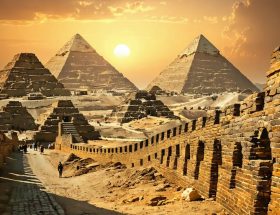

Long before architects conceived soaring cathedrals or sculptors shaped Renaissance masterpieces, ancient craftsmen were transforming raw stone into humanity’s earliest three-dimensional art. The oldest stone sculptures, dating back over 30,000 years, reveal not just artistic ambition but sophisticated understanding of geology, tool-making, and material properties that continue to inform how we work with natural stone today.
These prehistoric carvings represent more than historical curiosities. They demonstrate stone’s unique capacity to preserve human expression across millennia, a permanence that explains why civilizations from Egypt to Greece chose this medium for their most important structures and symbols. The Venus of Berekhat Ram, a basalt figure possibly 230,000 years old, and the Lion Man of Holohlenstein-Stadel, carved from mammoth ivory 40,000 years ago, showcase early humans selecting specific stone types for workability and durability—the same considerations driving material selection in contemporary architecture.
Understanding these ancient techniques provides practical insights for modern applications. Early sculptors recognized that different stones possess distinct grain structures, hardness levels, and fracture patterns. They developed percussion and abrasion methods that remain fundamental to stone fabrication today. Whether you’re specifying stone for a commercial project, restoring a historic structure, or selecting materials for residential design, these prehistoric innovations established principles that govern successful stone use: material selection based on intended purpose, respect for natural characteristics, and techniques that work with rather than against stone’s inherent properties.
The World’s Oldest Stone Sculptures in Temple Contexts
Göbekli Tepe: The 11,000-Year-Old Pioneer
Deep in southeastern Turkey, Göbekli Tepe stands as humanity’s earliest known temple complex, dating back approximately 11,000 years to the Pre-Pottery Neolithic period. This archaeological marvel predates Stonehenge by roughly 6,000 years and the Egyptian pyramids by 7,000 years, fundamentally reshaping our understanding of prehistoric civilization and stone carving capabilities.
The site features massive T-shaped limestone pillars, some weighing up to 20 tons and standing over 16 feet tall. What makes these monoliths extraordinary isn’t just their size, but the sophisticated relief carvings adorning their surfaces. Ancient craftsmen carved detailed depictions of foxes, lions, bulls, scorpions, and vultures directly into the limestone, demonstrating remarkable artistic skill and symbolic thinking that scholars once believed impossible for hunter-gatherer societies.
The pillars were quarried from nearby limestone bedrock using stone tools, then transported and erected in circular arrangements. Each enclosure contained a central pair of larger pillars surrounded by smaller ones, suggesting ceremonial significance. The three-dimensional animal reliefs show advanced understanding of form and proportion, with some creatures rendered in near life-size scale.
This prehistoric achievement challenges conventional timelines of human development, proving that complex stone carving and monumental architecture emerged far earlier than previously thought. The techniques pioneered at Göbekli Tepe demonstrate that working with natural stone has been central to human expression and architectural ambition for over eleven millennia, establishing a legacy that continues influencing designers and architects today.

Early Mesopotamian Temple Sculptures
Between 3500 and 539 BCE, Mesopotamian civilizations developed sophisticated stone carving techniques that established foundational principles still valued in architectural stonework today. The Sumerians and Babylonians transformed locally available limestone, alabaster, and basalt into monumental temple sculptures that served both protective and decorative functions.
Guardian figures, known as lamassu, emerged as iconic examples of Mesopotamian stone sculpture. These colossal hybrid creatures—typically featuring human heads, bull or lion bodies, and eagle wings—flanked temple and palace entrances. Carved from single limestone blocks weighing several tons, these sculptures demonstrated advanced quarrying and carving capabilities. The famous lamassu from Khorsabad, dating to approximately 720 BCE, stand over 16 feet tall and showcase the precision achievable with bronze and iron tools.
Temple interiors featured extensive decorative reliefs carved into stone walls and column bases. These narrative panels depicted religious ceremonies, mythological scenes, and royal achievements. The technique involved carefully controlled depth carving, creating dimensionality while maintaining structural integrity of the stone surface.
Modern architects and designers continue to draw inspiration from these ancient applications, recognizing how stone’s durability and visual impact create commanding entrance features and lasting architectural statements. The fundamental approach of combining protective function with aesthetic appeal remains relevant in contemporary stone installations.
Ancient Egyptian Temple Carving Techniques
Ancient Egyptian temple carving techniques established foundational methods that influenced stone sculpture for millennia. Beginning in the Old Kingdom (circa 2686-2181 BCE), Egyptian artisans developed sophisticated approaches to transforming limestone, granite, and sandstone into monumental temple reliefs and statuary.
The process began with careful stone selection from quarries along the Nile. Sculptors used copper and bronze tools, along with harder stones like dolerite for pounding, to rough out forms. For detailed work, they employed abrasive sand and water to achieve smooth surfaces and precise hieroglyphic inscriptions.
Egyptian carvers worked from standardized grid systems, ensuring proportional accuracy across massive temple walls. They typically carved in sunk relief, where figures were recessed below the surface, creating dramatic shadows in bright sunlight while protecting details from erosion. This technique proved remarkably durable, as evidenced by temples at Karnak and Luxor that retain crisp details after thousands of years.
The methods used in ancient temple sculptures demonstrate stone’s inherent longevity when properly carved and positioned. Modern stone professionals continue drawing inspiration from these time-tested techniques, particularly the Egyptian emphasis on material selection and strategic relief depth for exterior applications.
Stone Types and Carving Methods Used in Ancient Temple Sculpture
Preferred Stone Materials in Ancient Temples
Ancient temple builders selected stone materials based on three fundamental criteria: local availability, ease of carving, and long-term durability. Understanding these choices reveals how civilizations matched material properties to their artistic and structural ambitions.
Limestone emerged as the most popular choice for early sculptural work across multiple civilizations. Its relatively soft composition allowed ancient artisans to carve intricate details using bronze and copper tools. Egyptian sculptors favored fine-grained limestone from Tura quarries for detailed relief work and smaller statues, while the Great Sphinx demonstrates limestone’s suitability for monumental projects. The stone’s widespread availability along river valleys made it economically practical for extensive temple construction.
Granite represented the premium choice for sculptures requiring exceptional permanence. Though significantly harder to work, granite’s resistance to weathering made it ideal for exterior temple sculptures and obelisks. Ancient Egyptians transported massive granite blocks from Aswan quarries, investing tremendous labor to create sculptures that would endure millennia. The material’s crystalline structure produced a distinctive polished finish that conveyed power and prestige.
Sandstone offered a middle ground between workability and durability. Indian temple complexes extensively utilized sandstone for both architectural elements and intricate sculptural programs. Its layered structure facilitated controlled carving while providing adequate weather resistance in most climates.
Basalt, though challenging to carve due to its density, provided exceptional durability for civilizations with access to volcanic regions. Mesopotamian cultures employed basalt for boundary stones and relief sculptures that required permanent records.
Marble became increasingly prominent in later periods, particularly in Greek and Roman temples. Its fine grain enabled unprecedented sculptural detail, while its slight translucency created lifelike skin tones in finished statues. The material’s aesthetic qualities ultimately made it synonymous with classical sculpture.
Ancient Carving and Finishing Techniques
The ancient sculptors who created the world’s oldest stone artworks relied on surprisingly sophisticated tools and techniques that evolved over millennia. These craftspeople worked primarily with copper and bronze chisels, stone hammers, and wooden mallets to rough out basic forms from massive blocks. The process began with careful selection of stone types—limestone, sandstone, and softer volcanic rocks were favored for their workability before harder materials like granite became more common.
Copper chisels, often alloyed with small amounts of tin or arsenic for increased hardness, served as the primary cutting tools. Sculptors would strike these chisels with stone hammers to remove large chunks of material, gradually revealing the intended form. The technique required immense patience and skill, as one miscalculated blow could fracture the entire piece. Archaeological evidence suggests that ancient carvers used pointing systems—transferring measurements from clay models to stone using simple plumb lines and measuring rods.
For finer details and finishing work, artisans employed abrasive techniques using sand, crushed quartz, or emery mixed with water. This polishing process could take weeks or months, depending on the sculpture’s size and desired finish. Workers would rub these abrasives across the stone surface using leather pads, wooden blocks, or smooth stones, creating the refined surfaces that allowed cultural stories in stone to endure for thousands of years.
Archaeological finds reveal that tubular drills, powered by bow mechanisms, enabled sculptors to create deep holes and intricate hollow sections. These drills, combined with splitting techniques using wooden wedges that expanded when wetted, demonstrate the ingenuity of ancient stonecarvers whose methods laid the foundation for architectural traditions still valued today.

Functional and Symbolic Roles of Sculptural Stone Elements
Structural Stone Sculptures: Columns and Capitals
Ancient builders discovered that stone could serve dual purposes—bearing tremendous weight while showcasing artistic mastery. Carved columns and capitals represent some of humanity’s earliest functional sculptures, where engineering necessity merged with cultural expression.
The column capitals of ancient Egypt, particularly at Karnak Temple (circa 1400 BCE), demonstrate this principle magnificently. Massive sandstone columns featured lotus and papyrus capitals, carved to represent the plants of the Nile while supporting enormous stone architraves. Each capital weighed several tons yet displayed intricate botanical details that symbolized creation and rebirth.
Greek Doric columns from the 7th century BCE simplified this approach with geometric capitals that emphasized strength and proportion. The Romans later expanded these traditions, developing the ornate Corinthian capital with its acanthus leaf motifs. These carved elements weren’t merely decorative—their shape distributed weight efficiently across the column shaft, allowing ancient stone structures to achieve unprecedented heights and spans.
The carving process required exceptional skill. Sculptors worked directly on structural elements, understanding that mistakes could compromise building integrity. They used bronze chisels, abrasives, and measuring tools to ensure both aesthetic beauty and structural precision.
Today’s architects continue drawing inspiration from these ancient examples, recognizing that natural stone can fulfill multiple roles simultaneously. Modern stone fabrication technology allows even more precise integration of carved decorative elements with structural requirements, though the fundamental principle remains unchanged: stone sculpture can be both beautiful and functional, elevating architecture beyond mere shelter into enduring cultural statements.

Decorative and Religious Iconography
Ancient civilizations transformed stone into powerful religious statements that communicated complex spiritual narratives to both literate and illiterate populations. These carved messages in limestone, sandstone, and granite served as the primary medium for preserving and transmitting religious beliefs across generations.
Deity representations emerged as central features in temple sculpture, with forms ranging from the abstract to the highly detailed. Egyptian temples showcased colossal statues of gods like Ra and Osiris, carved from single blocks of granite and positioned to catch specific angles of sunlight during religious ceremonies. In Mesopotamian ziggurats, guardian figures called lamassu—winged bulls with human heads—flanked entranceways, carved from alabaster to ward off evil spirits and demonstrate divine protection.
Hindu temples developed particularly elaborate iconographic systems, with limestone and sandstone reliefs depicting multiple-armed deities in dynamic poses. The Ellora Caves in India demonstrate this complexity, where sculptors carved entire mythological scenes directly into basalt cliff faces, creating three-dimensional narrative sequences that devotees could follow through temple corridors.
Narrative reliefs functioned as visual scripture, documenting creation myths, heroic deeds, and moral lessons. Buddhist stupas featured sequential stone panels illustrating the life of Buddha, while Mayan temples employed intricate glyphs and figures carved in limestone to record historical events intertwined with religious significance. These sculptures weren’t merely decorative—they established sacred spaces where the divine and earthly realms intersected, a concept that continues to influence how we perceive monumental stone architecture today.
Preservation Challenges and What Ancient Methods Teach Us Today
Why These Ancient Sculptures Still Stand
The remarkable survival of ancient stone sculptures over millennia isn’t accidental—it’s the result of deliberate choices in material selection, strategic placement, and sophisticated construction techniques that modern engineers still admire today.
Ancient sculptors possessed an intimate understanding of stone properties, selecting materials based on density, grain structure, and weather resistance. Granite, with its crystalline composition and extreme hardness, became the material of choice for outdoor monuments in Egypt and India. Limestone and sandstone, while softer, were preferred for detailed carving and proved remarkably durable when properly positioned. These artisans tested stone quality by examining sound, color consistency, and natural fracture patterns before beginning work.
Placement decisions were equally crucial. Sculptors oriented works to minimize exposure to prevailing winds and positioned them to prevent water accumulation, which causes freeze-thaw damage and erosion. Many ancient temples incorporated drainage systems and protective overhangs that shielded sculptures from direct rainfall while maintaining visibility.
Construction techniques further enhanced longevity. Ancient builders used mortise-and-tenon joints, metal dowels, and precise stone-to-stone fitting that distributed weight evenly and prevented structural failure. The absence of modern adhesives actually proved advantageous—these mechanical connections allowed slight movement during earthquakes without catastrophic collapse.
These time-tested principles continue influencing contemporary stone design, where architects combine ancient wisdom with modern technology to create structures built for centuries, not just decades. Understanding why these sculptures endure helps us select and implement natural stone more effectively in today’s projects.
Lessons for Modern Natural Stone Applications
Ancient stone sculptors possessed remarkable knowledge about material properties and durability that remains relevant today. Their empirical understanding of stone selection, grain orientation, and structural integrity offers valuable lessons for contemporary projects.
The ancients chose specific stones based on local availability and intended purpose. Limestone and sandstone were favored for detailed carving due to their workability, while granite served structural roles requiring exceptional strength. This principle applies directly to modern stone applications, where matching stone type to function ensures longevity and performance.
Ancient sculptors always worked with the stone’s natural grain rather than against it, preventing fractures and maximizing strength. Today’s fabricators can apply this same principle when cutting slabs for countertops, facades, or flooring. Understanding how stress points interact with grain direction prevents cracking and extends service life.
The enduring condition of ancient sculptures demonstrates the importance of proper foundation and support systems. Many surviving works feature carefully engineered bases that distribute weight evenly and account for ground movement. Modern installations benefit from similar attention to substrate preparation and structural support, particularly for heavy cladding or monumental pieces.
Weather exposure patterns observed on ancient outdoor sculptures inform contemporary maintenance strategies. Protected areas show minimal deterioration compared to surfaces facing prevailing winds and rain. This knowledge guides placement decisions for exterior stone features and helps architects design protective overhangs or drainage systems that preserve stone beauty.
Finally, ancient techniques prove that quality craftsmanship and appropriate material selection create installations that last millennia rather than decades. While modern tools accelerate production, the fundamental principles of respecting material properties, ensuring proper support, and protecting against environmental stress remain unchanged. These time-tested approaches deliver superior results in residential and commercial projects, making natural stone a wise long-term investment.
Applying Ancient Stone Sculpture Principles to Modern Design
Selecting Durable Stone for Sculptural Elements
When selecting stone for sculptural architectural elements today, the durability principles demonstrated by ancient carvings remain highly relevant. Granite stands as the premier choice for exterior sculptures and decorative features, offering exceptional weather resistance and maintaining fine detail for decades. Its composition of quartz, feldspar, and mica creates a crystalline structure that withstands freeze-thaw cycles and atmospheric pollution far better than softer alternatives.
Marble continues to be favored for interior sculptural elements and protected exterior applications where its refined beauty can be appreciated without prolonged exposure to harsh elements. While more porous than granite, high-quality marble varieties like Carrara or Calacatta provide sufficient durability for covered porticos, interior columns, and decorative reliefs.
Limestone offers a middle ground, suitable for moderately exposed architectural carvings in temperate climates. Dense limestone varieties with low porosity perform admirably in fountains, friezes, and ornamental panels. However, avoid limestone in areas with acid rain or heavy freeze-thaw conditions.
Sandstone, while historically significant, requires careful consideration. Select only fine-grained, well-cemented varieties for sculptural work, and reserve them for protected locations. Understanding these material characteristics ensures your stone sculptures maintain their integrity and beauty for generations, echoing the endurance of ancient masterpieces.
Working with Stone Carvers and Fabricators
Collaborating with skilled stone carvers and fabricators transforms architectural visions into enduring reality, much as ancient craftsmen did millennia ago. When planning custom sculptural elements, begin by researching specialists who demonstrate proficiency with your chosen stone type, whether marble, granite, limestone, or sandstone. Review their portfolio for projects similar in scale and complexity to yours.
Effective communication proves essential. Provide detailed drawings, specifications, and reference images that clearly convey your design intent. Discuss the stone’s structural requirements, environmental exposure, and installation logistics early in the process. Experienced fabricators can advise on technical feasibility, suggest design modifications that enhance durability, and recommend stone selections based on your aesthetic and functional needs.
Visit the workshop when possible to examine mock-ups and approve critical stages before completion. This hands-on approach mirrors the collaborative methods employed in ancient temple construction, where architects and master carvers worked in close consultation.
Budget adequate time for custom work—quality stone carving cannot be rushed. Establish clear timelines, payment schedules, and quality benchmarks in your contract. The best fabricators honor traditional techniques while employing modern precision tools, ensuring your sculptural elements achieve the timeless beauty and structural integrity that has characterized stone sculpture for thousands of years.

The enduring presence of ancient stone sculptures stands as testament to natural stone’s unmatched longevity and artistic potential. From the Göbekli Tepe megaliths to the refined temple carvings of ancient civilizations, these works demonstrate how stone transcends mere construction material to become a medium for cultural expression and spiritual significance. The techniques pioneered by ancient craftsmen—understanding grain patterns, strategic cutting, and weathering resistance—continue to inform contemporary architectural practices.
Today’s architects and designers draw inspiration from these ancient achievements, recognizing that natural stone offers the same permanence and dignity that made temple sculptures endure for millennia. Modern applications benefit from advanced extraction and finishing technologies while honoring traditional principles of material selection and craftsmanship. Whether specifying stone for public monuments, sacred spaces, or residential projects, the lessons from ancient sculptures remain clear: properly selected and skillfully worked natural stone creates structures that withstand time, maintain aesthetic appeal, and carry profound meaning across generations. This legacy positions natural stone not as a relic of the past, but as an essential material for building our lasting architectural future.