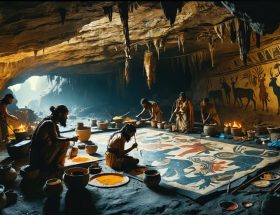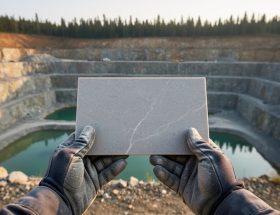
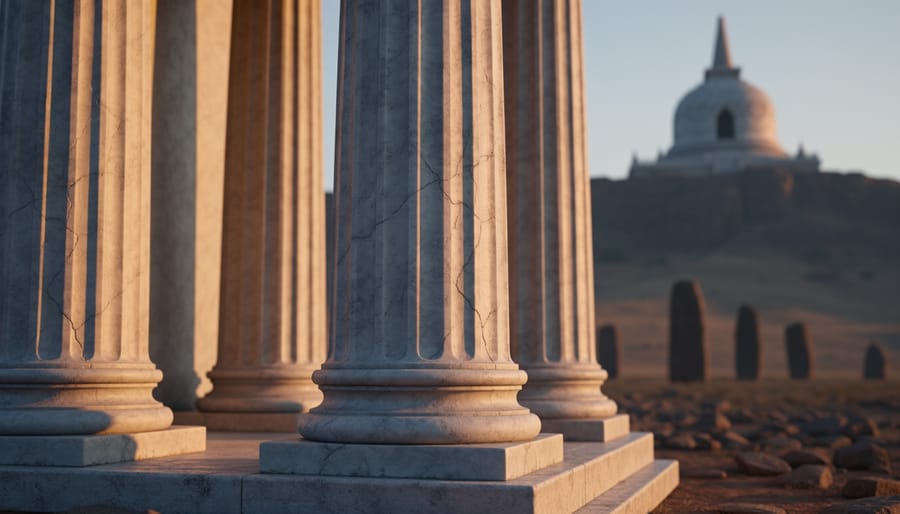
Stone has anchored humanity’s most sacred spaces for millennia, serving as silent witnesses to prayers, rituals, and spiritual transformations across every major civilization. From the megalithic circles of Stonehenge to Jerusalem’s Western Wall, from Buddhist stupas carved into mountainsides to the marble altars of Renaissance cathedrals, rock endures as the fundamental building block of religious architecture and ceremony.
This enduring relationship between stone and spirituality transcends mere practicality. While durability and permanence make stone an obvious choice for structures meant to last generations, the deeper connection lies in the sacred meanings of stone itself—its emergence from the earth, its transformation through human hands, its ability to absorb and reflect light, and its silent testimony to the passage of time.
Today’s architects, designers, and spiritual communities continue this ancient tradition, incorporating natural stone into meditation gardens, memorial spaces, places of worship, and contemplative environments. Understanding how different cultures have used specific stones—granite for strength and eternity, marble for purity and transcendence, limestone for accessibility and warmth—provides valuable insights for contemporary applications.
Whether you’re researching historical practices, designing a sacred space, or simply curious about why stone resonates so deeply in religious contexts, exploring this intersection of material and meaning reveals patterns that continue shaping our built environment and spiritual practices today.
The Sacred Stones That Built Our Spiritual Heritage
Marble: The Stone of Divine Beauty
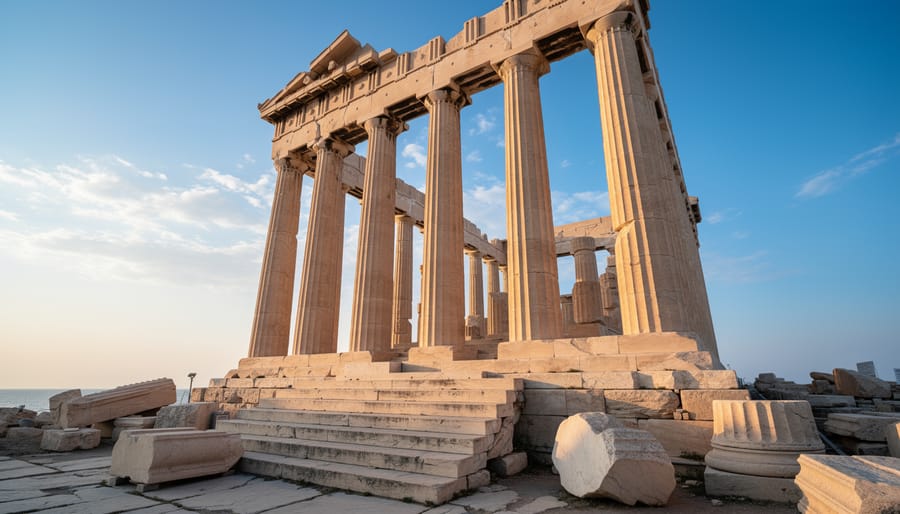
Marble has captivated religious architects for millennia, earning its place as one of the most revered materials in sacred construction. From ancient Greek temples dedicated to Zeus and Athena to Renaissance masterpieces like St. Peter’s Basilica, this luminous stone has embodied divine beauty and spiritual transcendence.
The Greeks recognized marble’s unique capacity to transform light, using it to create structures that seemed to glow with otherworldly radiance. The Parthenon’s Pentelic marble, which develops a golden honey tone over time, exemplified this aesthetic philosophy. This tradition continued through Roman times and experienced a magnificent revival during the Renaissance, when Michelangelo sourced pristine Carrara marble for both sculpture and architectural elements.
Marble’s symbolic association with purity stems from its crystalline structure and brilliant white varieties, though colored marbles have also held religious significance. The material’s veining patterns were often interpreted as divine signatures, unique marks that connected earthly structures to heavenly realms.
Beyond symbolism, marble offered practical advantages for religious architecture. Its workability allowed for intricate carvings and ornamental details that enriched worship spaces. The stone’s durability ensured that sacred structures would endure for generations, serving as permanent testaments to faith. Its cool surface and acoustic properties also enhanced the contemplative atmosphere within religious buildings, creating environments conducive to prayer and reflection.
Granite: Strength for Eternity
Granite has earned its place as the ultimate stone for eternal monuments through its exceptional durability and resistance to weathering. This igneous rock, formed deep within the Earth’s crust under intense heat and pressure, possesses a crystalline structure that can withstand millennia of exposure to the elements with minimal degradation.
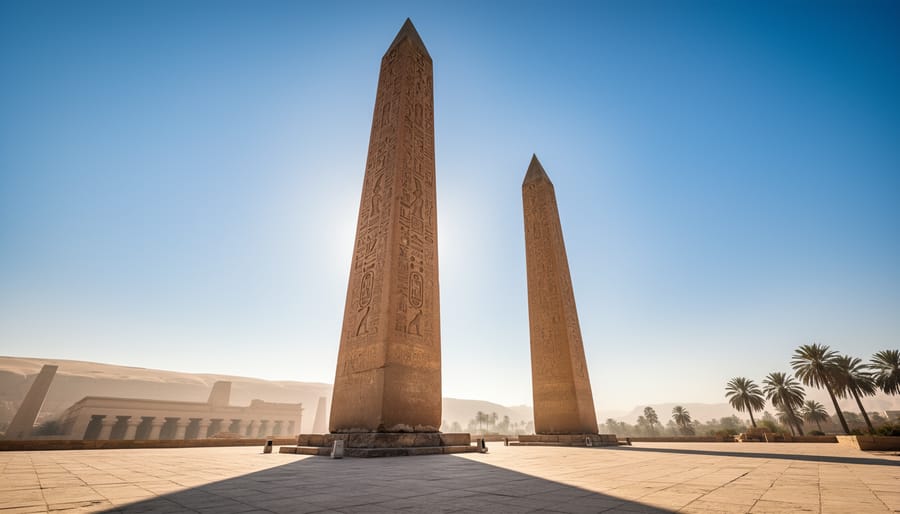
Ancient civilizations recognized granite’s permanence early on. The Egyptian obelisks, towering monuments carved from single granite blocks, have stood for over 3,500 years, their hieroglyphic inscriptions still legible today. These massive structures, some weighing hundreds of tons, demonstrate both the stone’s workability when freshly quarried and its remarkable hardness once fully cured.
In Buddhist architecture, granite served as the foundation for stupas across Asia. The Mahabodhi Temple in India and countless Korean pagodas showcase granite’s ability to support massive religious structures while maintaining structural integrity through centuries of seismic activity and monsoons.
The stone’s inherent strength made it ideal for sacred spaces designed to transcend human lifespans. Its resistance to acid rain, frost damage, and erosion meant that religious messages carved into granite would endure, fulfilling the spiritual imperative of preserving sacred teachings for future generations. Today, granite remains the preferred choice for memorial monuments and religious installations requiring permanence.
Limestone and Sandstone: Accessible Sanctity
Limestone and sandstone have served as the foundational materials for religious architecture across virtually every culture and continent. Their widespread availability and workability made them practical choices for builders, while their earthen origins carried deep symbolic meaning—connecting the sacred to the ground beneath our feet and reminding worshippers of humanity’s relationship with creation.
Limestone’s fine grain allows for intricate carving, which explains its prevalence in Gothic cathedrals throughout Europe, Hindu temples across India, and Islamic mosques from North Africa to Southeast Asia. The Great Pyramids of Giza, clad in limestone, originally gleamed white in the desert sun, visible for miles as beacons of divine authority. Similarly, sandstone’s warm hues and stratified layers have graced Buddhist stupas, Petra’s rock-cut temples, and countless Romanesque churches.
These sedimentary stones carry particular symbolic weight. Formed from accumulated layers over millennia, they represent patience, endurance, and the gradual work of faith. Their porosity allows them to weather and age gracefully, developing patinas that tell stories of centuries of devotion. In contemporary sacred spaces, architects continue choosing limestone and sandstone for their ability to create contemplative atmospheres while anchoring modern designs in timeless tradition.
What Makes a Rock ‘Religious’? The Spiritual and Practical Factors
Symbolic Qualities: Color, Texture, and Meaning
Throughout history, the physical properties of stone have carried profound spiritual significance. Color served as a primary vehicle for religious symbolism: white marble represented purity and divine light in Christian churches, while black basalt embodied mystery and the underworld in ancient Egyptian temples. Red sandstone evoked life force and sacrifice, making it a favored material for Hindu temples dedicated to active deities. The translucent quality of alabaster allowed light to filter through temple walls, creating an ethereal atmosphere that enhanced meditation and prayer.
Texture played an equally important role in conveying spiritual messages. Smooth, polished surfaces reflected the perfection of the divine realm, while rough, unhewn stones maintained their natural connection to earth’s primal forces. Many traditions specifically preserved uncut stones for sacred purposes, believing that human toolwork diminished spiritual potency. The weight and density of stone communicated permanence and reliability, assuring worshippers of enduring divine presence.
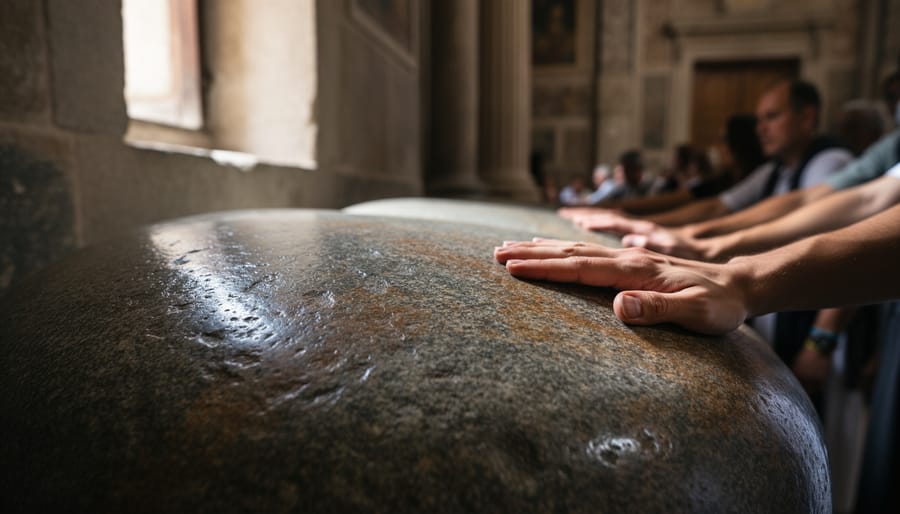
The tactile experience of touching sacred stones formed an integral part of religious practice. Pilgrims would run their hands over holy rocks, seeking healing, blessing, or connection with the divine. The coolness of stone against skin provided physical confirmation of contact with something beyond ordinary experience. These sensory qualities transformed stone from mere building material into active participants in spiritual encounters, creating multidimensional experiences that engaged sight, touch, and even sound as footsteps echoed through stone sanctuaries. Understanding these symbolic dimensions helps contemporary designers create spaces that resonate with timeless spiritual significance.
Durability and Permanence as Sacred Values
When ancient civilizations chose stone for their most sacred structures, they weren’t simply making a practical construction decision. The permanence of stone embodied a profound spiritual truth: the divine is eternal, and earthly expressions of faith should reflect that timelessness.
Religious leaders and builders understood that materials conveyed meaning. While wood decayed and mud-brick crumbled, stone endured across generations. This longevity made stone the natural choice for housing divine presence, preserving sacred texts, and marking holy ground. The Egyptian pyramids, Stonehenge, and Jerusalem’s Western Wall stand today as testament to this principle—their continued existence validates the original spiritual investment.
The durability of stone also represented unwavering faith. Constructing a temple that would outlast its builders demonstrated commitment to beliefs that transcended individual human lifespans. Each carefully placed stone became a declaration of eternal truth, meant to inspire reverence in countless future generations.
This concept of “building for eternity” influenced material selection, construction techniques, and architectural design throughout religious history. Communities dedicated enormous resources to quarrying, transporting, and shaping stone because the permanence justified the effort. The physical endurance of stone spaces continues to inspire contemporary sacred architecture, where natural stone remains the preferred material for conveying timelessness and spiritual gravity.
Local Availability Versus Imported Prestige
Throughout history, religious communities have faced a fundamental choice: use locally available stone or import prestigious materials from distant quarries. Indigenous stones offered practical advantages—lower costs, shorter transport times, and immediate availability—while demonstrating respect for the sacred character of local landscapes. Many cultures believed their homeland stones possessed inherent spiritual power, making distant materials unnecessary.
However, imported stone frequently signaled devotion, wealth, and connections to broader religious networks. Ancient temples often combined local foundation stones with exotic veneers and decorative elements. Egyptian temples paired local limestone with imported granite for sacred chambers. Medieval European cathedrals used regional building stone but imported rare marbles for altars and reliquaries.
This balance reflected both theological and practical considerations. Communities demonstrated commitment through the effort and expense of acquiring distant materials, while maintaining economic sustainability through local stone for primary construction. Today’s sacred spaces continue this tradition, thoughtfully combining locally-sourced stone with select imported materials to create environments that honor both place and purpose.
Religious Stones Across World Traditions
Christian Cathedrals and Churches
Stone selection fundamentally shaped the evolution of Christian worship spaces across centuries. Romanesque churches, built from the 10th to 12th centuries, relied heavily on locally quarried limestone and sandstone. These dense materials supported thick walls and rounded arches, creating the fortress-like solemnity characteristic of early medieval architecture.
The Gothic revolution introduced limestone’s transformative potential. Builders discovered that fine-grained limestone from quarries like those in Caen, France, could be carved with unprecedented precision. This enabled soaring vaulted ceilings, intricate flying buttresses, and delicate tracery windows that flooded interiors with light. The stone’s workability made possible the vertical aspirations of cathedrals like Notre-Dame and Chartres.
Marble emerged as the material of Renaissance and Baroque grandeur. Italian Carrara marble adorned St. Peter’s Basilica, while colored marbles from across Europe created elaborate inlays and columns that emphasized divine magnificence through material luxury.
Modern churches continue this tradition with contemporary materials. Granite’s durability serves minimalist designs, while architects combine traditional limestone with glass and steel, proving that stone remains essential to sacred architecture’s ongoing evolution.
Islamic Architecture: Geometry in Stone
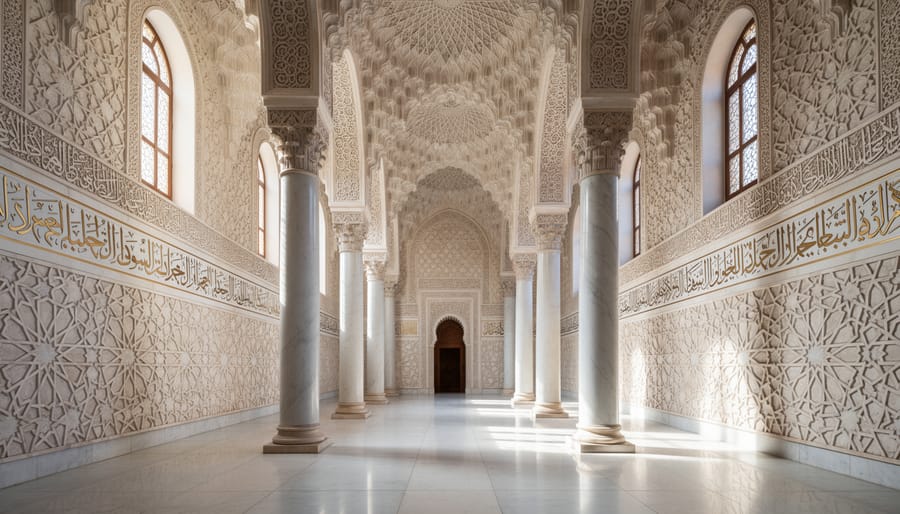
Islamic architecture showcases stone as a canvas for divine expression, where geometry and calligraphy transform marble, alabaster, and limestone into spiritual masterpieces. From the intricate marble inlays of the Taj Mahal to the alabaster screens of Cairo’s mosques, stone serves as the primary medium for Islamic artistic principles.
Marble dominates Islamic sacred architecture due to its luminous quality and workability. White Carrara and locally sourced varieties create striking contrasts in geometric patterns called girih, which symbolize the infinite nature of creation. These complex tessellations, often incorporating stars and polygons, required exceptional stone-cutting precision and mathematical understanding.
Alabaster appears frequently in window screens and decorative panels, where its translucency creates ethereal lighting effects that enhance the contemplative atmosphere. The stone’s soft texture allows for detailed carving of Quranic verses and arabesques.
Colored marble and semi-precious stones form pietra dura inlays, creating floral motifs and calligraphic inscriptions that adorn mihrabs, domes, and walls. These applications demonstrate how stone transcends mere construction material to become a vehicle for spiritual communication and artistic expression.
Contemporary mosque designs continue this tradition, adapting classical stonework techniques to modern architectural contexts while maintaining the symbolic importance of natural stone in Islamic sacred spaces.
Hindu and Buddhist Temples: Carved Devotion
South and Southeast Asian temples showcase some of history’s most intricate stone carving traditions. Sandstone became the preferred material for many early Hindu temples due to its workability, allowing artisans to create elaborate facades depicting deities, mythological scenes, and celestial dancers. The Khajuraho temples in India exemplify this mastery, with every surface transformed into narrative art.
Granite, though harder to carve, provided durability for massive temple complexes like those at Mahabalipuram, where entire structures were carved from single rock outcrops. These monolithic achievements demonstrate both technical skill and spiritual devotion.
Marble brought luminous beauty to later temples, particularly Jain shrines where translucent white stone symbolized purity. The delicate filigree work at Ranakpur and Dilwara temples creates an almost lace-like effect, with marble transformed into impossibly intricate screens and domed ceilings.
In Southeast Asia, Angkor Wat combined sandstone and laterite, creating the world’s largest religious monument. The extensive bas-reliefs covering its galleries required generations of skilled stonemasons, establishing stone carving as both artistic expression and sacred practice that continues influencing contemporary religious architecture today.
Indigenous and Ancient Sacred Sites
For millennia, indigenous cultures and ancient civilizations have recognized the inherent power of stone to mark sacred ground and connect earthly and spiritual realms. Stonehenge in England remains one of the most iconic examples, where massive sarsen stones and bluestones transported from distant quarries created astronomical alignments and ceremonial spaces around 3000 BCE. Similarly, Native American medicine wheels across the Great Plains used carefully arranged stones in circular patterns to honor the four directions, mark celestial events, and facilitate healing ceremonies.
Other prehistoric stone circles dot the landscape from Scotland’s Ring of Brodgar to Peru’s stone formations at Sillustani. These sites share common features: deliberate orientation to solar or lunar events, use of locally significant stone types, and placement in landscapes considered spiritually charged. The selection of specific stones often held symbolic meaning, with certain rock types believed to possess unique energies or connections to ancestral spirits. Modern archaeological research continues to reveal the sophisticated astronomical and geographical knowledge embedded in these ancient stone arrangements, demonstrating that our ancestors understood both the practical and metaphysical properties of stone.
The Ceremonies and Rituals Involving Sacred Stones
Altar Stones and Consecrated Surfaces
Throughout religious history, specific stones have been selected for altars based on their durability, symbolic purity, and spiritual significance. The choice of material wasn’t arbitrary—these surfaces served as the literal foundation for sacramental acts and required inherent qualities that reflected their sacred purpose.
In Christian tradition, altar stones were historically required to be natural, unhewn rock or single pieces of stone, often marble or granite. The Catholic Church mandated that portable altar stones contain relics of saints sealed within them, while the surface itself needed to be smooth, stable, and capable of withstanding consecrated oils. Marble became particularly favored for its white purity, density that prevented absorption of sacred substances, and fine grain that could be polished to create an unbroken surface.
Eastern Orthodox churches similarly emphasized natural stone, viewing it as connecting earthly worship to the eternal foundation of faith. Granite and basalt provided the permanence and strength symbolizing immovable devotion, while their natural formation represented divine creation untouched by human manipulation.
Jewish tradition required altar stones to remain uncut by metal tools, as referenced in Exodus 20:25, emphasizing the raw, God-given nature of the material. This specification influenced stone selection toward naturally flat sedimentary rocks or fieldstones that required minimal modification.
The material choice transcended aesthetics—these stones embodied theological principles of purity, permanence, and divine connection essential to sacred ritual.
Pilgrim Stones and Holy Touchstones
Throughout religious sites worldwide, certain stones bear witness to centuries of devotion through the polished surfaces created by countless pilgrims’ touches. The phenomenon of tactile veneration transforms ordinary rock into smooth, lustrous surfaces that record human faith through physical wear patterns.
The practice of touching sacred stones stems from the belief that physical contact channels spiritual energy or blessing. At the Western Wall in Jerusalem, limestone blocks show visible erosion where millions of hands have pressed against them in prayer. Similarly, the Stone of Scone in Scotland and the Black Stone of the Kaaba in Mecca demonstrate how ritual touching becomes part of religious practice across cultures.
This tactile tradition reveals humanity’s instinct to forge tangible connections with the divine. The smoothness itself becomes evidence of accumulated devotion, creating what anthropologists term “proof of faith” through material transformation. Each touch represents an individual prayer, hope, or moment of reverence, collectively reshaping the stone’s surface over generations.
For architects designing contemporary sacred spaces, this phenomenon offers valuable insight into material selection. Stones chosen for high-touch areas should consider both durability and the aesthetic evolution that comes with use. Marble, limestone, and certain granites develop particularly beautiful patinas through handling, creating living surfaces that visually document ongoing spiritual engagement. Understanding how pilgrims interact with stone helps designers create spaces that honor both ancient traditions and modern worship practices.
Modern Sacred Spaces: Continuing the Stone Tradition
Contemporary Houses of Worship
Modern houses of worship demonstrate remarkable creativity in incorporating natural stone, balancing tradition with contemporary design sensibilities. These innovative spaces show how stone continues to serve spiritual communities while addressing current architectural needs.
The Sancaklar Mosque in Istanbul, Turkey, exemplifies minimalist sacred architecture. Designed by Emre Arolat, this subterranean structure features raw concrete walls contrasted with local limestone flooring that guides worshippers through the prayer space. The stone’s natural texture and color variation create an atmosphere of contemplation without ornate decoration.
In Jerusalem, the Yad Vashem Holocaust History Museum uses rough-hewn basalt and locally quarried Jerusalem stone to honor memory and reflection. The building emerges from the landscape, with stone walls that seem to grow organically from the surrounding terrain, creating a powerful connection between earth, history, and remembrance.
The Cardedeu Parish Church near Barcelona showcases innovative stonework through its striking facade of stacked slate pieces, creating a pixelated effect that plays with light and shadow throughout the day. This approach transforms traditional materials into contemporary architectural expression while maintaining the gravitas expected of sacred spaces.
The Islamic Center of Greater Cincinnati features Indiana limestone cladding combined with intricate geometric patterns inspired by traditional Islamic art. The stone provides durability and timeless elegance while allowing for detailed ornamental work.
These case studies reveal common themes: natural stone grounds contemporary worship spaces in authenticity, provides acoustic benefits for prayer and song, offers thermal mass for energy efficiency, and creates tactile connections that enhance the spiritual experience. Whether through dramatic cantilevers, textured walls, or carefully considered flooring, modern architects continue discovering new possibilities within ancient materials.
Sustainable Sourcing for Sacred Purposes
Modern religious institutions increasingly recognize that sacred materials should reflect sacred values, including environmental stewardship. This awareness has prompted many organizations to carefully evaluate their stone sourcing practices, ensuring materials align with both spiritual teachings and ecological responsibility.
Ethical quarrying has become a priority for faith communities commissioning new spaces or restoration projects. Many religious groups now require documentation of extraction methods, seeking suppliers who practice land reclamation, minimize water waste, and provide fair labor conditions. Several denominations have developed formal guidelines for material procurement that explicitly address sustainability criteria.
The durability of natural stone actually supports sustainable building practices. A limestone altar or granite baptismal font can serve congregations for centuries, eliminating the need for replacement and reducing long-term environmental impact. This longevity aligns with religious principles of responsible resource use and consideration for future generations.
Some progressive quarries now work directly with religious institutions, offering transparent supply chains and certifications that verify sustainable practices. These partnerships allow faith communities to maintain traditional material choices while honoring contemporary ethical standards. Indigenous communities, whose spiritual practices have long emphasized respect for earth’s resources, are increasingly consulted in sourcing decisions, bringing valuable perspectives on reciprocal relationships with stone and land.
This integration of ancient tradition with modern responsibility demonstrates how timeless materials can serve evolving values.
Choosing Stone for Your Sacred or Contemplative Space
Selecting Stone for Spiritual Ambiance
Choosing the right stone for sacred spaces requires thoughtful consideration of multiple elements that work together to create a contemplative environment. Color plays a fundamental role in establishing mood and meaning. White marbles like Carrara evoke purity and transcendence, while darker granites such as Absolute Black convey solemnity and permanence. Warmer tones like Jerusalem limestone or travertine bring earthiness and accessibility to worship spaces.
Surface finish dramatically affects both visual impact and spiritual ambiance. Polished surfaces reflect light, creating brightness and openness suitable for celebratory spaces. Honed or brushed finishes offer subtle elegance and reduce glare, promoting quiet reflection. For floors in meditation areas, thermal or textured finishes provide safety while maintaining aesthetic integrity.
Acoustic properties deserve careful attention in religious architecture. Dense stones like granite absorb sound differently than porous limestone or travertine, affecting how prayer, music, and spoken word resonate within the space. Consider combining stone types strategically—solid walls for sound control with carefully placed openings for desired acoustics.
Cultural resonance ensures authenticity and connection. Research traditional stone choices within specific religious contexts. Islamic architecture often features intricate marble work, while Buddhist temples may incorporate local granite. Hindu temples traditionally use specific stones believed to hold sacred properties. Using culturally appropriate materials demonstrates respect and deepens the spiritual experience for worshippers.
Consult with religious leaders, architects experienced in sacred design, and stone suppliers familiar with your project’s unique requirements to make informed selections that honor both tradition and function.
Maintenance of Stone in Sacred Settings
Maintaining stone in sacred settings requires thoughtful approaches that honor both the material’s physical needs and its spiritual significance. Regular care prevents deterioration while preserving the reverent atmosphere these spaces demand.
For routine cleaning, use pH-neutral cleaners specifically formulated for natural stone, avoiding harsh chemicals that can damage surfaces or leave residues. Soft microfiber cloths or natural bristle brushes work best for gentle cleaning without scratching. In worship spaces, schedule maintenance during non-service hours to minimize disruption and maintain the contemplative environment.
Water-based stains from candle wax, incense residue, or ceremonial oils require prompt attention. Blot spills immediately with clean, absorbent cloths rather than wiping, which can spread the stain. For stubborn marks, consult stone restoration professionals who understand both the technical requirements and cultural sensitivities involved.
Protect high-traffic areas like altar steps or prayer stone surfaces with breathable sealers that prevent staining while allowing the stone to naturally regulate moisture. Reapply sealers according to manufacturer recommendations, typically every one to three years depending on usage intensity.
Consider establishing care protocols that involve faith community members, creating meaningful connection between caretaking and spiritual practice. This approach honors the stone’s sacred role while ensuring its longevity for future generations. Document cleaning schedules and methods to maintain consistency and preserve institutional knowledge about these important materials.
Working with Stone Professionals
When commissioning stone for religious spaces, seek craftspeople who appreciate both material properties and sacred significance. Experienced stone professionals understand how different stones respond to carving, weathering, and placement while respecting the spiritual intentions behind each project. Look for artisans with portfolios demonstrating work in houses of worship, meditation gardens, or memorial spaces. Ask about their experience with specific stone types relevant to your tradition—granite for durability in outdoor shrines, marble for altar pieces, or locally-sourced stone that connects to regional spiritual practices. The best collaborators will discuss not only technical specifications like load-bearing capacity and finish options, but also how lighting, orientation, and surrounding elements enhance the stone’s contemplative qualities. Request references from religious institutions they’ve served, and visit completed projects when possible. A skilled stone professional becomes a partner in creating spaces that honor both architectural excellence and spiritual purpose, ensuring installations that endure physically and resonate meaningfully for generations of worshippers.
Throughout human history, stone has remained the unwavering material of choice for our most sacred spaces. This enduring relationship between geology and spirituality extends far beyond mere practicality. While stone certainly offers durability and permanence that wood or clay cannot match, its selection for temples, shrines, and monuments speaks to something deeper in the human psyche.
The geological timescale of stone formation—millions of years compressed into crystalline structures and layered sediments—mirrors humanity’s aspirations for eternity. When we carve prayers into granite or build cathedrals from limestone, we’re participating in a dialogue between human temporality and earthly permanence. Stone becomes a bridge between the fleeting moment and the eternal, the physical and the transcendent.
The next time you encounter stone in a sacred space, whether it’s the polished marble of a cathedral floor, weathered sandstone of an ancient temple, or river rocks arranged in a meditation garden, take a moment to consider the layers of meaning embedded within. Feel the coolness of the surface, notice the subtle variations in color and texture, and recognize that you’re touching material older than civilization itself, shaped by both geological forces and human intention.
This convergence of natural permanence and spiritual aspiration explains why stone continues to anchor our most meaningful spaces. It grounds us in the physical world while pointing toward something beyond it, serving as humanity’s preferred medium for expressing the inexpressible and preserving what we hold most sacred.