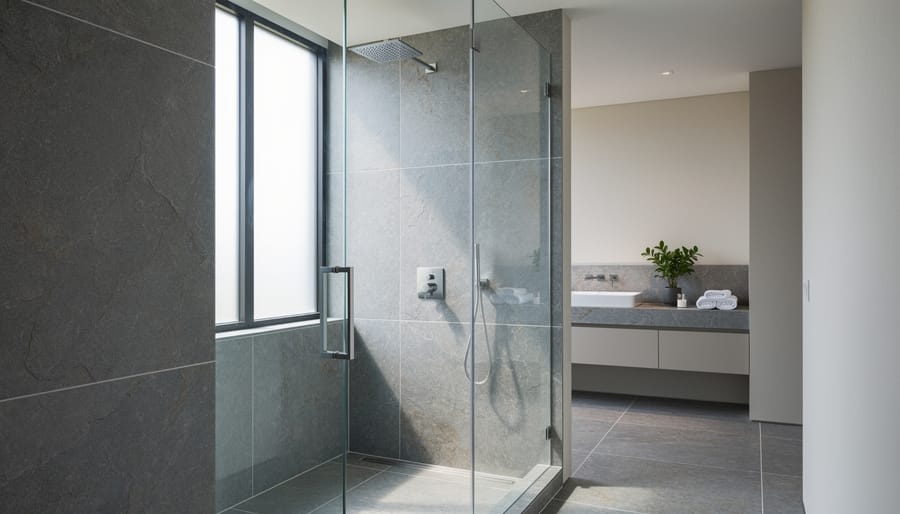
Natural stone showers transform bathrooms into allergen-resistant sanctuaries that actively combat the health hazards lurking in conventional shower materials. While synthetic tiles and grout harbor mold spores, release volatile organic compounds, and trap allergens in microscopic crevices, natural stone provides a non-porous barrier that resists biological growth and maintains superior indoor air quality.
The health implications are significant. Traditional bathroom materials emit formaldehyde and other chemicals that accumulate in enclosed, humid spaces. Grout lines become breeding grounds for mildew and bacteria, triggering respiratory issues and allergic reactions. Natural stone eliminates these concerns through its inherent composition—containing zero synthetic additives, no chemical off-gassing, and minimal grout requirements when installed with tight seams.
Granite, quartzite, and slate lead as the most hypoallergenic options. These dense stones resist moisture penetration, prevent bacterial colonization, and require only pH-neutral cleaners for maintenance. Marble and limestone, while beautiful, demand more careful sealing protocols to maintain their protective properties in high-moisture environments.
The installation approach determines long-term health benefits. Large-format slabs minimize grout lines where contaminants collect. Epoxy-based grouts outperform cement varieties by preventing water absorption. Professional waterproofing membranes create additional protection layers that keep shower walls completely dry behind the stone surface.
This comprehensive guide examines which natural stones provide optimal hypoallergenic performance, proper installation techniques that maximize health benefits, and maintenance protocols that preserve your shower’s allergen-resistant properties for decades.
The Hidden Allergen Problem in Traditional Showers
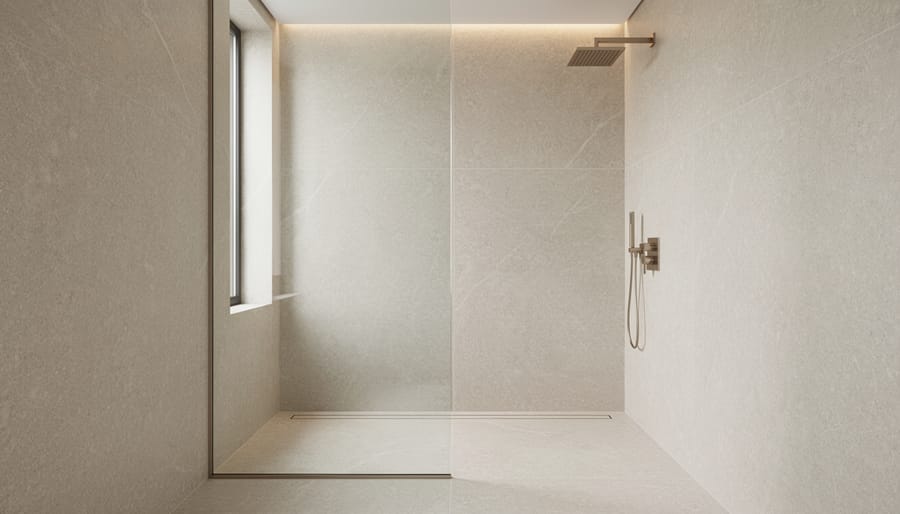
Grout Lines: A Haven for Allergens
Traditional grout lines in shower installations create an ideal breeding ground for common allergen triggers. These narrow crevices between tiles function as moisture traps, where water pools and evaporates slowly, maintaining the damp conditions that mold and mildew thrive in. The porous nature of standard cement-based grout absorbs water, soap residue, and body oils, creating a nutrient-rich environment for bacterial growth.
Once established, mold colonies release spores into the shower air with each use, which occupants then inhale. These microscopic particles can trigger allergic reactions, asthma attacks, and respiratory irritation, particularly in sensitive individuals. Bacteria such as Staphylococcus and Pseudomonas also colonize these grout lines, posing additional health concerns.
The texture of grout makes thorough cleaning difficult. Even aggressive scrubbing often fails to remove contaminants embedded deep within the porous material. Over time, discoloration signals not just aesthetic decline but the accumulation of biological matter. This ongoing cycle transforms what should be a clean, rejuvenating space into a potential source of indoor air quality problems that affect the entire household.
Chemical Sensitivities and Synthetic Materials
Many synthetic materials commonly used in shower construction release volatile organic compounds (VOCs) and chemical irritants that can compromise indoor air quality. Acrylic shower pans, fiberglass enclosures, and engineered stone surfaces often contain resins, adhesives, and sealants that off-gas formaldehyde, toluene, and other harmful chemicals, particularly in the warm, humid bathroom environment. These emissions can trigger respiratory irritation, headaches, and allergic reactions in sensitive individuals.
Natural stone offers a chemical-free alternative that eliminates these concerns entirely. Granite, marble, and slate are inert materials that contain no synthetic binders or chemical additives. They don’t off-gas VOCs or release airborne irritants, making them ideal for individuals with multiple chemical sensitivities or those prioritizing healthier indoor environments. When properly sealed with low-VOC or zero-VOC sealers, natural stone showers maintain their chemical neutrality while providing necessary water resistance. This makes stone an excellent choice for creating truly hypoallergenic bathroom spaces that support long-term respiratory health and overall wellbeing.
Natural Stone’s Hypoallergenic Properties
Dense, Non-Porous Surfaces When Properly Sealed
When properly sealed, natural stone transforms into a dense, non-porous barrier that effectively resists moisture penetration and allergen accumulation. The sealing process fills the microscopic pores inherent in natural stone, creating a protective layer that prevents water, mold spores, dust mites, and other allergens from embedding themselves within the material’s surface.
Unlike grout lines or porous materials that can harbor allergens deep within their structure, sealed natural stone presents a smooth, impenetrable surface that keeps contaminants on top where they can be easily wiped away. This barrier effect is particularly important in shower environments where constant exposure to moisture creates ideal conditions for mold and mildew growth.
The effectiveness of this protective barrier depends on using high-quality sealers specifically formulated for natural stone applications. Modern penetrating sealers bond chemically with the stone without altering its appearance, maintaining the natural beauty while enhancing its hypoallergenic properties. Regular resealing, typically every one to three years depending on stone type and usage, ensures this protective barrier remains intact.
This sealed, non-porous characteristic makes natural stone showers significantly easier to maintain from an allergen-control perspective compared to alternative materials with inherent porosity or textured surfaces that trap particles and moisture.
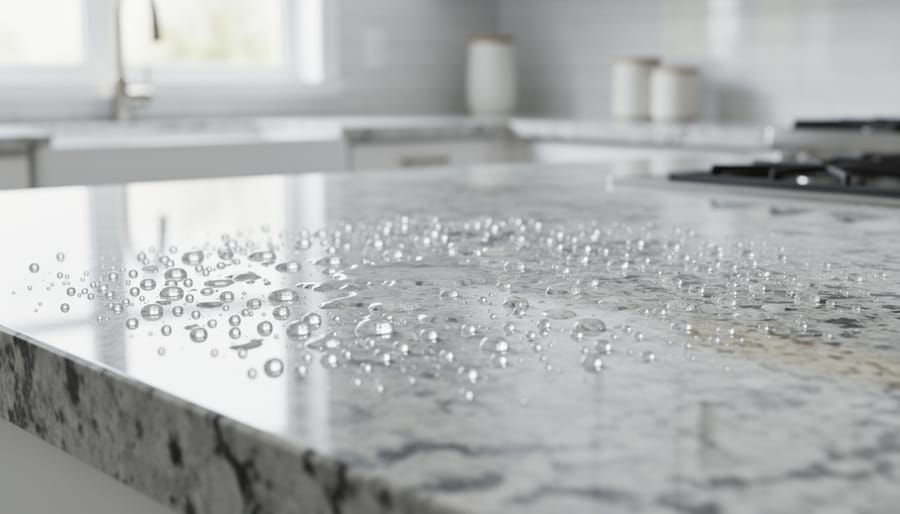
Zero VOC Emissions and Chemical Off-Gassing
Natural stone showers offer significant advantages for health-conscious homeowners due to their inherently chemical-free composition. Unlike synthetic materials such as acrylic, fiberglass, or certain tiles that may contain resins, adhesives, or coatings, natural stone is quarried directly from the earth and requires no chemical additives during formation. This means granite, marble, slate, and other natural stones emit zero volatile organic compounds (VOCs) into your bathroom environment.
The absence of off-gassing is particularly important in enclosed shower spaces where heat and moisture can accelerate chemical emissions from synthetic materials. Many manufactured shower products release VOCs over time, contributing to poor indoor air quality and potential respiratory irritation. Natural stone remains chemically inert, maintaining its composition without degrading or releasing harmful substances even under constant exposure to hot water and steam.
When properly sealed with low-VOC or water-based sealers, natural stone showers create an exceptionally clean breathing environment. This chemical-free quality makes natural stone an ideal choice for individuals with chemical sensitivities, respiratory conditions, or those simply committed to maintaining the healthiest possible home environment.
Natural Antimicrobial Characteristics
Certain natural stones possess natural antimicrobial properties that make them particularly suitable for shower environments. Granite and quartzite, for example, have dense, low-porosity structures that limit moisture absorption, creating an inhospitable environment for bacteria and mold colonization. These stones contain trace minerals like silica and quartz that naturally inhibit microbial growth when properly sealed. Marble’s alkaline composition also resists bacterial attachment, though it requires more maintenance than harder stones. Unlike synthetic materials that may harbor microbes in surface scratches, properly maintained natural stone provides a cleaner, more hygienic shower surface. When combined with appropriate sealing and regular cleaning, these inherent characteristics help maintain healthier bathroom air quality and reduce allergen accumulation over time.
Best Natural Stone Options for Hypoallergenic Showers
Granite: The Low-Maintenance Champion
Granite stands out as an exceptional choice for shower applications thanks to its remarkably dense composition. This natural density makes granite significantly less porous than many other stone options, creating an inherent barrier against moisture penetration and bacterial growth. For homeowners concerned about maintaining a hypoallergenic bathroom environment, this characteristic proves invaluable.
The stone’s tight crystalline structure means it requires less frequent sealing compared to more porous materials like travertine or limestone. When properly sealed, granite retains its protective barrier for extended periods, typically requiring resealing only every one to two years depending on usage. This reduced maintenance schedule translates to fewer applications of chemical sealants in your shower space, supporting better indoor air quality.
Granite’s resistance to moisture-related problems extends beyond simple water repellency. The material naturally resists mold and mildew development, two common allergen sources in bathroom environments. Its hard surface doesn’t provide the microscopic crevices where these organisms typically establish colonies, making routine cleaning more effective and reducing the need for harsh antimicrobial treatments that can compromise air quality.
Marble: Timeless Elegance with Proper Care
Marble brings unmatched luxury to shower spaces while offering hypoallergenic benefits when properly maintained. The key lies in high-quality sealing, which creates a protective barrier that prevents moisture absorption and inhibits mold and mildew growth. When sealed correctly, marble’s non-porous surface becomes resistant to allergen accumulation, making it an excellent choice for sensitive individuals.
Regular maintenance is essential to preserve marble’s hypoallergenic properties. Apply a penetrating sealer every six to twelve months, depending on usage and water hardness. Clean surfaces weekly with pH-neutral cleaners specifically formulated for natural stone, avoiding acidic products that can etch the surface and compromise the seal. This routine prevents soap scum buildup and bacterial growth that can trigger allergic reactions.
The investment in proper sealing and maintenance pays dividends in both aesthetics and health. Well-maintained marble showers resist the common bathroom allergens that plague other materials, creating a cleaner breathing environment while maintaining their timeless beauty for decades.
Slate and Quartzite: Durable Alternatives
Slate and quartzite stand out as exceptionally durable options for shower environments, offering natural resistance that makes them ideal for moisture-rich spaces. These metamorphic stones possess inherently low porosity, meaning they absorb minimal water compared to other natural stones. Slate’s layered composition creates a naturally slip-resistant surface while effectively repelling moisture, reducing the likelihood of mold and mildew growth that can trigger allergies. Quartzite, formed under intense heat and pressure, develops an even denser structure with porosity levels comparable to engineered materials. This tight crystalline structure prevents water penetration and bacterial colonization, maintaining a cleaner, more hygienic shower environment. Both materials require minimal sealing compared to marble or limestone, and their robust nature ensures they maintain their protective qualities for decades. Their natural cleft surfaces also provide texture that enhances safety without compromising the sleek appearance desired in contemporary bathroom design.
Large-Format Slabs vs. Smaller Tiles
When designing a hypoallergenic natural stone shower, slab size plays a significant role in minimizing allergen accumulation. Large-format slabs, which can span entire walls with minimal seams, dramatically reduce the number of grout lines compared to smaller tiles. This matters because grout joints create microscopic crevices where moisture, mold spores, and allergens can hide and multiply over time.
A shower clad in full-height stone slabs might feature only a handful of grout lines, while the same space covered in smaller tiles could have dozens or even hundreds of joints requiring ongoing maintenance. Fewer grout lines mean fewer opportunities for mold growth and less surface area requiring deep cleaning and sealing. Additionally, modern installation techniques for large slabs often use epoxy-based adhesives that create tighter bonds and more water-resistant barriers than traditional mortar methods.
For those with severe allergies or respiratory sensitivities, large-format slabs offer measurable advantages in maintaining cleaner air quality within the bathroom environment.
Proper Installation and Sealing for Maximum Hypoallergenic Benefits
Choosing the Right Sealant
Selecting the appropriate sealant is essential for maintaining your natural stone shower’s hypoallergenic properties. Choose water-based, penetrating sealants that contain zero or low volatile organic compounds (VOCs). These formulations allow the stone to breathe naturally while creating a protective barrier against moisture and staining, without releasing harmful chemicals into your bathroom air.
Avoid solvent-based sealants, which can emit toxic fumes and compromise indoor air quality. Look for products specifically labeled as non-toxic, food-safe, or eco-friendly. Popular options include silane and siloxane-based sealers, which penetrate deeply into the stone’s pores without leaving surface residue.
For optimal health benefits, verify that your chosen sealant is free from formaldehyde, ammonia, and petroleum distillates. Many manufacturers now offer hypoallergenic formulations designed specifically for sensitive individuals. Apply sealants in well-ventilated conditions and allow adequate curing time before regular shower use. Reapplication frequency varies by stone type and water exposure, typically ranging from annually to every three years. Always consult manufacturer guidelines for your specific stone variety.
Minimizing Grout Lines
Reducing grout lines in natural stone showers serves both aesthetic and health purposes. Fewer grout joints mean less porous material where allergens, mold, and bacteria can accumulate. Consider using large-format stone slabs, which can span entire walls with minimal seams. When selecting tiles, opt for rectified edges that allow tighter spacing, typically one-sixteenth to one-eighth inch apart.
Epoxy grout offers superior resistance to moisture and staining compared to traditional cement-based options, making it easier to maintain a hypoallergenic environment. For ultra-modern installations, book-matched slabs can create seamless transitions with nearly invisible joints. Plan your layout carefully to minimize cuts and joints in high-moisture areas like around fixtures and floor drains.
Professional installation is essential when working with large-format stone to ensure proper support and waterproofing. While minimizing grout reduces maintenance requirements, remember that some grout is necessary for structural integrity and allowing natural expansion in the shower environment.
Waterproofing Behind the Stone
While natural stone itself resists mold and bacteria, water can still penetrate behind the installation if proper waterproofing isn’t in place. This hidden moisture creates the perfect breeding ground for mold, completely undermining the hypoallergenic benefits you’re seeking.
The key is comprehensive substrate preparation before installing any stone. Start with a waterproof membrane system applied directly to backer board or cement board substrate. Modern waterproofing membranes create an impenetrable barrier that prevents water from reaching the wall cavity behind your shower. Pay special attention to corners, seams, and penetrations where showerheads and fixtures mount, as these are common failure points.
Consider a liquid-applied membrane or sheet membrane specifically designed for shower applications. These products have been tested to withstand constant water exposure and work seamlessly with natural stone installations. Many professionals recommend the “float and set” method, which involves a sloped mortar bed over the membrane to ensure proper drainage.
Without proper waterproofing, even the most beautiful natural stone shower can harbor hidden allergens and compromise your indoor air quality within months of installation.
Maintenance Practices for Allergen-Free Natural Stone Showers
Daily and Weekly Cleaning Routines
Maintaining your natural stone shower requires minimal daily effort while preserving its hypoallergenic properties. After each use, squeegee water from walls and floors to prevent mineral deposits and soap scum buildup, which can harbor allergens. This simple 30-second task significantly reduces the need for harsh chemical cleaners that may trigger sensitivities.
Weekly cleaning should involve wiping down surfaces with a pH-neutral stone cleaner diluted in warm water. Avoid acidic products like vinegar or lemon-based cleaners, which can etch marble and limestone. A soft microfiber cloth works best for removing residue without scratching the stone’s surface. Pay special attention to grout lines, using a soft brush to prevent mold or mildew growth in these porous areas.
Ensure proper ventilation by running your exhaust fan during and after showers to reduce moisture levels that encourage allergen-producing mold. Monthly, check and clean drain covers to prevent standing water, which creates ideal conditions for bacteria and allergens. This consistent routine keeps your natural stone shower both beautiful and genuinely hypoallergenic for years to come.
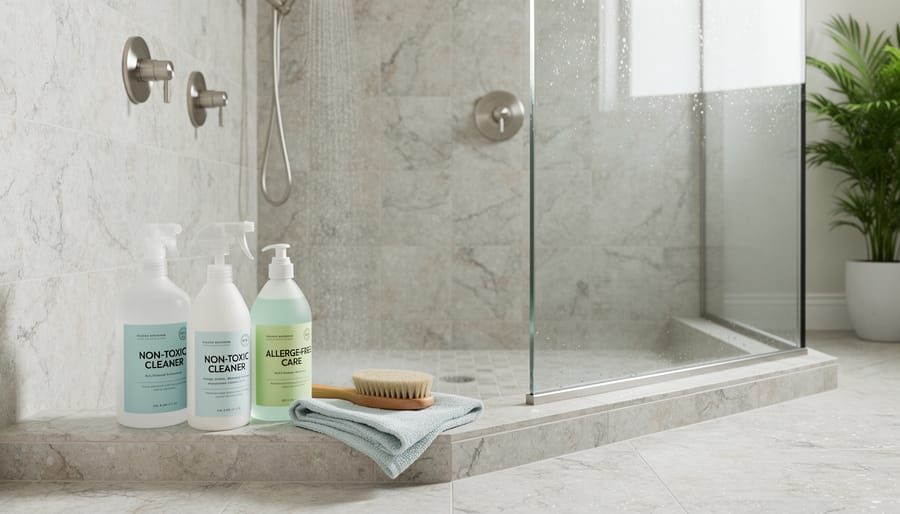
Choosing Non-Toxic Cleaning Products
Selecting the right cleaning products is essential to preserve your natural stone shower while maintaining a hypoallergenic environment. Always choose pH-neutral cleaners specifically formulated for natural stone, as acidic or alkaline products can etch the surface and compromise the protective sealant. Look for fragrance-free, dye-free options that carry certifications like Green Seal or EPA Safer Choice, indicating they’re free from harsh chemicals and volatile organic compounds that can trigger allergic reactions.
Avoid conventional bathroom cleaners containing vinegar, lemon, bleach, or ammonia, as these substances damage stone surfaces and release airborne irritants. Instead, opt for gentle, plant-based formulas designed for stone care. Many stone suppliers offer proprietary cleaning solutions that meet both safety and effectiveness standards. For daily maintenance, plain warm water with a soft microfiber cloth often suffices. When deeper cleaning is needed, dilute your stone-safe cleaner according to manufacturer instructions and always rinse thoroughly to prevent residue buildup that can harbor allergens or dull the stone’s natural beauty.
Resealing Schedule and Best Practices
Reseal natural stone showers every 6-12 months, depending on stone porosity and water exposure. Dense stones like granite may extend to 12-18 months, while porous marble requires more frequent attention. Apply penetrating sealers in thin, even coats using a clean cloth or foam applicator, allowing 15-20 minutes for absorption before buffing excess. Test water beading monthly by splashing shower walls—if water absorbs rather than beads, resealing is needed. Clean surfaces thoroughly and allow 24-48 hours drying time before applying new sealer. High-traffic showers benefit from annual professional assessment to maintain allergen-resistant properties and prevent moisture penetration that compromises air quality.
Real-World Impact: Case Studies and Testimonials
The Riverside Medical Center in Portland demonstrates how natural stone can transform healthcare environments. After installing honed granite showers in their physical therapy wing, the facility documented a 40% reduction in patient complaints related to respiratory irritation over six months. Their maintenance team noted that the non-porous sealed granite required less harsh chemical cleaning compared to previous tile installations, contributing to improved air quality throughout the department.
Homeowner Maria Chen from Seattle replaced her moldy grout-lined ceramic shower with limestone in 2021. Within three months, her teenage son’s allergy symptoms noticeably decreased. “We were spending hundreds on air purifiers and medications,” Chen explains. “The limestone shower was an investment, but the health benefits have been remarkable. No more musty smell, and we simply wipe it down weekly with a pH-neutral cleaner.”
The Greenview Wellness Spa in Colorado Springs chose slate for their communal shower facilities specifically to address client concerns about cleanliness and allergens. Post-installation surveys showed a 35% increase in client satisfaction ratings related to facility hygiene. The spa’s director credits the natural stone’s inherent resistance to microbial growth and its easy-to-clean surface.
Key lessons from these implementations include the importance of proper sealing during installation, selecting appropriate stone types for moisture levels, and establishing regular maintenance schedules. Each case reinforces that while natural stone requires upfront investment, the long-term health benefits and reduced allergen exposure provide measurable returns for both residential and commercial applications.
Natural stone showers offer compelling hypoallergenic advantages for those prioritizing healthier indoor environments. Unlike synthetic materials that can harbor mold, trap allergens, or emit volatile organic compounds, properly sealed natural stone provides an inert, non-porous surface that resists microbial growth and maintains superior air quality. The dense composition of stones like granite, slate, and properly maintained marble creates inhospitable conditions for dust mites and allergens while eliminating the chemical off-gassing associated with artificial shower materials.
When considering a natural stone shower, focus on key decision points: select low-porosity stones, commit to proper sealing protocols, ensure adequate ventilation, and establish consistent maintenance routines. These factors collectively determine the long-term hypoallergenic performance of your installation.
However, achieving optimal results requires expertise in stone selection, installation techniques, and sealing procedures. Consulting with experienced stone professionals and qualified installers is essential to maximize the health benefits of your investment. They can assess your specific bathroom conditions, recommend appropriate stone types, and establish maintenance schedules tailored to your needs. With professional guidance and proper care, a natural stone shower becomes a lasting foundation for a healthier, allergen-reduced bathroom environment.