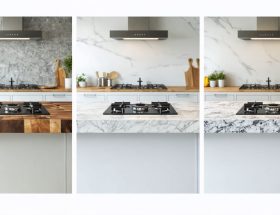

Transform your kitchen’s centerpiece by exploring countertop designs that transcend traditional granite and marble. From recycled glass embedded in concrete to backlit onyx surfaces that create stunning light effects, today’s innovative materials offer unprecedented creative possibilities while delivering significant impact on overall home value. Modern fabrication techniques now allow for seamless integration of materials previously considered impossible – think salvaged wood slabs sealed in marine-grade resin, metallic surfaces with patina effects, or countertops incorporating LED technology beneath semi-precious stone.
Whether you’re planning a complete kitchen renovation or seeking to make a bold design statement, these extraordinary countertop solutions merge artistic expression with practical functionality. From sustainable options like bamboo and recycled materials to luxury surfaces featuring embedded fossils or geometric inlays, today’s countertop innovations offer durability and distinctive character that transform ordinary kitchen spaces into extraordinary focal points.
Leading architects and designers increasingly embrace these unconventional materials to create spaces that reflect individual personality while maintaining the performance demands of busy kitchens. The following collection showcases breakthrough applications that redefine what’s possible in countertop design, combining cutting-edge technology with timeless aesthetic appeal.
Natural Stone Innovations
Mixed Material Masterpieces
Creating mixed material designs in countertops has emerged as a sophisticated way to add visual interest and personality to kitchen and bathroom spaces. By combining different natural stone varieties or incorporating metal accents, homeowners can achieve truly one-of-a-kind surfaces that serve as functional art pieces.
Popular combinations include pairing light marble with darker granite sections, creating dramatic visual contrast while maintaining the natural stone aesthetic. Metal inlays, such as brass or copper strips, can be strategically placed to define zones or create geometric patterns that catch the eye. These metallic elements not only add visual interest but also serve as practical dividers between different stone types.
Some designers are experimenting with embedding semi-precious stones or recycled glass fragments within natural stone surfaces, creating spectacular focal points that sparkle under kitchen lighting. The key to successful mixed material countertops lies in thoughtful material selection and precise installation techniques.
When planning these combinations, consider how different materials react to temperature, moisture, and cleaning products. Professional fabricators can advise on compatible materials and proper sealing methods to ensure longevity. The result is a unique surface that tells a story through its carefully curated combination of textures, colors, and materials.

Textured Stone Finishes
Textured stone finishes represent a bold departure from traditional polished surfaces, offering unique tactile and visual experiences for modern countertops. Leathered finishes, achieved through diamond-tipped brushes and specialized equipment, create a subtle, natural-looking texture that masks fingerprints and water spots while maintaining the stone’s natural color variations.
Brushed finishes provide a softer, more muted appearance compared to polished stone, with a silky feel that’s particularly striking on darker granites and marbles. This treatment involves carefully wearing down the surface to create a weathered, time-worn aesthetic that’s both sophisticated and practical.
Flamed finishes, created by applying intense heat to the stone’s surface, result in a slightly rough, non-slip texture that’s particularly effective on outdoor countertops. The process causes the stone’s crystals to burst, creating a unique, textured appearance that varies depending on the mineral composition.
Sand-blasted stone offers yet another distinctive option, with its uniformly textured matte surface that resembles natural weathering. This finish is particularly effective on limestone and marble, where it can highlight fossil patterns and natural veining.
These innovative surface treatments not only enhance the stone’s natural beauty but also serve practical purposes. Textured finishes generally show fewer scratches and wear patterns than polished surfaces, making them ideal for high-traffic areas. They also provide better grip and are less likely to show water marks or fingerprints, combining functionality with sophisticated aesthetics.
Artistic Elements
Embedded Elements
For those seeking a truly extraordinary countertop design, embedded natural elements offer a stunning way to incorporate history and artistry into your space. Fossils, ranging from ancient ammonites to petrified wood specimens, can be seamlessly integrated into concrete or resin countertops, creating conversation pieces that span millions of years. These prehistoric treasures are typically sealed within a clear matrix, ensuring both preservation and practical functionality.
Semi-precious stones like agate, quartz crystals, and jasper add brilliant pops of color and natural geometry to countertop surfaces. When backlit, these stone elements create dramatic visual effects, transforming your countertop into an illuminated work of art. Popular choices include blue agate slices, which create ethereal patterns, and amethyst clusters that add purple sophistication to neutral bases.
Other natural elements that work beautifully in countertop designs include mother of pearl, copper ore, and petrified bamboo. These materials can be arranged in mosaic patterns or used as striking accent pieces within a larger design. The key to successful implementation lies in selecting a durable binding material – typically epoxy resin or specialized concrete – that will protect and showcase these elements while maintaining the countertop’s functionality.
When incorporating embedded elements, consider their placement carefully. High-traffic areas might benefit from smaller, more dispersed elements, while statement pieces work well in island centerpieces or bar tops where they can be properly appreciated.

Custom Edge Profiles
The choice of unique edge treatments can dramatically transform the character of your countertop, turning a simple surface into an architectural statement. Beyond the standard straight edge, contemporary profiles offer exciting possibilities for personalizing your space.
The waterfall edge creates a dramatic cascading effect, where the stone appears to flow seamlessly from the horizontal surface down the cabinet side. This sophisticated detail works particularly well in modern kitchens and can make islands appear more substantial and sculptural.
For those seeking classical elegance, the ogee profile features a graceful S-curve that adds depth and visual interest. This traditional edge treatment casts beautiful shadows and brings a touch of refinement to any countertop installation. A simpler alternative, the bullnose edge, offers smooth, rounded contours that are both aesthetically pleasing and practical, eliminating sharp corners.
More contemporary options include the knife edge, which creates a sleek, minimalist look with its sharp angular profile. The chiseled edge, featuring a rough-hewn appearance, brings natural texture and rustic charm to the space. For added visual complexity, consider the stepped edge, which incorporates multiple levels to create interesting dimensional effects.
Each profile not only affects the overall aesthetics but also influences functionality and maintenance considerations. The key is selecting an edge treatment that complements your design style while meeting practical needs.
Color and Pattern Innovation
Rare Stone Varieties
Beyond the familiar granite and marble lies a world of extraordinary natural stones that can transform your countertops into stunning focal points. Blue Bahia granite, sourced from Brazilian quarries, features dramatic swirls of deep blue and silver, creating an oceanic atmosphere in your kitchen. The rare Patagonia granite displays striking purple and gold veining against a dark background, offering an artistic statement piece for luxury spaces.
For those seeking ethereal beauty, Onyx countertops provide translucent qualities that can be dramatically backlit, creating an otherworldly glow. Sodalite, with its rich royal blue hue and white veining, offers a sophisticated alternative to traditional blue stones. The mesmerizing Van Gogh quartzite, named for its similarity to the artist’s swirling night skies, combines durability with artistic flair.
Consider also the understated elegance of Thunder White granite from Norway, featuring subtle gray patterns with occasional burgundy highlights. For a truly unique option, Labradorite countertops display an iridescent play of colors known as labradorescence, shifting from deep blues to greens and golds depending on the viewing angle. These rare stones not only serve as functional surfaces but also as conversation pieces that elevate your space’s design to museum-worthy status.
Book-Matching and Pattern Creation
Book-matching is a sophisticated technique that creates mirror-image patterns by splitting a single stone slab and positioning the pieces side by side. This method produces stunning symmetrical designs that can transform ordinary countertops into dramatic focal points. When properly executed, the natural veining flows seamlessly across the surface, creating an artistic statement piece.
To achieve the most striking results, careful selection of the stone material is crucial. Marble and quartzite with bold, distinctive veining patterns typically yield the most impressive book-matched designs. The process begins with digital imaging of the slab, allowing designers to precisely plan how the patterns will align before making any cuts.
Beyond traditional book-matching, advanced fabrication techniques enable creative pattern variations. Quadrant matching uses four pieces from the same slab to create a kaleidoscopic effect, while end-matching extends the pattern across multiple surfaces for a continuous flow. These approaches work particularly well in waterfall edges and backsplashes.
For maximum impact, consider implementing strategic lighting above the countertop to highlight the stone’s natural characteristics and emphasize the symmetry of the matched patterns. This combination of thoughtful material selection, precise fabrication, and proper illumination ensures a truly unique countertop design.

Sustainable Style
Reclaimed Stone Applications
Reclaimed stone offers a sustainable and character-rich alternative for unique countertop designs. Salvaged from historic buildings, old quarries, or decommissioned structures, these materials bring authentic patina and compelling backstories to your space. Popular sources include repurposed granite from demolished buildings, weathered limestone from old European structures, and salvaged marble from historic properties.
The beauty of reclaimed stone lies in its distinctive wear patterns, natural aging, and historical significance. Each piece tells a story through its unique markings, creating conversation-worthy focal points in kitchen and bathroom designs. Creative applications include mixing different reclaimed stones for a patchwork effect, incorporating worn stone fragments into terrazzo-style surfaces, or preserving original architectural details within modern countertop designs.
Beyond aesthetics, using reclaimed stone reduces environmental impact by minimizing new quarrying and manufacturing processes. Many suppliers now specialize in sourcing and processing these materials, ensuring structural integrity while maintaining their characteristic charm. Installation techniques may require specialized expertise to address irregular shapes and thicknesses common in reclaimed pieces.
When selecting reclaimed stone, consider its previous exposure to elements and chemicals, which may affect durability. Professional testing can verify material stability and determine appropriate sealing requirements. While initially more challenging to source than new materials, reclaimed stone offers unmatched character and environmental benefits for those seeking truly unique countertop solutions.
Local Stone Solutions
Local stone offers a compelling blend of sustainability and unique character that mass-produced countertop materials simply can’t match. By sourcing materials from nearby quarries, homeowners can reduce transportation costs and environmental impact while showcasing their region’s geological heritage in their kitchen design.
Each geographical area boasts its own distinctive stone varieties. For instance, Vermont is renowned for its high-quality slate, while Minnesota features unique varieties of granite with striking color patterns. The Southwest offers beautiful travertine and sandstone options, each telling a story of the local landscape.
Working with local stone fabricators provides several advantages beyond environmental benefits. These artisans often have extensive experience with regional materials and can offer insights into the best applications for specific stone types. They can also provide valuable guidance on maintenance requirements and finishing techniques that work best for local varieties.
Many local stone options feature unique characteristics that make them ideal for statement countertops. Some might display fossil inclusions, distinctive veining patterns, or color variations that aren’t found in commercially distributed stones. These elements can become conversation pieces while adding authentic character to your space.
To ensure the best results, consider visiting local quarries to hand-select your slabs. This personal approach allows you to see the full range of available options and choose pieces that perfectly match your vision while supporting your local economy.
The journey through unique countertop designs reveals endless possibilities for transforming your kitchen or bathroom into a truly distinctive space. From innovative natural stone applications to sustainable materials and artistic elements, these unconventional choices offer both aesthetic appeal and functional benefits that extend beyond traditional options.
When selecting a unique countertop design, consider how it aligns with your lifestyle, maintenance preferences, and overall design vision. Natural materials like quartzite and exotic granite varieties provide durability while making bold statements. Meanwhile, integrated elements such as built-in drainboards or embedded lighting can enhance functionality without compromising style.
Budget considerations shouldn’t limit creativity. Many unique countertop solutions, such as concrete or recycled materials, offer cost-effective alternatives while maintaining visual impact. The key is balancing initial investment with long-term value and satisfaction.
Remember that successful implementation of unique countertop designs often requires collaboration with experienced fabricators and installers who understand specialized materials and techniques. Take time to research professionals who have demonstrated expertise in working with your chosen material or design concept.
As sustainability continues to influence design choices, consider how your unique countertop selection can contribute to environmental responsibility while creating a distinctive aesthetic. Whether through recycled materials, locally sourced stone, or eco-friendly finishing processes, there are numerous ways to achieve both sustainability and style.
Ultimately, the perfect unique countertop solution should reflect your personal style while meeting practical needs. By carefully considering material properties, maintenance requirements, and installation expertise, you can create a stunning focal point that enhances your space’s functionality and value for years to come.