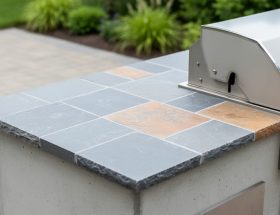

The choice between real stone and cultured stone represents one of the most significant decisions in modern architectural design, impacting both aesthetics and functionality for generations to come. Natural stone, quarried directly from the earth, brings millions of years of geological artistry to your project, offering unique patterns and textures that can never be truly replicated. Cultured stone, engineered to mimic these natural formations, has emerged as a compelling alternative, providing remarkable versatility at a fraction of the cost.
Today’s homeowners and architects face a complex equation: weighing the timeless authenticity and proven longevity of natural stone against the practical advantages and design flexibility of its manufactured counterpart. This decision extends far beyond mere appearance, encompassing crucial factors like structural requirements, installation complexity, maintenance demands, and long-term value retention.
As construction technology evolves and environmental considerations take center stage, understanding the true distinctions between these materials becomes increasingly critical. Whether you’re planning a dramatic exterior transformation or an intimate indoor feature wall, the choice between real and cultured stone will fundamentally shape both the immediate impact and lasting legacy of your project.
What Exactly Is Natural Stone?
Formation and Sourcing
Natural stone is the product of millions of years of geological processes, a testament to the timeless elegance of natural stone. Formed deep within the Earth’s crust through intense heat, pressure, and mineral crystallization, each piece tells a unique geological story. Common varieties like granite, marble, and limestone each develop under specific conditions, resulting in distinctive patterns, colors, and characteristics.
The extraction process involves carefully planned quarrying operations where massive blocks are cut from natural deposits using specialized equipment. These blocks are then transported to processing facilities where they’re cut into slabs or smaller pieces according to specific project requirements. Modern quarrying techniques balance efficiency with environmental responsibility, employing sustainable practices to minimize ecological impact.
The sourcing of natural stone is truly global, with renowned quarries operating across multiple continents. Italy is famous for its Carrara marble, while Brazil is known for its exotic granites. This global sourcing contributes to the wide variety of options available but also affects transportation costs and environmental considerations.

Popular Natural Stone Varieties
Natural stone has been a cornerstone of construction for millennia, with several varieties remaining consistently popular for their unique characteristics and aesthetic appeal. Granite leads the pack as one of the most sought-after natural stones, prized for its exceptional durability and striking crystalline patterns. Available in countless color variations, from deep blacks to warm browns and speckled whites, granite is particularly popular for kitchen countertops and exterior cladding.
Marble, with its classic elegance and distinctive veining, continues to be a symbol of luxury in both residential and commercial applications. While more delicate than granite, it’s particularly favored for interior features like fireplace surrounds and bathroom vanities. Limestone offers a more subtle, earthy appearance with its uniform texture and neutral color palette, making it an excellent choice for exterior facades and flooring.
Travertine, known for its natural pitted surface and warm tones, adds character to both indoor and outdoor spaces. Slate, with its natural cleft texture and rich color variations, excels in roofing and outdoor applications. Quartzite, though less common, is gaining popularity for its marble-like appearance combined with granite-level durability.
Understanding Manufactured Stone
Manufacturing Process
Cultured stone manufacturing involves a precise, multi-step process that begins with creating molds from selected natural stones. These molds capture intricate surface details and textures of real stone. Manufacturers then mix portland cement, lightweight aggregates, and mineral oxide pigments to create a concrete mixture that closely mimics natural stone’s appearance.
The concrete mixture is poured into the molds and undergoes initial curing. During this phase, skilled artisans apply various pigments and surface treatments to create authentic-looking stone variations. Each piece is then carefully removed from its mold and moves to a controlled curing environment where it develops its final strength and durability.
Quality control measures ensure consistency in color, texture, and structural integrity across production batches. The final products undergo weathering treatments and coating applications to enhance their resistance to environmental factors. This industrial process allows manufacturers to produce lightweight, uniform pieces that maintain the aesthetic appeal of natural stone while offering easier installation and reduced costs.
The entire manufacturing cycle typically takes several days, from initial casting to final quality inspection, resulting in products ready for distribution to suppliers and contractors.

Material Composition
Cultured stone is manufactured using a blend of Portland cement, lightweight natural aggregates, and carefully selected pigments. The mixture is poured into molds crafted from actual stone surfaces, creating highly detailed replicas that capture the texture and appearance of natural stone. These molds are treated with a release agent before casting to ensure clean removal of the finished product.
The manufacturing process involves adding integral water repellents and other additives to enhance durability and weather resistance. While the exterior surface mimics natural stone, the back of each piece is engineered with a flat, lightweight profile to facilitate installation. The coloring process involves both integral pigments mixed into the concrete and surface-applied colors that create depth and variation similar to natural stone.
Natural stone, by contrast, is quarried directly from the earth and consists of minerals that have formed over millions of years through geological processes. Each piece is unique, composed of various minerals depending on its type, such as granite (primarily quartz and feldspar), limestone (calcium carbonate), or slate (clay minerals).
Cost Comparison: The Real Numbers
When evaluating the cost differences between real stone and cultured stone, several key natural stone pricing considerations come into play. Initial material costs for real stone typically range from $15 to $30 per square foot, while cultured stone generally costs between $8 and $12 per square foot. However, these base prices don’t tell the complete story.
Installation costs significantly impact the total investment. Real stone installation requires specialized expertise and typically costs $12-$25 per square foot, owing to its weight and the precision needed for proper placement. Cultured stone installation runs approximately $8-$12 per square foot, as it’s lighter and easier to work with.
Let’s break down a 500-square-foot project:
Real Stone:
– Materials: $7,500-$15,000
– Installation: $6,000-$12,500
– Total: $13,500-$27,500
Cultured Stone:
– Materials: $4,000-$6,000
– Installation: $4,000-$6,000
– Total: $8,000-$12,000
Long-term costs favor real stone despite its higher initial investment. Natural stone typically lasts 100+ years with minimal maintenance, while cultured stone may need replacement after 20-25 years. Annual maintenance costs for real stone average $100-$200, mainly for cleaning and occasional sealing. Cultured stone requires similar yearly maintenance but may need repairs more frequently, especially in harsh weather conditions.
When calculating ROI, real stone adds approximately 5-10% more to property value compared to cultured stone. Additionally, insurance companies often offer better rates for homes with real stone due to its superior fire resistance and durability.
While the upfront cost difference is substantial, the longevity and value appreciation of real stone often justify the investment for those planning long-term ownership. However, cultured stone remains a viable option for projects with tighter budgets or shorter-term planning horizons.
Durability and Longevity Face-Off
When it comes to weathering and durability, real stone and cultured stone exhibit distinct characteristics that impact their longevity. Natural stone has proven its resilience over centuries, with many historical buildings and monuments standing as testament to its endurance. Real stone typically maintains its structural integrity and appearance for 100+ years with proper maintenance.
Cultured stone, while engineered to withstand various environmental conditions, generally has a shorter lifespan of 20-50 years. However, modern manufacturing techniques have significantly improved its durability compared to earlier versions.
In freeze-thaw cycles, natural stone demonstrates superior resistance due to its solid composition. While some softer stones may experience minimal spalling, proper sealing and maintenance can minimize this effect. Cultured stone can be more vulnerable to freeze-thaw damage, particularly if moisture penetrates the material.
UV exposure affects both materials differently. Natural stone’s color remains largely stable, with only subtle changes over decades. Cultured stone may show more noticeable fading or color variation within 10-15 years, especially in areas with intense sun exposure.
Impact resistance varies significantly between the two. Natural stone, being solid throughout, better withstands physical impacts and heavy loads. Cultured stone, while resistant to normal wear, can chip or crack more easily when subjected to strong impacts, revealing its concrete core.
Both materials can perform well in various climates when properly installed and maintained. The key difference lies in their long-term aging characteristics – natural stone tends to develop a distinguished patina, while cultured stone may require replacement to maintain its original appearance.

Installation Considerations
The installation process differs significantly between real and cultured stone, with each material presenting unique considerations. Real stone installation requires extensive expertise due to its weight and irregular shapes. Installers must carefully plan the layout, ensure proper structural support, and potentially reinforce the foundation to handle the additional load. The process often involves cutting and fitting heavy stones, demanding specialized tools and experienced craftsmen.
Cultured stone, being lighter and more uniform, typically offers a more straightforward installation process. Its pre-manufactured pieces are designed for easier handling and fitting, making installation approximately 30-40% faster than natural stone. However, proper moisture barrier installation and surface preparation remain crucial for both materials to prevent water damage and ensure longevity.
For real stone, installers must consider factors like stone sizing, coursing patterns, and structural support requirements. The installation often requires a full masonry bed and careful attention to load-bearing calculations. Weather conditions during installation also play a crucial role, as extreme temperatures can affect mortar curing.
Cultured stone installation, while generally simpler, still demands attention to detail. Proper backing materials, weather-resistant barriers, and metal lath must be correctly installed. Installers should also mix pieces from different boxes to ensure color consistency and create a natural-looking pattern. Both materials require proper drainage systems and flashing to prevent moisture issues.
Professional installation is recommended for both options, though cultured stone may be more suitable for DIY projects with proper preparation and research. The choice between the two often depends on project timeline, budget constraints, and available skilled labor in your area.
Maintenance Requirements
Both real and cultured stone require regular maintenance, though their specific needs differ significantly. Natural stone typically requires sealing every 3-5 years to protect against moisture infiltration and staining. This process involves applying a professional-grade sealer and can be done by homeowners or professionals. Regular cleaning with pH-neutral stone cleaners helps maintain its appearance and integrity.
Cultured stone generally requires less frequent sealing but needs careful attention to prevent moisture damage at joints and transitions. The concrete-based material can be more susceptible to efflorescence (white mineral deposits) in damp conditions. While this is primarily cosmetic, it requires cleaning with specialized products to remove.
Both materials may experience color fading over time, though natural stone tends to weather more gracefully, developing a natural patina. Cultured stone may show more noticeable fading, particularly in darker colors or areas with intense sun exposure. Both types can develop mold or mildew in shaded areas, requiring occasional cleaning with appropriate solutions.
Repairs present different challenges for each material. Natural stone damage often requires professional intervention but can usually be restored to its original appearance. Cultured stone repairs are typically more straightforward but may be more noticeable due to color matching difficulties, especially with older installations where weathering has occurred.
Environmental Impact
Natural stone quarrying has a significant environmental footprint, requiring extensive mining operations and energy-intensive transportation. However, its longevity and minimal processing needs offset these initial impacts over time. Cultured stone manufacturing involves fewer quarrying operations but requires more chemical processing and synthetic materials. While both options have environmental considerations, natural stone offers better sustainability through its longer lifespan and impact on indoor air quality. Natural stone is also fully recyclable and can be repurposed, while cultured stone typically ends up in landfills. When sourced locally, natural stone’s transportation footprint can be significantly reduced. Modern quarrying practices increasingly emphasize environmental responsibility and land restoration, making natural stone a more eco-conscious choice for long-term applications.
When choosing between real stone and cultured stone, consider your specific project requirements, budget, and long-term expectations. Real stone offers unmatched authenticity, durability, and unique character, making it ideal for projects where natural beauty and longevity are paramount. Cultured stone provides cost-effective versatility, lighter weight, and easier installation, perfect for projects with budget constraints or structural limitations. While both materials have their merits, real stone typically offers better long-term value despite higher initial costs, while cultured stone provides immediate aesthetic appeal with more design flexibility. Consider factors like climate, maintenance requirements, and architectural style when making your decision. Ultimately, both options can deliver beautiful results when properly selected, installed, and maintained according to manufacturer specifications and local building codes.