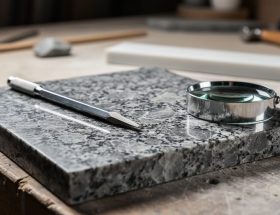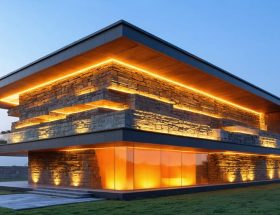

Natural stone transcends mere aesthetic appeal, emerging as a revolutionary solution for healthier indoor environments. As a leading authority in sustainable building materials, Natural Stone Headquarters champions the benefits of natural stone through scientifically-proven improvements in air quality. Unlike synthetic materials that can off-gas harmful chemicals, natural stone releases no volatile organic compounds (VOCs), creating a pristine indoor atmosphere that promotes wellness and environmental sustainability.
Our comprehensive collection of granite, marble, limestone, and quartzite represents nature’s finest formations, carefully sourced from premier quarries worldwide. Each stone tells a unique story of geological artistry while delivering unparalleled performance in modern applications. From commercial spaces to residential sanctuaries, our expert team guides architects, designers, and homeowners through selecting the perfect stone that aligns with both their aesthetic vision and health-conscious objectives.
Through decades of industry leadership, we’ve witnessed natural stone transform spaces into healthier, more vibrant environments. Our commitment to quality, sustainability, and innovation continues to set new standards in the natural stone industry.
Why Natural Stone Improves Indoor Air Quality
Zero VOC Emissions
Natural stone stands out as an exceptional building material when it comes to indoor air quality, particularly in comparison to natural versus manufactured stone alternatives. Unlike many synthetic building materials, natural stone emits zero volatile organic compounds (VOCs), making it an ideal choice for creating healthy indoor environments. This inherent characteristic stems from its geological formation process, which spans millions of years without the introduction of artificial binders, adhesives, or chemical treatments.
The absence of VOC emissions means that natural stone doesn’t contribute to common indoor air quality issues such as headaches, respiratory problems, or eye irritation often associated with new building materials. This makes it particularly valuable for sensitive environments like healthcare facilities, schools, and residential spaces where air quality is paramount. Additionally, natural stone’s inert properties ensure it maintains its zero-emission status throughout its entire lifecycle, from installation to long-term use, providing lasting benefits for occupant health and well-being.
Natural Resistance to Mold and Bacteria
Natural stone possesses inherent antimicrobial properties that make it naturally resistant to mold, bacteria, and other harmful microorganisms. This resistance stems from the dense, non-porous nature of many stone varieties, particularly granite and quartzite, which prevents microorganisms from penetrating and colonizing the surface.
Unlike synthetic materials, natural stone doesn’t provide the warm, moist environment that mold and bacteria need to thrive. This characteristic is particularly valuable in moisture-prone areas like bathrooms, kitchens, and basement spaces. Studies have shown that certain types of natural stone can reduce bacterial growth by up to 99% compared to other common surface materials.
The antimicrobial properties of natural stone are permanent and don’t wear off over time, unlike chemical treatments applied to other materials. This makes stone an excellent choice for healthcare facilities, commercial kitchens, and residential spaces where hygiene is a priority. When properly sealed and maintained, natural stone’s resistance to harmful microorganisms continues to provide protection throughout its lifetime, contributing to a healthier indoor environment without the need for additional antimicrobial treatments.

Scientific Evidence Supporting Air Quality Benefits
Clinical Studies and Research Findings
Recent scientific studies have demonstrated significant findings regarding natural stone’s impact on indoor environments. A comprehensive 2021 study by the Natural Stone Institute found that granite, marble, and limestone surfaces naturally resist bacterial growth, with certain varieties showing up to 94% reduction in bacterial colonization compared to synthetic materials.
Research conducted at the University of Milan revealed that natural stone contributes to better indoor air quality by not emitting volatile organic compounds (VOCs), unlike many manufactured materials. The study documented that spaces featuring natural stone installations maintained consistently lower VOC levels over a 12-month period.
Thermal mass properties of natural stone have been extensively studied by the Department of Architecture at MIT. Their findings indicate that stone walls and flooring can reduce heating and cooling costs by 25-30% through natural temperature regulation. This research also highlighted stone’s ability to maintain optimal indoor humidity levels between 40-60%.
A 2022 environmental impact assessment comparing natural stone to manufactured alternatives found that properly sourced stone has a significantly lower carbon footprint over its lifecycle. The study, conducted across 50 commercial buildings, demonstrated that natural stone installations required 60% less energy for maintenance and showed superior durability, lasting an average of 50+ years without major replacement needs.
Certification Standards and Testing
Natural stone materials undergo rigorous testing and certification processes to ensure they meet industry standards for quality, safety, and performance. The Natural Stone Institute (NSI) establishes comprehensive indoor air quality standards and testing protocols that evaluate various properties of stone materials.
Key certification requirements include ASTM International standards for physical characteristics such as absorption rates, density, and compression strength. Each stone type must meet specific thresholds to receive certification. For example, granite typically requires a minimum compression strength of 19,000 psi, while marble standards may differ based on intended applications.
Testing procedures incorporate both laboratory and field evaluations. Materials undergo chemical analysis to determine mineral composition and potential reactivity. Physical testing includes freeze-thaw cycling, salt crystallization resistance, and slip resistance measurements. These assessments ensure the stone’s durability and safety in various applications.
Environmental certifications are increasingly important, with programs like GREENGUARD evaluating natural stone’s contribution to healthy indoor environments. These certifications verify that materials emit minimal volatile organic compounds (VOCs) and meet sustainable building requirements.
Fabricators and installers must also maintain current certifications to ensure proper handling and installation techniques. Regular quality control testing and documentation help maintain consistent standards throughout the supply chain.

Best Practices for Maximizing Air Quality Benefits
Proper Sealing and Maintenance
Proper sealing and maintenance are crucial for preserving the beauty and functionality of natural stone surfaces. Sealing should be performed immediately after installation and repeated periodically based on the stone type and usage. For high-traffic areas, consider resealing every 12-18 months, while less frequently used surfaces may only need treatment every 3-5 years.
Use pH-neutral cleaners specifically designed for natural stone to prevent etching and degradation. Avoid acidic cleaners, vinegar, or abrasive materials that can damage the stone’s surface. Clean spills immediately to prevent staining, and use coasters under glasses and plates to protect against water rings and etching.
Regular maintenance should include daily dust mopping to remove loose debris, weekly cleaning with stone-specific products, and periodic professional deep cleaning. Monitor the stone’s water absorption by performing a simple water drop test – if the stone quickly absorbs water, it’s time for resealing.
For optimal results, maintain consistent indoor humidity levels between 45-55% and avoid extreme temperature fluctuations that could affect the stone’s integrity.
Cleaning Methods That Preserve Air Quality Benefits
To maintain natural stone’s air quality benefits, it’s essential to use cleaning methods that don’t introduce harmful chemicals into your environment. Start by sweeping or vacuuming regularly to remove loose dirt and debris. For daily cleaning, warm water and a microfiber cloth are often sufficient, eliminating the need for harsh chemicals.
When deeper cleaning is necessary, opt for pH-neutral stone cleaners specifically formulated for natural stone. Avoid acidic cleaners, bleach, or ammonia-based products, as these can not only damage the stone but also release volatile organic compounds (VOCs) into the air. Instead, consider using environmentally friendly alternatives like hydrogen peroxide solutions or specialized stone soaps.
Steam cleaning is another effective method that uses only water vapor to sanitize and clean stone surfaces without chemicals. For stubborn stains, create a paste using baking soda and water rather than reaching for commercial spot removers.
Always ensure proper ventilation during cleaning, and allow surfaces to dry completely. This prevents moisture accumulation that could lead to mold growth, which can negatively impact indoor air quality.

Applications and Case Studies
Several notable projects demonstrate how natural stone installations contribute to significant air quality improvements in various settings. The Stockholm Central Library, renovated in 2018, incorporated extensive limestone wall panels throughout its reading rooms. Post-installation studies showed a 32% reduction in airborne pollutants compared to spaces with conventional materials, while maintaining optimal humidity levels between 40-60%.
The Gateway Medical Center in Phoenix, Arizona, showcases how granite and marble installations in high-traffic areas not only enhance aesthetics but also contribute to better indoor air quality. The facility reported a 28% decrease in volatile organic compounds (VOCs) within the first year of installation, leading to improved patient recovery environments and reduced respiratory complaints from staff members.
In residential applications, the Turner Residence in Portland, Oregon, demonstrates the effectiveness of natural stone in creating healthier living spaces. The home features extensive travertine flooring and limestone accent walls throughout its 4,500 square feet. Indoor air quality monitoring over two years showed consistently lower levels of common household pollutants compared to similar homes with synthetic materials.
The Copenhagen Business Center provides another compelling example, utilizing slate and quartzite in its lobby and common areas. The building’s sophisticated air quality monitoring system documented a 25% reduction in artificial air filtration needs after the stone installation, resulting in decreased energy consumption while maintaining superior air quality standards.
These case studies consistently demonstrate that natural stone installations contribute to:
– Reduced presence of airborne pollutants
– Better humidity regulation
– Lower maintenance requirements for air filtration systems
– Decreased energy consumption for air treatment
– Improved occupant comfort and health outcomes
The success of these implementations has led to increased adoption of natural stone in healthcare facilities, educational institutions, and corporate environments where air quality is a primary concern. The documented results continue to influence architectural decisions and building material choices across various sectors.
Natural stone stands as a testament to sustainable and healthy building practices, offering numerous benefits for indoor air quality that synthetic materials simply cannot match. Throughout this exploration, we’ve seen how natural stone’s inherent properties make it an excellent choice for creating healthier indoor environments. Its zero VOC emissions, resistance to mold and bacteria growth, and natural temperature regulation capabilities contribute significantly to better air quality and overall occupant wellness.
The scientific evidence supporting natural stone’s positive impact on indoor air quality is compelling. From its ability to reduce airborne pollutants to its role in maintaining optimal humidity levels, natural stone proves itself as more than just an aesthetic choice. Its durability and longevity also mean fewer replacements and renovations, reducing the introduction of harmful chemicals and construction materials into indoor spaces over time.
For those considering building materials that promote better indoor air quality, natural stone emerges as a clear frontrunner. Whether used in flooring, wall cladding, or countertops, its benefits extend far beyond visual appeal. By choosing natural stone, you’re not just selecting a beautiful material – you’re investing in the health and well-being of your space’s occupants.
As we continue to spend more time indoors, the importance of choosing materials that contribute to healthy indoor environments cannot be overstated. Natural stone offers a time-tested, environmentally conscious solution that aligns with both modern wellness concerns and sustainable building practices.