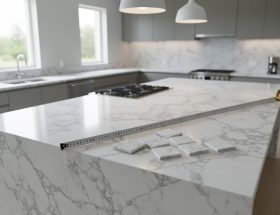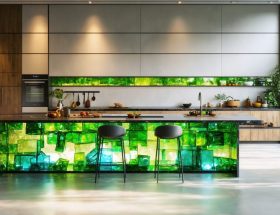

Expect to invest anywhere from $15 to $300 per square foot for kitchen countertops, with material choice driving 60-70% of your total project cost. A typical 30-square-foot kitchen installation ranges from $450 for basic laminate to $9,000+ for exotic granite or quartzite, but the upfront price tells only part of the story.
Calculate your true cost by factoring in three often-overlooked expenses: installation complexity, which can double labor costs for heavy natural stone; maintenance requirements that add $50-200 annually for sealing and specialized cleaners; and replacement timelines, since a $3,000 quartz countertop lasting 25 years costs less per year than $1,500 laminate replaced every decade.
Different materials serve different priorities. Laminate and tile deliver the lowest entry point at $15-40 per square foot installed, making them ideal for rental properties or temporary solutions. Mid-range options like solid surface and basic granite ($40-80 per square foot) balance durability with affordability for primary residences. Premium natural stones including marble, quartzite, and exotic granites ($75-300 per square foot) offer unmatched aesthetics and potential home value appreciation of 5-10% in luxury markets.
The material you select impacts more than aesthetics. Heat resistance, stain susceptibility, required maintenance, and repair costs vary dramatically between options. A comprehensive cost analysis reveals that the cheapest initial investment rarely represents the best long-term value, while premium materials often justify their price through longevity, performance, and resale impact. Understanding these distinctions transforms countertop selection from a simple price comparison into a strategic investment decision aligned with your specific usage patterns, budget constraints, and home improvement goals.
Understanding the True Cost of Countertops
Upfront vs. Lifetime Costs
When evaluating countertop materials, understanding the distinction between upfront costs and lifetime expenses is essential for making a sound investment. The initial purchase price represents only a fraction of what you’ll spend over the countertop’s lifespan.
Upfront costs include materials, fabrication, and installation. Budget-friendly options like laminate ($20-$50 per square foot installed) offer immediate savings, while premium materials like quartzite or marble ($75-$250 per square foot) require substantial initial investment. However, this snapshot doesn’t reveal the complete financial picture.
Lifetime costs encompass maintenance, repairs, sealing treatments, and potential replacement needs over 10-20 years. Laminate countertops may need replacement within 10 years due to wear and damage, effectively doubling your investment. Meanwhile, natural stone like granite or marble, despite higher upfront costs, can last 20+ years with proper care. Annual sealing ($100-$300) and occasional repairs add up, but the durability often justifies the premium.
Consider a practical comparison: a $3,000 laminate installation replaced twice over 20 years totals $6,000, while a $7,000 granite installation requiring $200 annual maintenance equals $11,000. Factor in added home value and aesthetic longevity, and the pros and cons of each material become clearer. Calculate total ownership costs before committing to ensure your choice aligns with both budget and long-term goals.
Hidden Costs Most Homeowners Miss
Beyond the per-square-foot material and installation costs, several expenses catch homeowners off guard. Sealing represents a recurring cost for porous materials like granite, marble, and concrete, typically running $150-300 annually for professional application or $30-75 for DIY products. Some materials require sealing immediately after installation and then every 6-12 months depending on usage.
Edge treatments add $10-100 per linear foot to your total, with simple edges costing less than decorative ogee or waterfall profiles. Standard straight edges are often included in base pricing, but upgraded options increase costs substantially.
Specialized cleaning products are essential for maintaining certain surfaces. Granite and marble need pH-neutral cleaners rather than standard household products, adding $50-100 annually. Quartz manufacturers often recommend specific cleaning solutions to preserve warranties.
Repair costs vary dramatically by material. Chips in quartz typically require professional repair at $200-500 per incident, while natural stone can sometimes be polished to minimize damage at lower cost. Butcher block requires periodic refinishing every few years, costing $200-400 depending on countertop size.
Backsplash coordination, outlet cutouts beyond standard quantities, and specialized sink installations can each add hundreds to thousands to your final invoice. Always request itemized quotes that include these potential additions to avoid budget surprises.
Natural Stone Countertops: Cost-Benefit Breakdown
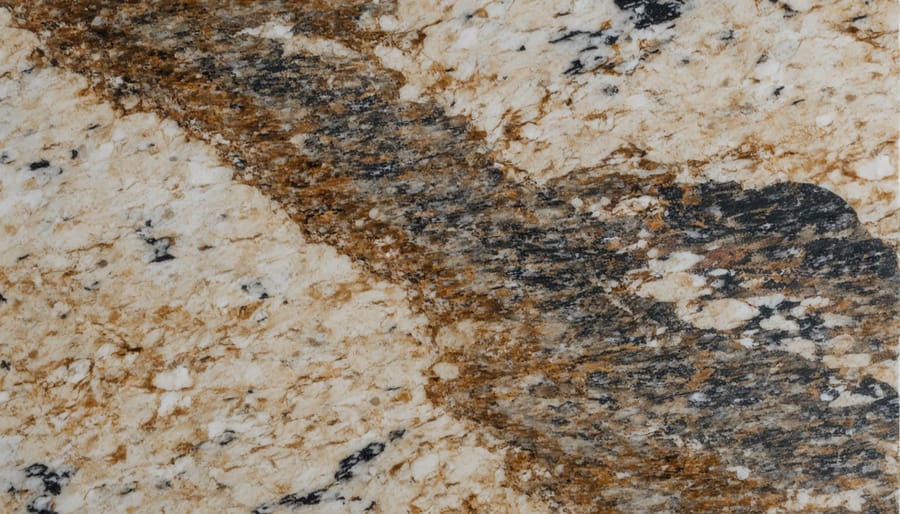
Granite: The Durable Workhorse
Granite remains one of the most popular natural stone options for kitchen countertops, combining proven durability with accessible pricing. Installation costs typically range from $40 to $200 per square foot, with mid-grade options averaging $60-$80 per square foot. This price variation depends on color rarity, slab thickness, edge treatments, and geographic location.
The material’s exceptional durability makes it particularly well-suited for high-traffic kitchens. Granite ranks 6-7 on the Mohs hardness scale, resisting scratches from everyday kitchen tools and activities. Unlike softer materials, granite maintains its polished finish through years of daily use without showing wear patterns around sinks or cooktops.
Heat resistance stands as another practical advantage. You can place hot pots directly on granite surfaces without causing thermal shock or damage, though trivets remain recommended for prolonged heat exposure. This characteristic eliminates concerns about scorching that plague laminate or certain engineered surfaces.
Maintenance requirements remain minimal when properly sealed. Annual or bi-annual sealing—a simple 15-minute task—protects against staining. Daily cleaning requires only mild soap and water, making granite less demanding than materials requiring specialized products.
With proper care, granite countertops regularly exceed 20-year lifespans, often lasting the life of the home. This longevity significantly improves cost-per-year value compared to materials requiring replacement within 10-15 years. For comprehensive selection guidance, consult our granite buying guide covering color selection, edge profiles, and installation considerations that impact final costs.
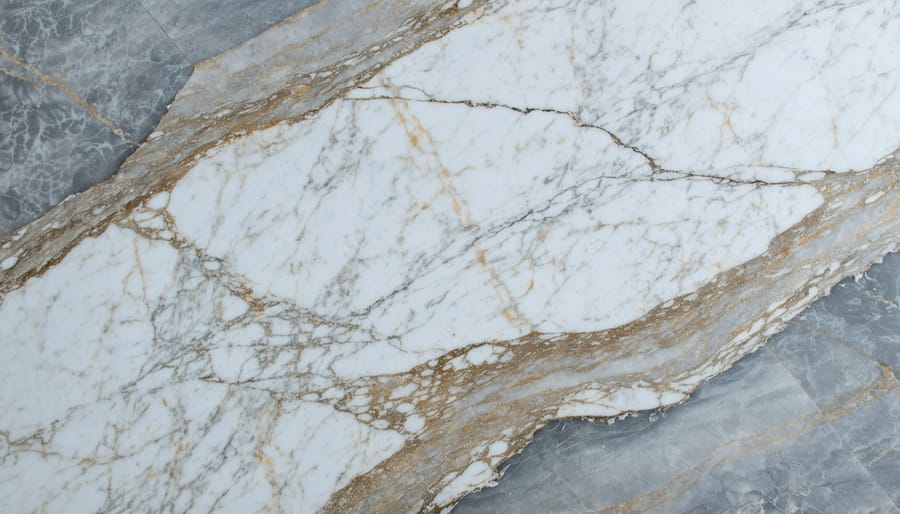
Marble: Luxury with Considerations
Marble represents the pinnacle of countertop elegance, with marble countertop costs ranging from $50 to $250+ per square foot installed. The wide price variance reflects factors like marble type, origin, thickness, edge detail complexity, and regional labor rates. Classic Carrara marble anchors the lower end at $50-100 per square foot, while rare varieties like Calacatta Gold or Statuario command $200-300+ per square foot.
The timeless beauty of marble’s veining patterns and luminous surface creates an unmistakable luxury aesthetic that has endured for centuries. Unlike manufactured materials, marble develops a natural patina over time—a characteristic some homeowners embrace as added character, while others view as a maintenance concern.
Marble requires diligent care. It’s susceptible to etching from acidic substances like lemon juice and wine, and staining from oils and pigmented liquids. Regular sealing every 6-12 months is essential, along with immediate cleanup of spills and use of pH-neutral cleaners.
Despite these considerations, marble excels in specific applications. Bathroom vanities experience less exposure to acids and stains, making them ideal for marble’s elegance. Serious bakers prize marble’s naturally cool surface temperature, perfect for working with pastry dough and chocolate. When matched to appropriate uses and maintained properly, marble delivers unparalleled sophistication and value retention.
Quartzite: Natural Stone Performance
Quartzite delivers exceptional performance at $60-$200 per square foot installed, positioning itself as a premium natural stone option that often justifies its price through remarkable durability. This metamorphic stone forms when sandstone undergoes intense heat and pressure, creating one of the hardest countertop materials available—harder than granite and rivaling engineered quartz in scratch resistance.
The confusion between quartzite and quartz stems from similar names, but they’re fundamentally different. Quartzite is 100% natural stone with unique veining and color variations, while quartz is an engineered product combining crushed stone with resins. True quartzite offers superior heat resistance, withstanding direct contact with hot pans without damage—a significant advantage over engineered alternatives.
From a maintenance perspective, quartzite requires annual sealing like granite, but its dense composition makes it highly resistant to etching from acidic substances. This low-maintenance profile appeals to homeowners seeking natural stone beauty without constant upkeep concerns.
The cost variation within the $60-$200 range depends on rarity, thickness, and finish. Exotic varieties with dramatic veining command premium prices, while classic white or gray options fall toward the lower end. For performance seekers prioritizing longevity and natural aesthetics, quartzite represents excellent value despite higher initial costs compared to granite or marble, as it typically outlasts both with minimal maintenance intervention over decades of use.
Soapstone: The Character Option
Soapstone offers a distinctive option for homeowners seeking character-rich countertops, with installed costs typically ranging from $70 to $150 per square foot. This metamorphic stone presents a softer, more organic aesthetic that naturally darkens and develops a rich patina over time, making it particularly appealing for traditional, farmhouse, or period-appropriate kitchen designs.
The material’s exceptional heat resistance stands as one of its most practical advantages. Soapstone can withstand direct contact with hot pots and pans without damage, eliminating concerns about scorching or thermal shock that affect many other countertop materials. This quality has made it a historical favorite in chemistry labs and around wood-burning stoves.
Maintenance requirements are refreshingly straightforward. The non-porous surface resists staining and doesn’t require sealing, though many homeowners choose to apply mineral oil to enhance and even out the darkening process. Minor scratches and dents can occur due to the stone’s relative softness, but these imperfections often contribute to the material’s lived-in appeal and can be easily buffed out with sandpaper.
The color palette remains limited, predominantly featuring gray tones with subtle white or green veining. While this constraint may not suit every design vision, it creates a cohesive, timeless look that complements both rustic and contemporary spaces. For buyers prioritizing low-maintenance natural stone with authentic aging characteristics over pristine uniformity, soapstone represents excellent value within its price range.
Engineered and Alternative Materials Compared
Quartz: Engineered Consistency
Engineered quartz countertops typically cost between $50 and $150 per square foot installed, positioning them competitively with natural stone while offering distinct advantages. For detailed breakdowns, see our comprehensive quartz pricing details.
The manufacturing process binds approximately 90-95% natural quartz crystals with polymer resins and pigments, creating a non-porous surface that resists staining without requiring periodic sealing. This engineered composition eliminates the maintenance costs associated with natural stone, potentially saving $100-300 annually on sealing products and professional treatments over a countertop’s lifespan.
Quartz delivers remarkable consistency in color and pattern across slabs, eliminating the natural variation that makes matching and replacing natural stone sections challenging. This uniformity appeals to designers seeking predictable aesthetics and homeowners prioritizing cohesive design schemes. Most manufacturers offer 10-15 year warranties covering defects and performance issues, providing peace of mind rarely available with natural materials.
However, environmental considerations merit attention. Quartz production requires significant energy for mixing, molding, and curing processes, while natural stone extraction involves less industrial processing. Heat resistance also differs, as quartz can discolor or damage from hot pans, whereas granite and marble tolerate higher temperatures. Understanding these trade-offs helps buyers align material selection with their priorities, whether emphasizing low maintenance, design consistency, or environmental impact.
Laminate: Budget-Friendly Starter
Laminate countertops represent the most economical entry point into kitchen renovations, with installed costs ranging from $20-$50 per square foot. This price point includes basic edge profiles and standard fabrication, making it accessible for tight budgets or rental properties. The material consists of a photographic layer sealed beneath clear protective resin, bonded to particleboard substrate.
The primary financial consideration with laminate involves its limited lifespan of 10-15 years compared to stone alternatives lasting decades. Scratches, burns, and delamination at seams cannot be repaired effectively, typically requiring full replacement rather than restoration. Water damage near sinks represents a common failure point that accelerates replacement timelines.
Laminate makes financial sense in specific scenarios: temporary housing solutions, rental properties where landlords need presentable surfaces at minimal investment, or staged renovations where homeowners plan future upgrades. For properties being prepared for sale on strict budgets, laminate provides acceptable aesthetics without substantial capital outlay.
However, calculate total cost of ownership carefully. Two laminate replacements over 25 years may exceed the cost of mid-range granite or quartz installed once, making premium materials surprisingly competitive when viewed through a long-term lens.
Butcher Block: Warm and Repairable
Butcher block countertops offer a distinctive aesthetic at $40-$100 per square foot installed, making them a mid-range option that brings natural warmth to kitchens. Edge-grain construction typically costs less, while end-grain designs command premium prices due to labor-intensive manufacturing. Wood species significantly impact pricing, with maple and oak at the lower end and walnut or teak reaching $100 or more per square foot.
The maintenance requirements set butcher block apart from most alternatives. These surfaces require regular oiling every 4-6 weeks to prevent drying and cracking, adding $50-$100 annually in food-safe mineral oil or specialized wood conditioners. Water damage remains a persistent concern near sinks, and heat exposure can cause discoloration or warping. However, butcher block offers exceptional repairability—surface scratches, stains, and minor damage can be sanded out and refinished for $200-$400, a fraction of replacement costs. This DIY-friendly restoration extends lifespan considerably.
Butcher block excels in specific applications: kitchen islands, bar tops, and workspaces where its warm texture and natural character enhance design. For serious cooks, dedicated prep surfaces provide functional knife-friendly work zones while preserving primary countertops.
Solid Surface and Concrete
Solid surface countertops, often recognized by the brand name Corian, typically cost between $50 and $100 per square foot installed. These synthetic materials offer seamless appearance with integrated sinks and excellent repairability. Minor scratches and burns can be sanded out, making them practical for busy kitchens. The non-porous composition resists stains and bacteria without requiring sealing. However, solid surfaces lack the authentic depth and character of natural materials, and they’re susceptible to heat damage from hot pots and pans. The uniform appearance appeals to contemporary design aesthetics but may feel less distinctive compared to stone alternatives.
Concrete countertops range from $75 to $150 per square foot installed, positioning them as a custom artisan option. Each concrete surface is hand-crafted and fully customizable in color, texture, and edge profiles. The industrial-chic aesthetic suits modern and transitional spaces exceptionally well. Concrete offers impressive heat resistance and can incorporate decorative elements like embedded glass or stones. The material requires professional sealing every one to three years to prevent staining and etching from acidic substances. Hairline cracks may develop over time, though many homeowners view these as adding character. Weight considerations necessitate proper cabinet reinforcement, and the fabrication timeline extends four to six weeks due to the curing process.
Porcelain Slabs: The New Contender
Porcelain slabs have rapidly emerged as a compelling alternative to natural stone, with installation costs ranging from $60 to $180 per square foot. This engineered material replicates the appearance of marble, granite, and other natural stones while offering distinct performance advantages that justify its premium positioning in the mid-to-upper price range.
The primary appeal lies in porcelain’s exceptional durability and virtually non-porous surface, which resists staining without requiring the sealing maintenance that natural stone demands. Unlike marble or granite, porcelain slabs are impervious to etching from acidic substances, making them ideal for busy kitchens where lemon juice or vinegar spills are common. UV resistance is another significant benefit—porcelain won’t fade or discolor in outdoor applications or sun-drenched indoor spaces, whereas some natural stones can experience color shifts over time.
However, installation complexity significantly impacts total costs. Porcelain’s extreme hardness requires specialized cutting tools and experienced fabricators, which can add 20-30 percent to labor expenses compared to granite installation. The material’s brittleness also demands careful handling during transport and installation to prevent cracking. For homeowners prioritizing low-maintenance durability and consistent appearance over the authentic character of natural stone, porcelain delivers excellent long-term value despite higher upfront fabrication costs.
Installation Costs and Complexity Factors
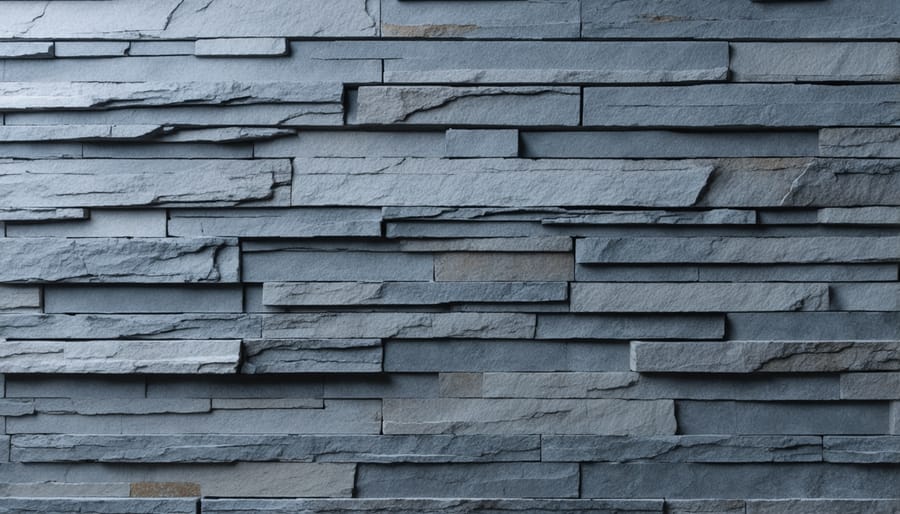
Why Natural Stone Installation Costs More (And Why It’s Worth It)
Natural stone installation commands premium pricing because it demands specialized expertise that goes far beyond basic countertop placement. The professional installation process begins with meticulous templating, where installers create precise measurements accounting for every irregularity in your cabinetry and walls. Unlike manufactured materials with uniform dimensions, each natural stone slab varies in thickness and requires individual assessment.
Fabrication itself involves diamond-blade cutting equipment and trained technicians who understand how to work with the stone’s natural veining and structural characteristics. Improper cuts can cause catastrophic cracking, especially with materials like marble that have directional grain patterns. Skilled fabricators also know how to position seams strategically to minimize visibility while maintaining structural integrity.
Installation requires two-person teams due to weight considerations—granite slabs often exceed 400 pounds—and specialized lifting equipment to prevent damage. Installers must level surfaces perfectly, as natural stone won’t flex to accommodate uneven cabinets. They also apply food-safe sealants and polish edges to your specifications.
This expertise protects your investment. Properly installed natural stone countertops routinely last 25-plus years with minimal maintenance, making the higher upfront installation cost a fraction of the total lifetime value. Amateur installation risks immediate damage or premature failure that negates any initial savings.
DIY vs. Professional Installation
The decision between DIY and professional installation significantly impacts your total countertop investment. While DIY can save 30-50% on labor costs (typically $30-$80 per square foot), the risk-reward calculation varies dramatically by material.
Butcher block and laminate countertops are excellent DIY candidates. These materials are lightweight, forgiving during cutting, and relatively simple to install with basic woodworking tools. Post-formed laminate sections require minimal customization, making them ideal weekend projects. If mistakes occur, replacement costs remain manageable.
Conversely, natural stone countertops demand professional installation. Granite and marble slabs weigh 18-20 pounds per square foot, requiring specialized lifting equipment and multiple installers. The cutting process necessitates diamond-tipped tools and precision measurements—a single miscalculation on a $2,000 slab creates costly consequences. Stone also requires proper seam placement techniques and structural support assessment that only experienced fabricators can provide.
Quartz and solid surface materials fall into a similar category. Though engineered, these materials require professional templating, specialized adhesives, and factory-backed installation protocols.
Warranty implications present another critical consideration. Most natural stone and quartz manufacturers void material warranties if installation isn’t performed by certified professionals. This protection typically covers manufacturing defects and inherent material flaws—coverage you forfeit with DIY installation. Additionally, homeowner’s insurance may not cover damage from improper DIY stone installation, leaving you fully liable for both material loss and any structural damage to cabinetry or flooring.
Long-Term Value: Maintenance, Durability, and ROI
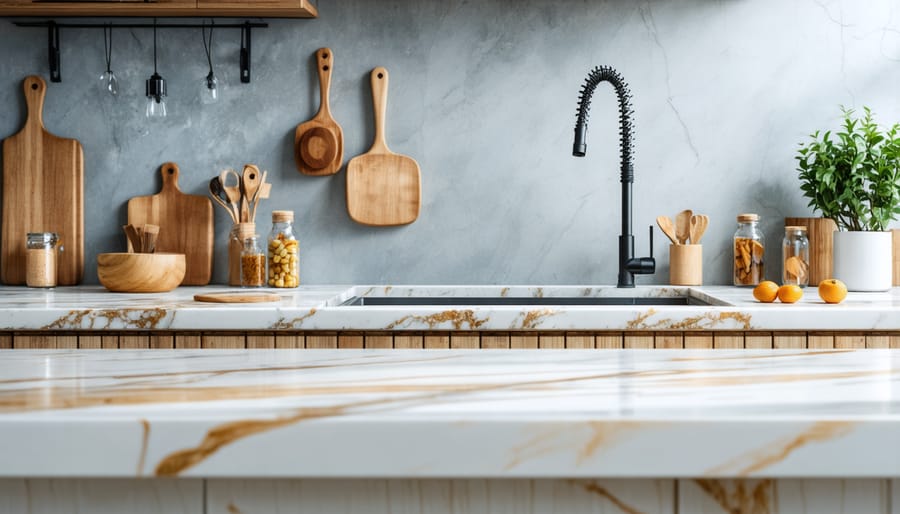
Maintenance Cost Comparison by Material
Understanding the true cost of countertop ownership requires looking beyond the initial purchase price to examine annual maintenance expenses. Different materials demand varying levels of care, from simple daily cleaning to professional services and periodic treatments.
Granite countertops require sealing every 1-2 years, with quality sealers costing $30-60 per application for an average kitchen. Professional sealing services typically run $150-250 annually. Daily cleaning products designed for natural stone cost approximately $50-75 per year. Over a 10-year period, expect to invest $800-1,200 in maintenance beyond basic cleaning supplies.
Marble represents the highest maintenance commitment among popular countertop materials. Professional sealing should occur annually at $200-300 per visit, with premium sealers necessary for optimal protection. Specialized pH-neutral cleaners cost $75-100 yearly, and many homeowners invest in professional polishing every 2-3 years at $400-600 per service. Total 10-year maintenance costs can reach $2,500-4,000.
Quartzite maintenance closely mirrors granite, requiring sealing every 1-2 years and similar cleaning protocols. Budget $700-1,100 over 10 years for sealing and appropriate cleaning products. The dense nature of quartzite often extends the time between sealings compared to more porous natural stones.
Engineered quartz eliminates sealing requirements entirely, making it the lowest-maintenance option. Annual costs remain limited to basic non-abrasive cleaners at $30-40 yearly. The quartz maintenance requirements translate to just $300-400 over a decade, representing significant savings compared to natural stone alternatives.
Butcher block demands the most frequent attention, requiring monthly oiling at $60-80 annually for food-safe mineral oil. Periodic sanding and refinishing every 3-5 years adds $200-400 per occurrence. Ten-year costs typically reach $1,200-1,800, though DIY maintenance can reduce expenses substantially.
Resale Value Impact
Countertop material selection significantly influences home resale value and buyer appeal. According to national real estate data, kitchen renovations featuring natural stone countertops typically recoup 70-80% of their investment, compared to 50-65% for laminate or tile alternatives. This substantial difference reflects both tangible appraisal impacts and the psychological effect these materials have on potential buyers.
Granite and marble countertops consistently rank among the top features homebuyers seek, with real estate professionals reporting that homes with natural stone often sell 3-5% faster than comparable properties. Quartz performs similarly well, offering premium positioning without the maintenance concerns some buyers associate with natural materials. Professional appraisers typically add $2,000-$5,000 to home valuations for quality granite installations, while marble can command even higher premiums in luxury markets.
Material durability directly correlates with resale advantage. Natural stone’s 20-30 year lifespan means buyers perceive it as a long-term value, whereas laminate or tile countertops may require replacement within 10-15 years. This longevity factor becomes particularly important in competitive markets where buyers scrutinize maintenance costs and upgrade timelines.
Case studies from major metropolitan areas demonstrate that kitchens with natural stone countertops photograph better in listings and generate more showing requests. The visual impact of marble veining or granite depth patterns creates memorable first impressions that synthetic materials struggle to replicate. While personal taste varies, aggregate market data consistently shows natural stone delivering superior return on investment across diverse price points and regional markets, making it a financially sound choice for homeowners considering future resale potential.
Making Your Decision: Cost-Benefit Framework
Best Value by Budget Tier
Selecting the right countertop material depends significantly on your budget parameters and what value means for your specific situation. Here’s how to maximize your investment at each price tier.
For projects under $5,000, laminate and tile offer the best value proposition. Modern laminate has evolved dramatically, with high-definition patterns that convincingly mimic natural stone at $20-50 per square foot installed. Ceramic or porcelain tile provides genuine durability and heat resistance at similar pricing, with the added benefit of easy spot repairs. Both options work well for smaller kitchens or secondary spaces like laundry rooms where premium materials may not justify the cost differential.
In the $5,000-10,000 range, quartz emerges as the clear value leader for most homeowners. At $60-90 per square foot installed, it delivers non-porous performance, minimal maintenance, and consistent aesthetics without the premium pricing of natural stone. Granite also becomes viable here for buyers prioritizing authentic natural material, particularly if you’re flexible on slab selection and avoid exotic varieties. This tier represents the sweet spot where durability and aesthetics align with reasonable long-term ownership costs.
For budgets exceeding $10,000, marble and quartzite provide optimal value for those seeking distinctive beauty and potential home value appreciation. While maintenance requirements increase, these materials offer irreplaceable visual character and the prestige that influences resale appeal. In luxury markets, the investment often returns 70-85% of costs in home value, making them financially sound choices beyond pure aesthetics.
Best Value by Lifestyle Needs
Selecting the right countertop material depends heavily on how you actually use your kitchen. Busy families with young children benefit most from quartz, which combines durability with stain resistance and requires no sealing—ideal for managing spills and homework sessions. Cooking enthusiasts should consider granite or soapstone for their heat tolerance, allowing hot pots directly on the surface without damage. Those who frequently entertain guests find marble’s dramatic veining creates an impressive focal point, though it demands more careful maintenance. Minimal maintenance seekers achieve best value with quartz or solid surface materials that eliminate sealing requirements and offer straightforward cleaning routines. For aesthetics-focused homeowners prioritizing visual impact over practical concerns, marble and quartzite deliver unmatched natural beauty that justifies their premium cost through increased home value and daily enjoyment. Match your material choice to your actual lifestyle patterns rather than aspirational habits to maximize long-term satisfaction and return on investment.
When evaluating countertop costs by material, the lowest upfront price rarely translates to the best long-term value. While laminate and tile may offer immediate budget relief, the total cost of ownership tells a more complete story. Countertops represent a significant investment in your home, and focusing exclusively on initial expense can lead to regret when replacement becomes necessary years earlier than anticipated.
Natural stone options like granite and marble occupy a competitive middle ground when you factor in durability, maintenance costs, and lifespan. A granite countertop installed at $75 per square foot that lasts 25 years with minimal upkeep costs just $3 per square foot annually. Compare this to laminate at $40 per square foot lasting 10 years, which effectively costs $4 per square foot per year, not accounting for the disruption and labor costs of replacement.
Beyond pure economics, consider your daily experience with the surface. Natural stone offers aesthetic qualities and tactile satisfaction that synthetic alternatives simply cannot replicate. The unique patterns, cool touch, and substantial feel contribute to long-term enjoyment that compounds over decades of use.
Your specific project parameters will significantly impact final costs. Kitchen size, edge profiles, cutouts for sinks and cooktops, and regional labor rates all affect your bottom line. Rather than making decisions based on generalized price ranges, consult with natural stone specialists who can provide accurate quotes tailored to your exact specifications. These professionals can also guide you toward materials that align with your budget while meeting your performance expectations, ensuring you make an investment that delivers satisfaction for years to come.