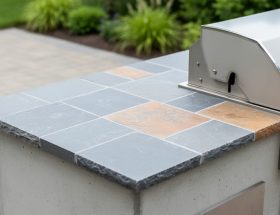
Granite doesn’t have an R-value. This common misconception stems from confusing stone with insulation materials like fiberglass or foam. R-value measures thermal resistance in insulating materials, indicating how well they prevent heat transfer through a building envelope. Granite, as a dense natural stone with high thermal mass, operates on entirely different thermal principles.
What granite actually possesses is thermal conductivity, measured in BTU/(hr·ft·°F) or W/(m·K), which ranges from 1.7 to 4.0 depending on mineral composition and density. This measurement tells you how quickly heat moves through the material, not how well it resists heat flow. Dense granite with higher quartz content conducts heat more efficiently than varieties with more feldspar or mica.
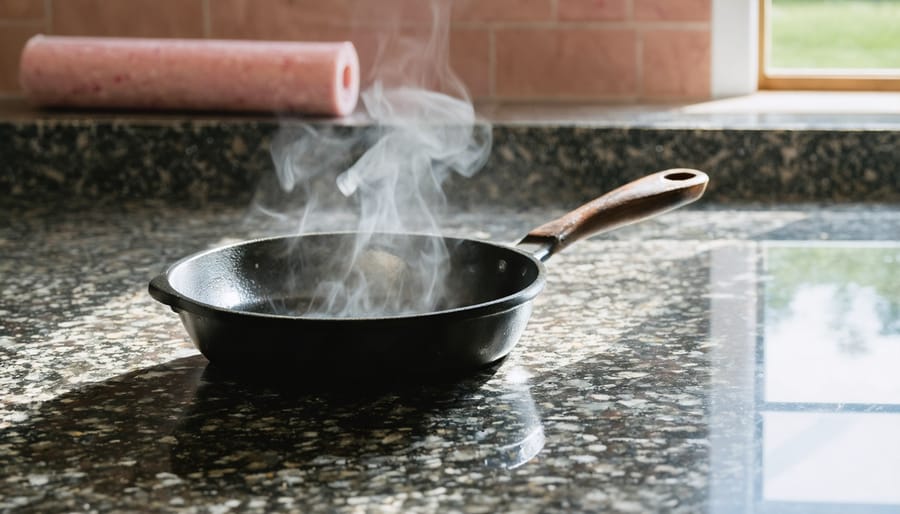
For countertops, this means granite absorbs heat from hot pans without immediate surface damage, then slowly releases that thermal energy. For flooring applications, granite’s thermal mass helps regulate indoor temperatures by storing heat during warm periods and releasing it when surrounding air cools. In construction, granite cladding or structural elements contribute to a building’s overall thermal performance through mass rather than insulation.
Understanding these actual thermal properties helps you select the right granite variety for your specific application, whether prioritizing heat resistance, temperature stability, or energy efficiency in your design decisions.
What R-Value Actually Measures (And Why Granite Doesn’t Have One)
R-value is a measurement of thermal resistance used in the building industry to rate materials specifically designed to prevent heat transfer. It tells you how well a material resists the flow of heat through it—the higher the R-value, the better the insulation. Common insulating materials like fiberglass batts, foam boards, and spray foam carry R-value ratings because their primary purpose is to slow down heat movement between spaces.
Here’s the key distinction: R-value applies to insulators, which are materials engineered to trap air or create barriers that minimize heat flow. These materials are typically lightweight, porous, and have low thermal conductivity. Think of the pink fiberglass in your attic or the rigid foam panels used in wall construction.
Granite, on the other hand, is a dense, solid stone that conducts heat rather than resists it. When you’re dealing with stone, you’re working with a thermal mass material, not an insulator. Thermal mass materials absorb, store, and slowly release heat energy. This is a completely different thermal behavior than insulation.
The reason granite doesn’t have an R-value is simple: it would be an inappropriate measurement for what granite actually does. Assigning an R-value to granite would be like measuring a car’s speed in gallons—the metric doesn’t match the function. Instead, granite’s thermal properties are characterized by measurements like thermal conductivity (how quickly heat passes through it) and specific heat capacity (how much heat energy it can store).
Understanding this difference is crucial when selecting materials for your project. If you’re looking at granite for countertops or flooring, you don’t need an R-value—you need to understand how its thermal mass will perform in your specific application.
Granite’s Real Thermal Properties: Conductivity and Thermal Mass
Thermal Conductivity: How Granite Transfers Heat
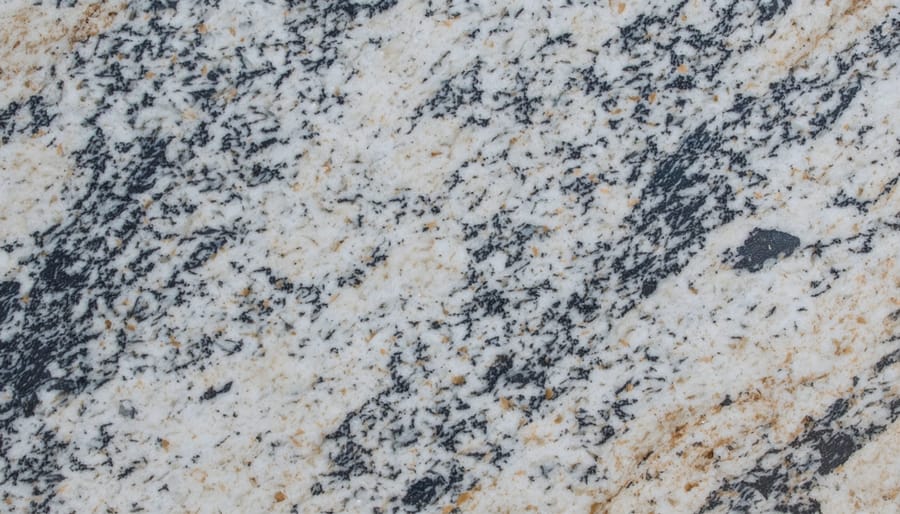
Thermal conductivity measures how quickly heat moves through a material, and for granite, this value typically ranges from 1.7 to 4.0 watts per meter-kelvin (W/m·K). The wide range depends on the specific mineral composition, density, and crystal structure of each granite variety. Darker granites with higher quartz content generally fall on the higher end of this spectrum, while lighter varieties tend toward the lower range.
To put this in perspective, granite conducts heat significantly better than wood (0.12-0.16 W/m·K) or concrete (0.8-1.4 W/m·K), but not as efficiently as metals like aluminum (205 W/m·K). This moderate thermal conductivity makes granite neither a true insulator nor a highly conductive material, positioning it in a practical middle ground for many applications.
For countertops, granite’s thermal conductivity creates a naturally cool surface that feels refreshing to the touch, especially in warm kitchens. The stone can absorb heat from hot pots and pans without cracking, though using trivets is still recommended to prevent potential thermal shock from extreme temperature changes. This heat absorption also means granite countertops won’t radiate heat back into your kitchen the way some synthetic materials might.
In flooring applications, granite’s thermal properties contribute to temperature stability. The stone absorbs and releases heat gradually, helping to moderate indoor temperatures. This characteristic makes granite flooring compatible with radiant heating systems, as the material effectively distributes warmth throughout a room without creating uncomfortable hot spots.
Understanding these thermal properties helps you make informed decisions about where and how to use granite in your projects, ensuring the material’s natural characteristics align with your functional requirements and comfort expectations.
Thermal Mass: Granite’s Temperature Stability Advantage
While granite’s low R-value might suggest poor insulation, its real thermal advantage lies in thermal mass—the ability to absorb, store, and slowly release heat energy. This characteristic often matters more than insulation value in real-world applications.
Granite’s exceptional density, typically ranging from 160 to 180 pounds per cubic foot, combined with its specific heat capacity of approximately 0.19 BTU per pound per degree Fahrenheit, creates significant thermal mass. This means granite can absorb substantial amounts of heat without experiencing rapid temperature changes. When temperatures fluctuate, granite remains relatively stable, moderating the environment around it.
In practical terms, granite countertops stay cool during hot summer days because they absorb heat slowly from the surrounding air. Conversely, they retain warmth longer during cooler periods. This temperature stability makes granite particularly valuable in passive solar design strategies, where stone floors and walls absorb daytime heat and release it gradually at night, reducing heating and cooling demands.
For buildings, this thermal mass effect contributes to energy efficiency differently than insulation. While insulation resists heat transfer, thermal mass shifts when that transfer occurs. In climates with significant day-night temperature swings, granite’s thermal mass can reduce peak heating and cooling loads by 10 to 30 percent compared to lightweight materials.
This explains why granite performs well in applications where temperature stability matters more than resistance to heat flow. Kitchen countertops benefit from staying cool during food preparation, while granite flooring in sunrooms can help regulate interior temperatures naturally. Understanding this distinction helps architects and designers specify granite where its thermal properties provide genuine performance advantages rather than expecting it to function as an insulator.
How Granite Quality Affects Thermal Performance
Density and Porosity Ratings
Granite’s density and porosity directly influence its thermal performance and long-term durability. Understanding these characteristics helps you select superior material that performs better in real-world applications.
High-quality granite typically exhibits density ranging from 2.63 to 2.75 grams per cubic centimeter (g/cm³). Denser granite contains tightly packed mineral crystals with minimal void spaces, creating a more stable material that resists temperature fluctuations and maintains consistent thermal properties. This compact structure also provides superior resistance to staining, moisture absorption, and structural deterioration over time.
Porosity measures the percentage of void spaces within the stone. Premium granite displays porosity levels below 0.4%, while lower-grade varieties may exceed 1%. These microscopic spaces between mineral grains create pathways for heat transfer and moisture penetration. Lower porosity means fewer heat-escape routes, resulting in more predictable thermal behavior and enhanced structural integrity.
When evaluating granite samples, consider that darker colors with uniform grain patterns often indicate higher density and lower porosity. The relationship between these physical properties and stone quality grades becomes particularly important for thermal applications. Request density and absorption testing results from suppliers, especially for projects requiring specific performance standards.
During selection, examine the stone’s surface closely. Premium granite should show minimal pitting, tight grain structure, and consistent coloration without excessive veining that might indicate weakness. These visual cues often correlate with the superior density and low porosity that deliver both excellent thermal stability and lasting durability in residential and commercial installations.
Mineral Composition and Color Variations
Granite’s mineral composition does create subtle variations in thermal properties, though these differences are relatively minor when compared to factors like thickness and installation method. The primary minerals in granite—quartz, feldspar, and mica—each conduct heat at slightly different rates, which means that granites with varying mineral ratios may perform marginally differently in thermal applications.
For instance, granites with higher quartz content tend to have slightly better thermal conductivity than those dominated by feldspar. Dark-colored granites, which often contain more biotite mica and amphibole minerals, may absorb heat more readily than lighter varieties rich in feldspar and muscovite mica. However, these variations typically result in differences of less than 10 percent in thermal conductivity measurements.
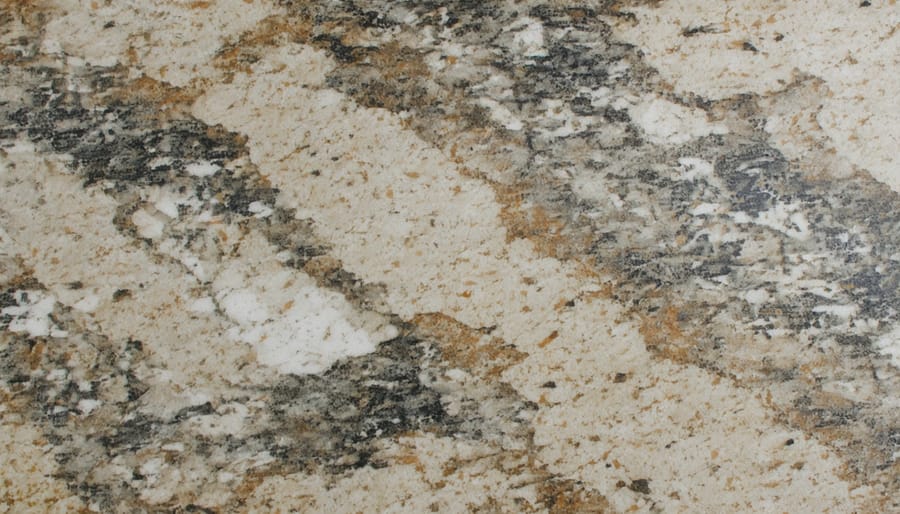
The color variations you see in granite directly reflect these mineral differences. Black and dark gray granites like Absolute Black contain significant amounts of dark minerals, while lighter granites such as Kashmir White feature predominantly light-colored feldspars and quartz. Despite these compositional differences, all granite types maintain relatively similar thermal performance characteristics that make them suitable for the same applications.
From a practical standpoint, these minor compositional variations should not be the deciding factor when selecting granite for most residential or commercial projects. The thickness of the slab, the substrate material beneath it, and the overall installation environment will have far more significant impacts on how granite performs thermally in your space.
Real-World Applications: When Granite’s Thermal Properties Matter Most
Kitchen Countertops and Heat Resistance
Granite’s high thermal conductivity creates interesting practical benefits in kitchen applications. When you place a hot pot or pan on a granite countertop, the stone quickly disperses heat across its surface and into its mass. This rapid heat distribution means the area directly beneath the cookware doesn’t experience prolonged extreme temperatures that could cause damage. While granite can handle brief contact with hot items without scorching or discoloring, using trivets remains recommended for very hot cookware to prevent potential thermal shock.
The same conductive property that helps granite handle heat also explains why it feels cool to the touch, even in warm kitchens. Granite draws heat away from your hand faster than materials with lower conductivity, creating that characteristically cool sensation. This makes granite more comfortable to work on compared to materials like laminate or certain solid surfaces that tend to retain ambient temperature. In contrast, marble feels even cooler due to its slightly higher conductivity, while engineered quartz typically feels warmer because it contains resin binders that reduce thermal conductivity. Understanding these thermal characteristics helps homeowners make informed decisions about countertop materials based on their cooking habits and aesthetic preferences.
Flooring and Passive Climate Control
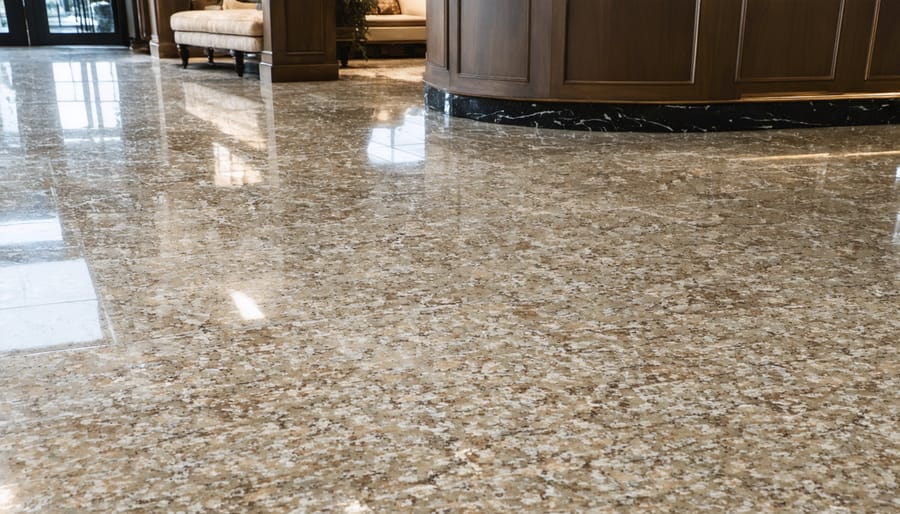
While granite’s R-value is relatively low, making it ineffective as an insulator, this same property makes it excellent for passive climate control through thermal mass. Granite flooring absorbs heat during the day and releases it slowly at night, helping regulate indoor temperatures naturally.
In passive solar home designs, natural stone flooring like granite acts as a thermal battery. When positioned to receive direct sunlight, granite floors can absorb significant solar heat energy. As evening temperatures drop, the stored warmth radiates back into the living space, reducing heating demands and creating more stable indoor temperatures.
This thermal mass effect works best in climates with significant day-to-night temperature swings. A thick granite floor, typically 1.25 to 2 inches, provides optimal thermal mass performance. The stone’s density and heat capacity allow it to store approximately 35 BTUs per cubic foot for every degree Fahrenheit of temperature change.
For maximum effectiveness, architects specify darker granite colors in areas receiving direct sun exposure, as darker stones absorb heat more efficiently. This passive strategy can reduce heating and cooling costs by 10-20 percent annually while maintaining comfortable indoor environments year-round.
Exterior Cladding and Facade Applications
In exterior cladding applications, granite faces significant temperature fluctuations throughout day-night cycles and seasonal changes. While granite’s low thermal conductivity means it doesn’t provide substantial insulation value on its own, this property proves advantageous in facade systems. The stone’s resistance to thermal transfer helps reduce heat gain during peak sunlight hours and minimizes radiant heat loss in cooler conditions. Its exceptional durability and minimal thermal expansion coefficient prevent cracking and degradation despite repeated heating and cooling cycles, making granite a reliable choice for building exteriors in diverse climates.
What to Ask Your Stone Supplier Instead of R-Value
When selecting granite for your project, skip questions about R-value and focus on specifications that genuinely indicate quality and performance. Here’s your practical checklist:
Start by requesting the stone’s density measurement, typically expressed in pounds per cubic foot or kilograms per cubic meter. Premium granite should range between 160-180 pounds per cubic foot. Higher density generally indicates superior durability and resistance to wear, making it ideal for high-traffic applications like kitchen countertops or commercial flooring.
Next, ask about water absorption rates. Quality granite should absorb less than 0.4% of its weight in water according to ASTM C615 standards. Lower absorption rates mean better resistance to staining, freeze-thaw damage, and bacterial growth. Request test results showing the specific absorption percentage for the slab you’re considering.
Compressive strength matters significantly for structural and heavy-use applications. Commercial-grade granite typically exceeds 19,000 PSI (pounds per square inch). While most countertop applications don’t require maximum strength, this specification reveals overall stone integrity and quality.
Understanding grade classifications helps you evaluate what to look for when purchasing granite. Granite comes in three commercial grades. First-choice or premium grade features consistent color, minimal fissures, and uniform thickness. Commercial grade may have slight variations but remains structurally sound. Second-choice or builder’s grade often contains more visible imperfections and color inconsistencies.
Additionally, ask your supplier about:
Flexural strength, which measures bending resistance (typically 1,000-3,000 PSI for granite)
Origin and quarry location, as different regions produce varying quality levels
Finishing processes applied to the stone
Available warranties covering structural integrity
Testing certifications from recognized laboratories
These concrete specifications provide far more useful information than thermal measurements when evaluating granite for typical residential or commercial applications. Armed with these questions, you’ll make informed decisions based on relevant performance criteria rather than misapplied thermal concepts.
While R-value doesn’t apply to granite as a thermal insulation metric, understanding the material’s actual thermal properties empowers you to make informed decisions. Granite’s thermal conductivity determines how quickly it transfers heat, while its thermal mass affects how much heat energy it can store and release over time. These characteristics make granite an excellent choice for applications where temperature stability and heat distribution matter, from kitchen countertops to radiant floor heating systems.
Quality grades play a significant role in granite’s overall performance. Higher-grade granite typically features more consistent density and fewer structural imperfections, which translates to more predictable thermal behavior and better long-term durability. When evaluating granite for your project, focus on density measurements, porosity ratings, and compression strength rather than searching for an R-value that simply doesn’t exist for this material.
The key takeaway is simple: assess granite using the proper metrics for stone materials. Consider thermal conductivity if heat transfer matters for your application, evaluate thermal mass for temperature stability needs, and always prioritize quality grading to ensure you’re getting stone that performs reliably. By understanding these correct measurements, you’ll select granite that truly meets your functional and aesthetic requirements.