
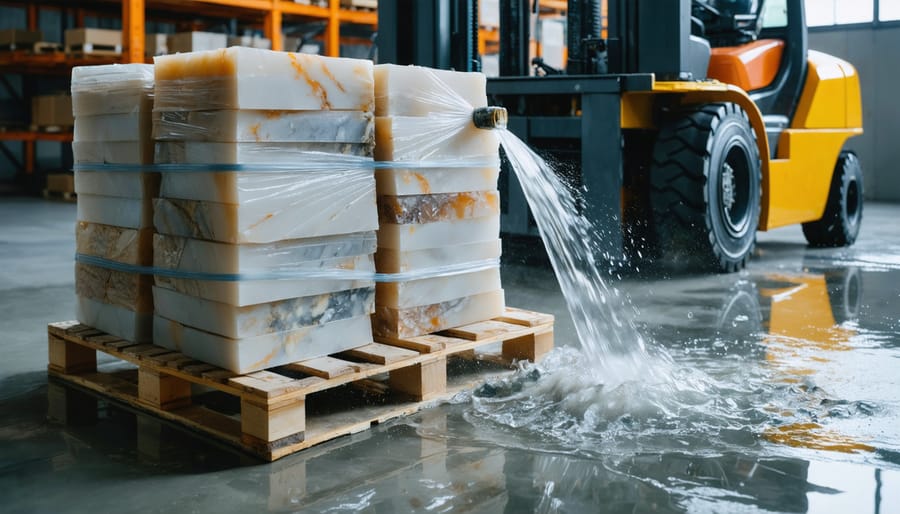
The natural stone industry faces a paradox: we extract one of Earth’s most enduring materials while wrapping it in packaging that persists in landfills for centuries. Water soluble packaging offers a revolutionary solution, dissolving completely in water within minutes and leaving zero plastic waste behind. This biodegradable technology uses polyvinyl alcohol (PVA) films that maintain the protective strength needed for heavy stone products during transit, yet vanish when exposed to water temperatures as low as 60°F.
For stone fabricators, distributors, and architects committed to sustainability, water soluble packaging represents more than an environmental gesture. It addresses the mounting pressure from green building standards, eliminates disposal costs, and aligns natural stone’s timeless appeal with modern ecological values. The technology has already proven effective in industries handling similarly heavy, fragile products, from detergent pods to agricultural chemicals.
This transition matters because the stone industry ships millions of square feet annually, each piece traditionally wrapped in polyethylene or bubble wrap that contributes to the 380 million tons of plastic produced globally each year. Water soluble alternatives break down into carbon dioxide and water, earning certifications from organizations like the Biodegradable Products Institute. Understanding how this packaging performs with stone products, its cost implications, and practical implementation strategies empowers industry professionals to make informed decisions that protect both their products and the planet.
The Packaging Problem in the Stone Industry
Why Stone Products Need Robust Protection
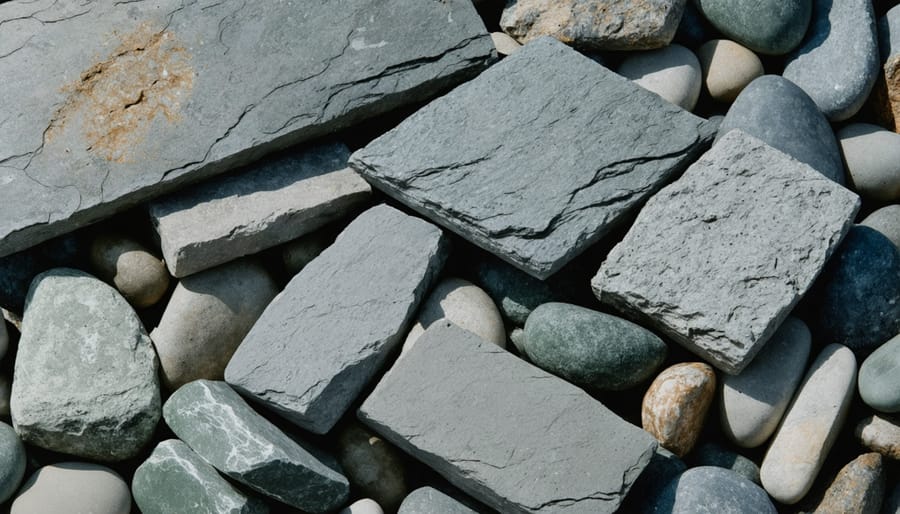
Natural stone products face exceptional challenges during transportation and storage that demand specialized protection solutions. Unlike many manufactured materials, stone slabs and tiles combine significant weight with surprising fragility, creating a unique packaging dilemma. A single granite countertop slab can weigh several hundred pounds, yet its edges and corners remain vulnerable to chipping and cracking during transit.
Moisture presents another critical concern in stone product logistics. While stone itself is generally moisture-resistant, exposure to water during shipping can damage accompanying materials, promote mold growth on organic residues, and complicate handling procedures. Traditional packaging materials like cardboard and foam provide necessary cushioning but generate substantial waste and often fail to protect against water infiltration effectively.
The industry also faces pressure to reduce packaging volume and weight, as shipping costs directly correlate with both factors. Heavy-duty protection historically meant adding more material, increasing transportation expenses and environmental impact. These competing demands make stone products an ideal candidate for innovative packaging solutions that balance protection, sustainability, and cost-effectiveness while addressing the specific vulnerabilities inherent to natural stone materials.
The Environmental Cost of Conventional Stone Packaging
The stone industry’s reliance on conventional packaging generates staggering amounts of waste annually. According to industry estimates, packaging materials account for approximately 15-20% of total shipping weight for stone products, translating to thousands of tons of plastic wrap, foam, and non-recyclable materials ending up in landfills each year. A typical pallet of stone tiles requires multiple layers of plastic sheeting, foam corner protectors, and wooden crates—much of which cannot be recycled due to contamination from adhesives and mixed materials.
The environmental impact extends beyond volume. Traditional plastic packaging can take 500-1,000 years to decompose, while foam materials release harmful chemicals as they break down. A single large-scale commercial project requiring 10,000 square feet of stone can generate over 2,000 pounds of packaging waste. For an industry shipping millions of square feet globally, these numbers compound dramatically. The shift toward sustainable stone packaging alternatives has become increasingly urgent as architects and designers demand transparency about environmental footprints throughout the supply chain.
What Is Water Soluble Packaging?
The Science Behind Dissolution
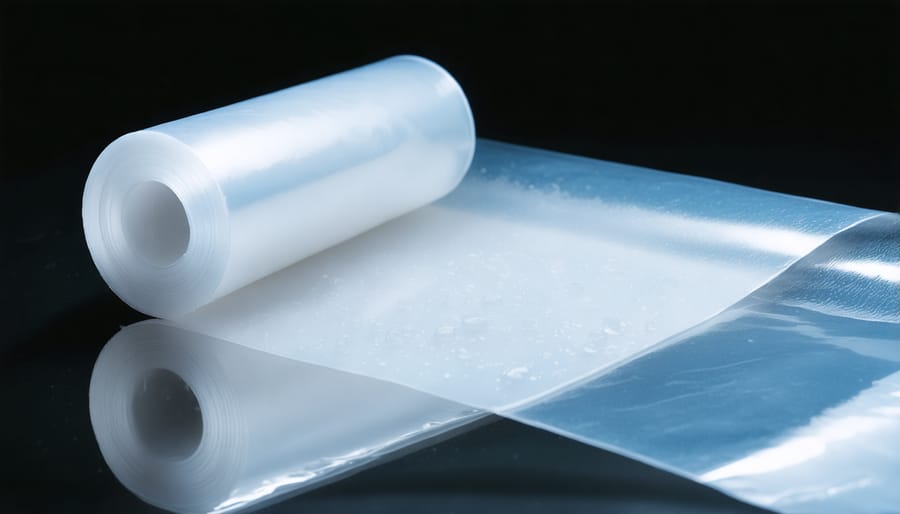
Water soluble packaging works through a straightforward chemical process. These films are typically made from polyvinyl alcohol (PVOH or PVA), a synthetic polymer that dissolves when it comes into contact with water. Unlike traditional plastics that break into smaller pieces, water soluble films actually dissolve at the molecular level, leaving no microplastics behind.
The dissolution process depends on water temperature and film thickness. Most water soluble packaging dissolves completely in cold water within 3-5 minutes, though warmer water accelerates the breakdown to under a minute. For stone product applications, this means packaging can be removed quickly during unpacking or even rinsed away with standard cleaning procedures.
The dissolved material breaks down into carbon dioxide and water through natural bacterial action in wastewater treatment systems or soil. This biodegradation typically occurs within 30-90 days under normal environmental conditions. The process requires no special equipment or facilities, making it practical for everyday use in warehouses, construction sites, and residential settings where stone products are delivered and installed.
Environmental Safety and Biodegradability
Water soluble packaging offers significant environmental advantages when properly managed. Once dissolved in water, most polyvinyl alcohol (PVA) based materials break down into carbon dioxide, water, and biomass through natural microbial activity. The dissolution process is non-toxic, leaving no harmful microplastics behind—a critical distinction from traditional plastics that fragment into smaller pieces but never fully decompose.
Leading manufacturers obtain certifications from organizations like BPI (Biodegradable Products Institute) and meet ASTM D6400 standards for compostability. These third-party verifications confirm that materials biodegrade within specific timeframes under industrial composting conditions. However, degradation rates vary depending on environmental factors like temperature, microbial presence, and oxygen availability.
For stone industry applications, this means packaging dissolves safely during cleaning processes without contaminating water systems or leaving residue on stone surfaces. The resulting solution can typically enter standard wastewater treatment facilities, where microorganisms complete the biodegradation cycle.
It’s important to note that while water soluble packaging significantly reduces environmental impact compared to conventional plastics, proper disposal infrastructure remains essential. In environments lacking adequate microbial activity or water treatment systems, degradation may occur more slowly. Industry professionals should verify local waste management capabilities and choose certified products that align with their facility’s environmental protocols and regional disposal standards.
How Water Soluble Packaging Works for Stone Products
Protective Wrapping and Cushioning
Water soluble films provide an effective protective barrier for stone products throughout the supply chain. These innovative materials shield delicate surfaces from scratches, moisture, and contamination while maintaining full visibility for quality inspection. Unlike traditional plastic wraps that require cutting and disposal, water soluble pouches simply dissolve when exposed to water during unpacking or installation preparation.
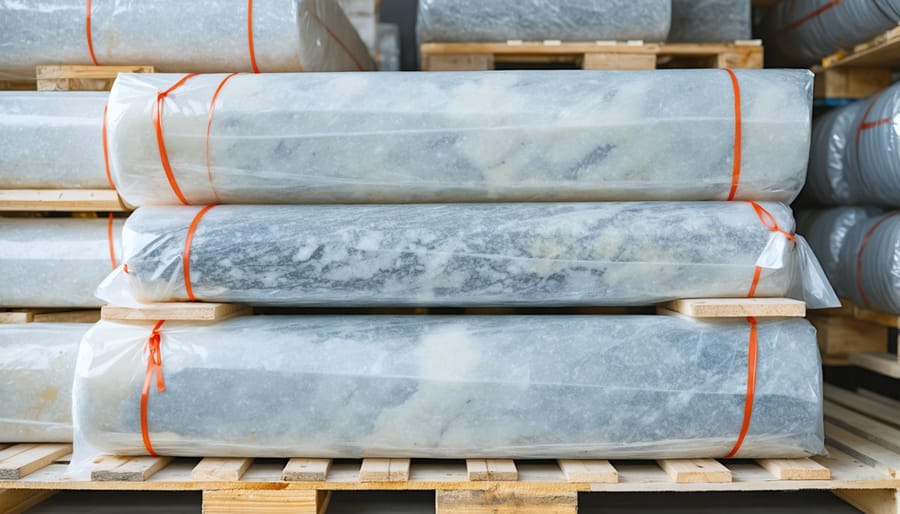
For high-value marble slabs and finished countertops, water soluble packaging offers cushioning properties comparable to conventional bubble wrap. The films create a protective layer between stacked materials, preventing surface-to-surface contact that could cause chipping or etching. Multiple thickness options accommodate different protection levels, from lightweight films for polished tiles to heavier gauge materials for rough-cut slabs.
The packaging dissolves completely in standard water temperatures, eliminating the need for separate waste management. This streamlined approach reduces handling time at job sites and fabrication facilities. Stone installers particularly appreciate the convenience during outdoor projects, where rain naturally removes the packaging. The technology proves especially valuable for international shipments, where traditional packaging materials face disposal restrictions. As sustainability becomes increasingly important in construction, water soluble wrapping presents a practical solution that doesn’t compromise product protection or add complexity to logistics operations.
Accessories and Small Component Packaging
Water soluble packaging offers practical solutions for the small components that accompany stone product deliveries. Installation kits containing touch-up compounds, color-matched sealants, and adhesive samples can be packaged in dissolvable films that dissolve during first use or cleaning, eliminating disposal concerns. Hardware items like mounting brackets, spacers, and leveling clips arrive in protective pouches that dissolve in water, reducing packaging waste at job sites.
This approach proves particularly valuable for product samples sent to architects and designers. Color chips, finish samples, and test tiles can be individually wrapped in water soluble films that protect during shipping but dissolve away without leaving plastic waste in design studios. The packaging maintains product integrity during transit while supporting the stone industry’s sustainability messaging.
Maintenance product samples, such as single-use sealant packets or cleaning solution sachets, benefit significantly from dissolvable packaging. Users can drop the entire sealed packet into water or application solution without opening it, ensuring accurate dosing and eliminating partially-used sample waste. This convenience factor enhances customer experience while demonstrating environmental responsibility. For stone suppliers seeking to differentiate their service offerings, water soluble packaging for accessories presents a tangible commitment to reducing plastic waste throughout the supply chain.
Real-World Benefits for Architects, Designers, and Consumers
Simplified Installation and Cleanup
Water soluble packaging transforms the stone installation process by eliminating the time-consuming task of removing and disposing of traditional packaging materials. Installers simply open the water soluble bags, remove the stone products, and dissolve the packaging in water—no cutting through plastic wrap, untying bundles, or hauling away cardboard boxes. This streamlined approach is particularly beneficial at job sites where space is limited and waste management is complex. The dissolved packaging creates no landfill waste and requires no separate disposal arrangements, reducing both labor costs and environmental impact. For large commercial projects involving multiple stone deliveries, this simplification can save hours of cleanup time while keeping work areas organized and professional. The convenience factor also reduces the risk of packaging debris scratching or damaging nearby installed materials, addressing a common concern during multi-phase construction projects.
Enhanced Brand Perception
Adopting water-soluble packaging sends a powerful message to environmentally conscious consumers and design professionals. Stone suppliers who implement these sustainable solutions differentiate themselves in a competitive marketplace where green credentials increasingly influence purchasing decisions. Architects and designers actively seeking suppliers with robust environmental practices are more likely to specify products from companies demonstrating genuine commitment to sustainability. This packaging choice provides tangible proof of environmental responsibility, moving beyond marketing claims to visible action. The visual impact of dissolving packaging can become a compelling demonstration during product presentations and showroom experiences. Companies report increased customer loyalty and positive word-of-mouth when clients witness this innovative approach firsthand. For luxury stone suppliers particularly, water-soluble packaging aligns with premium positioning while addressing the growing expectation that high-end products should reflect ethical and environmental values throughout their entire supply chain.
Cost Considerations
Water soluble packaging typically costs 15-30% more than conventional plastic options at initial purchase, which can impact budgets for stone suppliers and distributors. However, this upfront premium deserves closer examination. Traditional packaging generates disposal costs that many businesses overlook—landfill fees, recycling processing, and labor for waste management. Water soluble alternatives eliminate these expenses entirely, as the material dissolves completely in water treatment systems. For stone fabricators and showrooms handling multiple shipments weekly, the cumulative savings in waste handling can offset higher material costs within 18-24 months. Additionally, companies adopting sustainable packaging often gain competitive advantages through enhanced brand reputation and appeal to environmentally conscious architects and designers. As production scales increase and technology advances, manufacturers predict price parity with traditional packaging within five years, making early adoption a strategic investment rather than merely an environmental choice.
Limitations and Practical Considerations
While water soluble packaging offers promising environmental benefits, it’s important to understand its current limitations, particularly when considering its use for stone products.
The primary challenge is moisture sensitivity. These materials are designed to dissolve in water, which means they can degrade prematurely if exposed to humidity, rain, or damp storage conditions. For stone suppliers operating in humid climates or coastal regions, this presents a significant logistical concern. Traditional warehouse storage without climate control may not be suitable, potentially requiring investment in dehumidified spaces or modified storage protocols.
Temperature variations can also affect the integrity of water soluble films. Extreme heat may cause the material to become sticky or lose structural strength, while freezing conditions could make it brittle. Stone products, often stored outdoors or in unheated facilities, may not align well with the storage requirements of these packaging materials.
Cost considerations remain another factor. Water soluble packaging currently carries a higher price point compared to conventional plastic alternatives. For businesses operating on thin margins or packaging large volumes of stone samples and smaller products, the economic feasibility requires careful evaluation against sustainability goals.
Additionally, certain applications prove less practical. Heavy stone slabs requiring robust packaging for international shipping may exceed the load-bearing capacity of current water soluble materials. Sharp edges on cut stone could potentially puncture or tear the films, compromising protection during transit.
Despite these limitations, ongoing technological improvements continue to address many concerns. For businesses committed to sustainability, selective implementation—such as using water soluble packaging for smaller samples, tiles, or decorative pieces in controlled environments—offers a balanced approach while the technology matures for broader stone industry applications.
The Future of Sustainable Stone Packaging
The natural stone industry stands at a pivotal moment where environmental responsibility intersects with operational efficiency. Water soluble packaging represents just one component of a larger sustainability transformation reshaping how stone products reach consumers and job sites.
Industry leaders are increasingly adopting circular economy principles, viewing packaging not as waste but as a material that can safely return to natural systems. This shift aligns with broader initiatives like reducing manufacturing waste and minimizing the industry’s overall environmental footprint. Major suppliers are experimenting with hybrid approaches that combine water soluble films for smaller components with biodegradable cushioning materials for larger slabs.
Emerging innovations include plant-based protective coatings that dissolve during installation cleaning, eliminating separate packaging removal steps. Some manufacturers are developing smart packaging embedded with QR codes that provide stone care instructions before dissolving, merging functionality with sustainability.
The technology’s integration into supply chains depends on continued research into durability improvements and cost reduction. Industry associations are establishing sustainability certification programs that recognize companies adopting innovative packaging solutions. As architects and designers increasingly specify environmentally responsible materials, stone suppliers who demonstrate comprehensive sustainability practices—from quarry to delivery—gain competitive advantages.
Water soluble packaging won’t replace all traditional methods immediately, but it signals an industry willing to innovate. Combined with recycled crating materials, reusable transport frames, and improved logistics planning, these solutions collectively advance the natural stone sector toward a more sustainable future while maintaining the quality standards the industry demands.
Water soluble packaging represents more than an innovative material choice—it’s a practical commitment to reducing environmental impact that naturally aligns with natural stone’s environmental benefits. As the stone industry continues evolving toward sustainable practices, adopting dissolvable packaging for samples, accessories, and maintenance products offers immediate, measurable results in waste reduction.
For industry professionals, start by identifying packaging applications where water soluble films make practical sense: detergent pods for stone care, sample pouches for showrooms, or protective wrapping for small components. Evaluate suppliers carefully, ensuring their products meet your durability requirements and proper disposal infrastructure exists in your market.
Consumers can support this transition by choosing stone care products packaged in dissolvable materials and properly disposing of them according to manufacturer guidelines. Ask retailers and fabricators about their packaging practices—demand creates market pressure for sustainable solutions.
While water soluble packaging won’t replace all traditional materials overnight, integrating it where feasible demonstrates the stone industry’s commitment to environmental stewardship, protecting our planet as effectively as natural stone protects our spaces for generations.


