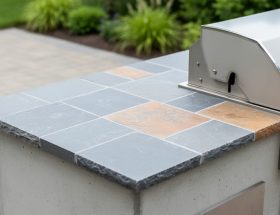
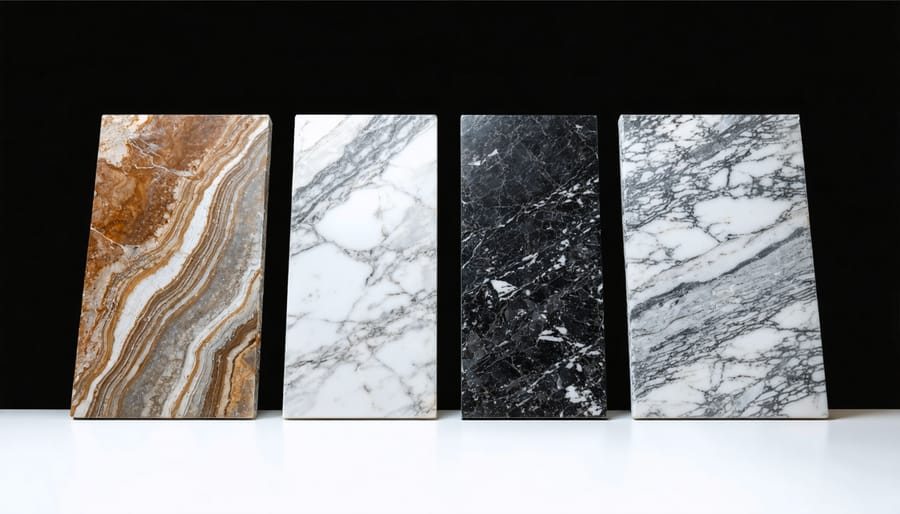
The E-S-N-U grading system provides the construction and design industry with a standardized method to classify natural stone based on four distinct quality categories: **E** (Exotic/First Choice), **S** (Standard/Commercial), **N** (Near Standard), and **U** (Utility Grade). This classification directly impacts both the aesthetic appeal and structural integrity of your stone selection, making it essential knowledge when purchasing natural stone for residential or commercial projects.
Understanding this grading framework empowers you to match stone quality with your project requirements and budget constraints. Grade E represents premium stones with minimal imperfections and consistent coloring, ideal for high-visibility applications like lobby floors or feature walls. Grade S offers reliable quality for standard installations, while Grade N contains acceptable variations suitable for less prominent areas. Grade U, though displaying notable irregularities, serves functional purposes in applications where appearance is secondary.
This article demystifies each grade level, reveals the inspection criteria professionals use during evaluation, and provides practical guidance for selecting the appropriate grade for your specific application—ensuring you invest wisely without compromising on quality or overspending on unnecessary premium features.
The E-S-N-U Grading System Explained
E Grade: Exotic (Premium)
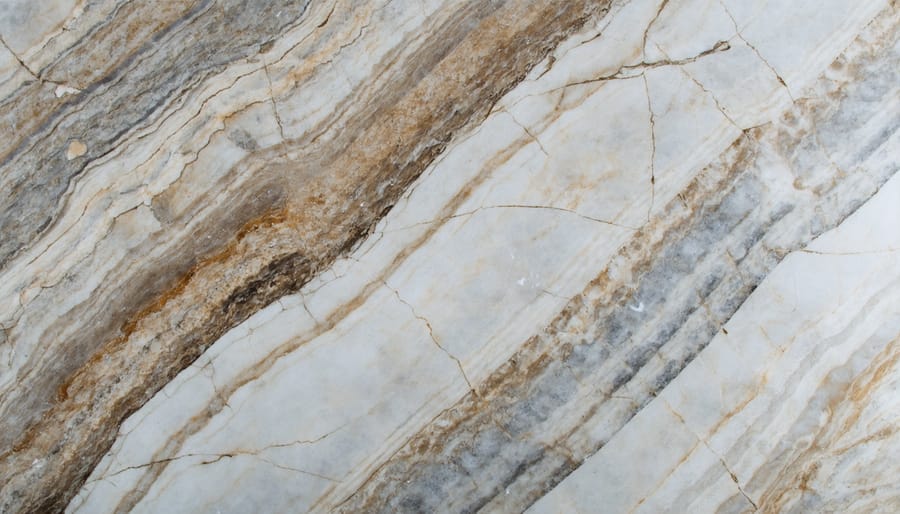
E-Grade represents the pinnacle of natural stone quality, reserved for exceptionally rare materials that exhibit extraordinary visual appeal and structural integrity. These premium stones showcase remarkable color consistency throughout each slab, with minimal to no visible imperfections, veining irregularities, or surface blemishes. Exotic-grade materials often feature unique geological patterns, striking color combinations, or rare mineral compositions that make them highly sought-after for luxury applications.
The rarity and superior characteristics of E-Grade stones command premium pricing, typically 3-5 times higher than standard grades. These materials are predominantly specified for high-end residential projects, luxury hotels, upscale retail environments, and signature commercial installations where visual impact is paramount. Architects and designers select exotic-grade stones for featured walls, statement countertops, and prestigious entranceways where the stone becomes a defining design element. Due to limited availability, exotic stones often require advance ordering and careful project planning to secure matching slabs for larger installations.
S Grade: Standard (First Quality)
S Grade represents first-quality natural stone that meets the highest industry standards for residential and commercial applications. This premium grade features minimal color variation, consistent veining patterns, and uniform thickness throughout each piece. While natural characteristics like subtle veining, slight color shifts, and occasional mineral deposits are present—and often desirable—they remain within tightly controlled parameters that ensure aesthetic consistency across installations.
Standard-grade stone undergoes rigorous selection to eliminate significant flaws such as large fissures, prominent pitting, or structural weaknesses. The surface displays excellent clarity and polish retention, making it ideal for high-visibility areas like kitchen countertops, bathroom vanities, and commercial lobbies. This grade balances the authentic beauty of natural stone with the predictability most projects require, which explains why approximately 70% of natural stone installations utilize S Grade material. Its reliable quality and competitive pricing make it the preferred choice for architects and designers who need consistency without compromising on natural elegance.
N Grade: Near Standard (Commercial)
N Grade represents natural stone with more visible variations and imperfections that don’t meet Standard classification but remain structurally sound and commercially viable. These materials typically feature noticeable color inconsistencies, minor surface blemishes, natural pitting, or slight dimensional irregularities that don’t compromise functionality. You’ll often find more pronounced veining patterns, mineral deposits, or small fissures that are characteristic of the stone’s natural formation.
This grade offers excellent value for budget-conscious projects where aesthetics are less critical than durability. N Grade stone performs well in commercial applications like warehouse flooring, outdoor paving, retaining walls, and landscape features where rustic character enhances rather than detracts from the design. Many designers intentionally select N Grade for projects seeking authentic, weathered appearances or where the stone will experience heavy wear. While these pieces may require more careful planning during installation to work around imperfections, they deliver reliable performance at a significantly lower cost than higher grades, making them ideal for large-scale projects with tight budgets.
U Grade: Utility (Economy)
U Grade stone represents the economy tier of natural stone, featuring the most significant variations in color, pattern, and surface characteristics. These slabs typically display prominent veining inconsistencies, multiple color deviations from the standard range, noticeable pitting, fissures, or other natural imperfections that don’t compromise structural integrity but affect aesthetic uniformity.
Despite these variations, U Grade stone remains perfectly functional for many applications. It’s ideal for large-scale commercial projects where budget constraints are primary concerns, industrial settings, exterior paving in rustic designs, or areas with heavy traffic where wear is expected. Landscape architects frequently specify U Grade for outdoor hardscaping, retaining walls, and pathways where natural character enhances the design rather than detracts from it.
The cost advantage is substantial—U Grade typically runs 40-60% less than premium grades, making natural stone accessible for projects that might otherwise require synthetic alternatives. When properly sealed and maintained, utility-grade stone performs comparably to higher grades in durability and longevity, making it a smart choice for budget-conscious projects prioritizing function over flawless appearance.
How Natural Stone Gets Graded
Key Visual Characteristics Evaluated
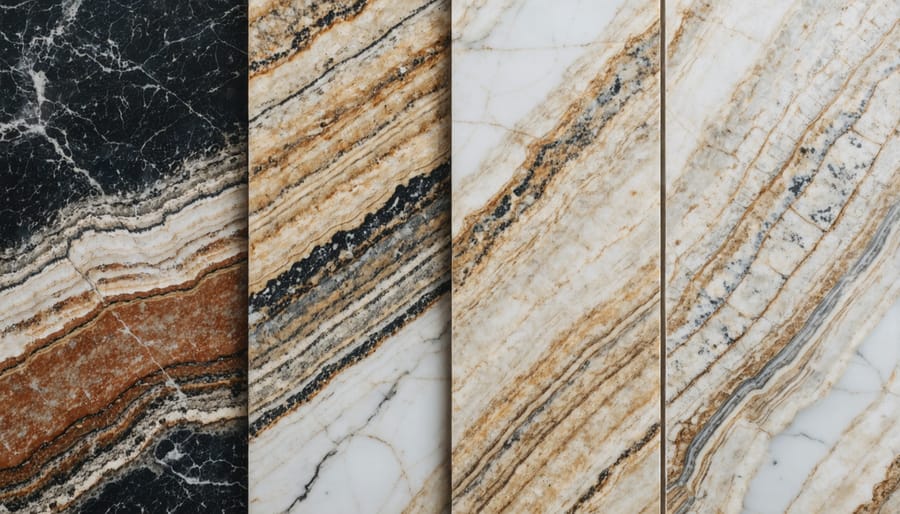
During the E-S-N-U grading evaluation, trained inspectors meticulously examine several critical attributes that determine a stone’s final classification. **Color consistency** ranks among the primary considerations—premium grades display uniform coloration throughout the slab, while lower grades may exhibit significant variations or unexpected color patches that deviate from the stone’s characteristic appearance.
**Veining patterns** receive careful scrutiny, as these naturally occurring mineral deposits define much of a stone’s aesthetic appeal. Inspectors assess whether veins flow harmoniously across the surface or appear erratic and disruptive to the overall design. Surface imperfections including pits, fissures, chips, and scratches directly impact grading decisions. Even minor surface irregularities can lower a stone’s grade, particularly when they compromise the material’s visual appeal or suggest potential durability concerns.
**Structural integrity** evaluation involves examining the stone for internal weaknesses, cracks, or areas prone to breakage. Inspectors test for soundness by tapping the material and listening for hollow sounds that indicate hidden flaws. Finally, **thickness uniformity** ensures the slab maintains consistent dimensions throughout, which proves essential for proper installation and long-term performance. Variations exceeding industry standards typically result in lower grade assignments, as they complicate fabrication and may compromise structural stability.
Who Performs the Grading
The grading of natural stone under the E-S-N-U system isn’t standardized across the industry—it’s typically performed by quarries and fabricators at the source. Each quarry maintains its own internal grading criteria based on established stone quality standards, but these can vary significantly between suppliers and geographic regions.
Quarry operators and experienced graders evaluate stone as it’s extracted, assessing factors like color consistency, veining patterns, and structural integrity. Some larger operations employ certified stone inspectors who follow industry guidelines from organizations like the Natural Stone Institute or Marble Institute of America. However, smaller quarries may rely on experienced workers using traditional assessment methods passed down through generations.
This variability means the same grade designation can represent different quality levels depending on your supplier. A “Select” grade from one Italian marble quarry might differ noticeably from another’s interpretation. When sourcing stone, always request detailed specifications, physical samples, and photos of the actual material lot. Ask suppliers about their specific grading criteria and whether they follow any third-party certification standards. Understanding your supplier’s grading methodology ensures you’re comparing apples to apples and helps prevent costly surprises during installation.
Why Stone Grade Matters for Your Project
Impact on Appearance and Consistency
The ESNU grading system dramatically influences how natural stone appears once installed, particularly in large-scale projects where consistency matters most. E-grade stone delivers the most uniform appearance, with minimal color variation and consistent veining patterns throughout. This makes it ideal for commercial lobbies, feature walls, and spaces where a cohesive, predictable look is essential. S-grade introduces moderate variation, creating visual interest while maintaining reasonable consistency—perfect for residential applications where some natural character enhances aesthetics.
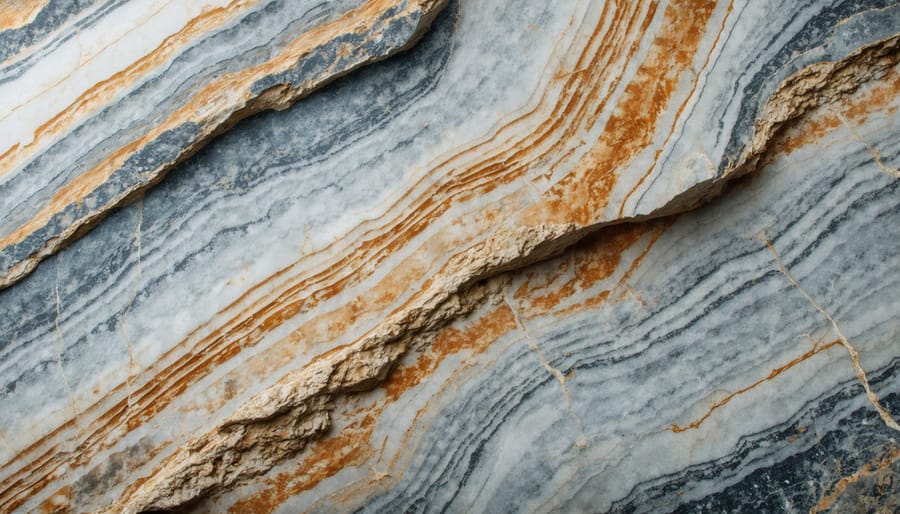
N-grade stone showcases significant variation in color, veining, and pattern. While beautiful, achieving pattern continuity requires careful layout planning and may necessitate ordering extra material for optimal matching. This grade works well when paired with appropriate stone finishes that complement its natural variability. U-grade presents the most dramatic differences between pieces, making it nearly impossible to achieve uniform appearance. This grade suits accent pieces, outdoor applications, or projects where dramatic variation is desired rather than avoided. Understanding these visual implications helps prevent costly surprises and ensures your stone selection aligns with your aesthetic goals.
Price Differences Between Grades
Price variations between E-S-N-U grades can be significant, with Exotic stones commanding premium prices—often 200-300% higher than Standard options. Standard grades typically represent the mid-market sweet spot, offering reliable quality at reasonable costs. Natural grades provide budget-friendly alternatives, usually 30-50% less expensive than Standard, making them ideal for larger projects where slight variations are acceptable. Utility-grade stone offers the most economical option, perfect for applications where appearance is secondary to function.
When balancing budget constraints with quality expectations, consider allocating higher grades to visible focal areas while using lower grades for less prominent spaces. A kitchen island might warrant Exotic-grade marble, while Natural-grade material could serve beautifully for a laundry room countertop. Understanding these price tiers allows you to strategically distribute your budget across a project, maximizing visual impact without compromising overall quality or breaking financial limits.
Performance and Durability Considerations
A common misconception is that lower E-S-N-U grades indicate weaker stone. In reality, these grades primarily reflect aesthetic characteristics rather than structural performance. An “N” grade granite, for example, possesses the same compressive strength and durability as an “E” grade from the same quarry—the difference lies in visible variations, not inherent weakness.
Grade selection genuinely impacts performance in specific applications. For high-traffic commercial flooring, selecting higher grades minimizes maintenance challenges, as uniform coloring better conceals wear patterns. However, for exterior cladding or landscape applications where weathering naturally creates patina, lower grades perform identically while offering significant cost savings.
The key consideration is visual consistency over time. “E” and “S” grades maintain their original appearance longer, while “N” and “U” grades may show natural variations more prominently as they age. For structural integrity—whether countertops, flooring, or facades—proper installation and appropriate stone selection for the environment matter far more than E-S-N-U classification.
Matching Stone Grades to Specific Applications
High-Visibility Residential Applications
For areas where your stone will be a focal point, E and S grades are the clear winners. Kitchen countertops, particularly islands that guests gather around, deserve premium grading to showcase natural stone’s beauty without distracting veining or color inconsistencies. Feature walls in living rooms or lobbies create dramatic first impressions—uniformity in these applications ensures the stone enhances rather than overwhelms the space.
Fireplace surrounds warrant E or S grades since they naturally draw the eye and serve as conversation pieces. In entryways, where stone sets the tone for your entire home, consistent coloring and minimal variation create a polished, sophisticated welcome. While S grade offers slightly more character than E, both provide the visual consistency these high-traffic, high-visibility areas demand. The investment in premium grades pays dividends in these applications where appearance directly impacts your space’s overall aesthetic and property value.
Commercial and High-Traffic Projects
Commercial environments demand strategic grade selection to balance visual impact with practical considerations. High-traffic lobbies and retail spaces typically perform best with **E-grade (Excellent) or S-grade (Standard)** materials, where pristine appearance justifies higher investment and minimal veining won’t detract from polished, professional aesthetics. For back-of-house areas or budget-conscious projects, **N-grade (Commercial)** offers reliable performance at lower cost, while its natural variation can add character to rustic or industrial designs.
Architects frequently specify E-grade for signature feature walls or reception areas where stone serves as a focal point, then transition to S or N grades for hallways and ancillary spaces. This tiered approach optimizes budget allocation without compromising overall design intent. Retail installations benefit from consistent S-grade tiles that provide uniform appearance across large floor areas while tolerating heavy foot traffic. Understanding these grade distinctions enables designers to create cohesive commercial spaces that meet both aesthetic goals and financial parameters effectively.
Outdoor and Utility Applications
Not every stone needs to be flawless—in fact, natural variation often enhances outdoor spaces. N and U grades excel in patios, walkways, garden paths, and landscaping projects where character matters more than uniformity. These grades offer authentic beauty at accessible price points, making them ideal for large-area applications. The weathering that occurs outdoors naturally masks minor imperfections, while textural variations add visual interest and slip resistance. Retaining walls, fire pit surrounds, and pool decking all benefit from the rustic charm of lower grades. When selecting natural stone flooring for covered outdoor areas, N grades provide excellent durability without premium costs. The key is matching the grade to the application—understanding that utility spaces prioritize function, while decorative elements can showcase natural inconsistencies as design features rather than defects.
Common Misconceptions About Stone Grading
One of the most persistent myths about stone grading is that lower grades represent inferior quality or structural weakness. This misconception leads many buyers to automatically dismiss N and U grade stones, potentially overlooking perfect options for their projects. In reality, the E-S-N-U system evaluates aesthetic uniformity, not durability or performance. A U grade stone with dramatic veining and color variation can be just as strong and long-lasting as an E grade stone—it simply exhibits more natural character.
Another common misunderstanding is that higher grades always command higher prices. While E and S grades typically cost more due to limited availability and consistent appearance, N and U grades can be equally expensive when their unique patterns are highly sought after. Exotic stones with bold veining often fall into lower uniformity grades yet fetch premium prices in the marketplace.
Many people also incorrectly assume that all stones from a single quarry will receive the same grade. Stone is a natural material, and grading can vary significantly within the same source depending on which section of the quarry is extracted. Even adjacent slabs may receive different classifications based on their individual characteristics.
Finally, some believe that grading standards are universal across all stone types. In practice, expectations vary by stone variety—what constitutes an E grade in granite may differ from marble or limestone standards, as each material has distinct natural characteristics and typical variation patterns.
Questions to Ask Your Stone Supplier
When selecting natural stone for your project, asking the right questions ensures you receive material that meets your expectations. Start by requesting: **”What specific grade does this stone hold under the E-S-N-U system?”** This establishes a baseline for quality discussion.
Follow up with: **”Can you provide documentation or certification of the grading?”** Reputable suppliers should offer transparent verification of their stone’s classification. Ask **”What specific characteristics placed this stone in its assigned grade?”** to understand whether any variations, veining patterns, or minor imperfections align with your aesthetic goals.
Inquire about consistency: **”How much variation should I expect between slabs within the same grade?”** Natural stone varies inherently, but understanding the range helps prevent surprises during installation.
For practical concerns, ask: **”What applications do you recommend for this grade?”** A knowledgeable supplier will guide you toward appropriate uses—whether flooring, countertops, or exterior cladding—based on the stone’s grade and performance characteristics.
Finally, request samples representing the grade’s typical range: **”Can I see multiple examples from this grade category?”** Physical samples reveal the actual appearance variation better than any description, ensuring your final selection matches your vision.
The E-S-N-U grading system serves as a practical communication tool rather than a definitive measure of stone quality or beauty. Each grade—from Export to Utility—represents different characteristics that may be perfectly suited to specific applications and budgets. A lower grade doesn’t mean inferior stone; it simply indicates different visual characteristics that might be ideal for certain design intentions or functional requirements.
When selecting natural stone, prioritize matching the grade to your project’s specific needs rather than automatically choosing the highest grade available. A restaurant seeking a rustic aesthetic might find N-grade stone more appropriate than E-grade, while a residential bathroom could benefit from the cost savings of S-grade material without compromising durability.
Request transparency from suppliers about grading criteria and ask to see actual samples representing each grade. Understanding that variation exists even within grades helps set realistic expectations. By viewing E-S-N-U classifications as a starting point for informed discussions rather than rigid quality rankings, you’ll make selections that balance aesthetic goals, functional requirements, and budget constraints effectively. The right stone is ultimately the one that serves your project’s unique vision and practical demands.