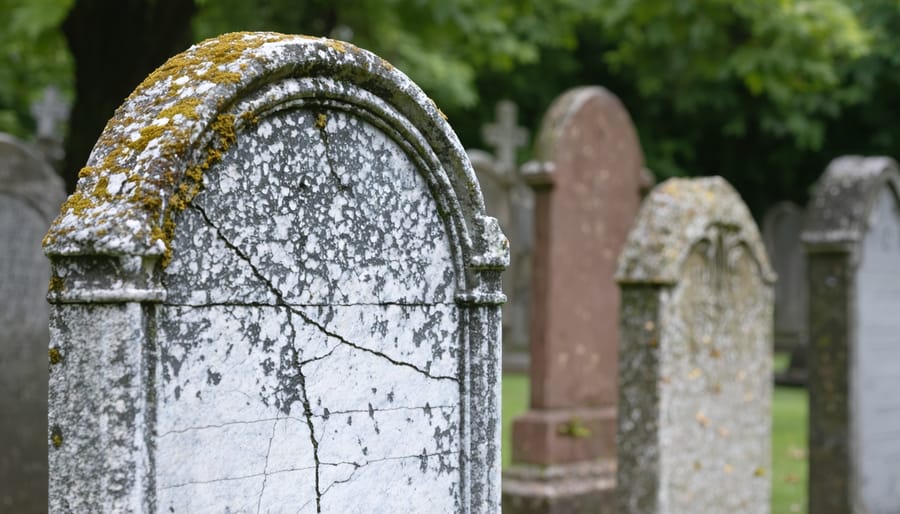
Gravestones stand as permanent testaments to lives lived, yet weather, pollution, and biological growth conspire to erase these markers within decades. The limestone memorial that honored your great-grandfather in 1920 may now display surface erosion, black crusts from acid rain, or lichen colonies that penetrate deep into the stone matrix. Understanding why different stone types deteriorate—and which preservation methods help versus harm—separates well-meaning family members from those who accidentally accelerate damage.
Before attempting any cleaning or repair, identify your gravestone’s material. Marble, granite, limestone, slate, and sandstone each respond differently to environmental stressors and require distinct preservation approaches. A cleaning method safe for dense granite can permanently damage porous marble or friable sandstone. This distinction matters because roughly 60% of amateur preservation attempts cause irreversible harm through improper techniques like pressure washing, harsh chemicals, or inappropriate sealants.
Preservation begins with assessment, not action. Document the current condition through photographs, note any structural issues like cracks or tilting, and recognize when professional conservators must intervene. Many deterioration processes can be slowed or stopped through proper maintenance, but some require specialized materials and expertise. This guide provides the knowledge to distinguish between safe DIY maintenance and situations demanding professional stone conservation, ensuring your preservation efforts honor rather than compromise these irreplaceable memorials.
Understanding Why Gravestones Deteriorate
Natural Stone Types Found in Cemeteries
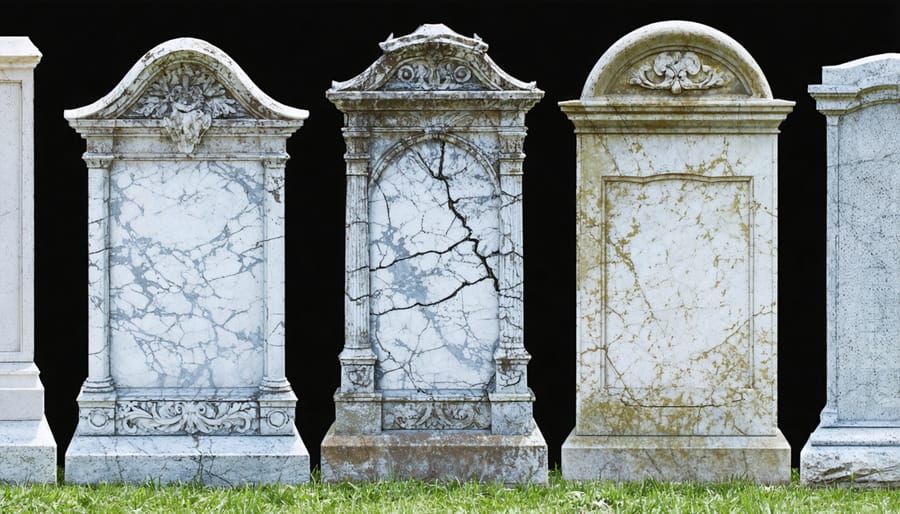
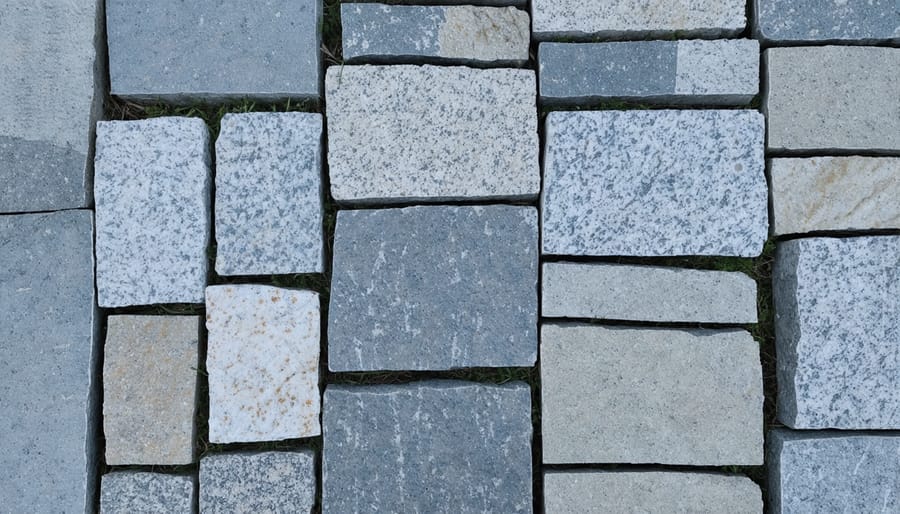
Understanding the stone type of a gravestone is the critical first step in preservation, as each material presents distinct characteristics and vulnerabilities. **Granite**, the most durable option, resists weathering exceptionally well but can still experience biological growth, surface soiling, and structural cracking in extreme temperature fluctuations. Its dense composition makes it the longest-lasting cemetery material, often remaining legible for centuries.
**Marble**, prized for its elegant appearance and carving detail, proves highly susceptible to acid rain and atmospheric pollutants. These environmental factors cause sugaring—a granular surface deterioration where the stone literally crumbles to the touch. Marble gravestones from the 19th century frequently exhibit significant inscription loss and surface erosion.
**Limestone** and **sandstone** share similar vulnerabilities due to their sedimentary, porous nature. Both absorb moisture readily, leading to freeze-thaw damage, delamination (surface layers flaking away), and rapid biological colonization by lichens, moss, and algae. Limestone particularly suffers from acid dissolution, while sandstone’s softer composition makes it prone to wind erosion and abrasion.
**Slate**, recognizable by its fine grain and tendency to split along planes, demonstrates moderate durability. Its primary weakness lies in its layered structure, which causes exfoliation when moisture penetrates between layers and freezes. Slate markers often lean or break along natural cleavage planes.
Identifying your gravestone’s material determines appropriate cleaning methods, necessary precautions, and realistic preservation expectations.
Environmental Threats to Stone Monuments
Cemetery monuments face constant assault from environmental forces that gradually erode their beauty and structural integrity. Understanding these threats helps families and caretakers take appropriate protective measures before irreversible damage occurs.
**Acid rain** poses one of the most insidious dangers to gravestones. When sulfur dioxide and nitrogen oxides from industrial emissions combine with atmospheric moisture, they create acidic precipitation that chemically reacts with stone surfaces. Marble and limestone monuments are particularly vulnerable, as the calcium carbonate in these stones dissolves when exposed to acids, creating a sugary, granular texture that eventually crumbles away. Even granite, typically more resistant, can experience surface etching over time.
**Freeze-thaw cycles** create mechanical stress within porous stones. Water infiltrates microscopic cracks and pores, then expands approximately 9% when freezing. This expansion generates tremendous internal pressure—up to 2,000 pounds per square inch—causing spalling, flaking, and progressive deterioration. The cycle repeats hundreds of times annually in temperate climates, accelerating damage with each occurrence.
**Salt crystallization** works similarly to freezing. Groundwater containing dissolved salts migrates into stone through capillary action. When moisture evaporates, salt crystals form and expand within pores, exerting pressure that causes surface material to powder and detach. This process, called subflorescence when occurring beneath the surface, can hollow out entire sections of monuments.
**UV radiation** gradually breaks down the molecular bonds in stone minerals, weakening surface integrity and causing color fading. Prolonged exposure makes stones more susceptible to other environmental threats.
**Air pollution** deposits sooty particles and chemical compounds that discolor surfaces, retain moisture, and promote biological growth, accelerating deterioration through multiple pathways simultaneously.
Proven Techniques for Gravestone Preservation
Safe Cleaning Methods That Won’t Cause Damage
Cleaning a gravestone requires patience and the right materials to avoid causing irreversible damage. Before beginning any cleaning project, photograph the stone from multiple angles and assess its condition. Never clean stones that are crumbling, flaking, or showing signs of severe deterioration—these require professional conservation.
**The Safe Cleaning Process**
Start by removing loose debris with a soft natural-bristle brush, working from top to bottom. Use gentle sweeping motions rather than scrubbing. For the cleaning solution, D/2 Biological Solution is the gold standard recommended by conservators. This biological cleaner safely breaks down organic growth without harsh chemicals that can damage stone.
Mix D/2 according to package directions and apply generously with a natural-bristle brush or spray bottle. Allow it to dwell on the stone surface for the recommended time—typically 5-10 minutes. The solution continues working even after initial application, so patience is essential. For stubborn staining, multiple treatments over several visits work better than aggressive scrubbing.
Rinse thoroughly with distilled water using low pressure. Tap water contains minerals that can leave deposits or accelerate deterioration. Use a gentle stream from a spray bottle rather than a hose, as high water pressure can force moisture into cracks and cause damage through freeze-thaw cycles.
**Products and Techniques to Avoid**
Never use household cleaners, bleach, ammonia, or acidic solutions like vinegar. These chemicals react with stone minerals, causing etching and permanent damage. Avoid wire brushes, power washers, and abrasive scrubbing pads—these scratch surfaces and accelerate weathering.
Shaving cream, a popular DIY suggestion, provides only superficial cleaning and leaves residues that trap moisture and dirt. Similarly, avoid waxes or sealers unless specifically recommended by a stone conservator, as improper products can trap moisture and cause spalling.
Work in mild weather, avoiding freezing temperatures or direct hot sunlight, which can stress the stone during cleaning.
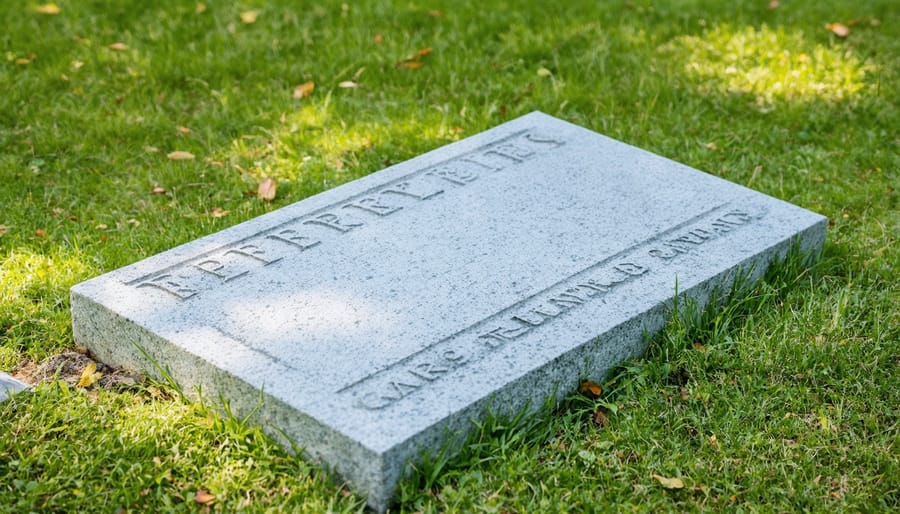
Structural Stabilization and Repair
Structural damage to gravestones—including tilting, cracking, or complete breakage—requires professional intervention to ensure both safety and long-term stability. Well-meaning but improper repairs often cause irreversible damage to historic markers, making it essential to understand conservation principles before attempting any structural work.
**Resetting Tilted Stones**
Leaning gravestones pose safety hazards and accelerate deterioration through uneven water drainage. Professional conservators begin by excavating around the stone’s base to assess the foundation condition. The original stone is carefully removed, and a new concrete or compacted gravel foundation is installed at proper depth—typically 18 to 24 inches for upright markers. Stones are reset perfectly plumb using levels and temporary bracing, then backfilled with appropriate materials that allow drainage while providing stability.
**Repairing Cracks and Breaks**
Conservation-grade adhesives and pinning systems offer reversible solutions for fractured stones. Epoxy resins specifically formulated for stone conservation—such as those meeting ASTM standards—provide strength while remaining removable with solvents if future treatment becomes necessary. Stainless steel or fiberglass pins may be inserted into drilled channels to reinforce major breaks, particularly in horizontal stress points.
The key principle is reversibility: any repair should be removable by future conservators without damaging the original stone. This eliminates common household products like concrete, super glue, or construction adhesives, which create permanent bonds that complicate restoration.
**When to Seek Professional Help**
Structural repairs require specialized equipment, materials knowledge, and understanding of stone mechanics. Cemetery preservation organizations, state historic preservation offices, and certified stone conservators can provide qualified referrals. Professional assessment is particularly crucial for historic markers, large monuments, or stones with significant genealogical value, where improper techniques could permanently compromise irreplaceable heritage.
Protective Coatings and When to Use Them
Protective coatings represent one of the most controversial areas in gravestone preservation, requiring careful consideration before application. While these treatments promise protection, improper use can trap moisture, accelerate decay, and create irreversible damage to historic markers.
**Consolidants** are designed to strengthen weakened stone by binding deteriorated material together. However, they’re only appropriate for stones experiencing active flaking or sugaring (granular disintegration). Most gravestones don’t require consolidation, and unnecessary application can alter the stone’s natural appearance and breathing properties. Professional assessment is essential before considering this treatment.
**Water repellents** aim to prevent moisture penetration while allowing vapor to escape. They sound ideal but often fail on gravestones due to environmental exposure. These treatments break down over time, potentially trapping moisture beneath the surface and causing spalling. Additionally, they can darken stone and alter its historic character—changes that may be permanent.
**Sacrificial coatings** provide a protective layer intended to weather away before the stone itself deteriorates. While this approach follows evidence-based preservation techniques in some applications, they require regular monitoring and reapplication—impractical for cemetery settings with limited maintenance resources.
The general rule: avoid coatings unless professional conservators identify a specific, urgent need. Proper cleaning, drainage improvements, and environmental management typically provide better long-term protection without risking unintended consequences. When preservation requires intervention beyond basic maintenance, always consult certified stone conservators who can evaluate the marker’s specific condition, material composition, and deterioration patterns before recommending treatments.
What You Can Do Yourself (And When to Call a Professional)
Basic Maintenance Tasks for Family Members
Family members can safely contribute to gravestone preservation through several straightforward activities that protect these markers without causing harm. Begin with basic site maintenance: carefully trim grass and vegetation around the base using manual tools, keeping growth at least six inches away from the stone to prevent root damage and moisture retention. Never use string trimmers or mowers directly against monuments, as these create irreversible surface damage.
Gentle cleaning involves only dry methods for family maintenance. Use a soft natural-bristle brush to remove loose dirt, leaves, and debris from carved lettering and stone surfaces. Brush downward to avoid forcing particles into the stone’s pores. Avoid all water, chemical cleaners, and household products, which can accelerate deterioration or cause staining.
Photography serves as crucial documentation. Take detailed images from multiple angles during each visit, capturing the overall monument and close-ups of inscriptions and any damage. These photos create a visual timeline that helps identify changing conditions requiring professional attention. Consider exploring digital documentation methods for enhanced preservation records.
Monitor for concerning changes like new cracks, tilting, biological growth, or surface flaking. Document these observations through dated photographs and notes, then consult preservation professionals when deterioration appears or progresses.
Red Flags That Require Professional Intervention
While basic cleaning can be handled independently, certain conditions demand professional conservators. **Structural instability** is the most critical warning sign—if a gravestone leans more than 15 degrees, shows cracks extending through its thickness, or exhibits a hollow sound when gently tapped, it risks collapse and requires immediate expert assessment.
**Severe deterioration patterns** including active flaking (known as spalling), deep erosion exceeding one inch, or stone that crumbles at light touch indicate advanced damage beyond DIY repair. Attempting home remedies on severely compromised markers often accelerates destruction.
Gravestones predating 1900 or those with **historic or artistic significance**—featuring intricate carvings, rare stone types, or notable historical figures—warrant professional documentation and treatment. These irreplaceable cultural artifacts require specialized conservation techniques that preserve both material integrity and historical value.
**Complex damage combinations** such as biological growth penetrating fractured stone, metal staining from deteriorating fixtures, or previous improper repairs (cement patches, incompatible adhesives) necessitate expert evaluation. Professional conservators possess specialized training to assess damage mechanisms, select appropriate materials, and implement reversible treatments that align with ethical conservation standards while ensuring long-term preservation of your family’s heritage.
Common Mistakes That Accelerate Gravestone Damage
The Household Products That Destroy Stone
Well-meaning family members often cause irreversible damage by using common household cleaning products on gravestones. **Bleach** ranks among the worst offenders—while it may appear to clean the surface, it actually breaks down the stone’s crystalline structure, causing rapid deterioration, discoloration, and increased porosity that accelerates future decay.
**Acidic cleaners** like vinegar, lemon juice, or commercial bathroom cleaners dissolve calcium-based stones (marble, limestone, and many sandstones) by literally eating away the surface. Even a single application can remove years of patina and detail from carved inscriptions.
**Wire brushes and abrasive scrubbing pads** scratch softer stones and remove protective surface layers, creating rough textures that trap more dirt and moisture. Power washers deliver similar destruction through excessive pressure that dislodges granules and widens existing cracks.
**Dish soap and other detergents** leave residues that attract dirt and may contain harmful additives. Even “natural” cleaning products can contain enzymes or compounds that damage historic stone.
The safest approach uses only clean water and appropriate natural-bristle brushes. When water alone proves insufficient, consult a professional stone conservator rather than experimenting with household products.
Special Considerations for Historic and Rare Stone Markers
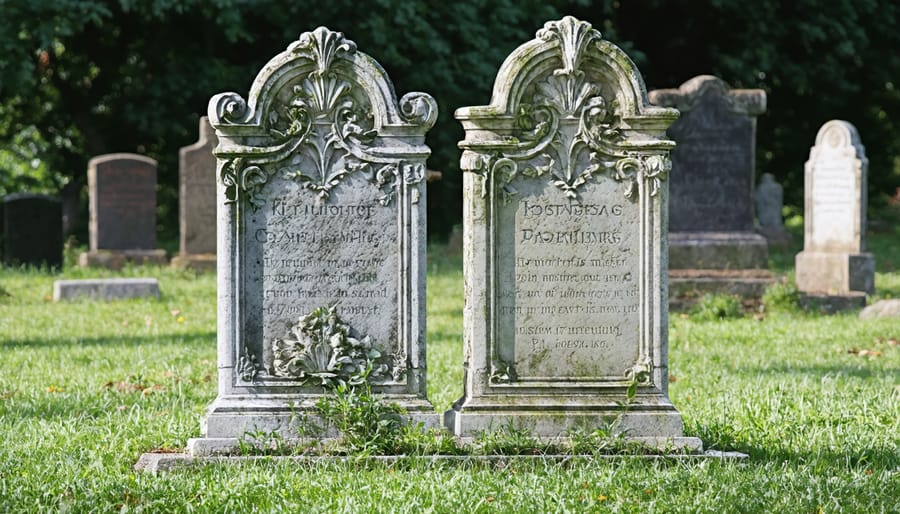
Historic and rare stone markers demand extraordinary care due to their age, material composition, and irreplaceable cultural value. Gravestones from the 18th and 19th centuries often feature softer stones like sandstone, slate, and early marble varieties that have weathered for hundreds of years, making them exceptionally fragile. These monuments frequently showcase intricate hand-carved details—winged skulls, urns, willow trees, and elaborate epitaphs—that represent invaluable examples of period craftsmanship and artistic traditions.
The primary challenge with antique markers lies in their advanced deterioration state. Centuries of exposure create deep-seated structural weaknesses that standard cleaning methods can catastrophically worsen. Soft-bristle brushing that’s safe for modern granite can obliterate delicate slate carvings or crumbling sandstone surfaces. Similarly, even gentle water application may accelerate spalling in stones with internal moisture damage or salt crystallization.
Culturally significant stones—including markers from early colonial settlements, Civil War era monuments, or stones featuring unique ethnic or religious iconography—require documentation before any intervention. Photograph these markers thoroughly and consult cemetery historians or local preservation societies to understand their historical context. Many states have specific protections for markers predating certain dates, and unauthorized cleaning may violate preservation laws.
For historic stone conservation, professional conservators use specialized techniques including consolidants for weakened stone, poulticing for stain removal, and reversible stabilization methods. They assess mineral composition, document existing conditions, and develop individualized treatment plans. Amateur intervention on rare markers risks destroying historical evidence encoded in weathering patterns, tool marks, and original surface treatments. When encountering significant historic stones, the best preservation approach is often minimal intervention—stabilizing the base, improving drainage, and monitoring condition changes rather than aggressive cleaning that erases centuries of history.
Long-Term Preservation Planning
Effective gravestone preservation extends beyond immediate cleaning and repair—it requires a comprehensive long-term strategy to protect these irreplaceable monuments for future generations. Establishing a structured preservation plan ensures that family memorials remain legible and intact decades from now.
Begin by creating thorough documentation of each gravestone’s current condition. Photograph markers from multiple angles in good lighting, noting existing damage, legibility issues, and inscriptions. Record GPS coordinates, plot numbers, and transcribe all text before weathering makes it illegible. Store this information digitally and share copies with family members and cemetery administrators. Modern preservation technology offers innovative solutions for creating detailed 3D scans and digital archives of historic monuments.
Implement a regular monitoring schedule appropriate to your stone type and local climate. Inspect gravestones at least twice annually—preferably in spring and fall—checking for new cracks, biological growth, structural shifts, or accelerated erosion. Maintain a logbook documenting observations and any maintenance performed, which helps identify deterioration patterns requiring intervention.
Coordinate with cemetery management to understand their maintenance policies, restrictions on preservation work, and available resources. Many cemeteries have specific guidelines about cleaning methods and repair permissions. Building a collaborative relationship ensures compliance while advocating for proper marker care.
Consider establishing a preservation fund within your family to cover future professional maintenance. Even modest annual contributions create resources for addressing unexpected damage or necessary conservation treatments. Designate a family member or genealogical society as custodian to ensure continuity of care across generations, preventing these important heritage markers from becoming abandoned and forgotten.
Preserving gravestones stands as both a technical undertaking and an act of reverence for those who came before us. Whether you’re maintaining a family member’s memorial or caring for historic cemetery markers, success depends on understanding the stone’s composition, recognizing its vulnerabilities, and applying gentle, appropriate techniques that honor its integrity.
The methods outlined throughout this guide provide a foundation for safe gravestone maintenance, but remember that patience is your greatest asset. Rushing through cleaning processes or using aggressive chemicals may offer immediate visual results while causing irreversible harm beneath the surface. Natural stone has withstood decades or centuries—it deserves careful, considered treatment.
For straightforward maintenance like removing surface dirt or biological growth from stable stones, informed homeowners can confidently proceed using proper materials and techniques. However, recognize when professional expertise becomes essential. Structural instability, deep-seated staining, historic significance, or rare stone types warrant consultation with conservators who possess specialized knowledge and equipment.
These memorial markers represent irreplaceable connections to family history and community heritage. By taking thoughtful action today—whether through personal maintenance or engaging qualified professionals—you ensure these treasured monuments continue telling their stories for generations ahead.