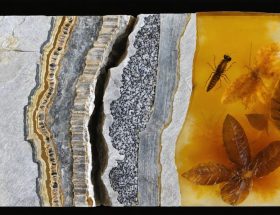

Stone preservation techniques evolved from historic stone preservation methods into sophisticated conservation practices that safeguard our architectural heritage. Modern stone preservation combines traditional craftsmanship with cutting-edge chemical solutions to protect against environmental degradation, structural stress, and biological growth. Professional conservators now employ advanced consolidants, water-repellent treatments, and precise cleaning methods that maintain stone integrity while preserving historical authenticity.
Deterioration threatens both ancient monuments and contemporary stone installations through moisture infiltration, freeze-thaw cycles, and atmospheric pollutants. Understanding these mechanisms enables preservation specialists to develop targeted intervention strategies that extend stone longevity without compromising aesthetic value. Recent technological breakthroughs in nano-materials and non-invasive diagnostic tools have revolutionized how we approach stone conservation, allowing for more precise and effective treatments than ever before.
This comprehensive guide examines proven preservation techniques, from preliminary assessment protocols to cutting-edge restoration methods, equipping professionals and property owners with essential knowledge for protecting stone assets.
Understanding Stone Deterioration
Environmental Factors
Environmental factors play a crucial role in the preservation and deterioration of stone structures. Weather conditions, particularly freeze-thaw cycles, can cause significant damage as water penetrates stone surfaces and expands during freezing. This repeated process creates cracks and fissures that compromise structural integrity over time.
Acid rain and urban pollution pose serious threats to stone surfaces, particularly limestone and marble. These pollutants react chemically with the stone, causing erosion and surface degradation. In coastal areas, salt spray adds another layer of complexity, as crystallization within stone pores can lead to spalling and material loss.
Climate change has intensified these challenges, with more frequent extreme weather events and temperature fluctuations accelerating wear patterns. Rising humidity levels in many regions increase the risk of biological growth, such as algae and moss, which can stain and deteriorate stone surfaces.
To combat these environmental impacts, proper drainage systems, protective sealants, and regular maintenance are essential. Modern preservation techniques often include climate-specific solutions, such as specialized coatings for high-pollution areas or moisture-resistant treatments for humid environments.

Physical and Chemical Damage
Stone materials can experience various forms of natural stone degradation through both physical and chemical processes. Physical damage often occurs through weathering, freeze-thaw cycles, and mechanical stress. When water penetrates stone surfaces and freezes, it expands, creating internal pressure that can lead to cracking and spalling. Salt crystallization poses another significant threat, as dissolved salts can migrate through stone pores and crystallize, causing surface erosion and material loss.
Chemical damage primarily results from exposure to acidic substances, including acid rain and pollutants. These reactions can dissolve calcium-based stones like marble and limestone, leading to surface etching and material deterioration. Additionally, biological growth such as algae, fungi, and lichens can cause both physical and chemical damage by secreting acidic compounds and creating moisture-retention zones that accelerate decay.
Metal oxidation from adjacent materials can also cause staining and structural weakness, while improper cleaning agents may trigger adverse chemical reactions that permanently damage stone surfaces. Understanding these damage mechanisms is crucial for implementing effective preservation strategies.
Modern Stone Preservation Techniques
Surface Treatments
Surface treatments play a crucial role in protecting and preserving natural stone surfaces from environmental damage and wear. Modern protective coatings have evolved significantly, offering enhanced durability while maintaining the stone’s natural appearance. These treatments work alongside digital preservation techniques to ensure comprehensive stone protection.
Penetrating sealants represent the first line of defense, creating an invisible barrier that prevents moisture infiltration while allowing the stone to breathe. These formulations penetrate deep into the stone’s pores, providing long-lasting protection against staining and water damage without altering the surface appearance.
Consolidants serve a different purpose, strengthening deteriorating stone by binding loose particles and reinforcing the internal structure. These treatments are particularly valuable for historic preservation projects where the stone has experienced significant weathering or decay.
Topical coatings provide additional protection against UV radiation, acid rain, and physical wear. Modern formulations include nano-technology-based solutions that offer superior protection while maintaining the stone’s natural aesthetics. These treatments can enhance the stone’s color and provide a range of finish options from matte to high-gloss.
Regular maintenance and reapplication of surface treatments ensure optimal protection. The choice of treatment should consider factors such as stone type, location, exposure conditions, and intended use to achieve the best results.

Cleaning Methods
Different stone types require specific cleaning approaches to maintain their beauty and integrity. For natural stones like marble and granite, a pH-neutral stone cleaner and soft microfiber cloth are essential for routine cleaning. Avoid acidic cleaners, as these can etch and damage the stone’s surface.
For limestone and travertine, use warm water with a mild, non-acidic soap solution. Gently clean the surface using circular motions, and immediately dry with a clean cloth to prevent water spots. Sandstone requires similar gentle treatment but may need specialized stone cleaners for stubborn stains.
For exterior stone surfaces, pressure washing can be effective when used correctly. Maintain a safe distance and use appropriate pressure settings to prevent surface damage. Start with the lowest pressure setting and gradually increase if needed.
Regular maintenance should include:
– Daily dusting with a soft cloth
– Weekly cleaning with appropriate stone cleaners
– Immediate cleanup of spills to prevent staining
– Quarterly deep cleaning for high-traffic areas
For tough stains, poultice treatments may be necessary. Create a paste using appropriate cleaning agents and apply it to the affected area, allowing it to draw out the stain gradually. Always test cleaning solutions on a small, inconspicuous area first to ensure compatibility with your specific stone type.
Never use vinegar, lemon juice, or abrasive cleaners, as these can permanently damage stone surfaces. For best results, consult with stone care professionals for specific cleaning recommendations based on your stone type and condition.
Structural Reinforcement
Structural reinforcement is essential for maintaining the integrity and longevity of stone structures. Traditional methods include the installation of steel or carbon fiber rods within the stone elements, providing additional support and preventing further deterioration. These reinforcements are carefully inserted into pre-drilled holes and secured with specialized epoxy resins that bond effectively with natural stone.
Modern techniques also employ external reinforcement systems, such as steel plates or fiber-reinforced polymers (FRP), which can be discretely attached to stone surfaces to provide additional structural support. These materials are particularly valuable when dealing with historic buildings where minimal visual impact is crucial.
Another critical aspect of structural reinforcement is the use of grout injection techniques. This method involves filling voids and cracks within stone structures with specialized grout mixtures, effectively strengthening the overall structure while maintaining its original appearance. The selection of appropriate grout materials is crucial, as they must be compatible with the existing stone and provide adequate structural support.
Seismic retrofitting has become increasingly important in stone structure reinforcement, especially in earthquake-prone regions. This involves installing additional support systems that allow the structure to better withstand seismic forces while preserving its historical and architectural significance. Engineers often combine traditional and contemporary reinforcement methods to achieve optimal results, ensuring both structural integrity and aesthetic preservation.

Preventive Maintenance Strategies
Regular Inspection Protocol
Regular inspection of stone surfaces is essential for maintaining their integrity and identifying potential issues before they become serious problems. A comprehensive inspection protocol should be conducted quarterly, with more frequent checks in areas exposed to harsh weather conditions or heavy traffic.
Begin by visually examining the stone surface under good lighting conditions, looking for signs of wear, discoloration, or damage. Pay particular attention to joints, edges, and areas where water tends to collect. Document any changes from previous inspections, including photographs for reference.
Use gentle hand pressure to check for loose or unstable sections. Listen for hollow sounds when tapping the surface, which may indicate delamination or separation. Inspect grout lines and sealants for deterioration, cracking, or separation from the stone.
Test the surface’s water absorption by placing a few drops of water on different areas. If the water is quickly absorbed rather than beading up, this indicates the sealant may need reapplication. Also check for efflorescence – white, powdery deposits that signal moisture issues.
Create a maintenance log documenting inspection dates, findings, and any actions taken. This historical record helps track deterioration patterns and evaluate the effectiveness of maintenance procedures. Schedule professional assessments annually or whenever significant issues are discovered during routine inspections.
Consider seasonal variations in your inspection routine, as freeze-thaw cycles and temperature fluctuations can impact stone condition differently throughout the year.
Maintenance Schedule
Regular maintenance is crucial for preserving the beauty and integrity of natural stone surfaces. A well-structured maintenance schedule should include daily, weekly, monthly, and annual tasks to ensure optimal stone preservation.
For daily maintenance, sweep or dust mop stone floors to remove loose debris and dirt that can scratch the surface. Blot spills immediately to prevent staining, especially on marble and limestone surfaces.
Weekly cleaning should involve mopping with a pH-neutral stone cleaner and warm water. Avoid acidic or abrasive cleaners that can damage the stone’s surface. For countertops and vertical surfaces, use a soft microfiber cloth with the appropriate stone cleaner.
Monthly maintenance tasks should include a thorough inspection of all stone surfaces for signs of wear, staining, or damage. Check grout lines and seams for deterioration and schedule repairs if needed. Clean and disinfect stone surfaces in high-traffic areas more frequently.
Annually, professional stone maintenance is recommended. This typically includes:
– Deep cleaning and restoration if necessary
– Resealing of porous stones
– Professional polishing or honing as needed
– Evaluation of structural integrity
– Repair of any chips, cracks, or damaged areas
For exterior stone applications, conduct seasonal inspections to assess weather-related damage and address any issues promptly. In regions with harsh winters, additional protective measures may be necessary before and after the cold season.
Case Studies in Stone Preservation
The preservation of historic stone structures requires careful attention to detail and proven methodologies, as demonstrated by several notable restoration projects worldwide. Drawing inspiration from ancient stone preservation practices, modern conservators have successfully rehabilitated numerous significant monuments and buildings.
One exemplary case is the restoration of the Acropolis in Athens, Greece, where conservators faced the challenge of addressing marble deterioration caused by air pollution and acid rain. The project team employed innovative cleaning techniques using laser technology, which successfully removed black crust without damaging the underlying stone. They also implemented a comprehensive monitoring system to track environmental impacts on the restored surfaces.
The Wells Cathedral in Somerset, England, presents another successful preservation story. The medieval limestone structure suffered from severe weathering and biological growth. Conservators utilized a combination of gentle cleaning methods and specialized consolidants to stabilize the stone. The project also incorporated preventive measures, including the installation of lead weatherings to protect horizontal surfaces from water damage.
In the United States, the successful restoration of Grand Central Terminal in New York City demonstrates the effectiveness of modern stone preservation techniques in urban environments. The building’s Tennessee marble façade had deteriorated significantly due to urban pollution. Conservators used a combination of chemical cleaning agents and mechanical methods to remove decades of grime while preserving the stone’s natural patina. They also applied water-repellent treatments to protect against future deterioration.
The Taj Mahal in Agra, India, represents an ongoing preservation success story. Conservators addressed yellowing marble surfaces caused by air pollution through the application of multani mitti (Fuller’s earth) clay pack treatments. This traditional method, combined with modern scientific approaches to monitoring and maintenance, has helped maintain the monument’s iconic white marble appearance.
These case studies highlight the importance of tailored preservation approaches, regular maintenance, and the integration of both traditional and contemporary conservation methods. Each project demonstrates that successful stone preservation requires a deep understanding of the specific stone type, environmental conditions, and deterioration mechanisms at play.
Stone preservation techniques continue to evolve with advancing technology and growing environmental concerns. As we’ve explored, successful stone maintenance combines traditional methods with modern innovations, from careful cleaning protocols to cutting-edge protective treatments. The future of stone preservation looks promising, with emerging technologies like nanomaterials and bio-based solutions offering more sustainable approaches to protection. Industry professionals must stay informed about these developments while maintaining respect for time-tested techniques. Moving forward, the focus will increasingly shift toward environmentally friendly preservation methods and preventive maintenance strategies. By implementing appropriate preservation techniques and regular maintenance schedules, we can ensure our stone structures and artifacts maintain their beauty and integrity for future generations to appreciate.