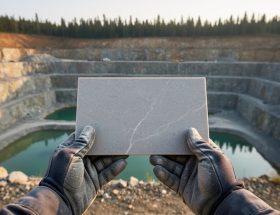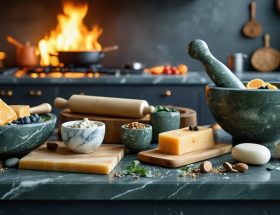

Examine the vessel’s weight-to-size ratio when evaluating an extra large stoneware bowl, as authentic pieces with natural stone elements should feel substantially heavier than standard ceramic alternatives. Quality stone-embedded serving dishes combine the durability of fired clay with the thermal properties of natural minerals like marble, granite, or soapstone fragments integrated during the forming process.
Test the bowl’s thermal retention by placing it in a refrigerator for 30 minutes before serving cold dishes or warming it in a low-temperature oven for hot preparations, confirming it maintains temperature longer than conventional ceramics. The stone inclusions create microscopic air pockets that provide superior insulation while adding distinctive visual texture through natural veining patterns and mineral specks.
Verify the glaze quality by running your fingers along interior and exterior surfaces, checking for consistent coverage that seals the porous stoneware body while allowing the embedded stone fragments to remain visible through translucent or semi-translucent finishes. Artisanal pieces often feature hand-applied glazes that pool differently around stone inclusions, creating unique color variations that make each bowl one-of-a-kind while ensuring food-safe surfaces for everyday use.
What Makes Stone-Embedded Stoneware Different from Traditional Ceramics

The Fusion of Clay and Stone
Artisans employ three primary techniques to marry stoneware clay with natural stone elements, each producing distinct aesthetic results. The most straightforward method involves embedding small fragments of marble, granite, or limestone directly into the wet clay before firing. These visible stone pieces create organic patterns and tactile interest across the bowl’s surface, with each fragment retaining its natural coloration and veining after the firing process.
A second approach incorporates stone aggregate—finely ground minerals like feldspar or quartz—mixed throughout the clay body itself. This integration enhances the structural integrity of extra large pieces while creating subtle speckled effects that emerge during firing. The stone particles also influence how glazes interact with the surface, producing unpredictable variations that make each bowl unique.
The third technique utilizes stone-based glazes, where crushed minerals are suspended in the glaze mixture. During high-temperature firing, these materials melt and react with the stoneware, forming crystalline formations, metallic sheens, or crater-like textures reminiscent of natural rock formations. Basalt-derived glazes, for instance, can produce deep charcoal finishes with subtle iridescence, while limestone-based formulas create soft, matte surfaces with earthy undertones. These fusion methods transform functional vessels into artistic statements that celebrate both ceramic craft and geological beauty.
Durability Meets Artistry
Extra large stoneware bowls represent a significant advancement over conventional ceramic alternatives, combining time-honored craftsmanship with superior functional performance. These pieces excel in heat retention, maintaining optimal serving temperatures for soups, stews, and warm dishes significantly longer than standard ceramic bowls. The dense, vitrified structure of stoneware, particularly when enhanced with natural stone elements, creates an exceptionally durable surface that resists scratching from metal utensils and everyday use.
The longevity of quality stoneware bowls far surpasses typical ceramic options, often lasting decades with proper care. This durability stems from high-temperature firing processes that create a non-porous, chip-resistant surface. Unlike mass-produced ceramics that may crack or craze over time, stone-infused cooking tools and serveware maintain structural integrity through countless heating and cooling cycles. The natural stone components embedded within premium stoneware pieces add both aesthetic depth and functional strength, creating serving vessels that withstand the demands of daily use while developing a distinguished patina that enhances their character over time. This combination of practical benefits and enduring beauty makes extra large stoneware bowls a worthwhile investment for discerning homeowners.
The Appeal of Extra Large Bowls for Modern Entertaining
Versatility Beyond the Dining Table
An extra large stoneware bowl transcends traditional dining functions, offering remarkable versatility throughout your living spaces. In the dining room, these substantial pieces excel at serving family-style salads, accommodating generous portions while the stone-embedded surface creates visual interest that elevates everyday meals. The bowl’s generous capacity makes it ideal for displaying seasonal fruit, where the natural stone inclusions complement organic textures and colors.
For entertaining, use your stoneware bowl as an elegant bread presentation vessel, keeping artisan loaves accessible while adding rustic sophistication to your table setting. The bowl’s inherent thermal properties help maintain bread freshness during extended gatherings. As a decorative centerpiece, fill it with seasonal elements like pine cones, ornamental gourds, or decorative spheres to create dynamic focal points that change with the seasons.
These durable pieces also transition seamlessly to outdoor entertaining. Their substantial construction withstands patio conditions while serving chilled salads, fresh-picked produce, or acting as a stylish chip-and-dip station. The stone-embedded aesthetic harmonizes beautifully with natural outdoor settings, creating cohesive design flow between indoor and outdoor spaces.
The Statement Piece Factor
An extra large stoneware bowl commands attention in ways that smaller serving pieces simply cannot. In open-concept living spaces where the kitchen flows seamlessly into dining and entertaining areas, these substantial vessels become functional sculpture that bridges culinary and design elements.
The visual impact is immediate and intentional. A 16 to 20-inch diameter bowl positioned on a kitchen island or dining table naturally draws the eye, creating a focal point that grounds the surrounding design elements. This anchoring effect is particularly valuable in larger spaces where cohesion can be challenging to achieve. The organic nature of stone-embedded stoneware adds textural depth that contrasts beautifully with sleek countertops and minimalist cabinetry prevalent in contemporary architecture.
These bowls excel as conversation starters precisely because they occupy the intersection of art and utility. Guests inevitably notice the distinctive stone inclusions, varied surface textures, and impressive scale, prompting discussions about craftsmanship, material origins, and design philosophy. This engagement transforms ordinary gatherings into opportunities for meaningful connection over shared appreciation of natural materials and artisanal work.
For designers and architects, specifying extra large stoneware bowls offers a practical solution for clients seeking statement pieces that serve dual purposes. Unlike purely decorative objects, these bowls remain functional for serving, display, or seasonal styling, making them justifiable investments that enhance daily living rather than occupying space without purpose. Their substantial presence eliminates the need for multiple smaller accessories, streamlining tablescapes while maintaining visual interest through inherent material complexity.
Natural Stone Types Commonly Embedded in Artisanal Bowls
Marble and Travertine Inclusions
Extra large stoneware bowls featuring marble chips or travertine fragments offer a striking fusion of ceramic craft and natural stone aesthetics. These embedded elements create unique surface textures and color variations that make each piece genuinely one-of-a-kind. The contrast between the matte clay body and polished stone inclusions produces visual depth, with marble chips introducing veining patterns and travertine contributing warm, earthy tones with characteristic pitting.
The manufacturing process involves pressing stone fragments into the clay before firing, ensuring permanent bonding. This technique works particularly well in larger formats where the stone details become focal points rather than subtle accents. The result is a tactile, organic surface that bridges rustic and refined design sensibilities.
Care requires attention to both materials. While the stoneware base is durable and non-porous when properly glazed, exposed stone inclusions may benefit from occasional sealing to prevent staining, especially with porous travertine. Hand washing with mild soap preserves the integrity of both ceramic and stone components, avoiding harsh chemicals that might affect the natural stone’s appearance over time.
Granite and Basalt Aggregates
For dramatic visual impact in extra large stoneware bowls, granite and basalt aggregates deliver unmatched depth and character. These darker stone inclusions create striking contrast against lighter clay bodies, transforming functional vessels into statement pieces that anchor any space.
Granite aggregates offer exceptional durability with their interlocking crystalline structure, making them ideal for high-use bowls. The natural speckling in granite—ranging from charcoal to deep brown with occasional mineral flecks—adds organic texture that catches light beautifully. When embedded throughout the stoneware body, granite particles contribute substantial weight, enhancing stability in larger formats where balance is crucial.
Basalt provides an even darker aesthetic, with its fine-grained volcanic composition creating rich, almost black tones. This dense igneous rock not only adds visual gravitas but also improves thermal properties, helping bowls retain temperature longer. The weight contribution from basalt aggregates is particularly beneficial for oversized pieces, lowering the center of gravity and reducing tipping risks during use. These darker stone choices work exceptionally well in contemporary settings where bold contrast and substantial presence are desired design elements.

Specialty Stones and Mixed Media
For truly distinctive extra large stoneware bowls, artisans increasingly incorporate specialty stones and mixed media elements that elevate these pieces into luxury art objects. Slate fragments, with their natural layering and metallic sheen, create dramatic visual contrast when embedded into clay bodies. These pieces often showcase the slate’s characteristic gray-to-black color gradations, adding geological depth to functional pottery.
River stones offer another compelling option, particularly smooth quartz and jasper specimens that have been naturally tumbled over centuries. Their polished surfaces create tactile interest while maintaining the bowl’s usability. Some ceramicists strategically place these stones around the bowl’s exterior or rim, allowing the natural formations to interact with the handcrafted clay.
Semi-precious stone elements represent the pinnacle of luxury in this category. Crushed lapis lazuli, malachite powder, or small agate cabochons can be incorporated during the glazing process or embedded as decorative accents. These materials introduce vibrant color palettes and inherent value that transform functional bowls into collector’s items.
When selecting mixed media pieces, examine how stones are secured within the clay matrix. Professional firing techniques should fully integrate materials without compromising structural integrity, ensuring your investment piece remains both beautiful and functional for years.
How to Select Your Extra Large Stone-Embedded Bowl
Size and Proportion Guidelines
An extra large stoneware bowl typically measures 14 to 18 inches in diameter, with depths ranging from 5 to 8 inches. These dimensions translate to capacities between 120 to 200 fluid ounces, making them suitable for serving family-style meals for 8 to 12 people. When selecting your bowl, consider that pieces with natural stone elements may weigh between 8 to 15 pounds when empty, requiring adequate surface support.
Before purchasing, measure your intended display or serving area. Allow at least 3 inches of clearance on all sides for safe handling and visual balance. For dining tables, ensure the bowl doesn’t occupy more than one-third of the table width to maintain comfortable serving access. Storage is equally important; confirm your cabinet or shelf height can accommodate the bowl’s total height plus clearance for lifting.
If you’re planning to use the bowl as a centerpiece, consider the viewing angles from seated positions. The bowl’s rim should sit below eye level when guests are seated, typically 24 to 30 inches from the floor. For commercial applications like restaurant displays or hotel buffets, verify that the bowl’s footprint aligns with your serving station dimensions and complies with food service accessibility requirements.
Matching Stone Elements to Your Interior Design
Selecting an extra large stoneware bowl with embedded stone elements requires thoughtful consideration of your existing design palette. Start by identifying the dominant stone features in your space. If you have granite countertops, look for bowls incorporating granite fragments or similar speckled patterns that create visual harmony. For spaces featuring marble backsplashes, consider pieces with white or cream-toned stone inclusions that echo those veining patterns.
Color coordination extends beyond exact matching. Complementary approaches often work better than identical replication. A bowl with darker basalt or slate elements can provide striking contrast against lighter stone surfaces, adding depth and visual interest. Conversely, lighter quartz or limestone fragments soften spaces dominated by darker granite or soapstone.
Consider the overall design scheme when selecting glazes and finishes. Matte finishes suit contemporary minimalist spaces, while glossy treatments complement traditional or transitional designs. The stone inclusions should enhance rather than compete with your existing materials. When in doubt, bring paint chips or stone samples to help visualize how potential pieces will integrate into your space.

Weight and Handling Considerations
Extra large stoneware bowls with natural stone elements present unique weight considerations that buyers should understand before purchase. Depending on size and stone content, these pieces can weigh anywhere from 15 to 50 pounds or more, making them substantially heavier than standard ceramic bowls.
Safe handling requires a two-handed approach, with support distributed beneath the base rather than gripping the rim alone. Before placing your bowl, ensure the display surface can support the weight adequately. Console tables, countertops, and pedestals should be structurally sound, with weight distributed across multiple support points rather than concentrated at edges.
For permanent installations, consider the bowl’s final location carefully, as frequent repositioning increases breakage risk. Place felt pads or protective rubber grips beneath the base to prevent surface scratching and provide stability. When moving extra large pieces, enlist assistance and clear a direct path to avoid obstacles.
Commercial settings like hotel lobbies or corporate spaces may require professional installation, particularly for pedestal displays or elevated placements. The substantial weight actually offers an advantage in high-traffic areas, providing stability that lighter decorative pieces lack. However, this same characteristic demands thoughtful planning during initial setup and any future relocations.
Care and Maintenance of Stone-Embedded Stoneware
Daily Cleaning Best Practices
Proper daily cleaning preserves both the stoneware clay body and natural stone elements embedded in your extra large bowl. Hand washing with warm water and mild dish soap remains the safest approach for these artisanal pieces. Use a soft sponge or cloth, avoiding abrasive scrubbers that can scratch stone surfaces or compromise the glaze integrity.
Avoid harsh chemical cleaners, particularly those containing acids like vinegar or lemon-based solutions, which can etch certain stone types over time. Bleach and ammonia-based products may also damage both the stoneware finish and natural stone inclusions. These same precautions apply to all natural stone cookware and serving pieces.
Dishwasher use requires careful consideration. While many high-quality stoneware bowls are dishwasher-safe, the embedded stone elements may experience thermal shock from rapid temperature changes. If dishwasher cleaning is unavoidable, place the bowl on the top rack, use gentle cycles, and avoid high-heat drying settings. Always verify the maker’s specific care instructions, as some artisan pieces require hand washing exclusively to maintain their structural integrity and visual appeal for years of reliable use.
Long-Term Preservation
Protecting your extra large stoneware bowl investment requires thoughtful handling and care. To prevent chips and cracks, always place protective felt pads beneath the bowl when setting it on hard surfaces. Avoid stacking heavy items inside or on top of the piece, as concentrated pressure on embedded stone elements can cause stress fractures over time.
Temperature management is crucial for longevity. Never subject your bowl to extreme thermal shock by moving it directly from refrigeration to a hot environment or vice versa. Allow gradual temperature adjustment, especially important given the different expansion rates between stoneware clay and natural stone inclusions. When using the bowl for serving, bring it to room temperature slowly to minimize internal stress.
Maintaining the natural stone’s appearance involves gentle cleaning with pH-neutral soap and soft cloths. Avoid abrasive scrubbers that might scratch polished stone surfaces or compromise the glaze. For embedded stones like marble or granite, occasional treatment with food-safe mineral oil can enhance depth and luster while providing minimal protection. Store your bowl in a climate-controlled environment away from direct sunlight, which can cause uneven fading. With proper care, these artisanal pieces develop a beautiful patina that enhances their character for generations.
Where Artisanal Meets Sustainable
Choosing an extra large stoneware bowl embedded with natural stone represents more than an aesthetic decision—it’s an investment in sustainability and ethical craftsmanship. Unlike mass-produced ceramics that rely on synthetic glazes and industrial processes, these artisanal pieces celebrate earth’s natural materials in their most authentic form.
Natural stone used in premium tableware comes from responsibly managed quarries where extraction methods prioritize environmental stewardship. The stone components in these bowls—whether marble fragments, granite chips, or travertine inclusions—are often sourced from remnants of larger stone projects, giving new life to materials that might otherwise go to waste. This circular approach minimizes environmental impact while creating unique pieces that carry geological stories millions of years in the making.
The production process itself aligns with sustainable practices. Artisan potters typically work in small-batch studios where energy consumption remains minimal compared to factory operations. Each bowl receives individual attention throughout firing and finishing, reducing defect rates and the waste associated with rejected products. The durability of stoneware combined with natural stone’s inherent longevity means these bowls can serve families for generations, contrasting sharply with disposable tableware culture.
Supporting these artisanal communities preserves traditional ceramic techniques passed down through generations while providing fair-wage employment in skilled trades. Many ceramicists collaborate directly with local quarries, strengthening regional economies and reducing transportation-related carbon emissions. When you purchase a handcrafted stone-embedded bowl, you’re participating in a supply chain that values human expertise and environmental responsibility equally.
This commitment to sustainable luxury transforms functional tableware into a statement about mindful consumption—where beauty, durability, and ecological consciousness converge in every meal served.
Investing in an extra large stoneware bowl with natural stone elements represents more than acquiring a serving piece. It’s a commitment to celebrating earth-derived materials that bring timeless beauty and unmatched functionality to your table. These substantial vessels honor centuries-old ceramic traditions while showcasing the unique character of natural stone, whether through embedded aggregate, stone-dust glazes, or mineral-rich clay bodies. Each bowl becomes a conversation starter, blending artisanal craftsmanship with geological wonder.
The durability of quality stoneware ensures your investment will serve gatherings for generations, developing a rich patina that tells the story of shared meals and memorable occasions. Beyond the kitchen, these pieces bridge the gap between utilitarian design and sculptural art, proving that everyday objects can elevate our living spaces.
As you consider incorporating natural stone applications throughout your home, let an extra large stoneware bowl be your introduction to the enduring appeal of geological materials in daily life. Explore how natural stone can transform ordinary spaces into extraordinary environments that honor both function and form.