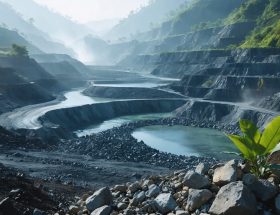
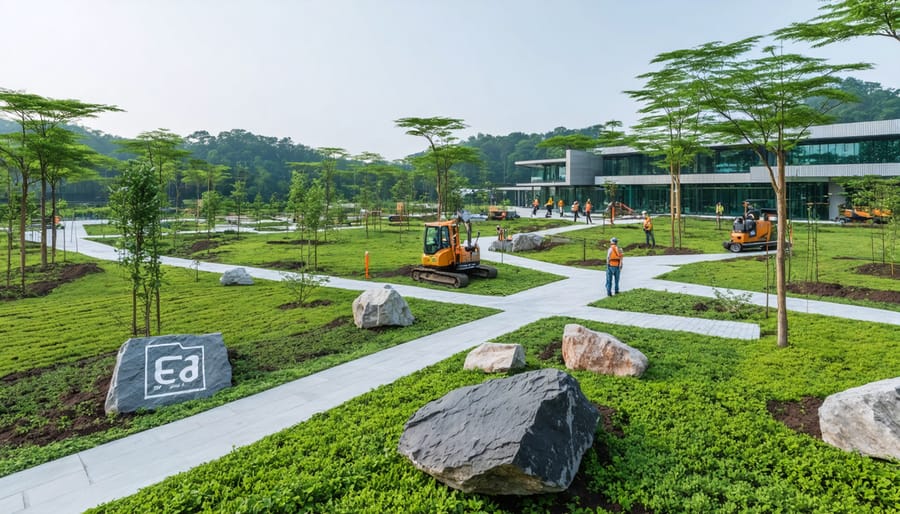
Revolutionizing the construction industry, sustainable stone sourcing has emerged as a critical solution to meeting growing environmental challenges while delivering exceptional building materials. Eco stone supply represents a fundamental shift in how we extract, process, and distribute natural stone products, combining centuries-old craftsmanship with modern environmental stewardship.
Today’s eco-conscious builders and designers demand materials that not only showcase nature’s beauty but also minimize environmental impact throughout their lifecycle. From reduced carbon emissions during extraction to water conservation in processing and optimized transportation networks, eco stone suppliers are setting new industry standards for responsible resource management.
By partnering with certified eco stone suppliers, projects gain both environmental credentials and competitive advantages. These partnerships ensure access to premium materials that meet stringent sustainability requirements while delivering the durability and aesthetic appeal that define exceptional architecture. The future of construction lies in this balanced approach, where environmental responsibility enhances rather than compromises material quality and project success.
What Makes Stone Sourcing Sustainable?
Environmental Impact Assessment
Before any stone extraction begins, a comprehensive environmental impact assessment (EIA) is conducted to evaluate potential effects on local ecosystems, groundwater systems, and surrounding communities. This critical process involves detailed site surveys, geological studies, and consultation with environmental experts to develop sustainable quarrying strategies.
Key aspects of the assessment include monitoring air quality, analyzing water table impacts, and evaluating wildlife habitats. Quarry operators must establish buffer zones around sensitive areas and implement dust suppression systems to minimize particulate emissions. Regular soil and water quality testing ensures compliance with environmental standards throughout the quarrying lifecycle.
Modern eco stone suppliers employ advanced extraction techniques that reduce waste and energy consumption. These include precision cutting methods and efficient transportation planning to minimize carbon footprint. Rehabilitation plans are developed before quarrying begins, outlining specific steps for land restoration and native species reintroduction once extraction is complete.
Successful environmental management requires ongoing monitoring and adjustment of protection measures. This proactive approach helps preserve natural resources while ensuring sustainable stone supply for future generations.
Resource Efficiency
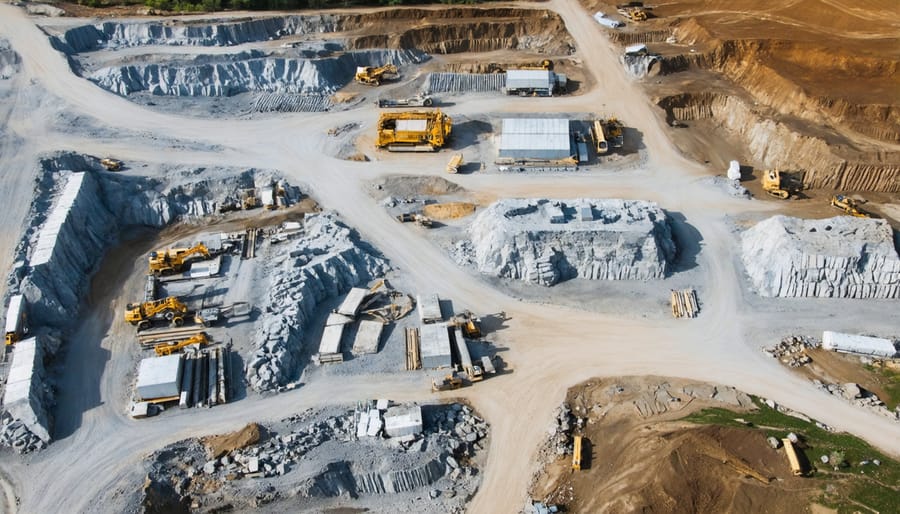
Today’s modern extraction techniques have revolutionized how we harvest natural stone, significantly reducing environmental impact while maximizing resource utilization. Advanced diamond wire cutting and computer-guided machinery ensure precise cuts that minimize waste material, typically achieving a 20-30% improvement in stone yield compared to traditional methods.
Waste reduction strategies now include repurposing stone fragments for aggregate, landscaping materials, and architectural details. Water recycling systems in quarries capture and filter up to 98% of process water for reuse, dramatically reducing consumption of this precious resource. Additionally, strategic quarry planning software helps optimize extraction patterns, ensuring the most efficient use of deposits while maintaining site stability.
These innovations extend beyond the quarry, with sophisticated inventory management systems tracking each stone piece from extraction to installation. This comprehensive approach not only reduces material waste but also minimizes transportation emissions by optimizing delivery routes and load planning, resulting in a more sustainable supply chain from quarry to construction site.
Certification and Standards

Leading Certification Programs
The natural stone industry embraces several prominent certification programs that validate sustainable practices and environmental stewardship. The Natural Stone Council’s NSC 373 Sustainability Assessment stands as the cornerstone certification, evaluating quarries and fabricators based on water usage, land reclamation, and corporate governance.
LEED certification, administered by the U.S. Green Building Council, remains crucial for construction projects utilizing natural stone. Stone suppliers can contribute to LEED points through responsible extraction practices, regional materials usage, and recycled content documentation.
The International Living Future Institute’s Living Building Challenge represents another rigorous certification, requiring stone products to meet strict environmental and health criteria. This certification ensures materials are free from red-list chemicals and sourced responsibly.
Fair Stone certification focuses on social responsibility and worker safety in addition to environmental concerns. This program is particularly relevant for imported stone, ensuring ethical labor practices throughout the supply chain.
Cradle to Cradle Certification evaluates stone products across five quality categories: material health, material reuse, renewable energy use, water stewardship, and social fairness. Many eco-conscious stone suppliers pursue this certification to demonstrate their commitment to circular economy principles.
These certification programs provide independent verification of sustainable practices, helping architects, designers, and consumers make informed decisions while supporting environmentally responsible stone sourcing.
Compliance Requirements
Sustainable stone sourcing requires adherence to strict environmental and ethical standards across the industry. Suppliers must meet certification requirements from recognized bodies such as the Natural Stone Council (NSC) and Leadership in Energy and Environmental Design (LEED). These certifications evaluate factors including quarry management practices, water conservation efforts, and waste reduction protocols.
Key compliance benchmarks include maintaining detailed documentation of stone origin, implementing responsible extraction methods, and ensuring fair labor practices throughout the supply chain. Modern technology-driven procurement methods help track and verify these requirements while improving transparency.
Environmental impact assessments must be conducted regularly, with suppliers demonstrating efforts to minimize ecological disruption and maximize resource efficiency. This includes implementing water recycling systems, utilizing energy-efficient equipment, and developing comprehensive land reclamation plans.
Transportation and packaging requirements also fall under compliance considerations, with suppliers expected to optimize logistics for reduced carbon emissions and use eco-friendly packaging materials. Documentation must include chain of custody certification, ensuring traceability from quarry to final delivery.
Suppliers should maintain updated permits and licenses while adhering to local and international environmental regulations. Regular audits and compliance reviews help ensure ongoing adherence to these standards, supporting sustainable industry practices and environmental stewardship.
Transportation and Carbon Footprint
The transportation of natural stone materials represents a significant component of their overall environmental impact. As the industry evolves towards more sustainable practices, implementing a smart stone supply chain has become crucial for reducing carbon emissions.
Leading suppliers are adopting multi-modal transportation strategies, combining rail, sea, and road transport to optimize efficiency. Rail transport, when available, can reduce carbon emissions by up to 76% compared to traditional trucking methods. Ocean freight, while slower, offers the lowest carbon footprint per ton-mile for international shipments.
To minimize environmental impact, progressive stone suppliers are implementing several key strategies:
1. Local sourcing priorities: Selecting quarries closer to project sites when possible
2. Consolidated shipments: Maximizing load efficiency to reduce the number of trips
3. Route optimization: Using GPS and logistics software to plan the most fuel-efficient routes
4. Electric and hybrid vehicles: Transitioning delivery fleets to low-emission alternatives
5. Carbon offset programs: Investing in environmental projects to balance unavoidable emissions
Modern tracking systems allow companies to monitor and report their carbon footprint accurately. This data helps identify areas for improvement and provides transparency to environmentally conscious clients. Many suppliers now include carbon footprint calculations in their product documentation, enabling architects and designers to make informed decisions about material selection.
The industry is also seeing innovation in packaging and loading techniques. Reusable packaging systems, improved stone-stacking methods, and advanced securing mechanisms not only protect the material during transit but also optimize space utilization, reducing the number of required shipments.
Through these combined efforts, progressive stone suppliers are achieving measurable reductions in their transportation-related emissions while maintaining efficient delivery schedules and product quality.

Benefits of Eco Stone Supply
Environmental Advantages
Natural stone supply chains are evolving to meet growing environmental concerns, offering significant ecological advantages over manufactured materials. Quarries now implement advanced extraction techniques that minimize waste and reduce energy consumption during the mining process. The durability of natural stone means fewer replacements over time, resulting in decreased long-term environmental impact and reduced carbon footprint.
Local sourcing practices have revolutionized stone supply, dramatically cutting transportation emissions while supporting regional economies. Modern quarries also practice responsible land management, including detailed restoration plans and wildlife habitat preservation. Many suppliers now utilize closed-loop water systems during processing, conserving this vital resource.
Natural stone requires minimal processing compared to manufactured alternatives, consuming less energy in production. Its thermal mass properties contribute to building energy efficiency, while its chemical-free composition ensures zero off-gassing and improved indoor air quality. As a naturally occurring material, stone is completely recyclable and can be repurposed for various applications, further extending its environmental benefits.
Business Benefits
Partnering with an eco-conscious stone supplier offers significant competitive advantages in today’s environmentally aware market. Companies can expect reduced operational costs through efficient resource management and optimized shipping processes. Sustainable stone sourcing often leads to better relationships with environmentally conscious clients and increased project opportunities, particularly in markets where green building certifications are valued.
The financial benefits extend beyond immediate cost savings. Projects featuring sustainably sourced stone materials typically command premium pricing and attract high-value clients who prioritize environmental responsibility. Additionally, businesses can benefit from tax incentives and green building credits available in many jurisdictions.
Marketing advantages are substantial, as companies can leverage their sustainable practices to differentiate themselves from competitors. This commitment to environmental stewardship often results in enhanced brand reputation, increased customer loyalty, and stronger relationships with stakeholders who value corporate environmental responsibility. The long-term cost stability of sustainable stone sourcing also provides better budget predictability and risk management for construction projects.
The sustainable stone sourcing industry continues to evolve rapidly, driven by increasing environmental awareness and technological advancements. As we’ve explored throughout this article, eco-friendly stone supply practices encompass careful quarrying methods, efficient processing techniques, and responsible transportation solutions that minimize environmental impact while maintaining product quality.
The future of sustainable stone sourcing looks promising, with emerging technologies enabling more precise extraction methods and improved waste reduction strategies. Digital mapping and automated cutting systems are revolutionizing how we harvest natural stone, ensuring maximum yield with minimal environmental disruption. Additionally, the growing adoption of certification programs and environmental standards is creating greater transparency and accountability throughout the supply chain.
For industry stakeholders, embracing sustainable practices isn’t just an environmental imperative—it’s becoming a crucial business advantage. Consumers and project developers increasingly prioritize environmentally responsible materials, making sustainable stone sourcing a key differentiator in the market.
Looking ahead, we can expect to see continued innovation in recycling techniques, water conservation methods, and carbon footprint reduction strategies. The industry is also likely to benefit from improved logistics solutions and local sourcing initiatives that further reduce transportation-related emissions.
By maintaining our commitment to sustainable practices while embracing technological innovations, the natural stone industry can continue to provide beautiful, durable materials while protecting our planet’s resources for future generations.