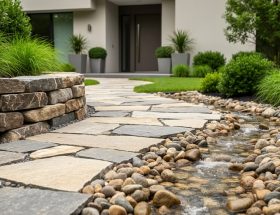
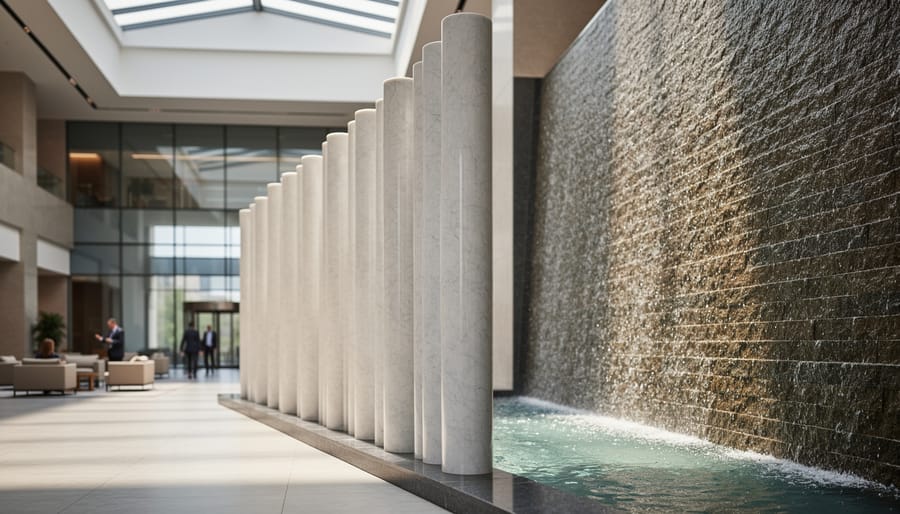
Stone transforms from static material into living sculpture through kinetic art—installations that harness movement to create ever-changing visual experiences. Movement breathes life into marble, granite, and limestone through carefully engineered systems: rotating elements catch and redirect light across polished surfaces, water cascades over textured stone to create shifting patterns, wind activates suspended stone panels that pivot and sway, and mechanical systems orchestrate precise choreography of stone components. These dynamic installations represent the convergence of ancient craftsmanship and modern engineering, where the permanence of natural stone meets the ephemeral nature of motion.
The applications span from corporate lobbies featuring rotating stone columns that reveal different veining patterns throughout the day, to public plazas with interactive water walls responding to pedestrian movement, to residential spaces incorporating kinetic stone room dividers that adjust for privacy and light control. Each installation requires precise understanding of stone properties—weight distribution, structural integrity, surface treatments—combined with mechanical engineering principles governing balance, counterweights, and motion control systems.
For architects and designers, kinetic stone installations offer unprecedented opportunities to create memorable spaces that engage viewers emotionally and physically. Property owners gain distinctive focal points that elevate their environments beyond conventional applications. The technical feasibility depends on several factors: stone selection based on weight-to-strength ratios, structural support systems capable of handling dynamic loads, maintenance protocols for mechanical components, and budget considerations that typically range from moderate to significant investment.
This comprehensive guide examines real-world implementations, technical requirements, design considerations, and practical insights for incorporating kinetic elements into stone installations—transforming passive surfaces into interactive experiences that captivate and inspire.
What Makes Stone ‘Kinetic’? Understanding Movement in Stone Art
Natural vs. Mechanical Movement
Kinetic stone art draws its motion from two distinct power sources, each offering unique advantages and design considerations. Natural kinetic installations harness environmental forces—wind, water flow, or gravity—to create organic, unpredictable movement. These systems typically feature carefully balanced stone elements mounted on pivots or suspended by cables, responding to natural conditions in real-time. Wind-driven sculptures might incorporate stone blades or panels that rotate gently in breezes, while water-powered installations use flowing water to turn stone wheels or create cascading effects. Gravity-based designs often employ pendulum mechanisms or carefully calibrated tipping points that shift weight distribution.
The aesthetic appeal of naturally powered kinetic stone lies in its harmonious integration with the environment. Movement varies with weather conditions, creating an ever-changing display that connects viewers to natural rhythms. These installations require minimal maintenance and zero energy costs, making them sustainable choices for outdoor spaces. However, designers must account for unpredictable performance—calm days may yield little movement, while strong winds could require safety mechanisms.
Mechanical systems, by contrast, offer precise control over movement patterns, speed, and timing. Motors and programmable controllers enable complex choreographed sequences, making these installations ideal for interior applications or projects requiring consistent performance. While mechanical systems demand regular maintenance, electrical infrastructure, and ongoing energy consumption, they provide reliability and can incorporate lighting or synchronized audio elements. The choice between natural and mechanical approaches ultimately depends on project location, desired aesthetic effect, budget constraints, and maintenance capabilities.
Interactive Elements: When Viewers Become Part of the Art
Interactive kinetic stone installations transform viewers from passive observers into active participants, creating memorable experiences through direct engagement. These installations respond to human presence and action, establishing a dialogue between material, artwork, and audience.
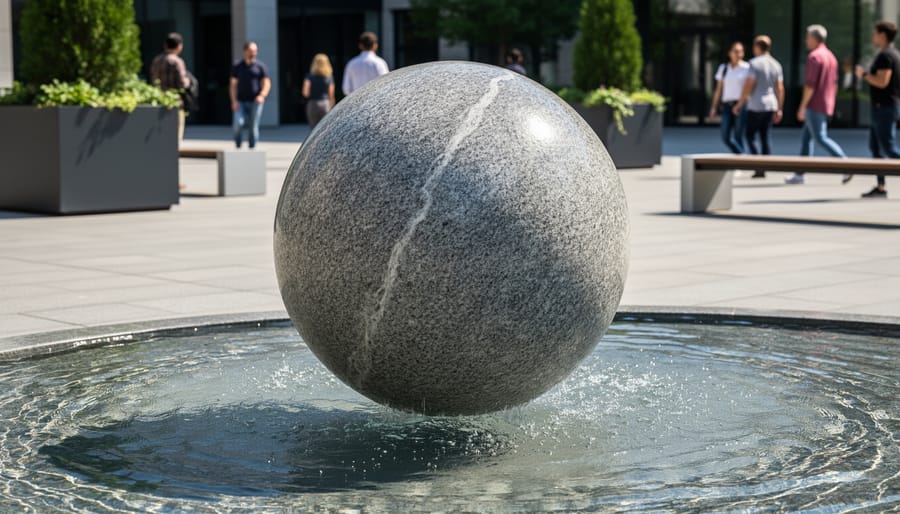
Touch-activated rotating stone spheres represent one of the most tactile forms of interactive kinetic art. Known as kugel balls or floating spheres, these installations feature large granite or marble spheres, sometimes weighing thousands of pounds, balanced on thin films of water. The hydrostatic pressure allows visitors to rotate these massive stones with minimal finger pressure, demonstrating principles of physics while creating an almost magical interaction. Public plazas, museum courtyards, and corporate lobbies frequently feature these installations, where the simple act of touching stone creates immediate, visible movement.
Proximity sensors add another dimension to interactive stone art. These installations detect visitor approach or movement, triggering responses such as illuminated patterns within translucent stone panels, cascading water features over carved surfaces, or mechanical movements in stone elements. At the California Academy of Sciences in San Francisco, sensor-triggered water features incorporate carved stone channels that activate as visitors approach, creating dynamic patterns across the material’s surface.
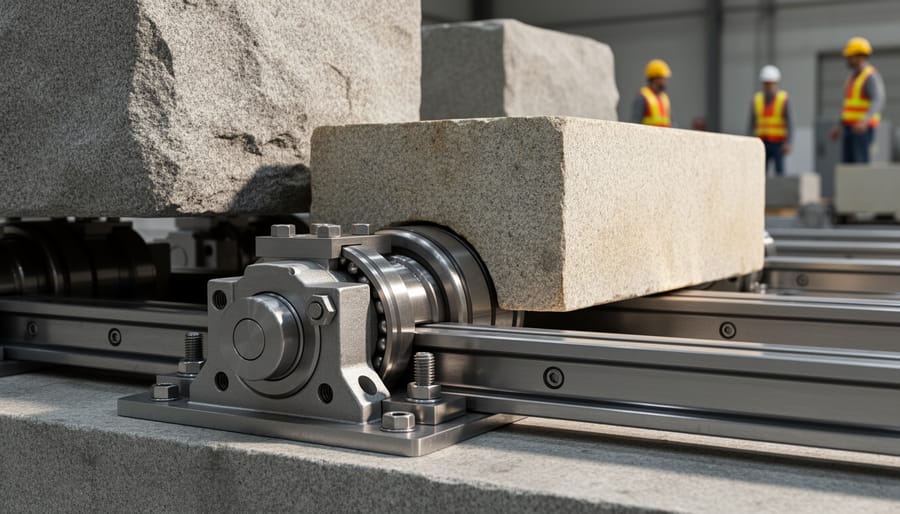
Direct manipulation installations invite even more engagement. Some contemporary artists create modular stone sculptures where visitors can rearrange components, or installations with movable stone elements suspended on precision bearings. These works democratize the creative process, allowing each visitor to temporarily reshape the artwork while experiencing the weight, texture, and inherent beauty of natural stone firsthand.
The Engineering Challenge: Making Heavy Stone Move Gracefully
Stone Selection for Kinetic Applications
Selecting the right stone for kinetic applications requires careful consideration of physical properties and aesthetic goals. The stone must withstand repeated movement while maintaining structural integrity and visual appeal.
Granite stands out as an exceptional choice for kinetic installations due to its exceptional hardness and durability. Its dense composition and interlocking crystal structure resist wear from friction and mechanical stress, making it ideal for pieces with frequent motion. Granite’s substantial weight provides stability in counterbalanced systems, while its variety of colors and patterns offers rich aesthetic possibilities. However, this weight can be a disadvantage in installations requiring lighter materials or delicate movements.
Marble brings timeless elegance to kinetic art with its distinctive veining and luminous quality. When backlit or positioned to catch changing light throughout the day, moving marble elements create stunning visual effects. The stone’s moderate density allows for easier manipulation than granite, though its softer nature and susceptibility to weathering make it better suited for indoor installations or protected outdoor environments where chemical exposure is minimal.
Limestone offers a practical middle ground, particularly for larger-scale kinetic sculptures. Its workability allows artists to achieve precise tolerances necessary for smooth mechanical operation, while its lighter weight compared to granite reduces engineering complexity. The stone’s natural warmth and texture complement contemporary design aesthetics. However, limestone requires protective treatments for outdoor applications due to its porous nature.
Basalt provides a striking modern aesthetic with its dark, uniform appearance and fine grain structure. Its density and strength rival granite, making it suitable for demanding kinetic applications. The stone’s consistent composition ensures predictable behavior in moving parts, though its limited color range may not suit all design visions.
Pivot Points, Bearings, and Support Systems
Behind every graceful rotation of stone lies a sophisticated network of mechanical infrastructure designed to handle immense weight while maintaining fluid motion. The engineering challenge becomes particularly complex when dealing with materials like marble or granite, which can weigh several tons even in modest installations.
Precision bearings form the foundation of most kinetic stone systems. Industrial-grade radial bearings, similar to those used in wind turbines, distribute weight evenly while minimizing friction. For larger installations, thrust bearings positioned at the base support vertical loads while allowing rotational movement. These components must be corrosion-resistant and maintenance-accessible, often requiring specialized housings integrated into floor structures during construction.
Water cushion systems offer an elegant solution for horizontal movement, where stone elements float on thin films of pressurized water. This technology, adapted from heavy machinery transport, reduces friction to nearly zero, allowing multi-ton stone pieces to glide with minimal force. The system requires continuous water circulation, filtration, and precise pressure regulation to maintain consistent performance.
Magnetic levitation represents the cutting edge of kinetic stone engineering, complementing advances in digital stone technology. Electromagnetic arrays suspend stone elements in controlled fields, eliminating physical contact entirely. While energy-intensive, this approach eliminates wear and enables previously impossible movements.
Counterweight systems balance gravitational forces, making motorized movement more efficient. Concealed within walls or floor cavities, these weights offset stone mass, allowing smaller motors to drive larger installations. The ratio typically ranges from 1:1 to 2:1, depending on desired movement speed and frequency.
Real-World Applications: Where Kinetic Stone Installations Shine
Commercial and Public Spaces
Kinetic stone installations have become signature features in commercial and public environments, transforming ordinary spaces into memorable destinations that engage visitors through movement and visual impact. From corporate lobbies to urban plazas, these dynamic artworks demonstrate natural stone’s versatility beyond traditional static applications.
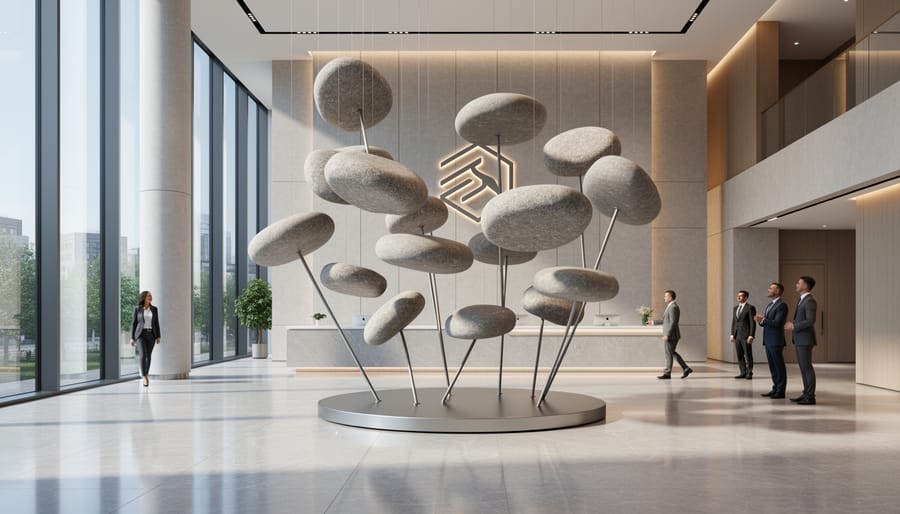
Corporate headquarters increasingly feature kinetic stone elements as focal points that reflect innovation and permanence. These installations often incorporate materials like polished granite, marble, or slate configured in rotating panels, suspended elements, or water-activated designs. The movement draws the eye naturally, creating moments of pause and contemplation in high-traffic areas while reinforcing brand identity through sophisticated design.
Public plazas and parks benefit from kinetic stone art’s ability to activate outdoor spaces throughout changing seasons. Wind-driven installations using thin stone veneers or carefully balanced stone components provide constant visual interest without requiring electrical infrastructure. Some designs integrate water features, where flowing water sets stone elements in motion or creates changing reflections across polished surfaces.
A notable example is the Harmonic Gateway installation at San Francisco’s Salesforce Transit Center. This kinetic sculpture features over 200 individually suspended panels of white Carrara marble that respond to air currents from passing buses and pedestrian movement. Each panel, precision-cut to specific dimensions and weights, rotates independently on stainless steel armatures. The installation spans 150 feet and creates constantly shifting patterns of light and shadow across the marble’s natural veining. Visitors frequently stop to watch the subtle movements, with many describing the experience as meditative. The project required collaboration between stone fabricators, structural engineers, and artists to ensure each marble panel could withstand outdoor conditions while maintaining delicate balance points necessary for movement.
Residential Applications: Bringing Movement Home
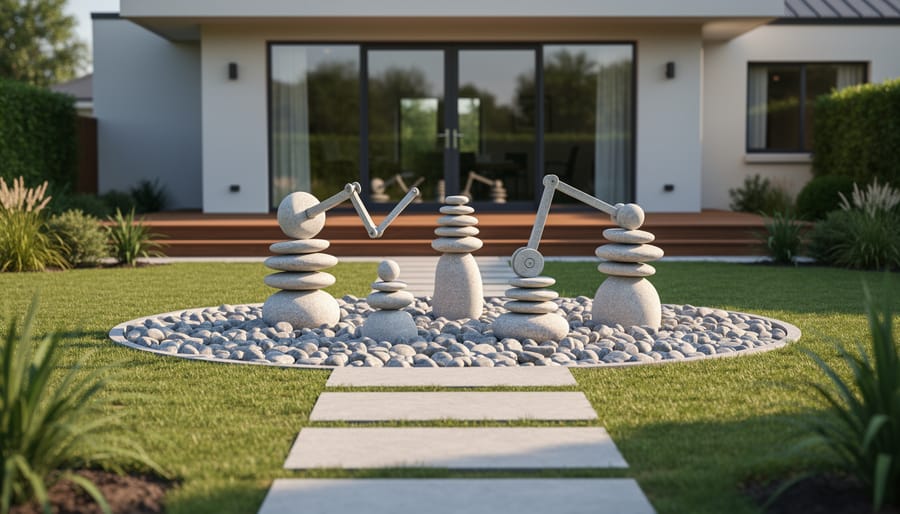
While public stone installations showcase kinetic art on a grand scale, homeowners can now bring this captivating movement into residential spaces through carefully designed, scaled-down features. These installations transform ordinary gardens and interiors into engaging environments that celebrate the beauty of natural stone in motion.
Rotating stone water features represent one of the most accessible options for residential applications. These typically consist of a polished granite or marble sphere that rotates continuously on a thin film of water, creating mesmerizing movement while producing soothing sounds. Standard residential sizes range from 12 to 36 inches in diameter, fitting comfortably in garden beds, entryways, or courtyard settings. The engineering relies on water pressure from a concealed pump, making installation straightforward for most landscaping professionals.
Balanced rock fountains offer another compelling option, featuring stacked stones that appear to defy gravity while water cascades between carefully positioned gaps. These installations work particularly well in contemporary gardens and meditation spaces, with prices ranging from $2,000 to $15,000 depending on stone type, size, and complexity.
Interactive garden sculptures incorporating pivot mechanisms allow visitors to manually rotate or reposition stone elements, creating participatory art experiences. While more complex than static pieces, these features can be designed with sealed bearings and weather-resistant hardware to minimize maintenance requirements.
Feasibility considerations include adequate water access for fountain features, level foundation surfaces, and periodic cleaning to prevent mineral buildup. Maintenance typically involves seasonal pump checks, water treatment, and occasional stone sealing. Homeowners should budget $500 to $1,500 annually for professional upkeep, though simpler installations may require minimal intervention. Working with experienced stone suppliers and installers ensures proper material selection and long-term performance.
Healing and Meditative Spaces
Kinetic stone installations are increasingly recognized for their therapeutic value in healthcare and wellness environments. The gentle, repetitive movement of stone elements creates a focal point that naturally draws attention and encourages mindfulness, making these installations ideal for meditation gardens, hospital atriums, and wellness centers.
Research indicates that observing natural materials in motion can reduce stress levels and lower blood pressure. Water-activated kinetic stone features, such as slowly rotating granite spheres or cascading marble elements, provide both visual and auditory stimulation that promotes relaxation. The predictable yet organic movement patterns help patients and visitors enter meditative states more easily than static artwork.
Several hospitals have integrated kinetic stone fountains in waiting areas and recovery spaces, reporting positive feedback from patients experiencing anxiety or chronic pain. The continuous motion serves as a grounding mechanism, redirecting focus from discomfort to the hypnotic movement of natural stone.
Wellness centers are incorporating smaller-scale kinetic installations in yoga studios and treatment rooms, where the subtle movement enhances the calming atmosphere without causing distraction. The natural color variations and textures of materials like travertine and slate add an organic dimension that synthetic materials cannot replicate, strengthening the connection between healing spaces and the natural world.
Maintenance and Longevity: Keeping Stone in Motion
Kinetic stone installations demand specialized care to ensure both aesthetic appeal and mechanical reliability over time. Unlike static stone features, moving elements face unique challenges from constant motion, environmental exposure, and the integration of mechanical components.
Regular inspection of all moving parts should occur quarterly at minimum. Check for signs of wear on pivot points, bearings, and connection hardware. Stone elements that rotate or swing require particular attention where they interface with metal components, as friction can cause gradual deterioration. Apply appropriate lubricants to mechanical systems following manufacturer specifications, ensuring products won’t stain or damage the stone surface.
Weather exposure presents specific concerns for outdoor kinetic installations. Water infiltration remains the primary threat, potentially freezing in cracks during winter months and causing spalling or fracture. Seal all stone surfaces with breathable, high-quality sealants appropriate for your stone type, reapplying every 18-24 months depending on climate conditions. During winter, consider temporary stabilization of moving elements in extreme weather zones to prevent ice damage.
Cleaning protocols for kinetic pieces differ from traditional stone maintenance techniques due to mechanical components. Use pH-neutral cleaners and soft brushes, avoiding pressure washers that might compromise sealed joints or force water into mechanical assemblies. Clean around motors and drive systems with dry methods only.
Seasonal maintenance should include pre-winter weatherproofing and post-winter inspections for freeze-thaw damage. In coastal environments, increase inspection frequency to address salt exposure and corrosion on metal components. Document any changes in movement patterns, unusual sounds, or resistance, as these often signal developing issues before visible damage occurs.
Establish relationships with both stone professionals and mechanical specialists familiar with kinetic art installations. This dual expertise ensures comprehensive care addressing both material preservation and mechanical functionality, extending your installation’s lifespan while maintaining its intended dynamic performance.
Design Considerations: Planning Your Own Kinetic Stone Installation
Planning a kinetic stone installation requires careful consideration of multiple factors before breaking ground. Like any site-specific stone art, these dynamic pieces demand thorough planning to ensure successful execution and long-term performance.
Budget expectations for kinetic stone installations vary significantly based on scale, complexity, and materials. Small-scale indoor pieces typically start around $25,000 to $75,000, while mid-sized lobby or courtyard installations range from $100,000 to $300,000. Large-scale public art commissions can easily exceed $500,000, with engineering, fabrication, and installation comprising the major cost components. Factor in additional expenses for structural assessments, permitting, insurance, and ongoing maintenance contracts.
Timeline planning should account for 6 to 18 months from concept to completion. Initial design and engineering phases typically require 2 to 4 months, followed by 3 to 8 months for fabrication. Installation and testing add another 1 to 3 months, with variations depending on project complexity and site conditions. Weather constraints, permitting delays, and stone sourcing can extend these timelines, so build flexibility into project schedules.
Permitting requirements differ by location and installation type. Most jurisdictions require structural engineering stamps, electrical permits for motorized systems, and potentially public art approvals for outdoor installations. Buildings may need seismic considerations, load calculations for floor or ceiling mounting, and accessibility compliance reviews. Engage local authorities early to identify specific requirements.
When evaluating potential designers or fabricators, ask these essential questions: What previous kinetic installations have they completed, and can you visit them? How do they approach stone selection for moving elements, considering weight and durability? What redundancies exist in their mechanical systems? How do they address maintenance accessibility? What warranties cover both artistic and mechanical components? Request detailed maintenance protocols, replacement part availability, and expected lifespans for moving components.
Finally, verify that your team includes appropriate expertise spanning sculpture, mechanical engineering, and stone fabrication. This interdisciplinary collaboration ensures both artistic vision and technical feasibility align throughout the project lifecycle.
Kinetic stone art represents a remarkable convergence of timeless natural materials and contemporary dynamic design. By uniting the enduring beauty and solidity of stone with carefully engineered movement, these installations offer a sensory experience that static artworks simply cannot match. The interplay of weight, balance, and motion transforms stone from a passive architectural element into an active participant in spatial storytelling.
These installations consistently demonstrate their power to transform both public and private environments. Whether anchoring a corporate lobby, energizing a museum courtyard, or creating a focal point in a residential garden, kinetic stone artworks generate lasting impressions. Their ability to shift with wind, water, or mechanical systems ensures that spaces feel alive and responsive, encouraging viewers to pause, observe, and return for fresh perspectives.
The technical sophistication behind kinetic stone installations has evolved considerably, making them increasingly accessible across various project scales and budgets. Advances in materials engineering, precision fabrication, and installation techniques mean that what once seemed exclusive to major institutional projects can now enhance boutique developments and private commissions. Options range from modest water-activated features to ambitious mechanized sculptures, with designers and fabricators offering solutions tailored to specific spatial requirements and financial parameters.
For architects, designers, and property owners seeking to distinguish their projects with natural stone applications that captivate and inspire, kinetic installations offer unmatched potential. As you plan your next project, consider how movement and stone might combine to create spaces that truly resonate with those who experience them.