
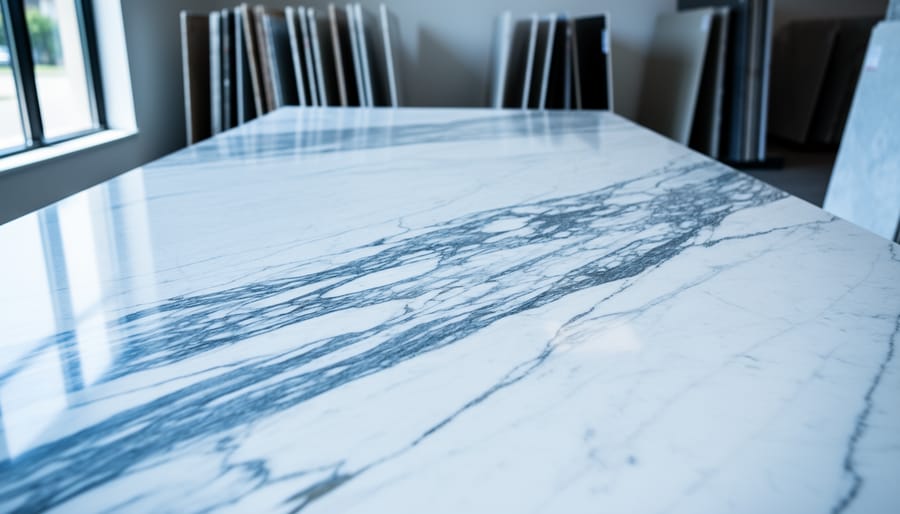
Blue-vein stone captures attention with dramatic streaks of gray, blue, or charcoal running through white or cream-colored marble, creating visual impact that transforms ordinary spaces into sophisticated environments. These distinctive veining patterns occur naturally in specific marble varieties, particularly those quarried in regions like Turkey, Italy, and Greece, where geological conditions produce the mineral compositions responsible for the blue coloration.
Understanding what constitutes authentic blue-vein stone matters because the market includes both natural varieties and artificially enhanced alternatives. Genuine blue-veined marble forms over millions of years as trace minerals, primarily graphite and pyrite, become incorporated into calcite deposits during metamorphic processes. The result is permanent, integral coloration that runs throughout the stone depth, not merely on the surface.
The distinction between natural and treated stone significantly impacts both performance and value. Enhanced versions may feature applied dyes or resins that alter appearance but compromise the stone’s breathability and long-term durability. Natural blue-vein marble maintains consistent coloration that won’t fade or wear away, while treated alternatives may discolor when exposed to cleaning agents, moisture, or UV light.
Making informed purchasing decisions requires examining stone samples under proper lighting, requesting quarry documentation, and working with reputable suppliers who provide transparency about stone origins and any treatments applied. This knowledge protects your investment and ensures the blue-vein stone you select delivers the aesthetic impact and longevity you expect from natural marble installations.
What Is Blue-Vein Stone?
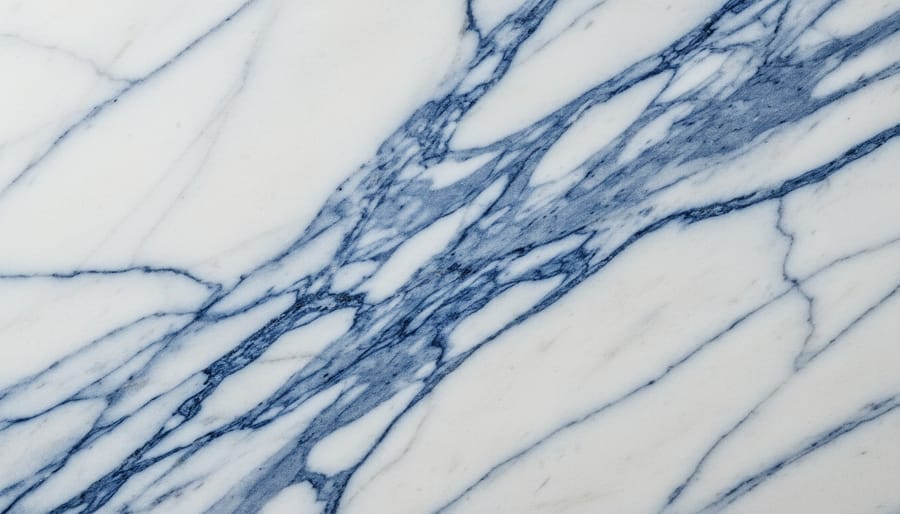
Natural Blue Veining Formation
Blue veins in natural stone develop through intricate geological processes spanning millions of years. These distinctive patterns form when mineral-rich fluids permeate through fractures and fissures in the host rock during metamorphic transformation. As pressure and heat intensify deep within the earth’s crust, minerals such as azurite, chrysocolla, or dumortierite crystallize within these channels, creating the characteristic blue striations that make each stone unique.
The intensity and distribution of blue veining depend on several factors, including the composition of circulating fluids, temperature conditions, and the duration of mineral deposition. In marble and quartzite formations, these veins often follow the natural bedding planes or stress fractures of the stone, resulting in linear or branching patterns. The natural mineral coloration ranges from subtle sky blue to deep cobalt, influenced by the concentration and oxidation state of the deposited minerals.
Understanding this natural formation process helps distinguish authentic blue-vein stone from artificially enhanced materials. Genuine geological veining exhibits irregular patterns with varying thickness and organic flow, reflecting the unpredictable nature of underground mineral migration. This authenticity contributes significantly to the stone’s value and aesthetic appeal in architectural and design applications.
Common Blue-Veined Stone Varieties
Several natural stone varieties showcase striking blue veining that makes them highly sought after for residential and commercial projects. Azul Macaubas, quarried in Brazil, features dramatic blue-gray veins running through a white or light-colored background, creating bold visual movement ideal for statement pieces like kitchen islands and feature walls. Sodalite Blue granite displays rich navy and royal blue tones interspersed with white minerals, offering exceptional durability for high-traffic applications including countertops and flooring.
Among marble varieties, Azul Cielo presents softer blue-gray veining on a lighter base, perfect for elegant bathroom installations and decorative accents. Quartzite options like Blue Bahia combine the beauty of blue veining with superior hardness, making them excellent choices for surfaces requiring both aesthetics and performance. Van Gogh quartzite showcases swirling blue, gray, and gold veins reminiscent of the artist’s brushstrokes, creating truly unique installations.
Each variety offers distinct characteristics in terms of vein intensity, background color, and pattern movement. When selecting blue-veined stone, consider factors like the scale of veining relative to your project size, color consistency requirements, and the stone’s physical properties for your intended application.
The Reality of Stone Dyeing and Enhancement
Dyeing vs. Staining: Understanding the Difference
When evaluating blue-vein stone, understanding the distinction between dyeing and staining is essential for making informed purchasing decisions. These two processes represent fundamentally different approaches to altering stone appearance, each with distinct implications for durability and authenticity.
Staining refers to surface-level treatments that coat the exterior of the stone without significant penetration. These treatments typically involve applying pigmented substances that sit atop the stone’s surface, similar to paint. While staining can produce immediate visual results, it’s generally less durable and more susceptible to wear, scratching, and fading over time. Surface stains may also appear uneven or artificial under close inspection.
Dyeing, by contrast, involves penetrating colorants that absorb into the stone’s porous structure. Professional dyeing techniques can reach deeper into the material, creating more permanent color enhancement that better withstands daily use and cleaning. However, even deep-penetrating dyes don’t change the stone’s fundamental composition and will eventually show wear in high-traffic areas or at cut edges.
Both methods aim to intensify or create blue veining patterns, but neither replicates the geological processes that produce naturally occurring blue-vein stone. Reputable sellers should disclose any enhancement treatments, as this information directly impacts the stone’s value, performance expectations, and maintenance requirements. When examining blue-vein stone, ask specifically whether the coloration is natural, dyed, or surface-stained to ensure you receive accurate information about the product’s true nature and longevity.
Common Enhancement Techniques for Blue Veining
The stone industry employs several enhancement methods to create or intensify blue veining in natural stone, ranging from subtle improvements to dramatic transformations. Understanding these techniques helps buyers make informed decisions about authenticity and value.
Epoxy resin fills represent one of the most common enhancement methods. Natural fissures and veins are cleaned, then filled with clear or lightly tinted epoxy resin. This stabilizes the stone while subtly enhancing existing vein patterns. When executed properly, epoxy fills strengthen the material and make it more suitable for countertop and flooring applications.
Pigmented resin treatments take enhancement further by introducing colored resins into natural veining channels. Manufacturers inject blue-tinted epoxies or polyester resins into existing fractures, creating more pronounced blue veining than naturally occurs. These stone coloring techniques can significantly alter the stone’s appearance, sometimes making modest veining appear dramatic.
Chemical staining represents another enhancement approach. Certain chemical solutions applied to porous limestone or marble can create or intensify blue coloration by reacting with minerals in the stone matrix. These treatments may penetrate several millimeters below the surface but typically require periodic reapplication as the stone wears.
Surface coatings offer temporary enhancement through topical sealers containing blue pigments. While these provide immediate visual impact, they wear away with use and cleaning, requiring regular maintenance to preserve the enhanced appearance. Professional fabricators should disclose any enhancements, as they affect both the stone’s performance characteristics and long-term maintenance requirements.
Industry Standards and Disclosure Requirements
The natural stone industry has established guidelines requiring suppliers to disclose any treatments or enhancements applied to stone materials. Reputable suppliers should provide documentation indicating whether blue-vein patterns are naturally occurring or result from resin filling, dyeing, or other enhancement processes. The Marble Institute of America and similar organizations recommend clear labeling that distinguishes between natural stone, enhanced natural stone, and engineered products. When purchasing blue-vein stone, request a detailed specification sheet that outlines the stone’s origin, treatment history, and maintenance requirements. Professional architects and designers should include language in their specifications requiring sellers to disclose enhancement methods before installation. While no universal certification system exists specifically for blue-vein stone, asking direct questions about treatment processes and requesting written confirmation helps ensure transparency. Documentation becomes particularly important for high-value projects where material authenticity affects both aesthetic longevity and property value. Understanding these disclosure standards empowers consumers to make informed decisions and compare products accurately across different suppliers.
How to Identify Naturally Blue-Veined Stone
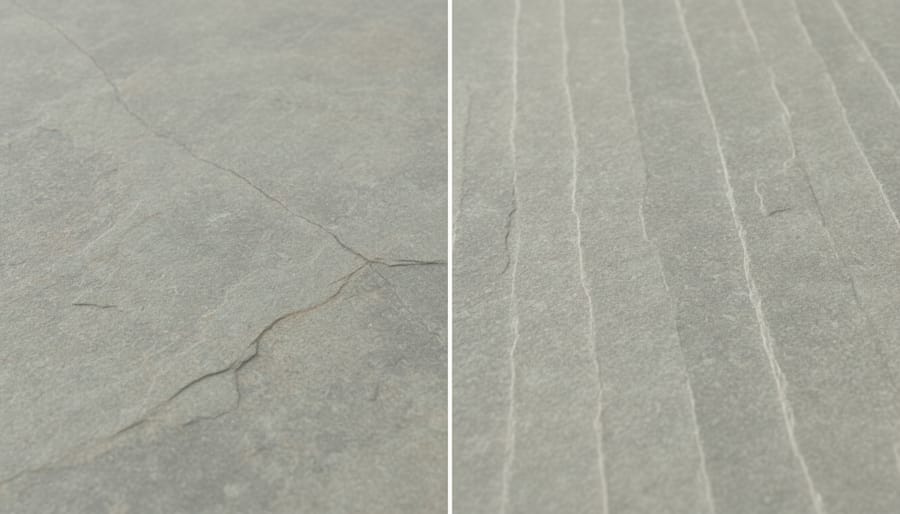
Visual Inspection Techniques
Examining blue-vein stone requires a systematic approach to distinguish natural characteristics from artificial enhancements. Start by assessing vein depth and dimensionality. Authentic blue veining penetrates through the stone’s structure rather than sitting superficially on the surface. Run your fingers across the veins—natural formations should feel integrated with the surrounding material, not raised or textured differently.
Color consistency offers critical clues about authenticity. Natural blue veining exhibits subtle variations in intensity and hue, ranging from pale gray-blue to deeper azure tones within the same piece. Suspiciously uniform coloring throughout multiple slabs may indicate dye treatment or artificial enhancement. Hold the stone at different angles under natural lighting to observe how the blue tones shift and interact with the base material.
Pattern irregularity is a hallmark of genuine natural stone. Blue veins should follow organic, unpredictable pathways that reflect geological formation processes. Be wary of repetitive patterns or veining that appears too symmetrical, as these characteristics often signal manufactured or enhanced materials. Natural veins may branch, fade, or intensify unexpectedly, creating unique variations between slabs.
Surface characteristics provide additional verification. Examine both polished and honed finishes if available. Natural blue-vein stone maintains its color integrity across different surface treatments, while surface-applied colorants may appear inconsistent or concentrated in textured areas. Request to see the stone’s edge profile, where cross-sectional views reveal whether veining extends through the material’s full thickness or remains surface-level.
Testing Methods and Professional Assessment
If you’re uncertain about the authenticity of blue-vein stone, several simple at-home tests can provide initial insights. The water absorption test involves placing a few drops of water on the surface—natural stone typically absorbs moisture slowly, while resin-treated or engineered materials often repel water. An acetone test can reveal surface treatments: apply a small amount to an inconspicuous area using a cotton swab. If color transfers or the finish dulls, the stone likely has artificial enhancements or sealants.
These preliminary tests offer helpful clues but aren’t definitive. For projects requiring verification—especially high-value installations or when purchasing significant quantities—professional laboratory analysis is essential. Accredited gemological laboratories can perform petrographic analysis, which examines the stone’s mineral composition and structure under microscopy. They can also identify polymer impregnation, dye treatments, or composite materials that aren’t visible to the naked eye.
Request certification documentation from suppliers, particularly for imported materials. Reputable vendors should provide detailed specifications including quarry origin, treatment disclosure, and test results. When specification accuracy matters for warranty purposes, building code compliance, or design integrity, investing in professional assessment protects your project and ensures you receive genuine natural stone with the performance characteristics you expect.
Questions to Ask Your Stone Supplier
Before committing to a purchase, ask your supplier these critical questions to ensure transparency and make an informed decision. Start by inquiring whether the stone has undergone any enhancements, treatments, or resins to improve its appearance or durability. Request specific details about the treatment process and whether it affects long-term performance. Ask if the blue veining is naturally occurring or created through artificial means like dyeing or staining. Inquire about the stone’s origin and geological classification to verify authenticity. Request documentation or certification that confirms the stone’s natural status. Ask about the absorption rate and porosity, as these factors impact staining susceptibility and maintenance requirements. Find out what sealing recommendations apply and how frequently resealing will be necessary. Request samples from the actual lot you’ll be purchasing, since natural stone varies considerably between batches. Finally, ask about the supplier’s return policy and warranties, particularly regarding color consistency and structural integrity over time.
Performance and Longevity: Natural vs. Enhanced
Durability Considerations
The durability of blue-vein stone can be significantly compromised by certain enhancement treatments, making this a critical consideration for any project. Natural, untreated blue-vein stone typically exhibits excellent longevity, with proper installation and maintenance ensuring decades of performance. However, stones treated with dyes or resins may experience degradation over time.
Resin-enhanced stones, while initially stronger due to filled fissures, can yellow or become brittle with UV exposure, particularly in exterior applications or sunny interior spaces. The resin may also react differently than the stone itself to temperature fluctuations, potentially causing micro-cracking at the interface between natural and treated areas.
Dyed stones present even greater concerns for long-term durability. Surface treatments can wear away in high-traffic areas, revealing the original stone color underneath and creating an uneven, patchy appearance. Additionally, certain cleaning chemicals can strip or fade artificial dyes, accelerating deterioration.
For high-traffic commercial spaces or exterior applications, specifying untreated blue-vein stone is essential. If enhanced stone must be used due to budget constraints, limit its application to low-traffic vertical surfaces and areas protected from direct sunlight. Always request documentation about specific treatments applied and their expected lifespan under your intended use conditions. Regular sealing and appropriate maintenance protocols become even more critical for treated materials to maximize their serviceable life.
Maintenance and Colorfastness
Blue-vein stone requires consistent maintenance to preserve its appearance and structural integrity. Natural blue-vein marble should be sealed upon installation and resealed every 12 to 18 months, depending on the application and traffic levels. Use pH-neutral cleaners specifically formulated for natural stone, as acidic or abrasive products can etch the surface and damage the stone polishing finish.
For stones with naturally occurring blue veining, the color remains stable over time when properly maintained. However, enhanced or dyed stones present different challenges. Artificial blue pigments may fade with prolonged exposure to direct sunlight, particularly in exterior applications or near large windows. UV radiation gradually breaks down synthetic colorants, causing the vibrant blue veins to lose intensity and shift toward gray or brown tones within several years.
Chemical cleaners containing bleach, ammonia, or harsh alkalines can also strip artificial coloring from enhanced stones. Even routine cleaning with inappropriate products may cause uneven fading or blotchy discoloration. When purchasing blue-vein stone, request specific maintenance guidelines from your supplier and inquire about colorfastness warranties, which reputable dealers typically offer for natural stones but rarely for enhanced versions.
Regular inspection helps identify early signs of fading or damage. If blue veins begin losing color, enhanced stones cannot be restored to their original appearance without professional re-dyeing, which is costly and often impermanent. Natural blue-vein stone, conversely, maintains its authentic character throughout its lifespan with proper care.
Making an Informed Choice for Your Project
Selecting the right blue-veined stone for your project requires balancing multiple considerations. Start by identifying your application requirements. High-traffic commercial spaces demand durable varieties like Sodalite Blue granite, while residential feature walls might accommodate softer stones like Azul Macaubas marble that showcase dramatic veining patterns.
Budget plays a significant role in your decision. Genuine blue-veined stones vary widely in price, with rare varieties commanding premium rates due to limited quarry availability. Enhanced or treated stones typically cost less but may require more maintenance over time and could experience color fading. Request complete disclosure about any treatments or enhancements before purchasing, and obtain written warranties that specify what is covered.
Consider how natural stone aesthetics align with your design vision. Natural variations in veining create unique character, meaning no two installations will be identical. If consistency is essential for your project, you may need to view and approve the actual slabs before fabrication begins.
Ask suppliers critical questions: Where was the stone quarried? Has it been treated or enhanced? What maintenance will it require? What is the expected lifespan in your intended application? Reputable suppliers provide documentation including the stone’s geological classification, country of origin, and any treatment history.
For outdoor applications, verify freeze-thaw resistance and weather durability. Interior projects near water sources require stones with low porosity ratings. Working with experienced fabricators familiar with blue-veined stone ensures proper installation techniques that preserve the material’s integrity and beauty for years to come.
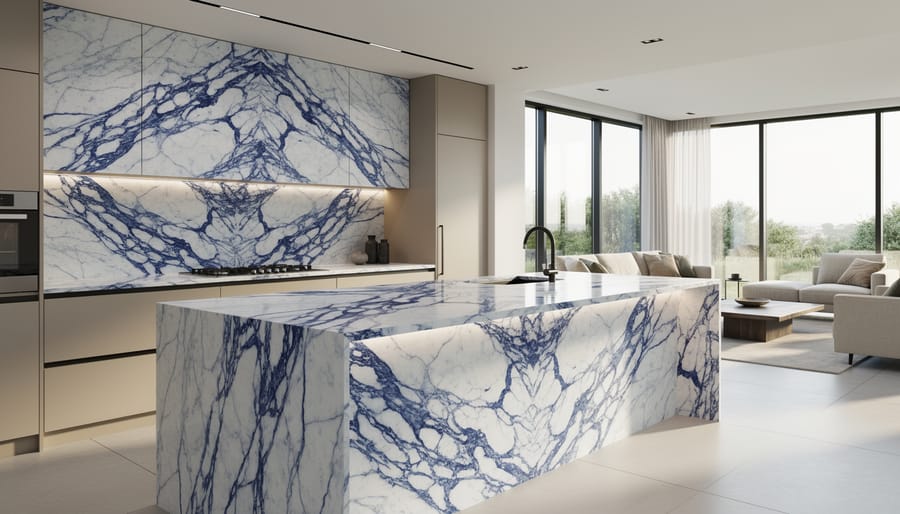
Understanding the distinction between natural and enhanced blue-vein stone empowers you to make informed decisions that align with your project requirements and budget. Both options serve valuable purposes in design and construction when properly disclosed and applied. Natural blue-vein stone offers unmatched authenticity, unique character, and long-term performance benefits, making it ideal for high-end applications and historically significant projects. Enhanced varieties provide cost-effective alternatives for specific applications where budget constraints exist or aesthetic consistency is paramount.
The key to successful stone selection lies in working with reputable suppliers who provide transparent information about their products’ origin, composition, and any treatments applied. Request documentation, certifications, and detailed specifications before finalizing purchases. Whether you choose natural or enhanced blue-vein stone, understanding what you’re buying ensures the material performs as expected and delivers lasting value. By prioritizing transparency and education throughout the selection process, you protect your investment while contributing to ethical industry practices that benefit everyone from quarry workers to end users.