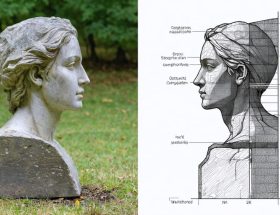

Standing as a testament to Zimbabwe’s rich cultural heritage, stone sculpture represents one of Africa’s most distinctive and celebrated art forms. For over a thousand years, master craftsmen have transformed raw stone into profound expressions of spirituality, social commentary, and artistic excellence, earning Zimbabwe the moniker “House of Stone.”
In the serpentine-rich hills of Zimbabwe, particularly around Harare and Tengenenge, artists continue a legacy that blends ancient Shona traditions with contemporary artistic vision. This sophisticated art form gained international recognition in the 1950s through the pioneering efforts of Frank McEwen at the National Gallery of Zimbabwe, catalyzing what became known as the “Zimbabwean Sculpture Movement.”
Today, Zimbabwean stone sculpture commands attention in prestigious galleries worldwide, distinguished by its remarkable combination of modern aesthetics and deep cultural roots. Artists create works ranging from intimate pieces depicting family relationships to monumental installations exploring themes of environmental conservation and social justice. Each sculpture emerges from the stone through a meticulous process of hand-carving, revealing the inherent beauty of serpentine, springstone, and verdite while embodying the spiritual connection between artist, material, and ancestral wisdom.
The Rich Heritage of Zimbabwean Stone Art
Ancient Origins and Great Zimbabwe
Zimbabwe’s modern stone sculpture movement draws direct inspiration from the remarkable ancient stone carving traditions exemplified by Great Zimbabwe. This UNESCO World Heritage site, built between the 11th and 15th centuries, showcases intricate dry-stone construction techniques that demonstrate the sophisticated mastery of stone craftsmanship in ancient African civilization.
The impressive granite walls of Great Zimbabwe, constructed without mortar, represent early evidence of the region’s deep connection to stone working. These architectural achievements laid the foundation for Zimbabwe’s contemporary sculpture movement, with many modern artists drawing parallels between their work and the technical precision of their ancestors.
The traditional methods of stone selection, handling, and carving techniques used in Great Zimbabwe continue to influence today’s sculptors. This historical legacy is particularly evident in the way contemporary artists approach their material, showing similar respect for the stone’s natural properties and working with its inherent characteristics rather than against them.

The Modern Renaissance
Zimbabwe’s stone sculpture movement experienced a remarkable revival in the mid-20th century, particularly during the 1950s and 1960s. This renaissance began at the workshop school established by Frank McEwen at the National Gallery in Harare, where he encouraged artists to explore their cultural heritage through stone carving.
Notable artists like Nicholas Mukomberanwa, Henry Munyaradzi, and Joram Mariga emerged during this period, creating works that blended traditional African aesthetics with contemporary artistic expressions. Their sculptures, crafted primarily from serpentine and springstone, gained international recognition at exhibitions in Paris, New York, and London.
The modern movement distinguishes itself through its innovative use of traditional techniques and materials. Artists incorporate both ancient spiritual themes and contemporary social issues in their work, creating pieces that resonate with global audiences while maintaining strong cultural roots.
Today, Zimbabwe’s stone sculpture continues to evolve, with new generations of artists exploring fresh perspectives while preserving the essence of their artistic heritage. Training centers and artist communities in Tengenenge and Guruve help sustain this vibrant tradition, ensuring its place in contemporary global art.
Materials and Methods
Indigenous Stone Types
Zimbabwe’s sculptural tradition is deeply rooted in the country’s abundant natural stone resources, particularly the various types of serpentine stone. This remarkable stone family, characterized by its diverse natural stone textures and colors, ranges from soft butter-yellow to deep forest green and rich black varieties.
Springstone, a particularly hard variety of serpentine, is highly prized among sculptors for its dense, uniform composition and striking black color when polished. Its durability makes it ideal for both indoor and outdoor sculptures, though its hardness requires significant skill and patience to work with.
Opal stone, another prominent variety, offers artists a softer medium with subtle color variations, typically in green and brown hues. Fruit serpentine, named for its often-mottled appearance, provides sculptors with an excellent material for creating pieces with varied textural effects.
Local artisans also work with lepidolite, a purple-hued stone, and verdite, known for its striking green color. These materials are typically sourced from various quarries throughout Zimbabwe, particularly in the regions around Guruve and Mvurwi, where some of the finest deposits are found.
The availability and quality of these indigenous stones have played a crucial role in establishing Zimbabwe’s reputation as a center for stone sculpture, with each type offering unique properties that skilled artists can exploit to create distinctive works.
Traditional Carving Techniques
Zimbabwean sculptors employ a remarkable combination of ancient stone chiseling techniques and modern tools to create their masterpieces. The primary tools include various chisels, hammers, rasps, and files, each serving a specific purpose in the sculpting process. Artists typically begin with point chisels to rough out the basic form, followed by toothed chisels for more detailed shaping.
The traditional approach involves direct carving, where artists work intuitively with the stone’s natural properties rather than creating preliminary models. This method requires exceptional skill and understanding of the material’s characteristics, particularly when working with serpentine stone, Zimbabwe’s most distinctive medium.
Modern sculptors complement traditional methods with stone polishing techniques that enhance the final appearance. They use gradual progression from coarse to fine abrasives, often finishing with wet sandpaper to achieve desired textures. Some pieces receive a heated treatment to bring out the stone’s natural colors and patterns.
Water plays a crucial role in the carving process, both for cooling tools and revealing the stone’s true colors during work. Artists often spray water on the sculpture to better visualize how the finished piece will appear, allowing them to make necessary adjustments during creation.

Contemporary Masters and Their Impact
Notable Artists
Zimbabwe’s contemporary stone sculpture movement has produced several internationally acclaimed artists who have significantly influenced the art form. Nicholas Mukomberanwa, known for his powerful angular forms and spiritual themes, emerged as one of the movement’s pioneering figures in the 1960s. His work, characterized by precise geometric patterns and deep cultural symbolism, continues to inspire new generations of sculptors.
Dominic Benhura stands out for his innovative techniques and dynamic representations of human relationships. His signature style involves creating movement in stone, particularly in his celebrated pieces depicting mother-and-child themes. Benhura’s work has been exhibited worldwide and has helped establish Zimbabwe’s reputation in contemporary art.
Bernard Matemera’s distinctive style featured bold, expressive forms that often explored traditional Shona mythology. His pieces, characterized by their raw emotional power and cultural authenticity, have found homes in major museums globally.
Among the younger generation, Sylvester Mubayi has gained recognition for combining traditional Shona storytelling with contemporary artistic expression. His work often addresses modern social issues while maintaining strong connections to Zimbabwe’s cultural heritage.
Agnes Nyanhongo, one of the movement’s leading female sculptors, has broken barriers with her powerful representations of women’s experiences. Her work, known for its smooth finishes and elegant forms, demonstrates the evolving nature of Zimbabwe’s stone sculpture tradition.
Global Recognition
Zimbabwean stone sculpture has garnered significant international acclaim since the 1960s, establishing itself as a distinctive force in contemporary art. Major exhibitions at prestigious institutions, including the Museum of Modern Art in New York and the Musée Rodin in Paris, have showcased these masterful works to global audiences. The movement gained particular momentum when Frank McEwen, the first director of the National Gallery of Zimbabwe, promoted local artists internationally.
Notable collectors and museums worldwide now house significant collections of Zimbabwean stone sculptures, particularly pieces from the first-generation masters like Nicholas Mukomberanwa and Henry Munyaradzi. The aesthetic appeal of these sculptures, combining modern artistic sensibilities with traditional African influences, has attracted collectors from Europe, North America, and Asia.
Contemporary Zimbabwean stone sculptors continue to receive recognition through international art fairs, gallery exhibitions, and prestigious commissions. The distinctive use of serpentine stone, coupled with themes that bridge traditional and modern perspectives, has helped establish Zimbabwe’s reputation as a center of excellence in stone sculpture, influencing contemporary sculptural practices globally.
Themes and Symbolism
Cultural Narratives
In Zimbabwean stone sculpture, every piece tells a story deeply rooted in Shona mythology and cultural beliefs. The artists often carve spiritual guardians, ancestral figures, and mythological creatures that represent the connection between the physical and spiritual worlds. Many sculptures depict the transformation of spirits into animals, particularly birds, which are considered messengers between the living and the deceased.
Traditional storytellers speak of how the stones themselves choose the artists, revealing their hidden forms through dreams and visions. This spiritual connection is evident in works that showcase family relationships, traditional ceremonies, and important life transitions. Common themes include the Great Zimbabwe Bird, a powerful symbol of authority and spirituality, and the njuzu (water spirits) that are believed to mentor artists in their craft.
Modern Zimbabwean sculptors continue these narrative traditions while incorporating contemporary social issues. Their works often address themes of environmental conservation, social justice, and cultural preservation, demonstrating how ancient storytelling traditions remain relevant in today’s world. The sculptures serve as both artistic expressions and important cultural documents, preserving Shona heritage for future generations.

Modern Interpretations
Contemporary Zimbabwean stone sculptors are reimagining traditional techniques while addressing modern themes and global issues. Artists like Dominic Benhura and Tapfuma Gutsa have gained international recognition for their innovative approaches, combining ancient Shona craftsmanship with contemporary artistic expressions.
Modern themes often explore environmental conservation, urbanization, and social justice, while maintaining strong connections to Zimbabwe’s cultural heritage. Many artists now incorporate mixed media elements alongside traditional stone, creating dynamic installations that bridge past and present.
The Zimbabwe Sculpture Park in Harare serves as a vital platform for emerging artists to showcase experimental works. These new interpretations often feature abstract forms and minimalist designs, departing from traditional figurative representations while still honoring the spiritual essence of Zimbabwean stone sculpture.
International collaborations and residency programs have introduced new perspectives, leading to fascinating fusion styles that blend African storytelling with global artistic movements. Digital technology has also influenced the field, with some artists using computer-aided design for preliminary sketches before hand-carving their pieces.
Preservation and Future
The preservation of Zimbabwe’s stone sculpture heritage faces both challenges and opportunities in the modern era. Conservation efforts are currently focused on protecting historical pieces while supporting contemporary artists who maintain this vital tradition. The National Gallery of Zimbabwe plays a crucial role in these preservation efforts, maintaining archives and providing educational programs to ensure knowledge transfer to younger generations.
Several international organizations have partnered with local institutions to establish stone sculpture conservation workshops, teaching proper preservation techniques and sustainable quarrying practices. These initiatives help protect both the physical artwork and the environmental resources necessary for future sculptors.
Digital documentation efforts are now underway to create detailed records of significant pieces, including 3D scanning of important works to preserve their forms for posterity. This technological approach complements traditional preservation methods and provides new ways to share Zimbabwe’s sculptural heritage with global audiences.
Looking ahead, the future of Zimbabwean stone sculpture appears promising, with emerging artists incorporating contemporary themes while maintaining traditional techniques. Art schools across the country are introducing specialized programs that combine ancestral knowledge with modern artistic approaches, ensuring the art form’s evolution while preserving its cultural essence.
Sustainability remains a key focus, with initiatives promoting responsible stone sourcing and environmental conservation. The growing international market for Zimbabwean stone sculpture has also led to increased investment in artist development programs and improved exhibition spaces, contributing to the art form’s long-term viability.
Community-based projects are being established to create sustainable income sources for sculptors while protecting cultural heritage, demonstrating how traditional art forms can adapt and thrive in the modern world.
Zimbabwean stone sculpture stands as a remarkable testament to the enduring power of artistic expression and cultural heritage. Through generations of skilled artisans, this distinctive art form has evolved from ancient traditions into a globally recognized contemporary movement that continues to captivate audiences worldwide.
The legacy of Zimbabwean stone sculpture extends far beyond its aesthetic appeal. It serves as a vital economic driver for local communities, providing sustainable livelihoods for countless artists and their families. Moreover, these sculptures have become powerful ambassadors of Zimbabwe’s cultural identity, bridging geographical and cultural divides through their universal appeal and emotional resonance.
Today’s sculptors skillfully blend traditional techniques with modern interpretations, ensuring the art form remains both relevant and dynamic. Their work addresses contemporary themes while maintaining deep connections to spiritual and cultural roots, creating pieces that speak to both local and international audiences.
The future of Zimbabwean stone sculpture appears promising, with emerging artists receiving training through established workshops and mentorship programs. These initiatives help preserve traditional knowledge while encouraging innovation and artistic growth. As global appreciation for authentic cultural art forms continues to grow, Zimbabwean stone sculpture remains positioned at the forefront of African contemporary art, inspiring new generations of artists and collectors alike.
This living tradition exemplifies how ancient craftsmanship can thrive in the modern world, creating lasting value through artistic excellence and cultural preservation.