
Landscape architecture stands at the forefront of our battle for environmental sustainability, merging creative design with ecological responsibility. As cities expand and climate challenges intensify, innovative landscape solutions have become essential for creating resilient, sustainable spaces that benefit both people and the planet. Modern landscape architects are revolutionizing urban environments by integrating green infrastructure, water-sensitive design, and native plantings to develop spaces that not only captivate visually but also serve crucial environmental functions.
These sustainable landscapes significantly reduce urban heat islands, manage stormwater naturally, support biodiversity, and improve air quality while creating meaningful connections between people and nature. From rain gardens that filter pollutants to green roofs that regulate building temperatures, sustainable landscape architecture demonstrates how thoughtful design can address multiple environmental challenges simultaneously.
The field has evolved beyond mere aesthetics to embrace a holistic approach that considers long-term environmental impact, resource efficiency, and ecosystem health. By incorporating renewable materials, efficient irrigation systems, and climate-adaptive plants, landscape architects are creating spaces that remain beautiful and functional while minimizing their environmental footprint. This integration of sustainability principles with traditional landscape design practices represents a crucial step toward building more resilient communities and healthier urban environments for future generations.
The Environmental Impact of Natural Stone in Landscapes
Durability and Lifecycle Benefits
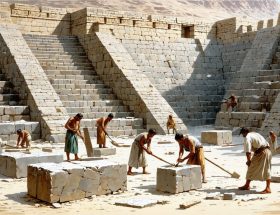
Natural stone stands as one of the most durable materials in landscape architecture, with a lifespan that can extend for centuries when properly selected and installed. Many historical structures built using traditional stone cutting techniques continue to demonstrate remarkable resilience against weathering and time.
This exceptional durability translates into significant sustainability benefits. Unlike manufactured materials that may require replacement every few decades, natural stone installations can often last for generations with minimal maintenance. This longevity reduces the environmental impact associated with manufacturing and installing replacement materials, while also decreasing construction waste and resource consumption over time.
Stone’s lifecycle advantages extend beyond its physical durability. As it ages, natural stone often develops a distinctive patina that enhances its aesthetic appeal, unlike many modern materials that deteriorate visibly over time. This natural aging process eliminates the need for resource-intensive refinishing or replacement purely for aesthetic reasons.
The material’s thermal mass properties also contribute to its long-term value, helping regulate temperature in landscape features and reducing energy requirements for adjacent structures. When sourced locally, stone can be repurposed or recycled indefinitely, making it a truly sustainable choice for permanent landscape features.
Local Sourcing and Carbon Footprint
The transportation of natural stone materials can significantly impact a project’s overall carbon footprint. When sourcing stone for landscape architecture projects, the distance between quarry and installation site plays a crucial role in sustainability calculations. Local stone not only reduces transportation emissions but often provides better contextual harmony with the surrounding environment.
Many regions have unique geological characteristics that offer distinctive stone varieties. For example, limestone quarries in Indiana supply much of the Midwest’s architectural stone, while granite from New England serves the northeastern United States. By choosing locally available materials, designers can reduce fuel consumption and transportation costs while supporting regional economies.
Carbon footprint calculations should consider the entire journey of stone materials – from extraction to final installation. A stone sourced locally might require only 50-100 miles of transportation, whereas imported stone could travel thousands of miles, often involving multiple modes of transport including ships, trains, and trucks.
To optimize sustainability, landscape architects should:
– Research local quarries and stone yards within a 500-mile radius
– Consider regional stone variations that match project requirements
– Calculate transportation costs and associated emissions
– Partner with suppliers who use efficient shipping methods
– Document carbon savings for project sustainability metrics
This approach not only benefits the environment but often results in cost savings and faster project completion times, making local sourcing a win-win solution for sustainable landscape design.
Sustainable Stone Selection and Implementation
Water Management Solutions
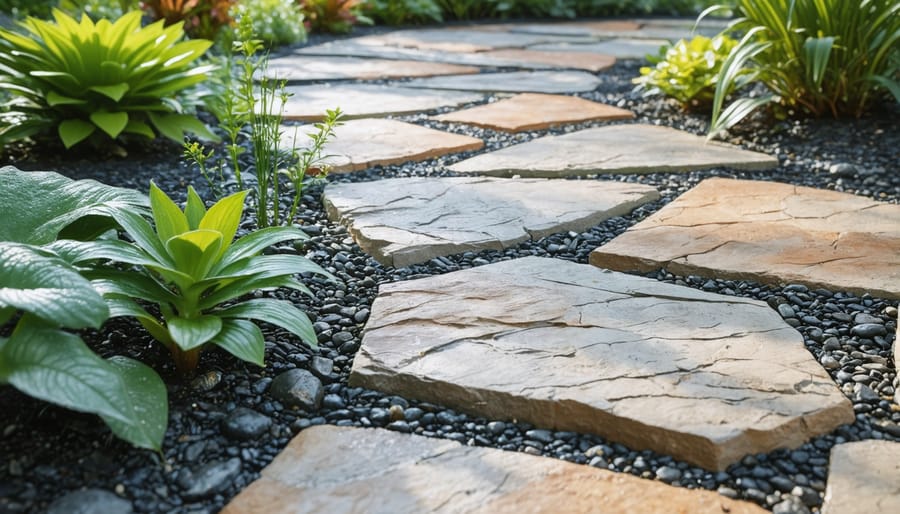
Natural stone plays a vital role in sustainable water management within landscape architecture, offering both aesthetic appeal and practical functionality. Permeable stone surfaces, such as crushed stone paths and gravel gardens, allow rainwater to naturally infiltrate the soil rather than contributing to surface runoff. This natural filtration process helps replenish groundwater supplies while reducing the burden on municipal drainage systems.
Strategic placement of stone elements creates effective drainage solutions that protect both buildings and landscapes. Dry creek beds lined with river rock not only direct water flow but also create visually appealing landscape features. French drains utilizing graduated layers of stone effectively manage subsurface water movement, preventing waterlogging and erosion.
Stone retaining walls with built-in drainage systems help manage water on sloped sites while preventing soil erosion. When combined with native plants and proper grading, these structures create sustainable water management systems that mimic natural processes. Permeable stone pavers offer an excellent alternative to traditional impervious surfaces for driveways and patios, reducing stormwater runoff while maintaining durability.
For maximum effectiveness, stone-based water management solutions should be integrated early in the design process. Proper installation includes attention to base preparation, appropriate stone selection, and strategic placement of drainage points. When well-designed, these systems require minimal maintenance while providing long-term environmental benefits and enhanced landscape functionality.
Heat Island Mitigation
Urban heat islands pose significant challenges in modern cities, but strategic stone selection in landscape architecture can help mitigate these effects. The natural stone properties of different materials play a crucial role in temperature regulation within urban environments.
Light-colored stones like limestone and granite reflect more sunlight, reducing heat absorption and lowering surface temperatures by up to 35°F compared to darker materials. This reflective quality, known as albedo, makes them excellent choices for pavements, walkways, and open spaces in hot climates.
Thermal mass is another important consideration, as some stones can effectively store and gradually release heat. Materials like sandstone and slate help moderate temperature fluctuations throughout the day, creating more comfortable microclimates in urban spaces.
Water-permeable stone arrangements, such as loosely set pavers or gravel beds, allow moisture retention and natural cooling through evaporation. These solutions not only help reduce ambient temperatures but also contribute to sustainable stormwater management.
Implementing vertical stone features and walls can provide shade and create cooling air currents, while stone-based water features add both aesthetic value and natural cooling effects. When combined with strategic vegetation placement, these stone elements form comprehensive cooling solutions for urban landscapes, effectively combating the heat island effect while maintaining architectural appeal.
Native Stone Integration
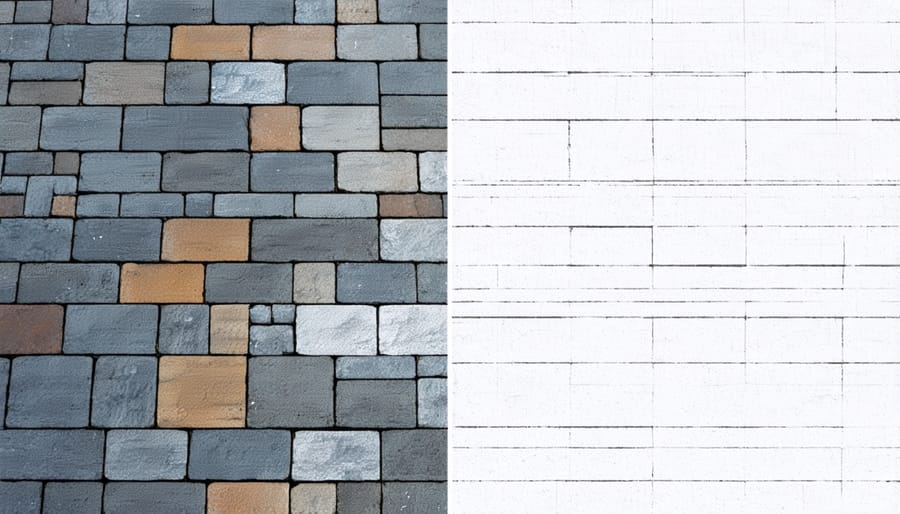
Native stone integration represents a cornerstone of sustainable landscape architecture, offering both environmental benefits and aesthetic authenticity. By incorporating locally sourced stone materials, designers can significantly reduce transportation emissions while preserving the historical significance of stone in regional architecture.
Local stone varieties naturally complement the existing ecosystem, providing seamless integration with the surrounding landscape. These materials weather consistently with the local climate, requiring minimal maintenance and offering superior longevity. Indigenous stone choices, such as limestone in coastal areas or granite in mountainous regions, create microclimates that support native plant species and local wildlife.
When selecting native stone, landscape architects consider factors including porosity, frost resistance, and structural integrity. These characteristics ensure long-term durability while maintaining the project’s environmental goals. The stone’s natural weathering patterns enhance the design’s aesthetic appeal over time, creating an evolving landscape that mirrors the region’s natural formations.
Implementation methods focus on minimal processing and careful extraction to reduce environmental impact. Dry-stack techniques and traditional mortaring methods using local materials further enhance sustainability. This approach not only preserves natural resources but also supports local quarries and craftspeople, contributing to the regional economy while maintaining authentic architectural traditions.
Maintenance and Long-term Sustainability
Chemical-Free Cleaning Methods
Maintaining stone features in landscape architecture doesn’t require harsh chemicals to achieve excellent results. Natural cleaning methods not only protect the environment but also preserve the integrity of the stone while ensuring the safety of surrounding plant life and wildlife.
For routine maintenance, plain water and a soft-bristled brush effectively remove most surface dirt and debris. When dealing with more stubborn stains, a mixture of white vinegar and water (1:4 ratio) serves as an excellent natural cleaner. For limestone and marble features, substitute vinegar with a gentle solution of pure castile soap and water to avoid acid damage.
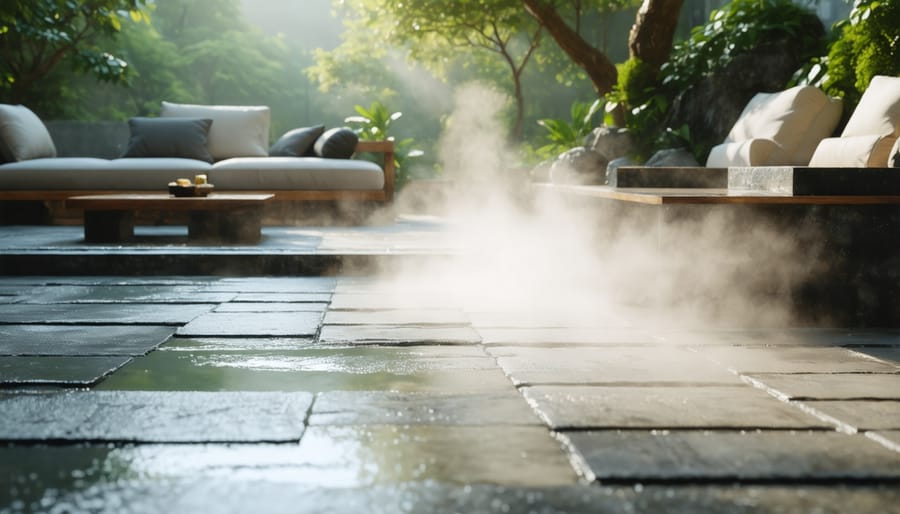
Baking soda creates an effective paste for spot-cleaning without scratching the stone surface. For organic stains from leaves or moss, hydrogen peroxide diluted with water provides eco-friendly cleaning power while being safe for nearby plants. Steam cleaning represents another chemical-free option, particularly effective for larger stone surfaces and intricate patterns.
Prevention plays a crucial role in sustainable maintenance. Regular sweeping prevents dirt accumulation, while proper drainage design minimizes water-related staining. Installing buffer zones of gravel or permeable materials around stone features reduces mud splashes and organic debris buildup.
For winter maintenance, avoid chemical de-icers completely. Instead, use sand or coffee grounds for traction, and remove snow promptly with plastic shovels to prevent surface damage. These methods maintain both the aesthetic appeal and structural integrity of stone features while supporting sustainable landscape practices.
Repair and Restoration Strategies
Sustainable restoration in landscape architecture focuses on preserving historical features while minimizing environmental impact. Modern stone preservation methods combine traditional techniques with eco-friendly innovations to extend the life of natural stone elements.
Key strategies include using non-toxic cleaning agents derived from natural sources, implementing preventive maintenance schedules to avoid extensive repairs, and employing reversible restoration techniques that don’t compromise future conservation efforts. Water-based sealants and mineral-based consolidants have replaced harmful chemical treatments, offering effective protection while maintaining stone breathability.
Repair approaches now emphasize minimal intervention, focusing on stabilizing existing materials rather than wholesale replacement. When replacement is necessary, sourcing local stone materials reduces transportation emissions and supports regional quarries practicing sustainable extraction methods.
Innovative technologies like 3D scanning and digital mapping help professionals accurately document deterioration patterns and plan precise interventions. These tools enable targeted repairs that preserve original materials while reducing waste and resource consumption.
Regular monitoring systems using sensors and data analytics help identify potential issues before they become severe, supporting proactive maintenance rather than reactive repairs. This approach not only preserves historical integrity but also reduces the long-term environmental impact of restoration projects.
Future-Proofing Stone Installations
Future-proofing stone installations requires careful planning and consideration of multiple factors to ensure long-term sustainability. The key lies in anticipating environmental changes, usage patterns, and maintenance requirements from the outset of the design process.
Selection of appropriate stone types is crucial, with emphasis on durability and local sourcing. Stones that can withstand local climate conditions, including freeze-thaw cycles and UV exposure, will maintain their integrity longer and require less replacement. Native stones typically perform better and have a lower environmental impact due to reduced transportation needs.
Installation methods should prioritize adaptability and repair-ability. Using dry-laid techniques where appropriate allows for easy access to underlying utilities and simplifies future modifications. Proper substrate preparation and drainage systems help prevent water damage and extend the installation’s lifespan.
Consider incorporating modular designs that allow for selective replacement of damaged pieces without disturbing the entire installation. Edge restraints and proper joint spacing accommodate natural movement and prevent cracking, while permeable layouts support sustainable water management.
Documentation of installation specifications and material sources ensures future maintenance teams can make informed decisions about repairs and replacements. Creating a detailed maintenance plan that includes regular inspections, cleaning protocols, and preventive measures helps preserve the installation’s integrity and appearance over time.
By implementing these forward-thinking strategies, stone installations can maintain their functionality and aesthetic appeal while supporting sustainable landscape practices for decades to come.
As we look to the future of landscape architecture, sustainable stone practices will continue to play a vital role in creating environmentally responsible outdoor spaces. The integration of natural stone in landscape design has proven to be both aesthetically pleasing and ecologically sound, offering durability that spans generations while minimizing environmental impact.
The key principles we’ve explored – from proper material sourcing and local procurement to water management and habitat creation – demonstrate how natural stone can contribute to sustainable landscape solutions. These practices not only reduce carbon footprints but also create resilient spaces that adapt to changing climate conditions while preserving natural resources.
Looking ahead, emerging technologies and innovative installation methods are making sustainable stone applications more accessible and efficient. We’re seeing increased adoption of permeable paving systems, green wall integration with stone elements, and sophisticated water management solutions that maximize stone’s natural properties.
The future of sustainable stone practices in landscape architecture lies in balancing traditional knowledge with modern innovation. As awareness of environmental issues grows, we can expect to see more emphasis on recycled stone materials, energy-efficient processing methods, and designs that support biodiversity.
By continuing to embrace these sustainable practices, landscape architects and designers can create lasting outdoor environments that benefit both people and the planet, ensuring that natural stone remains a cornerstone of environmentally conscious design for generations to come.